Supplements
Botanicals, vitamins, minerals, and other ingestibles: what the evidence shows.
Supplements are anything you take by mouth: herbs, plant extracts, vitamins, minerals, amino acids, fatty acids, probiotics. Every entry here is anchored to a Cochrane review, an EMA HMPC monograph, an EFSA authorised claim, or a major-journal RCT. Items with only traditional use behind them are not in this catalogue.
Supplements catalogue
259 evidence-anchored supplements, strongest evidence first.
 CautionSupplement
Andrographis paniculata
Cochrane-supported 'king of bitters' for upper respiratory infection symptom relief.
Why
Andrographis paniculata is a bitter herb widely used in Indian, Chinese, and Scandinavian phytotherapy. The Cochrane review of Andrographis for acute respiratory tract infection found that the standardised extract Kan Jang (containing andrographolides plus Eleutherococcus) shortened symptom duration and reduced overall symptom severity compared with placebo. Effect is most consistent for cough, sore throat, and rhinorrhoea.
How it works
Andrographolides modulate cytokine signalling (TNF-α, IL-6), inhibit NF-κB, and show direct antiviral activity against influenza A in vitro. Mucosal immune effects are documented in animal models.
Expected onset · Symptom reduction often within 2–4 days of starting at symptom onset
How to take
Dosage
Standardised extract delivering 60–120 mg/day total andrographolides (Kan Jang dose: 1 tablet three times daily for 5 days from symptom onset).
Timing
Three times daily with food, started at symptom onset
On the label
Look for Kan Jang or extracts standardised to total andrographolides content (typically 4–6% in dried herb, 10%+ in concentrated extracts).
Ideal for
Adults with early symptoms of cold or upper respiratory tract infection, looking for a botanical alternative to symptomatic OTCs.
Safety
Evidence
Hu 2017 PLoS One meta-analysis (33 RCTs, n=7,175): Andrographis significantly reduced cough and sore throat severity in upper respiratory tract infection vs placebo and standard care. Coon 2004 earlier systematic review reached the same conclusion. Used acutely from symptom onset, not chronically.
- Hu et al., PLoS One 2017, Andrographis paniculata for acute respiratory tract infection: systematic review and meta-analysis
- Coon & Ernst, Planta Med 2004, Andrographis paniculata in the treatment of upper respiratory tract infections: systematic review
- Kulichenko et al., J Herb Pharmacother 2003, Kan Jang in influenza (RCT)
Where to get it
Shop Andrographis paniculata on AmazonSponsored · As an Amazon Associate, Healicus earns from qualifying purchases.
 CautionSupplement
AREDS2 multivitamin (full formulation)
Multi-nutrient formula tested in the NEJM-tier AREDS2 RCT, the evidence-based supplement for slowing AMD progression.
Why
The AREDS2 formula is the specific multi-nutrient combination tested in the Age-Related Eye Disease Study 2 (Chew JAMA 2013): vitamin C 500 mg, vitamin E 400 IU, zinc oxide 80 mg (later reduced to 25 mg without efficacy loss), cupric oxide 2 mg, lutein 10 mg, zeaxanthin 2 mg. Designed for adults with intermediate or advanced AMD in at least one eye. Beta-carotene from the original AREDS formula was removed because of lung-cancer risk in smokers.
How it works
Combined antioxidant (vit C, E) and trace-mineral (zinc, copper) effects on macular oxidative stress and inflammation; lutein/zeaxanthin specifically concentrate in macular pigment. Synergistic effects greater than individual components in the original AREDS trial.
Expected onset · AMD progression endpoints assessed over 3–5 years
How to take
Dosage
AREDS2 daily formula: vit C 500 mg, vit E 400 IU, zinc oxide 25–80 mg, cupric oxide 2 mg, lutein 10 mg, zeaxanthin 2 mg. Once or split twice daily with food.
Timing
With meals; split twice daily for better tolerability
On the label
Look for 'AREDS2 formula' explicitly, the specific dosing matters and varies between OTC products. PreserVision AREDS2 is the brand most-aligned with the trial formula.
Ideal for
Adults with intermediate (large drusen) or advanced AMD in one eye; under ophthalmology guidance to confirm the staging and the appropriateness of supplementation.
Safety
Evidence
AREDS (2001 Arch Ophthalmol) original formula reduced 5-year risk of advanced AMD by ~25% in intermediate AMD. AREDS2 (2013 JAMA) replaced beta-carotene with lutein/zeaxanthin without efficacy loss and with improved smoker safety. Chew 2022 JAMA Ophthalmol 10-year follow-up confirmed sustained benefit and the safety of zinc 25 mg (vs original 80 mg).
- AREDS2 Research Group, JAMA 2013, lutein + zeaxanthin and omega-3 fatty acids for AMD: AREDS2 RCT (n=4,203)
- AREDS Research Group, Arch Ophthalmol 2001, a randomized, placebo-controlled, clinical trial of high-dose supplementation with vitamins C and E, beta carotene, and zinc for AMD and vision loss: AREDS report no. 8
- Chew et al., JAMA Ophthalmol 2022, long-term outcomes of adding lutein/zeaxanthin and ω-3 fatty acids: AREDS2 10-year follow-up
Where to get it
Shop AREDS2 multivitamin (full formulation) on AmazonSponsored · As an Amazon Associate, Healicus earns from qualifying purchases.
 CautionSupplement
Beta-glucan (oat / barley)
Soluble fibre with EFSA-authorised claim for lowering blood cholesterol at 3 g/day.
Why
Beta-glucan from oats and barley is one of only a handful of nutrients with an EFSA authorised health claim under Article 14 for cholesterol reduction. The threshold for the claim, 3 g/day of oat beta-glucan, has been confirmed in multiple meta-analyses to lower LDL cholesterol by approximately 0.25–0.30 mmol/L on average. The same fibre also produces a separate EFSA-authorised glycemic-response claim when consumed with carbohydrate-containing meals.
How it works
Forms a viscous gel in the small intestine that binds bile acids, increasing their faecal loss and forcing hepatic cholesterol-to-bile conversion, lowering circulating LDL. The same viscosity slows glucose absorption and blunts postprandial blood-sugar peaks.
Expected onset · LDL cholesterol changes typically over 4–6 weeks of consistent daily intake
How to take
Dosage
3 g/day of beta-glucan from oats or barley (the EFSA-cited threshold), typically met with ~75 g of oatmeal, ~40 g of oat bran, or a beta-glucan concentrate.
Timing
With breakfast or any carbohydrate-containing meal
On the label
Look for products stating 'beta-glucan from oats' or 'beta-glucan from barley' with dose per serving, the EFSA claim requires the product to deliver at least 1 g per serving.
Ideal for
Adults with elevated LDL cholesterol or postprandial glycemic spikes, aiming for a food-first approach.
Safety
Evidence
EFSA-authorised Article 14 health claim: 3 g/day of oat beta-glucan lowers blood cholesterol, the highest regulatory tier in EU food law. Whitehead 2014 Am J Clin Nutr meta-analysis (28 RCTs): oat beta-glucan reduced LDL by 0.25 mmol/L on average. Effect modest but consistent and additive to statins.
Where to get it
Shop Beta-glucan (oat / barley) on AmazonSponsored · As an Amazon Associate, Healicus earns from qualifying purchases.
 CautionSupplement
Calcium
Essential mineral with EFSA claims for bone, teeth, muscle and blood-clotting, best paired with vitamin D and ideally food-source.
Why
Calcium is essential for bone matrix, muscle contraction, neurotransmission and blood coagulation. EFSA has authorised health claims for normal bone, normal teeth, normal muscle function, normal neurotransmission and normal blood clotting. Supplementation at 500–1,200 mg/day is widely used in postmenopausal osteoporosis prevention. The Bolland 2010 BMJ meta-analysis raised a cardiovascular event signal with calcium supplements (without vitamin D), clinical practice has moved towards food-first calcium with vitamin D co-supplementation when supplements are needed.
How it works
Hydroxyapatite formation in bone (with phosphate). Excitation-contraction coupling in muscle (binding troponin C). Synaptic vesicle release at neurotransmitter terminals. Coagulation factor IV (the central divalent cation of clotting).
Expected onset · Bone-marker changes over weeks; clinical osteoporosis outcomes over years
How to take
Dosage
RDI: 800–1,200 mg/day total intake (food + supplement). Supplement: 500–600 mg per dose (absorption limited above this). Avoid total intakes above 2,000 mg/day.
Timing
With meals; split for higher doses; separate from iron and thyroid medication by 4 hours
On the label
Calcium citrate (better absorbed independent of food/acid; safer in hypochlorhydria) or calcium carbonate (cheaper, take with food). Stated elemental calcium per dose, not salt weight.
Ideal for
Postmenopausal women and adults with low dietary calcium intake (<700 mg/day from food); osteoporosis prevention contexts under clinical guidance; pregnancy and lactation.
Safety
Evidence
EFSA-authorised claims cover six separate functions of calcium. Tang 2007 Lancet meta-analysis: calcium 1,200 mg + vitamin D 800 IU reduced fracture risk by 12% over 3.5 years in older adults. Bolland 2010 BMJ raised concern over calcium alone for cardiovascular events, practical takeaway is to favour dietary calcium and pair supplements with vitamin D.
- EFSA Reg 432/2012 authorised claims, calcium and bone, teeth, muscle, neurotransmission, blood clotting, energy metabolism
- Bolland et al., BMJ 2010, effect of calcium supplements on risk of myocardial infarction and cardiovascular events: meta-analysis
- Tang et al., Lancet 2007, use of calcium or calcium in combination with vitamin D supplementation to prevent fractures and bone loss in people aged 50 years and older: meta-analysis
Where to get it
Shop Calcium on AmazonSponsored · As an Amazon Associate, Healicus earns from qualifying purchases.
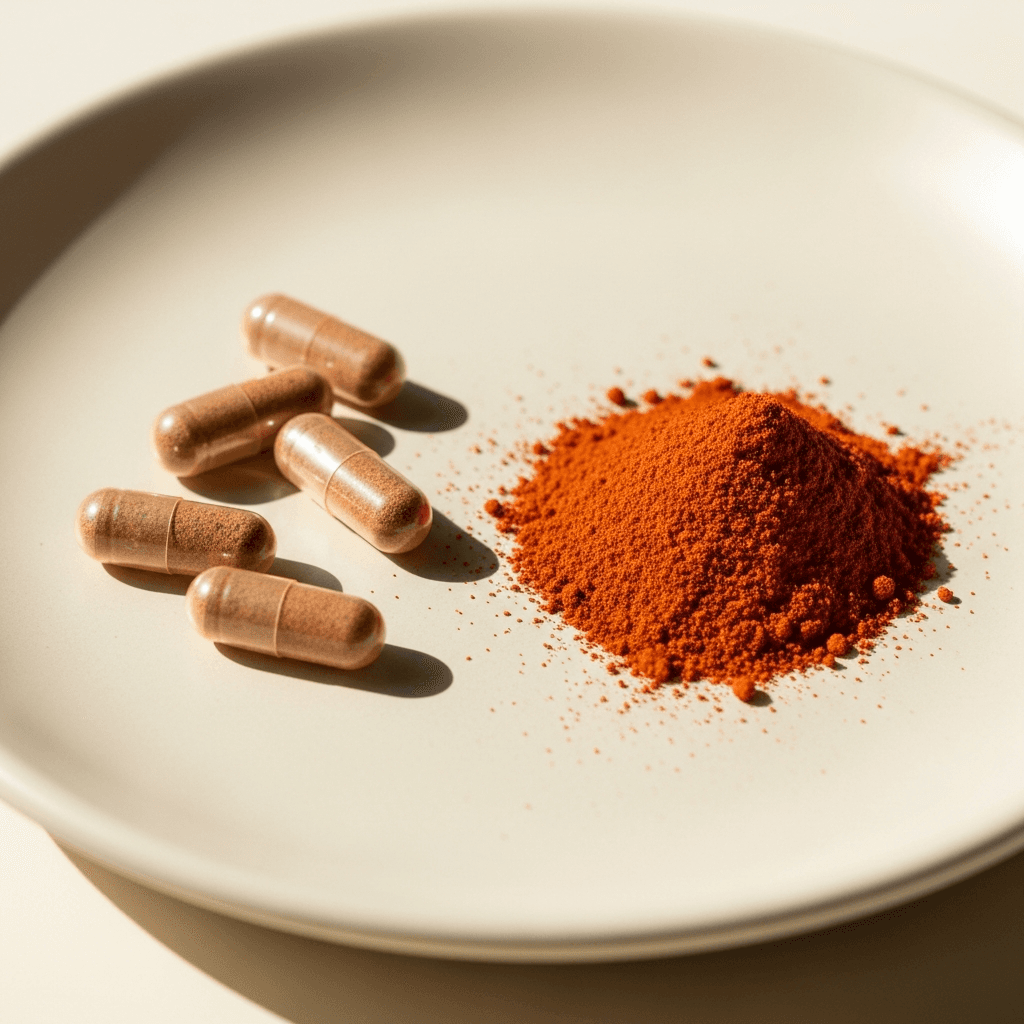 CautionSupplement
Capsaicin topical
Cochrane-supported high-dose 8% patch for neuropathic pain; lower-strength creams have separate evidence in OA.
Why
Capsaicin is the principal pungent compound in chilli pepper (Capsicum frutescens). Two distinct evidence streams matter clinically. Low-strength creams (0.025–0.075%) have an older RCT base in painful diabetic neuropathy, post-herpetic neuralgia and knee/hand osteoarthritis. The high-strength 8% patch (Qutenza) is a prescription-only single-application treatment with Cochrane-supported NNT of 7–11 for moderate pain relief in post-herpetic neuralgia and HIV-associated neuropathy.
How it works
Activates and then desensitises TRPV1 receptors on small unmyelinated C-fibre and Aδ-fibre nociceptors, producing initial burning followed by sustained reduction in pain signal transmission. Repeated low-dose application leads to depletion of substance P from cutaneous nerve terminals.
Expected onset · Low-strength cream: pain reduction over 2–4 weeks of consistent application. High-strength patch: effect over 1–2 weeks lasting up to 3 months.
How to take
Dosage
Low-strength cream (0.025–0.075%): apply to affected area 3–4 times daily. High-strength 8% patch (Qutenza): single 30–60 min application by trained clinician, repeatable at ≥3-month intervals.
Timing
Low-strength: 3–4 times daily; high-strength patch: single clinical application
On the label
Low-strength: Zacin 0.025%, Axsain 0.075%. High-strength: Qutenza 8% patch (prescription-only).
Ideal for
Adults with painful diabetic neuropathy, post-herpetic neuralgia, or localised musculoskeletal pain when oral analgesics are limited.
Safety
Evidence
Cochrane 2017 SR on the 8% capsaicin patch in chronic neuropathic pain: NNT of 7–11 for moderate (≥30%) pain relief at 8–12 weeks in PHN and HIV neuropathy. Cochrane 2012 SR on low-strength creams: less clear signal but improvement vs placebo in painful diabetic neuropathy and OA across older trials. Effect specific to small-fibre neuropathic pain.
- Derry et al., Cochrane Database Syst Rev 2017, topical capsaicin (high concentration) for chronic neuropathic pain in adults
- Derry & Moore, Cochrane Database Syst Rev 2012, topical capsaicin (low concentration) for chronic neuropathic pain in adults
- Mason et al., BMJ 2004, systematic review of topical capsaicin for the treatment of chronic pain
Where to get it
Shop Capsaicin topical on AmazonSponsored · As an Amazon Associate, Healicus earns from qualifying purchases.
 CautionSupplement
Comfrey topical (Symphytum)
EMA Well-Established Use topical extract for back pain and sprains, strongest topical herbal evidence in the catalogue.
Why
Comfrey root topical preparations (Symphytum officinale) hold an EMA HMPC monograph at the Well-Established Use level for symptomatic treatment of myalgia and acute joint sprains. The pyrrolizidine alkaloid (PA) content that makes oral comfrey hepatotoxic is substantially absent in modern PA-free topical preparations (Kytta-Salbe, Traumaplant). RCTs report analgesic and anti-inflammatory effects comparable to diclofenac gel in acute soft-tissue injury and back pain.
How it works
Allantoin, rosmarinic acid and triterpene saponins reduce local inflammation and accelerate granulation tissue formation. Topical application avoids the hepatic first-pass exposure to PAs, eliminating the main safety concern of oral comfrey.
Expected onset · Pain reduction often within 3–5 days; sprain healing within 1–2 weeks
How to take
Dosage
PA-free comfrey root cream or ointment: apply 4 g three times daily to the affected area for up to 2 weeks.
Timing
Three times daily during the acute phase
On the label
'PA-free' (pyrrolizidine alkaloid-free) topical preparation, Kytta-Salbe, Traumaplant, Symphytum Officinale Salbe. Internal preparations are not recommended.
Ideal for
Adults with acute soft-tissue injury (ankle sprain, muscle strain, contusion), acute non-specific back pain, or symptomatic knee osteoarthritis.
Safety
Evidence
Predel 2005 Phytomedicine RCT (n=164 acute ankle sprain): PA-free comfrey root ointment was non-inferior to diclofenac gel for pain reduction over 7 days. EMA classifies topical comfrey root preparations as Well-Established Use for myalgia and joint sprains, the highest regulatory tier for a botanical. Staiger 2012 Phytother Res review summarises strong topical evidence base across back pain, ankle sprain and OA.
Where to get it
Shop Comfrey topical (Symphytum) on AmazonSponsored · As an Amazon Associate, Healicus earns from qualifying purchases.
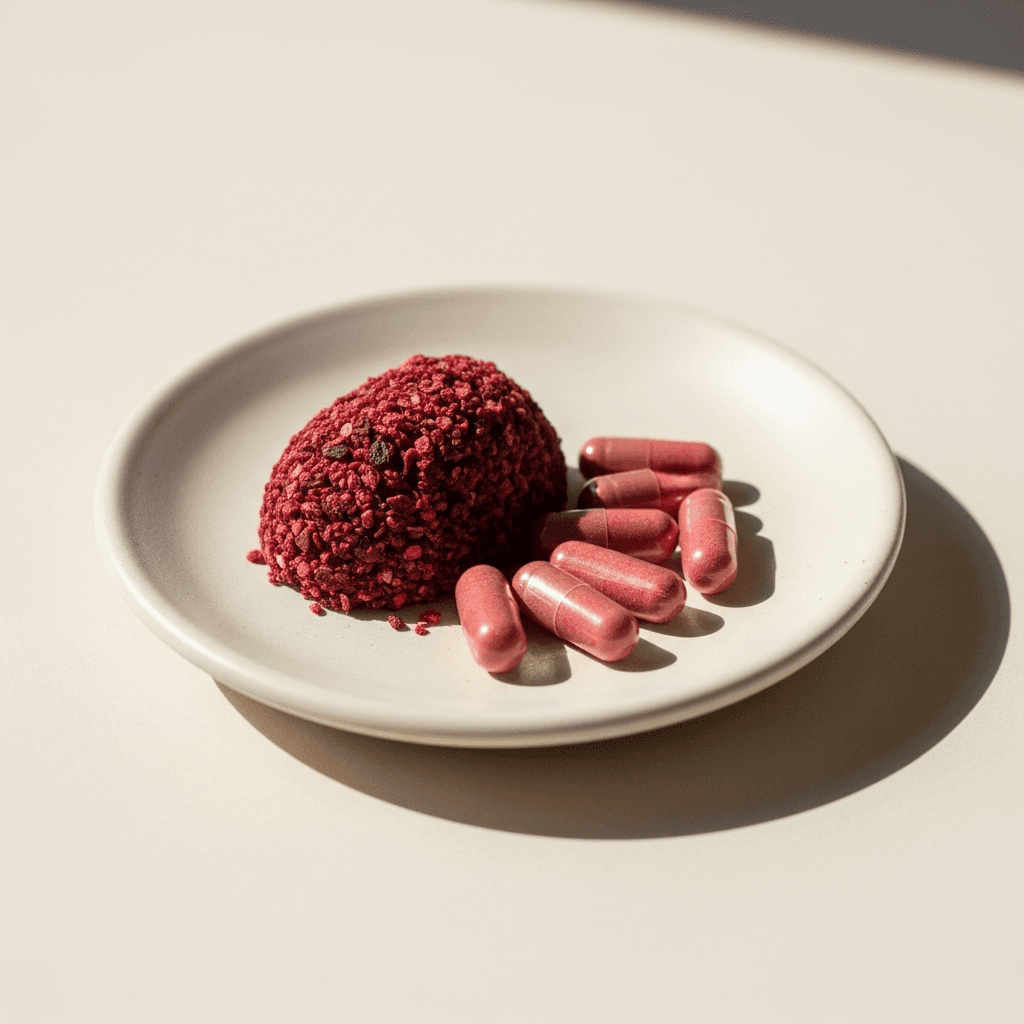 CautionSupplement
Cranberry
Cochrane-supported for recurrent uncomplicated UTI prevention in women, proanthocyanidin dose is what matters.
Why
Cranberry (Vaccinium macrocarpon) extracts have one of the few well-established prevention indications in herbal medicine. The 2023 Cochrane review concluded that cranberry products reduce the risk of symptomatic, culture-verified UTI in women with recurrent UTIs, in children, and in people susceptible after interventions. Effect is dose-dependent, products delivering at least 36 mg/day of proanthocyanidins are the ones with consistent positive results.
How it works
A-type proanthocyanidins inhibit P-fimbriated E. coli adherence to uroepithelial cells, the first step in colonisation and infection. Effect is dose-dependent and requires a quantified PAC content.
Expected onset · Prevention effect assessed over 6–12 months of consistent use; not for treating an established UTI
How to take
Dosage
Standardised extract delivering ≥36 mg/day proanthocyanidins (PACs), typically once or twice daily. Cranberry juice (250 ml twice daily) was used in older trials but PAC content varies widely.
Timing
Daily, divided or single dose
On the label
Products stating 'PAC content' as DMAC-quantified milligrams. 36 mg PAC/day is the dose-response threshold for the positive trials.
Ideal for
Adult women with recurrent uncomplicated UTI; children with recurrent UTI; people susceptible to UTI after urological intervention.
Safety
Evidence
Cochrane 2023 SR (50 RCTs, n=8,857): cranberry products reduce the risk of symptomatic culture-verified UTI in women with recurrent UTI (RR 0.74) and in children. Effect concentrated in standardised products delivering quantified PAC content (≥36 mg/day) rather than juice alone, the dose-response is well documented.
Where to get it
Shop Cranberry on AmazonSponsored · As an Amazon Associate, Healicus earns from qualifying purchases.
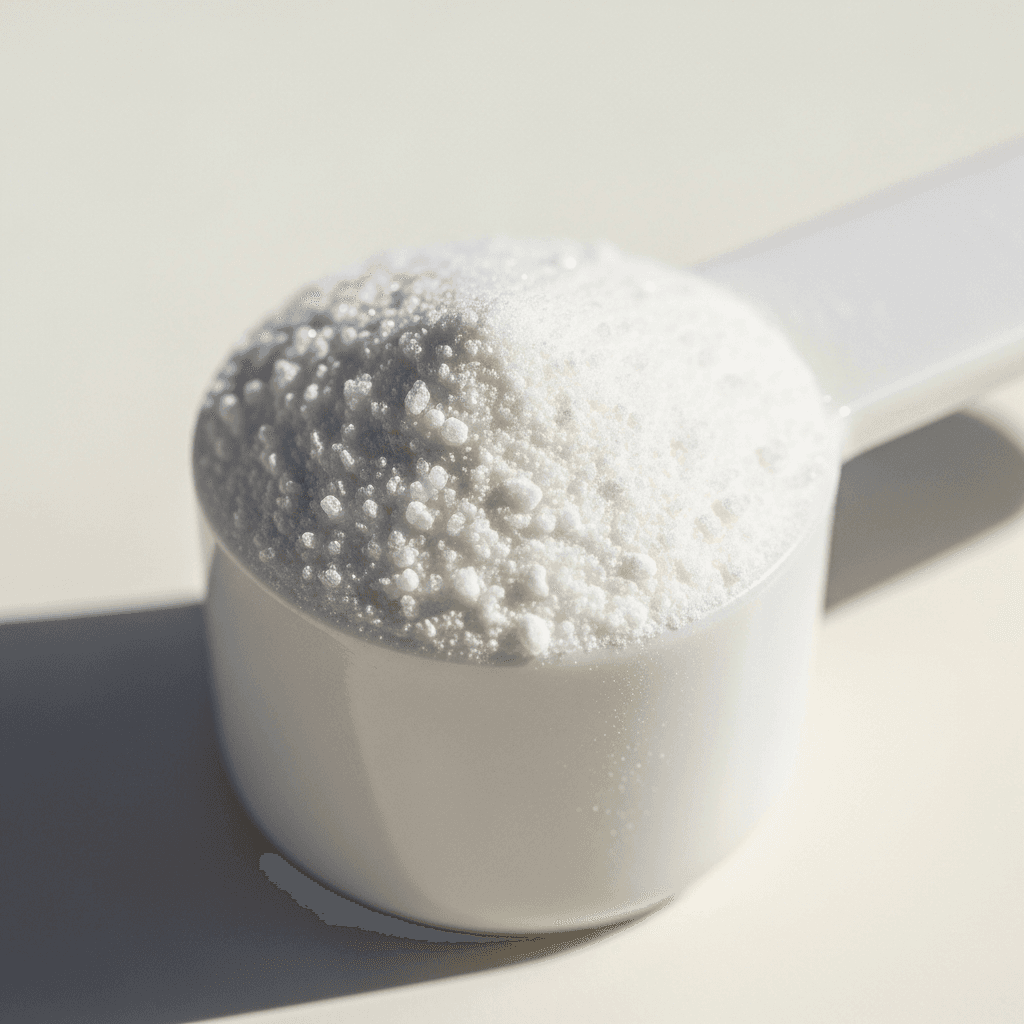 Supplement
Creatine monohydrate
5g daily: strongest evidence base of any sports supplement, with cognitive benefits in older adults too.
Why
Creatine increases phosphocreatine stores in muscle, improving capacity for short-duration high-intensity work. Decades of research; very well tolerated. Recent trials show cognitive benefits in older adults, especially under sleep deprivation. One of the few supplements with an evidence base comparable to RCT-tested drugs.
How it works
Saturates muscle phosphocreatine stores, enabling rapid ATP regeneration during intense effort. Brain creatine pools also rise, supporting cognition under metabolic stress.
Expected onset · 2–4 weeks for full muscle saturation
How to take
Dosage
5g per day. No loading needed for the long term.
Timing
Anytime, with food for slightly better absorption
On the label
Generic monohydrate (e.g., Creapure®); branded 'fancy' creatines are not better.
Safety
Markers this may influence
Evidence
Kreider 2017 J Int Soc Sports Nutr position stand: creatine monohydrate at 3–5 g/day is the most extensively studied sports supplement, with consistent improvements in strength, power, and high-intensity exercise capacity across decades of RCTs. Emerging cognitive benefits in older adults under metabolic stress (e.g. sleep deprivation). Very well tolerated.
Where to get it
Shop Creatine monohydrate on AmazonSponsored · As an Amazon Associate, Healicus earns from qualifying purchases.
 Supplement
Folate (B9, folic acid / 5-MTHF)
EU-authorised health claim for reducing neural tube defect risk at 400 µg/day preconception. The clearest cause-and-effect vitamin claim in EU food law.
Why
Folate is the strongest example of a vitamin whose supplementation reduces a specific birth defect: the MRC Vitamin Study 1991 (Lancet) randomised 1,817 women at high risk of recurrence and found a 72% reduction in neural tube defects with periconceptional folic acid. EU Commission Regulation 1135/2014 authorised the disease-risk-reduction claim for 400 µg/day, taken from at least one month before conception through the first trimester. Outside pregnancy, folate also lowers plasma homocysteine, although the cardiovascular benefit of doing so has been modest in large trials.
How it works
One-carbon donor for DNA synthesis (thymidylate, purines) and methylation (via 5-methyltetrahydrofolate → methionine → SAM). 5-MTHF is the active form delivered to tissues; folic acid is reduced through DHFR before use.
Expected onset · Red-cell folate rises over 8–12 weeks; the NTD-prevention window opens after ≥4 weeks of preconception supplementation
How to take
Dosage
400 µg/day folic acid (EU-authorised dose for NTD risk reduction). 4–5 mg/day for women with a previous NTD-affected pregnancy (the MRC trial dose), only under medical supervision. 5-MTHF (methylfolate) is an alternative for those who prefer the active form, dosed equivalently.
Timing
Daily, ideally from ≥1 month preconception through the first trimester
On the label
Both folic acid and 5-MTHF (e.g. Quatrefolic, Metafolin) deliver the protective effect at 400 µg. Avoid combined products with ≥1 mg folic acid unless prescribed.
Ideal for
Anyone planning a pregnancy or able to become pregnant; people with known MTHFR variants or elevated homocysteine; long-term users of methotrexate, sulfasalazine, or anticonvulsants under clinician supervision.
Safety
Evidence
MRC Vitamin Study 1991 (Lancet, n=1,817 high-risk women): 4 mg/day folic acid preconception cut neural tube defect recurrence by 72% (RR 0.28, 95% CI 0.12–0.71). EU Commission Regulation 1135/2014 then authorised a disease-risk-reduction claim at 400 µg/day.
Where to get it
Shop Folate (B9, folic acid / 5-MTHF) on AmazonSponsored · As an Amazon Associate, Healicus earns from qualifying purchases.
 Supplement
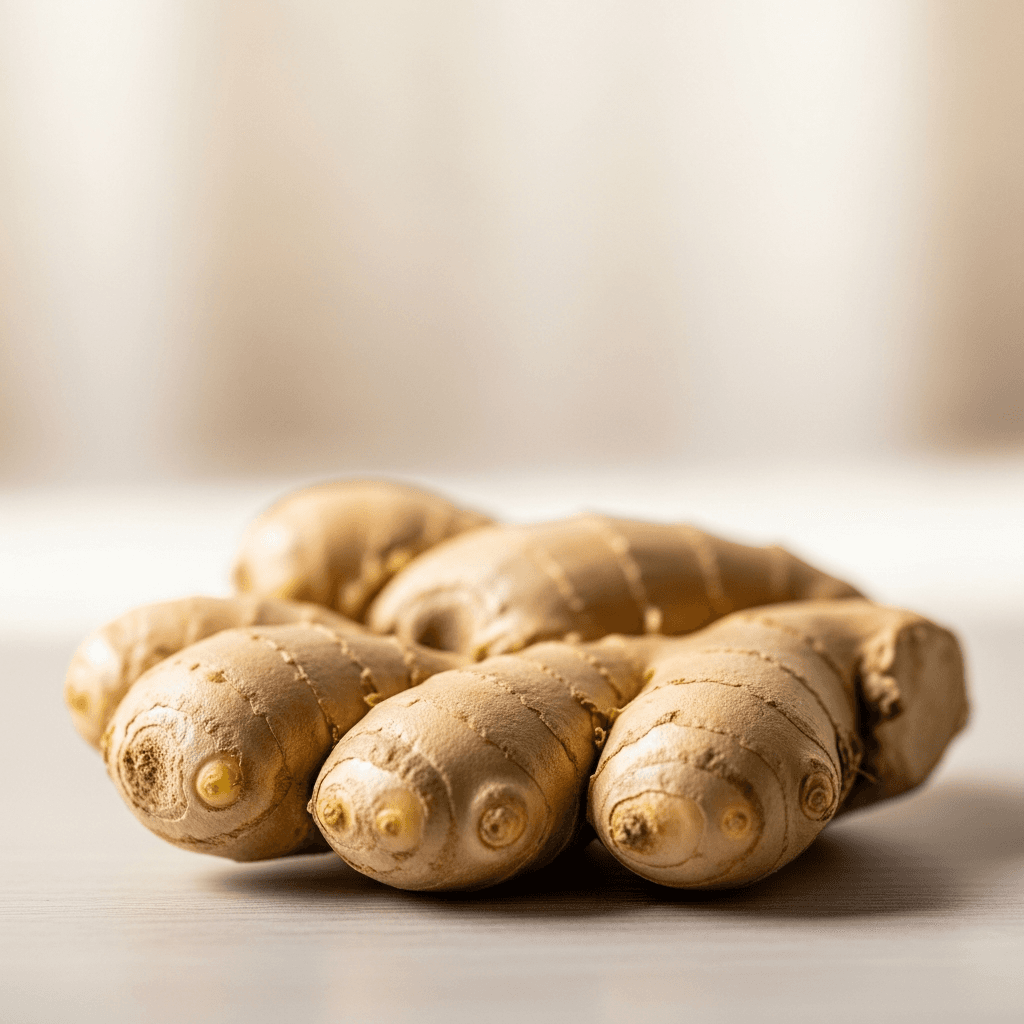
Ginger
Cochrane-supported for pregnancy-related, post-operative, and chemo-induced nausea.
Why
Cochrane-supported for pregnancy-related, post-operative, and chemo-induced nausea. EFSA-recognised for normal digestive function (traditional use).
How it works
Gingerols and shogaols are partial 5-HT3 receptor antagonists (mechanism shared with ondansetron) and prokinetic agents.
Expected onset · Acute effect within hours; cumulative effect over 4 days in pregnancy-nausea trials
How to take
Dosage
Typically 1 g/day in divided doses (250 mg 4 times daily, or 500 mg twice daily) for nausea. Subgroup analyses favour daily doses below 1.5 g.
Timing
Pre-emptively before nausea triggers; with meals for motion sickness
Safety
Evidence
Viljoen 2014 Nutr J meta-analysis (12 RCTs, n=1,278 pregnant women): ginger ≤1.5 g/day significantly reduced nausea on the visual analogue scale (MD 1.20, 95% CI 0.56–1.84, p=0.0002 vs placebo). EMA HMPC monograph also recognises Zingiber officinale for prevention of motion sickness and short-term post-operative nausea.
Where to get it
Shop Ginger on AmazonSponsored · As an Amazon Associate, Healicus earns from qualifying purchases.
 CautionSupplement
Horse chestnut (aescin)
Cochrane-reviewed seed extract for chronic venous insufficiency, comparable to compression stockings for leg oedema and aching.
Why
Horse chestnut (Aesculus hippocastanum) seed extract, standardised to aescin (escin), holds an EMA Well-Established Use monograph for symptomatic treatment of chronic venous insufficiency. The Cochrane review concluded that horse chestnut seed extract is an effective short-term treatment for symptoms of CVI, with effects on leg pain and oedema comparable to compression stockings.
How it works
Aescin inhibits hyaluronidase and elastase activity, sealing venous endothelial pores and reducing transcapillary leakage. Modulates inflammatory cytokine release and has venotonic effect, increasing venous tone. The standardised extract has a sustained-release form that improves tolerability.
Expected onset · Leg pain and heaviness within 2–4 weeks; oedema within 4–8 weeks
How to take
Dosage
Standardised seed extract: 50 mg aescin twice daily (300–600 mg extract twice daily). Sustained-release forms once daily where available.
Timing
Twice daily with food
On the label
Standardised to '50 mg aescin per dose' or '~16% triterpene glycosides'. Named preparations: Venoplant, Venostasin, Aesculaforce.
Ideal for
Adults with chronic venous insufficiency (heavy, aching legs; ankle oedema; nocturnal cramps; varicose vein discomfort).
Safety
Evidence
Cochrane 2012 SR (17 RCTs, n=1,575): horse chestnut seed extract significantly reduced leg pain, leg volume and leg oedema in chronic venous insufficiency vs placebo, with effects comparable to compression stockings in head-to-head trials. EMA classifies the seed extract as Well-Established Use, the highest regulatory tier for a botanical.
- Pittler & Ernst, Cochrane Database Syst Rev 2012, horse chestnut seed extract for chronic venous insufficiency
- EMA HMPC monograph, Aesculus hippocastanum L., semen (Well-Established Use + Traditional Use)
- Ottillinger & Greeske, BMC Cardiovasc Disord 2001, Aesculus hippocastanum extract vs compression therapy in CVI (RCT)
Where to get it
Shop Horse chestnut (aescin) on AmazonSponsored · As an Amazon Associate, Healicus earns from qualifying purchases.
 CautionSupplement
Iberogast (STW 5)
Nine-herb fixed combination with the strongest RCT base for functional dyspepsia in the natural-medicine catalogue.
Why
Iberogast (STW 5) is a fixed combination of nine herbal extracts, Iberis amara, peppermint, chamomile, caraway, liquorice, lemon balm, angelica, milk thistle, and celandine, sold widely across Europe for functional dyspepsia and IBS. Multiple RCTs and a network meta-analysis place STW 5 alongside cisapride and metoclopramide for global symptom improvement, with a generally favourable safety profile. A 2018 EMA review reaffirmed its benefit/risk balance while strengthening the rare hepatotoxicity warning, celandine content has since been removed in some markets.
How it works
Region-specific dual action on gastric motility, relaxant in the antrum/pylorus (mints, liquorice) and tonic in the proximal stomach (Iberis amara), addressing the impaired gastric accommodation typical of functional dyspepsia. Additional antispasmodic, carminative, and mucosal-protective effects.
Expected onset · Symptom improvement often within 2 weeks; trials run 4–8 weeks
How to take
Dosage
20 drops three times daily before or with meals, for up to 4–8 weeks.
Timing
Before or with each main meal
On the label
STW 5 (original) or STW 5-II (celandine-free), match the form to local availability. Generic 'bitter blends' are not equivalent.
Ideal for
Adults with functional dyspepsia (epigastric discomfort, early satiety, postprandial fullness) or IBS-overlap symptoms.
Safety
Evidence
Ottillinger 2013 Wien Med Wochenschr meta-analysis (6 RCTs, n>500): STW 5 significantly reduced functional dyspepsia symptoms vs placebo, with effect sizes comparable to cisapride and metoclopramide in head-to-head trials. Madisch 2004 Aliment Pharmacol Ther RCT (n=315): GI symptom score reduced 6.9 vs 4.4 points on placebo over 8 weeks. Hepatotoxicity signal led to celandine being reviewed and removed from some formulations.
Where to get it
Shop Iberogast (STW 5) on AmazonSponsored · As an Amazon Associate, Healicus earns from qualifying purchases.
 CautionSupplement
Iodine
Essential trace mineral with EFSA claims for thyroid function and cognitive function, critical in pregnancy, common gap in non-fortified diets.
Why
Iodine is essential for thyroid hormone synthesis (T3, T4). EFSA has authorised health claims for normal thyroid function, normal cognitive function, normal energy-yielding metabolism, and skin maintenance. Deficiency causes goitre and, in pregnancy, irreversible developmental cognitive impairment (cretinism in severe cases, subclinical cognitive deficit in mild cases). Salt iodisation has reduced deficiency in many countries but is incomplete in much of Europe, and vegan/plant-based diets often need supplementation.
How it works
Incorporated into thyroxine (T4) and triiodothyronine (T3) at the thyroid follicular cell apical membrane (TPO-mediated organification). T3/T4 then regulate basal metabolic rate, neurodevelopment, growth, and many other systems.
Expected onset · Thyroid-function effects over weeks; cognitive-developmental outcomes assessed over years (paediatric context)
How to take
Dosage
RDI: 150 µg/day (adults). Pregnancy: 220–250 µg/day. Breastfeeding: 290 µg/day. Avoid sustained intake above 600 µg/day from supplements.
Timing
With or without food
On the label
'Potassium iodide' (basic salt) or 'kelp' (variable iodine content, less predictable). Stated micrograms per dose.
Ideal for
Pregnant and breastfeeding women (highest priority); women planning conception; vegans without seaweed intake; people not using iodised salt; populations in iodine-deficient regions.
Safety
Evidence
EFSA-authorised claims for four functions including thyroid and cognition. Bath 2013 Lancet UK ALSPAC analysis: even mild gestational iodine deficiency was associated with reduced child verbal IQ at 8 years, anchors the pregnancy supplementation rationale. Zimmermann 2011 Nat Rev Endocrinol systematic review confirms the cognitive-developmental impact of mild-to-moderate iodine deficiency.
- EFSA Reg 432/2012 authorised claims, iodine and thyroid function, cognitive function, energy-yielding metabolism, skin maintenance
- Bath et al., Lancet 2013, effect of inadequate iodine status in UK pregnant women on cognitive outcomes in their children (ALSPAC, n=1,040)
- Zimmermann, Nat Rev Endocrinol 2011, the role of iodine in human growth and development (review)
Where to get it
Shop Iodine on AmazonSponsored · As an Amazon Associate, Healicus earns from qualifying purchases.
 CautionSupplement
Iron (ferrous bisglycinate)
Cochrane evidence supports iron supplementation in iron-deficiency anaemia for fatigue.
Why
Cochrane evidence supports iron supplementation in iron-deficiency anaemia for fatigue. Don't supplement blindly: test ferritin and saturation first.
How it works
Component of haemoglobin; oxygen transport and mitochondrial electron-transport chain function depend on adequate iron stores.
Expected onset · Haemoglobin rise within 2–4 weeks; full repletion of ferritin typically takes 3–6 months
How to take
Dosage
Typical adult treatment: 40–80 mg elemental iron daily or every-other-day (alternate-day dosing now favoured for better absorption). Bisglycinate forms are gentler on the gut. Always test ferritin and transferrin saturation first.
Timing
Morning, on empty stomach, with vitamin C; not with coffee, tea, calcium, or zinc
Safety
Evidence
Houston 2018 BMJ Open systematic review (4 RCTs, n=714 non-anaemic iron-deficient adults): oral iron reduced self-reported fatigue (SMD -0.38, 95% CI -0.52 to -0.23), but did not improve objective exercise capacity. Stoffel 2017 Lancet Haematol shows alternate-day dosing actually increases fractional absorption vs daily dosing.
Where to get it
Shop Iron (ferrous bisglycinate) on AmazonSponsored · As an Amazon Associate, Healicus earns from qualifying purchases.
 CautionSupplement
Ivy leaf
EMA Well-Established Use monograph for productive cough, the leading paediatric herbal expectorant in Europe.
Why
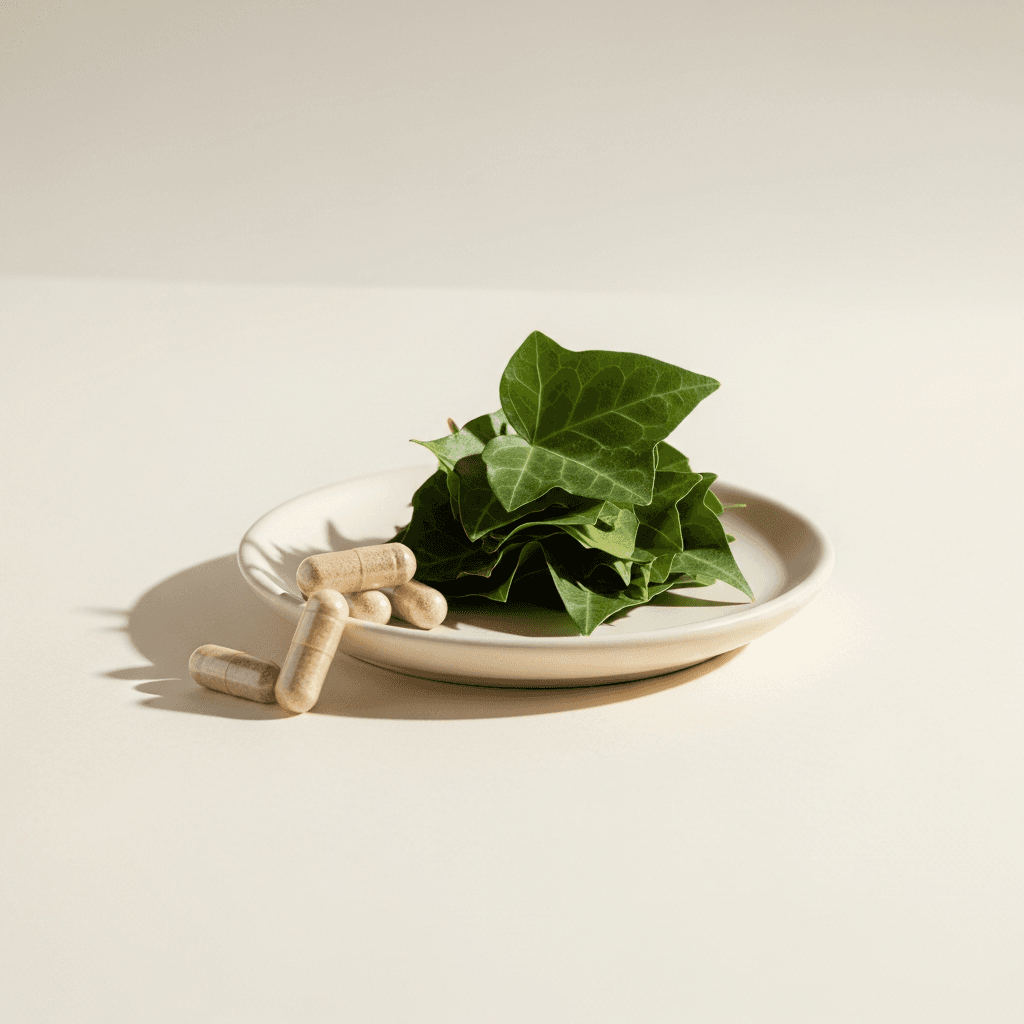
Ivy leaf (Hedera helix) extract holds an EMA Well-Established Use monograph for productive cough, the higher regulatory tier requiring bibliographic evidence of clinical efficacy. The standardised extract EA 575 (Prospan) is one of the most-prescribed herbal expectorants in German and European paediatric practice. RCTs in children with acute bronchitis report symptom improvement comparable to ambroxol.
How it works
Saponins (hederagenin, α-hederin) reduce bronchial mucus viscosity and stimulate β2-adrenoceptor signalling in airway smooth muscle, producing mild bronchodilation and mucolytic effect without the dry-cough adverse effect of suppressants.
Expected onset · Symptom improvement often within 4–7 days
How to take
Dosage
EA 575 syrup: paediatric doses banded by age (e.g. 2.5 ml 3 times daily for ages 1–5). Adult dose: 5–7.5 ml three times daily. Dry extract tablets: 35 mg twice daily.
Timing
Three times daily during symptomatic phase
On the label
EA 575 (Prospan) or extracts standardised to '5–7.5:1 ethanol extract' or with stated hederacoside C content. Generic ivy syrups vary widely.
Ideal for
Adults and children (typically aged 1+ depending on local product) with productive cough associated with acute bronchitis or upper respiratory tract infection.
Safety
Evidence
EMA HMPC classifies ivy leaf extract as Well-Established Use for productive cough, the higher regulatory tier for botanicals, requiring bibliographic evidence of clinical efficacy. Holzinger 2011 systematic review of 10 trials (n>17,000 children): symptom improvement comparable to ambroxol, favourable safety profile. The dominant herbal expectorant in European paediatrics.
Where to get it
Shop Ivy leaf on AmazonSponsored · As an Amazon Associate, Healicus earns from qualifying purchases.
 CautionSupplement
Konjac glucomannan
EFSA-authorised soluble fibre for cholesterol reduction and for weight loss in the context of an energy-restricted diet.
Why
Glucomannan (from the konjac root, Amorphophallus konjac) is a highly viscous soluble fibre with two EFSA-authorised health claims, for the maintenance of normal blood cholesterol (≥4 g/day) and for weight loss in the context of an energy-restricted diet (≥3 g/day before meals). Effect on LDL is modest but consistent; weight-loss effect is small in absolute terms but EFSA-recognised.
How it works
Absorbs water in the stomach to form a viscous gel, slowing gastric emptying and promoting satiety, basis of the weight-loss claim. In the small intestine, binds bile acids and slows nutrient absorption, basis of the cholesterol claim.
Expected onset · Satiety acute; LDL changes over 4–6 weeks
How to take
Dosage
LDL reduction: 4 g/day, split. Weight loss: 1 g three times daily with at least 1–2 glasses of water, taken 15–30 min before meals.
Timing
Before meals, with substantial water
On the label
Powder or capsules (not pre-formed tablets), pre-formed tablets carry choking risk. Stated glucomannan content per dose.
Ideal for
Adults with mild dyslipidaemia or seeking adjunct satiety support during weight loss; people with constipation looking for a soluble fibre option distinct from psyllium.
Safety
Evidence
EFSA authorised both the cholesterol claim (≥4 g/day) and the weight-loss claim (≥3 g/day in energy-restricted context). Sood 2008 Am J Clin Nutr meta-analysis: glucomannan reduced total cholesterol by 0.5 mmol/L and LDL by 0.4 mmol/L vs control. Weight effect is modest but real, clinical magnitude smaller than EFSA authorisation alone suggests.
- EFSA Reg 432/2012 authorised claims, glucomannan (konjac mannan): maintenance of normal blood cholesterol; contribution to weight loss in the context of an energy-restricted diet
- Sood et al., Am J Clin Nutr 2008, effect of glucomannan on plasma lipid and glucose concentrations, body weight, and blood pressure: meta-analysis
- Onakpoya et al., J Am Coll Nutr 2014, efficacy of glucomannan supplementation in overweight and obesity: meta-analysis
Where to get it
Shop Konjac glucomannan on AmazonSponsored · As an Amazon Associate, Healicus earns from qualifying purchases.
 CautionSupplement
Lactobacillus rhamnosus GG (LGG)
Most-studied single probiotic strain, Cochrane support for paediatric acute infectious diarrhoea and AAD prevention.
Why
Lactobacillus rhamnosus GG (LGG, strain ATCC 53103) is the single most-studied probiotic strain in the world, with over 1,000 RCTs across multiple indications. The strongest evidence is for acute paediatric infectious diarrhoea (where Cochrane found ~1 day shortening of duration) and for antibiotic-associated diarrhoea prevention. Smaller bodies support use in atopic eczema prevention in high-risk infants and in C. difficile-positive diarrhoea.
How it works
Surface SpaCBA pili mediate adherence to intestinal mucus, displacing pathogens by competitive exclusion. Bacteriocin secretion inhibits Gram-negative pathogens. Stimulates IgA secretion and modulates Treg/Th17 balance, basis of the atopic prevention signal.
Expected onset · Acute diarrhoea: 1–2 days. AAD prevention: requires concurrent dosing.
How to take
Dosage
Acute diarrhoea: 10¹⁰ CFU twice daily for 5–7 days. AAD prevention: 10⁹–10¹⁰ CFU/day during antibiotic course and 1 week after. Capsules and sachets dose by CFU not weight.
Timing
Daily; with or without food; separate from antibiotic by 2 hours where possible
On the label
Stated 'L. rhamnosus GG' or 'LGG' or 'ATCC 53103', strain identity matters (different L. rhamnosus strains are not equivalent). CFU dose stated at end of shelf life, not at manufacture.
Ideal for
Children with acute infectious diarrhoea (alongside oral rehydration); children and adults starting antibiotic courses; high-risk infants for eczema prevention (with paediatric guidance).
Safety
Evidence
Szajewska 2019 Aliment Pharmacol Ther meta-analysis (15 RCTs, n=2,963): LGG reduced acute paediatric diarrhoea duration by ~1 day and stool frequency on day 2 vs placebo. Cochrane 2017 SR confirmed reduction in AAD risk. ESPGHAN paediatric guideline lists LGG as one of two probiotics with sufficient evidence to recommend for acute gastroenteritis adjunctive use.
- Szajewska et al., Aliment Pharmacol Ther 2019, L. rhamnosus GG for treating acute paediatric gastroenteritis: updated meta-analysis
- Goldenberg et al., Cochrane Database Syst Rev 2017, probiotics for prevention of pediatric AAD
- Hojsak et al., J Pediatr Gastroenterol Nutr 2018, guidance on use of probiotics in clinical practice in children with selected clinical conditions and for prevention of disease
Where to get it
Shop Lactobacillus rhamnosus GG (LGG) on AmazonSponsored · As an Amazon Associate, Healicus earns from qualifying purchases.
 CautionSupplement
Lutein + zeaxanthin
Macular carotenoids with NEJM/JAMA-tier RCT support (AREDS2) for slowing age-related macular degeneration progression.
Why
Lutein and zeaxanthin are dietary carotenoids that concentrate in the macula of the retina, the macular pigment. The AREDS2 trial (Chew JAMA 2013, n=4,203) tested lutein 10 mg + zeaxanthin 2 mg daily in adults at intermediate or advanced AMD; the lutein/zeaxanthin combination significantly reduced progression to advanced AMD in subjects with low dietary intake. Lutein/zeaxanthin is now part of the AMD nutritional standard of care and replaced beta-carotene in the AREDS2 formulation (lower lung cancer risk in former smokers).
How it works
Filter blue light at the macula and quench reactive oxygen species generated by photoreceptor metabolism. Cross the blood-retinal barrier and concentrate in macular pigment, increasing optical density and contrast sensitivity.
Expected onset · Macular pigment optical density changes over 3–6 months; AMD progression endpoints over 3–5 years
How to take
Dosage
AREDS2 dose: 10 mg lutein + 2 mg zeaxanthin per day. Higher doses (up to 20 mg lutein) have been used in shorter trials without added benefit.
Timing
Once daily with a meal containing fat for absorption
On the label
10 mg lutein + 2 mg zeaxanthin (AREDS2 dose). Free-form (FloraGLO) or from marigold extract (Tagetes erecta).
Ideal for
Adults with intermediate or advanced AMD in one eye; people with low dietary intake of leafy greens (the principal food source); adults with strong family history of AMD as nutritional risk-reduction.
Safety
Evidence
AREDS2 (Chew 2013 JAMA, n=4,203 AMD patients): 10 mg lutein + 2 mg zeaxanthin daily reduced progression to advanced AMD by ~10% overall and by ~26% in subjects with low baseline dietary intake. Wu 2015 25-year follow-up confirmed dietary lutein/zeaxanthin intake correlated with reduced AMD incidence. AREDS2 dose now replaces beta-carotene in the standard formulation.
- Age-Related Eye Disease Study 2 (AREDS2) Research Group, JAMA 2013, lutein + zeaxanthin and omega-3 fatty acids for AMD progression (RCT, n=4,203)
- Chew et al., Ophthalmology 2014, secondary analyses of the effects of lutein/zeaxanthin on AMD progression: AREDS2 report no. 3
- Wu et al., JAMA Ophthalmol 2015, intakes of lutein, zeaxanthin and other carotenoids and AMD risk: 25-year follow-up
Where to get it
Shop Lutein + zeaxanthin on AmazonSponsored · As an Amazon Associate, Healicus earns from qualifying purchases.
 CautionSupplement
Magnesium citrate / oxide (constipation + general)
Osmotic-effect magnesium forms, distinct from glycinate's sleep use, useful for occasional constipation and as general magnesium supplementation.
Why
Magnesium citrate and magnesium oxide are widely-used non-stimulant osmotic laxatives at higher doses, and general magnesium-deficiency supplements at lower doses. EFSA-authorised claims cover magnesium's contribution to normal muscle function, normal nervous system function, reduction in tiredness and fatigue, and electrolyte balance. Citrate is better-absorbed than oxide; oxide is cheaper and has stronger osmotic-laxative effect at high doses.
How it works
Magnesium ions are osmotically active in the gut lumen, drawing water in and softening stool. Systemically absorbed magnesium is a cofactor in over 300 enzymatic reactions, energy production (ATP), nerve conduction, muscle contraction, and calcium homeostasis.
Expected onset · Laxative effect within 6–24 hours; general supplementation effects emerge over weeks
How to take
Dosage
Constipation: 200–400 mg elemental magnesium at bedtime or split. General supplementation: 200–400 mg elemental magnesium/day. Note total includes magnesium from food.
Timing
Constipation use: bedtime. General use: with meals.
On the label
'Magnesium citrate' (better absorbed) or 'magnesium oxide' (stronger laxative). Stated elemental magnesium per dose (not salt weight). For sleep/relaxation use, see magnesium-glycinate.
Ideal for
Adults with occasional constipation; adults with low magnesium intake; people with muscle cramps, tension, or low-grade fatigue (general supplementation use).
Safety
Evidence
EFSA authorised four separate claims for magnesium, muscle, nervous system, tiredness/fatigue, electrolyte balance, the highest regulatory tier in EU food law. Mori 2019 Sci Rep RCT (n=34 chronic constipation): magnesium oxide 1.5 g/day significantly improved stool frequency, consistency and QoL over 28 days. Walker 2003 confirmed superior bioavailability of citrate vs oxide.
- EFSA Reg 432/2012 authorised claims, magnesium and muscle function, nervous system, tiredness/fatigue, electrolyte balance
- Mori et al., Sci Rep 2019, magnesium oxide in chronic constipation: RCT comparison with placebo
- Walker et al., Magnes Res 2003, magnesium citrate bioavailability in healthy subjects
Where to get it
Shop Magnesium citrate / oxide (constipation + general) on AmazonSponsored · As an Amazon Associate, Healicus earns from qualifying purchases.
 CautionSupplement
Multi-strain probiotics
Cochrane: multi-strain probiotics reduce antibiotic-associated diarrhoea and C.
Why
Cochrane: multi-strain probiotics reduce antibiotic-associated diarrhoea and C. diff risk. Strain-specific evidence for IBS (Bifidobacterium infantis 35624).
How it works
Diverse strain combinations colonise the gut transiently and produce strain-specific immunomodulatory and barrier-supportive effects. Cochrane evidence is strongest for antibiotic-associated diarrhoea prevention.
Expected onset · C. diff-prevention effect requires use throughout the antibiotic course
How to take
Dosage
For C. difficile prevention during antibiotics: ≥10 billion CFU/day, started within 2 days of antibiotic initiation, continued through and 5–7 days beyond the antibiotic course.
Timing
Separate from antibiotic dose by 2 hours; with or just after a meal
Safety
Evidence
Goldenberg 2017 Cochrane review (39 trials, n=9,955 adults and children on antibiotics): probiotics started within 2 days of antibiotic initiation reduced the incidence of C. difficile-associated diarrhoea from 4.0% to 1.5% (RR 0.40, 95% CI 0.30–0.52), NNT around 42, but the relative risk reduction is large in high-risk settings. Moderate-certainty evidence.
Where to get it
Shop Multi-strain probiotics on AmazonSponsored · As an Amazon Associate, Healicus earns from qualifying purchases.
 CautionSupplement
N-acetylcysteine (NAC)
Cochrane-supported mucolytic for COPD exacerbations; precursor to glutathione with emerging psychiatry signal.
Why
N-acetylcysteine (NAC) is a mucolytic precursor of glutathione, used clinically since the 1960s. The Cochrane review of NAC in chronic bronchitis and COPD found a modest but real reduction in exacerbation frequency at 1,200 mg/day. Separately, NAC is the standard antidote for paracetamol overdose. A newer body of psychiatry RCTs supports adjunctive use in OCD, trichotillomania, and bipolar depression, though psychiatric indications remain off-label.
How it works
Free thiol group disrupts mucin disulfide bridges (mucolytic effect). Provides cysteine for hepatic glutathione synthesis, the body's principal endogenous antioxidant. Modulates glutamate signalling via the cystine-glutamate antiporter, which underlies the psychiatric signal.
Expected onset · Mucolytic effect within days; exacerbation-reduction effects assessed over 6–12 months
How to take
Dosage
Mucolytic / COPD: 600 mg twice daily (1,200 mg/day total). Higher doses up to 2,400 mg/day used in psychiatric trials.
Timing
With or away from meals; effervescent forms have higher bioavailability
On the label
'N-acetyl-L-cysteine' or 'NAC' with stated milligrams. Effervescent forms (e.g. Fluimucil) have the most consistent absorption data.
Ideal for
Adults with chronic bronchitis or COPD with frequent exacerbations; people seeking glutathione precursor support.
Safety
Evidence
Cazzola 2015 Pulm Pharmacol Ther meta-analysis (13 RCTs, n>4,000): NAC 1,200 mg/day reduced COPD exacerbations vs placebo (rate ratio ~0.75). Cochrane 2019 SR on mucolytics in chronic bronchitis confirmed reduction in exacerbations and rescue antibiotic use. Psychiatric signal (OCD, trichotillomania, bipolar) is consistent but indications remain off-label.
- Cazzola et al., Pulm Pharmacol Ther 2015, N-acetylcysteine for COPD exacerbations: systematic review and meta-analysis
- Poole et al., Cochrane Database Syst Rev 2019, mucolytic agents versus placebo for chronic bronchitis or COPD
- Berk et al., Biol Psychiatry 2008, NAC as adjunctive treatment in bipolar depression (RCT)
Where to get it
Shop N-acetylcysteine (NAC) on AmazonSponsored · As an Amazon Associate, Healicus earns from qualifying purchases.
 CautionSupplement
Pelargonium (EPs 7630)
Cochrane-supported South African geranium root extract for acute bronchitis, strongest RCT base of any herbal cough product.
Why
Pelargonium sidoides root (extract EPs 7630, sold as Umckaloabo) has the strongest RCT base of any herbal product for acute respiratory infections. The Cochrane review of 10 RCTs in adults and children found significant reductions in bronchitis symptom severity, faster return to work or school, and reduced antibiotic use versus placebo. Effect is modest but consistent and the safety profile is favourable in standard use.
How it works
Antiviral activity against respiratory viruses (rhinovirus, coronavirus, influenza, RSV), blocks viral attachment and replication in vitro. Stimulates ciliary beat frequency in respiratory epithelium, enhances macrophage phagocytosis, and induces interferon-β.
Expected onset · Symptom reduction often within 4–7 days
How to take
Dosage
EPs 7630 liquid: 30 drops three times daily for 7 days (adults). Tablets: 20 mg three times daily. Children's doses are weight-banded and product-specific.
Timing
Three times daily, away from meals if possible
On the label
Look specifically for 'EPs 7630' or 'Umckaloabo', generic Pelargonium products vary widely and may not deliver the studied extract.
Ideal for
Adults and children (over 6 years) with acute uncomplicated bronchitis or upper respiratory tract infection.
Safety
Evidence
Cochrane 2013 SR (10 RCTs, n>2,000 adults and children): EPs 7630 significantly reduced bronchitis symptom severity (BSS score) vs placebo and shortened time to symptom resolution. Effect demonstrated for acute bronchitis, sinusitis, and common cold. Pelargonium is the herbal product with the most consistent RCT evidence in respiratory infection.
Where to get it
Shop Pelargonium (EPs 7630) on AmazonSponsored · As an Amazon Associate, Healicus earns from qualifying purchases.
 CautionSupplement
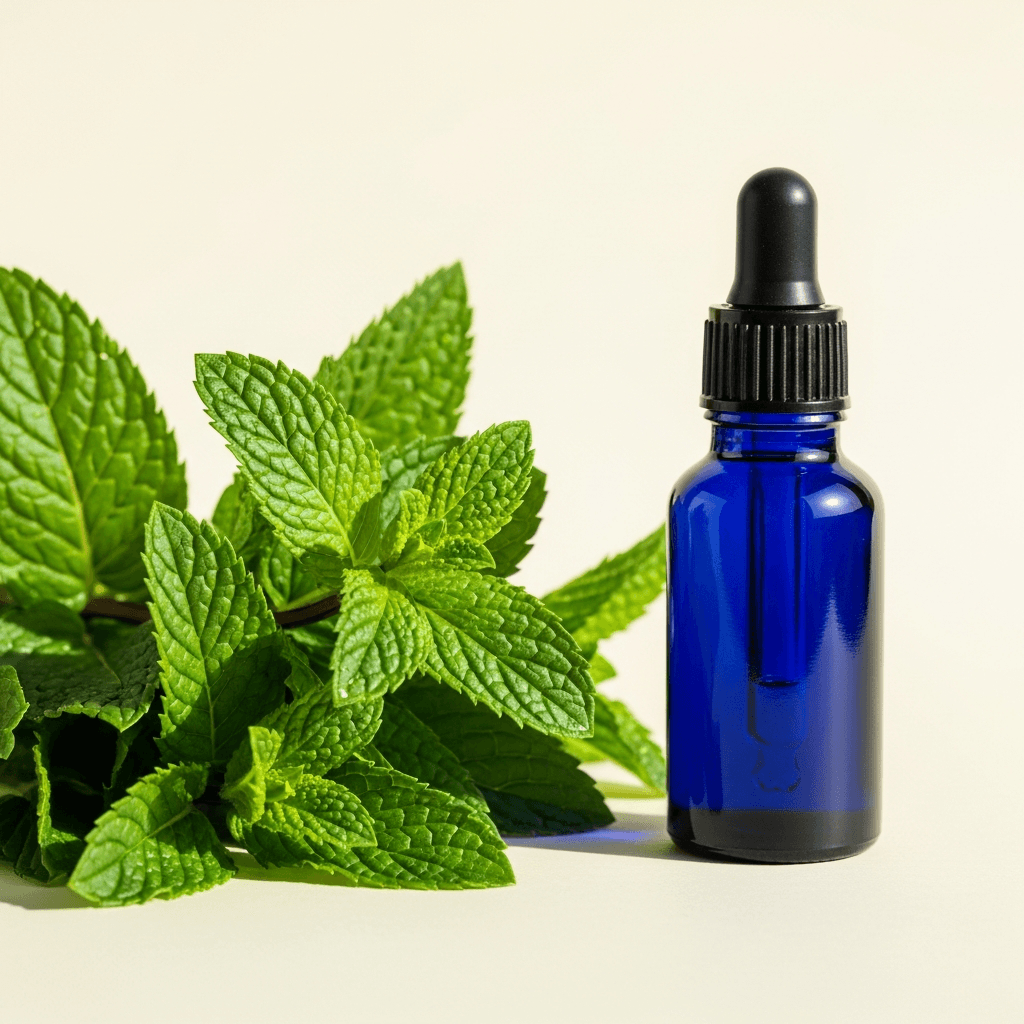
Peppermint oil
Strongest evidence in the natural-medicine catalogue for IBS.
Why
Strongest evidence in the natural-medicine catalogue for IBS. Multiple meta-analyses confirm benefit for pain and global symptom improvement.
How it works
Menthol blocks calcium influx in intestinal smooth muscle, producing antispasmodic effect. Enteric coating is essential, uncoated formulations release in the stomach and worsen reflux.
Expected onset · Symptom relief often within 2 weeks; standard trial duration is 4–12 weeks
How to take
Dosage
Enteric-coated capsule: 180–225 mg three times daily, taken 30–60 min before meals, for up to 4–12 weeks.
Timing
30–60 min before meals
On the label
Enteric-coated capsules of standardised peppermint oil, not uncoated capsules or tea.
Safety
Evidence
Ingrosso 2022 Aliment Pharmacol Ther network meta-analysis of IBS treatments: enteric-coated peppermint oil ranked among the most effective interventions for global IBS symptoms and abdominal pain, with an NNT of 4, better than most prescription antispasmodics. Enteric coating is essential; uncoated formulations worsen reflux.
Where to get it
Shop Peppermint oil on AmazonSponsored · As an Amazon Associate, Healicus earns from qualifying purchases.
 CautionSupplement
Plant sterols / stanols (phytosterols)
EFSA-authorised LDL-lowering at 1.5–3 g/day, additive to statins and to dietary changes.
Why
Plant sterols (β-sitosterol, campesterol, stigmasterol) and stanols (saturated equivalents) are structurally similar to cholesterol but poorly absorbed. EFSA has authorised health claims that plant sterols and stanols at 1.5–3 g/day lower blood cholesterol and that this effect is additive to statin therapy. Commercial vehicles include enriched margarines (Benecol, Becel pro.activ), yoghurt drinks, and concentrated supplements.
How it works
Compete with cholesterol for incorporation into mixed micelles in the small intestine, reducing both dietary and biliary cholesterol absorption. Effect saturates above ~3 g/day. Independent of statin mechanism, additive when combined.
Expected onset · LDL reduction at 2–3 weeks; full effect by 8 weeks
How to take
Dosage
1.5–3 g/day plant sterols or stanols, with meals. Higher doses (>3 g/day) do not produce greater LDL reduction.
Timing
Split across 2–3 main meals containing fat for absorption competition
On the label
Stated plant sterol or stanol content (1.5–3 g effective range). Esterified forms in fortified spreads are well-studied; supplement capsules need higher doses to achieve same intake.
Ideal for
Adults with elevated LDL cholesterol; on statin therapy looking for additional LDL reduction; family hypercholesterolaemia.
Safety
Evidence
EFSA-authorised health claims at 1.5–3 g/day lower blood cholesterol, the highest regulatory tier in EU food law, with a separate authorisation acknowledging the additive effect to statins. Demonty 2009 dose-response meta-analysis: each 1 g/day reduced LDL by ~0.094 mmol/L, plateauing at ~3 g/day. Ras 2014 confirmed effect across dose ranges and product forms.
- EFSA Reg 376/2010 authorised claims, plant sterols/stanols 1.5–3 g/day lower blood cholesterol (cardiovascular health)
- Demonty et al., J Nutr 2009, continuous dose-response relationship of the LDL-cholesterol-lowering effect of phytosterol intake
- Ras et al., Br J Nutr 2014, LDL-cholesterol-lowering effect of plant sterols and stanols across different dose ranges: meta-analysis
Where to get it
Shop Plant sterols / stanols (phytosterols) on AmazonSponsored · As an Amazon Associate, Healicus earns from qualifying purchases.
 CautionSupplement
Potassium
Essential mineral with EFSA claims for blood pressure, muscle and nervous-system function, DASH-style intake from food carries the strongest cardiovascular evidence.
Why
Potassium is essential for cellular resting membrane potential, muscle and nerve function, and blood-pressure regulation. EFSA has authorised health claims for maintenance of normal blood pressure, normal muscle function, and normal nervous system function. The strongest cardiovascular evidence comes from dietary potassium intake (DASH trial, observational cohorts) rather than from supplements. Supplements are typically reserved for clinical contexts (loop or thiazide diuretic-induced hypokalaemia) and are dose-limited by EU regulation (<99 mg/dose for OTC).
How it works
Major intracellular cation, generates the resting membrane potential across cell membranes (Na/K-ATPase). Counters sodium-mediated volume retention and blood-pressure elevation. Essential for muscle contraction, nerve conduction and cardiac rhythm.
Expected onset · BP effects over 4–8 weeks at adequate dietary intake; clinical hypokalaemia correction faster
How to take
Dosage
Adequate intake (EFSA): 3,500 mg/day from diet (5 portions fruit/veg ≈ 2,500–3,500 mg). OTC supplements limited to <99 mg per dose in many markets. Prescription doses higher under medical supervision.
Timing
With food
On the label
Potassium citrate, gluconate, or chloride, stated elemental potassium per dose. Coconut water, leafy greens, beans, potatoes, and bananas are higher-density food sources.
Ideal for
Adults with low dietary potassium intake (typical Western diet); people on thiazide or loop diuretics under medical supervision; adjunct to DASH-style dietary approach for hypertension.
Safety
Evidence
EFSA-authorised claims for BP, muscle and nervous system function. Aburto 2013 BMJ meta-analysis: higher potassium intake reduced systolic BP by 3.5 mmHg in hypertensives, and 24% lower stroke risk in observational data. DASH-Sodium 2001 NEJM established the dietary-pattern blood-pressure benefit. Strongest signal is dietary intake; supplements are clinical-context.
- EFSA Reg 432/2012 authorised claims, potassium and blood pressure, muscle function, nervous system function
- Aburto et al., BMJ 2013, effect of increased potassium intake on cardiovascular risk factors and disease: systematic review and meta-analysis
- Sacks et al., NEJM 2001, DASH-Sodium trial: effects on blood pressure of reduced dietary sodium and the DASH dietary pattern (RCT)
Where to get it
Shop Potassium on AmazonSponsored · As an Amazon Associate, Healicus earns from qualifying purchases.
 CautionSupplement
Prebiotic fibre (inulin / FOS / GOS)
Soluble fermentable fibres that selectively feed bifidobacteria, the EFSA-recognised bifidogenic effect.
Why
Inulin, fructooligosaccharides (FOS) and galactooligosaccharides (GOS) are non-digestible fermentable carbohydrates that pass undigested into the colon, where they are selectively fermented by bifidobacteria and lactobacilli, the so-called bifidogenic effect. EFSA has issued opinions accepting chicory inulin's effect on bowel function and the general bifidogenic effect of FOS and GOS, though authorised health claims under Reg 432/2012 are narrower. Effects include increased stool frequency in mild constipation, improved mineral absorption, and modulation of postprandial glucose.
How it works
Resistant to upper-GI digestion; fermented by colonic Bifidobacterium and Lactobacillus species into short-chain fatty acids (acetate, propionate, butyrate). SCFA acidification suppresses pathogens, supports colonocyte energy supply, and modulates gut-derived satiety signalling (PYY, GLP-1).
Expected onset · Bifidobacteria changes within days; stool form changes within 1–2 weeks
How to take
Dosage
Start at 3–5 g/day and titrate upwards as tolerated. Maintenance: 5–15 g/day. Chicory inulin's EFSA-recognised bowel-function effect uses ≥12 g/day.
Timing
Once or twice daily, with or away from meals
On the label
'Chicory inulin', 'FOS', 'GOS', 'oligofructose' with stated grams per dose. Larch arabinogalactan and partially hydrolysed guar gum are alternative gentler prebiotics.
Ideal for
Adults with mild constipation, low microbiota diversity, or seeking to support general gut microbiota health alongside dietary fibre.
Safety
Evidence
EFSA NDA Panel 2015 accepted a cause-and-effect relationship between chicory inulin (≥12 g/day) and maintenance of normal defaecation through increased stool frequency. Multiple meta-analyses confirm increases in bifidobacteria abundance at 5–20 g/day across FOS, GOS and inulin. Strong mechanistic base; modest clinical-symptom effects in healthy adults.
- EFSA NDA Panel, EFSA J 2015, scientific opinion on chicory inulin and contribution to normal bowel function (≥12 g/day)
- Slavin, Nutrients 2013, fiber and prebiotics: mechanisms and health benefits (review)
- Davani-Davari et al., Foods 2019, prebiotics: definition, types, sources, mechanisms, and clinical applications
Where to get it
Shop Prebiotic fibre (inulin / FOS / GOS) on AmazonSponsored · As an Amazon Associate, Healicus earns from qualifying purchases.
CautionSupplementProbiotics
Cochrane review: probiotics reduce upper respiratory infection incidence and antibiotic use modestly.
Why
Cochrane review: probiotics reduce upper respiratory infection incidence and antibiotic use modestly. Strain matters, use multi-strain or specific evidence-anchored strain.
How it works
Strain-specific modulation of gut and respiratory mucosal immunity. Cochrane reviews support modest reductions in upper-respiratory-infection incidence and antibiotic-associated diarrhoea.
Expected onset · URI-prevention benefit emerges over weeks to months of daily use
How to take
Dosage
Typically 10–50 billion CFU/day; exact dose depends on strain and indication. Follow product label.
Timing
With or just after a meal
Safety
Evidence
Zhao 2022 Cochrane review on probiotics for preventing acute upper-respiratory-tract infections found that probiotics probably reduce the number of people experiencing an URTI episode and antibiotic use vs placebo. Effect is modest and strain-specific, Cochrane rated the certainty of evidence as low to moderate.
Where to get it
Shop Probiotics on AmazonSponsored · As an Amazon Associate, Healicus earns from qualifying purchases.
 CautionSupplement
Psyllium husk
EFSA-authorised soluble fibre, strongest plant-based evidence for cholesterol, regularity, and IBS symptoms.
Why
Psyllium husk (Plantago ovata) is the most-evidenced soluble fibre in routine clinical use. It holds an EFSA authorised health claim for cholesterol maintenance, Cochrane-level evidence for chronic constipation, and meta-analysis support for global IBS symptom improvement. Used routinely in primary-care gastroenterology guidelines for both constipation-predominant and diarrhoea-predominant IBS.
How it works
Soluble fibre that forms a viscous gel in the gut, slowing carbohydrate absorption, binding bile acids (lowering LDL via increased hepatic cholesterol-to-bile conversion), normalising stool form, and feeding short-chain-fatty-acid-producing colonic bacteria.
Expected onset · Stool form effects within 1–3 days; cholesterol effects emerge over 4–8 weeks
How to take
Dosage
3.5–10 g of psyllium husk per dose, 1–3 times daily, always with 250 ml water or more per dose. For cholesterol, 7 g/day or more is the EFSA-cited threshold.
Timing
With or between meals; cholesterol effect requires taking before or with meals
On the label
'Psyllium husk' or 'ispaghula husk', pure husk, not seed flour. Granules and capsules both work; ensure adequate water either way.
Ideal for
Adults with chronic constipation, IBS (either subtype), or elevated LDL cholesterol; people aiming to raise dietary fibre.
Safety
Evidence
EFSA authorised the claim that psyllium contributes to maintenance of normal blood cholesterol (≥7 g/day), the highest regulatory tier in EU food law. Moayyedi 2014 Am J Gastroenterol meta-analysis: psyllium gave the most consistent IBS symptom benefit of any soluble fibre, NNT=7. Christodoulides 2016 systematic review confirmed benefit for chronic constipation across stool frequency, consistency, and straining.
- EFSA authorised health claim, 'Psyllium husk contributes to the maintenance of normal blood cholesterol concentrations' (Reg 432/2012)
- Christodoulides et al., Aliment Pharmacol Ther 2016, systematic review of psyllium for chronic constipation
- Moayyedi et al., Am J Gastroenterol 2014, fibre for IBS systematic review (psyllium NNT=7)
Where to get it
Shop Psyllium husk on AmazonSponsored · As an Amazon Associate, Healicus earns from qualifying purchases.
 CautionSupplement
Red yeast rice (monacolin K)
Fermented rice product containing monacolin K, chemically identical to lovastatin, with strong LDL-lowering RCT signal and statin-equivalent safety profile.
Why
Red yeast rice (Monascus purpureus fermented rice) contains monacolin K, a natural HMG-CoA reductase inhibitor structurally and functionally identical to the prescription statin lovastatin. Meta-analyses report LDL reductions of 15–25% at clinically used doses, comparable to low-dose statin monotherapy. Because the active is a statin in everything but name, safety considerations are the same, myopathy, rhabdomyolysis case reports, liver enzyme elevation, and statin drug interactions all apply. EFSA in 2022 set a strict limit of <3 mg monacolin K/day in food supplements; medicinal product registration is required above that.
How it works
Monacolin K inhibits HMG-CoA reductase, the rate-limiting enzyme in hepatic cholesterol synthesis, increasing LDL-receptor expression and clearance of circulating LDL. Identical pharmacology to lovastatin.
Expected onset · LDL changes over 6–8 weeks
How to take
Dosage
EFSA-permitted: <3 mg monacolin K/day from food supplements. Historical RCT doses delivered 5–10 mg monacolin K/day under medicinal regulation. Always with a clinician.
Timing
Once daily with evening meal
On the label
Stated monacolin K content per serving (EFSA limit <3 mg/day). Certified citrinin-free. Treat as a medication, not a casual supplement.
Ideal for
Adults with mild-moderate hypercholesterolaemia who decline a pharmaceutical statin, after specialist evaluation, not for self-management without clinical supervision.
Safety
Evidence
Gerards 2015 Atherosclerosis meta-analysis (20 RCTs, n=6,663): red yeast rice reduced LDL by 1.02 mmol/L (~25%) vs placebo, comparable to low-dose statin monotherapy. Becker 2009 Ann Intern Med RCT in statin-intolerant patients confirmed LDL reduction with red yeast rice. EFSA's 2018 opinion led to the 2022 regulation limiting OTC sale to <3 mg monacolin K/day, practical reflection of the statin-equivalent pharmacology.
- Becker et al., Ann Intern Med 2009, red yeast rice for dyslipidemia in statin-intolerant patients (RCT)
- Gerards et al., Atherosclerosis 2015, traditional Chinese lipid-lowering agent red yeast rice for hypercholesterolaemia: meta-analysis
- EFSA NDA Panel, EFSA J 2018, scientific opinion on safety of monacolins in red yeast rice
Where to get it
Shop Red yeast rice (monacolin K) on AmazonSponsored · As an Amazon Associate, Healicus earns from qualifying purchases.
 Supplement
Riboflavin (B2)
AAN Level B for migraine prevention at 400 mg/day. NNT of 2.3 in the landmark Schoenen 1998 RCT.
Why
Riboflavin at pharmacological doses prevents migraine attacks. Schoenen 1998 (Neurology) randomised 55 patients to 400 mg/day riboflavin vs placebo for 3 months: 59% of the riboflavin group versus 15% of placebo achieved ≥50% reduction in headache frequency (NNT 2.3). The 2012 AAN/AHS guideline on episodic migraine prevention assigns riboflavin a Level B recommendation (probably effective). Placed in the stress pillar because migraine is strongly stress-triggered and migraine prophylaxis sits on the recovery / nervous-system-load axis rather than nutrition.
How it works
Precursor to FAD and FMN, cofactors for mitochondrial electron transport chain complexes I and II. The leading hypothesis is correction of subtle mitochondrial dysfunction in the migraine brain.
Expected onset · Benefit usually emerges between months 2 and 3; the Schoenen RCT measured outcomes at 3 months
How to take
Dosage
400 mg/day, single oral dose (the Schoenen 1998 protocol).
Timing
Once daily with food; consistent timing aids adherence
On the label
Look for 400 mg riboflavin (vitamin B2). Lower-dose B-complex products will not deliver the trial dose.
Ideal for
Adults with episodic migraine seeking a low-side-effect prophylactic; people who prefer non-pharmaceutical migraine prevention; co-occurring fatigue or post-exertional symptoms (off-label rationale).
Safety
Evidence
Schoenen 1998 RCT (Neurology, n=55): 400 mg/day riboflavin for 3 months: 59% of treated patients vs 15% of placebo achieved ≥50% reduction in migraine days (NNT 2.3). AAN/AHS 2012 guideline rates riboflavin Level B (probably effective) for migraine prevention.
Where to get it
Shop Riboflavin (B2) on AmazonSponsored · As an Amazon Associate, Healicus earns from qualifying purchases.
 CautionSupplement
Saccharomyces boulardii
Probiotic yeast with Cochrane support for preventing antibiotic-associated diarrhoea and reducing C. difficile recurrence.
Why
Saccharomyces boulardii is a non-pathogenic probiotic yeast, pharmacologically distinct from bacterial probiotics. The Cochrane review of probiotics for prevention of antibiotic-associated diarrhoea found S. boulardii reduced AAD risk in adults and children. Separate evidence supports its use in reducing recurrence of Clostridioides difficile infection (alongside antibiotics) and in shortening acute infectious diarrhoea.
How it works
Resists antibiotic killing (a yeast, most antibiotics target bacteria), binds and neutralises C. difficile toxins A and B via a 54-kDa protease, restores brush-border enzyme activity, and modulates intestinal IgA. Cleared from the gut within 3–5 days of stopping intake, does not colonise.
Expected onset · Effect on AAD prevention requires concurrent dosing with antibiotics; acute diarrhoea symptom reduction within 2–4 days
How to take
Dosage
Adult: 250–500 mg twice daily during antibiotic course and 1–2 weeks after. Acute diarrhoea: 250 mg twice daily. Paediatric: per product label, weight-banded.
Timing
Separated from antifungals by at least 2 hours; otherwise with or without food
On the label
Specifically 'Saccharomyces boulardii' (often CNCM I-745 strain). Stable at room temperature unlike many bacterial probiotics.
Ideal for
Adults and children starting antibiotic courses; people with a history of recurrent C. difficile (alongside antibiotic therapy under supervision); travellers' diarrhoea prevention.
Safety
Evidence
Cochrane 2017 SR (33 RCTs, n=6,352 paediatric): S. boulardii reduced antibiotic-associated diarrhoea (NNT~10). Szajewska 2015 Aliment Pharmacol Ther meta-analysis (21 RCTs): pooled relative risk 0.47 vs control for AAD in adults and children. McFarland 2010 confirmed reduced C. difficile recurrence as adjunct to antibiotics.
- Goldenberg et al., Cochrane Database Syst Rev 2017, probiotics for the prevention of pediatric antibiotic-associated diarrhea
- Szajewska & Kołodziej, Aliment Pharmacol Ther 2015, systematic review with meta-analysis: Saccharomyces boulardii in the prevention of antibiotic-associated diarrhea
- McFarland, World J Gastroenterol 2010, systematic review and meta-analysis of S. boulardii in adult patients
Where to get it
Shop Saccharomyces boulardii on AmazonSponsored · As an Amazon Associate, Healicus earns from qualifying purchases.
 CautionSupplement
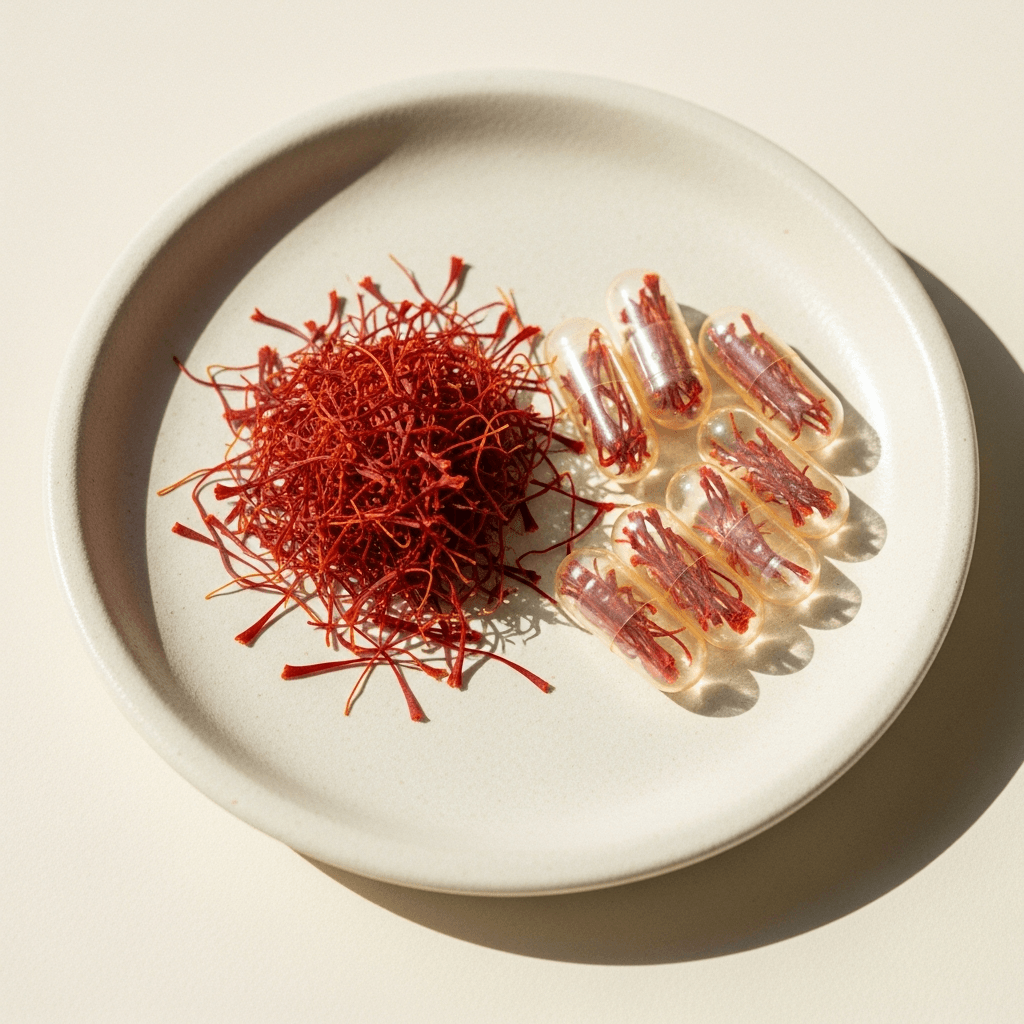
Saffron
The most-studied culinary spice for mood: multiple head-to-head RCTs vs fluoxetine in mild-to-moderate depression.
Why
Saffron (Crocus sativus stigmas) has become one of the better-studied herbal antidepressants of the last decade. Meta-analyses of more than 20 RCTs report effects comparable to fluoxetine and imipramine in mild-to-moderate depression, including direct head-to-head trials. Trials are mostly from Iranian centres and short in duration, but the consistency of direction is unusual for a herbal product.
How it works
Crocins and safranal inhibit reuptake of serotonin, dopamine and noradrenaline, modulate the HPA axis, and show NMDA-receptor antagonist activity in preclinical work. Antioxidant effects on hippocampal neurons are documented mechanistically.
Expected onset · Subjective mood effect typically begins by 2–4 weeks; trials run 6–8 weeks
How to take
Dosage
30 mg standardised extract daily, typically divided 15 mg twice daily, the dose used in the majority of trials.
Timing
Morning and afternoon
On the label
Look for standardised extracts such as affron® or Satiereal® with stated crocin/safranal content. Whole-stigma capsules vary widely.
Ideal for
Adults with mild-to-moderate low mood looking for an option with fewer interactions than St John's wort.
Safety
Evidence
Tóth 2019 Planta Med meta-analysis (23 RCTs, n=1,499): standardised saffron extract was significantly more effective than placebo and similar in efficacy to first-line antidepressants (fluoxetine, citalopram, imipramine) for mild-to-moderate depression over 6–12 weeks. Effect size moderate; trial quality variable but consistent in direction.
- Akhondzadeh Basti et al., Prog Neuropsychopharmacol Biol Psychiatry 2007, saffron vs fluoxetine in mild-to-moderate depression (RCT)
- Lopresti & Drummond, Hum Psychopharmacol 2014, saffron for depression: systematic review and meta-analysis
- Tóth et al., Planta Med 2019, saffron in depression: updated systematic review and meta-analysis
Where to get it
Shop Saffron on AmazonSponsored · As an Amazon Associate, Healicus earns from qualifying purchases.
 CautionSupplement
Senna
EMA Well-Established Use stimulant laxative for short-term relief of occasional constipation, not for chronic use.
Why
Senna leaf and pod (Senna alexandrina / Cassia angustifolia) contain hydroxyanthracene sennosides that hold an EMA HMPC monograph at Well-Established Use for short-term symptomatic relief of occasional constipation. Onset is reliable at 6–12 hours; effect is consistent across individuals. Chronic daily use causes electrolyte loss, melanosis coli, and possible cathartic colon, limit to short courses and intermittent use.
How it works
Sennosides are inactive prodrugs hydrolysed by colonic bacteria to rhein-anthrone, which stimulates colonic motility via enteric nerve and direct smooth-muscle effects, and inhibits Na/K-ATPase in colonocytes, increasing intraluminal fluid.
Expected onset · 6–12 hours after a single dose
How to take
Dosage
Adults: 15–30 mg sennosides at bedtime. Children 12+: 7.5–15 mg. Maximum continuous use: 2 weeks; for repeated use, intermittent only.
Timing
At bedtime, effect 6–12 hours later
On the label
Stated sennoside (sennoside B) content per tablet. Suitable for short courses; consider osmotic laxatives (e.g. magnesium-based) or stool-bulking (psyllium) for chronic constipation.
Ideal for
Adults and children (over 12 years) with occasional constipation needing short-term symptomatic relief.
Safety
Evidence
EMA classifies senna as Well-Established Use for short-term occasional constipation, the highest regulatory tier for a botanical, requiring bibliographic evidence of efficacy. EFSA's 2018 safety opinion on hydroxyanthracenes flagged genotoxicity concerns at high cumulative doses, supports the short-term-use-only positioning.
- EMA HMPC monograph, Senna alexandrina Mill. (Cassia senna L.; Cassia angustifolia Vahl), folium and fructus (Well-Established Use)
- Mueller-Lissner et al., Curr Med Res Opin 2013, myths and misconceptions about chronic constipation
- EFSA Panel on Food Additives, Flavourings, Processing Aids and Materials in Contact with Food 2018, safety of hydroxyanthracene derivatives
Where to get it
Shop Senna on AmazonSponsored · As an Amazon Associate, Healicus earns from qualifying purchases.
 CautionSupplement
St. John's wort
Cochrane-reviewed botanical for mild-to-moderate depression, and also the natural remedy with the most drug interactions.
Why
St. John's wort (Hypericum perforatum) carries an EMA Well-Established Use monograph for mild and moderate depressive episodes: the highest regulatory tier available to a herbal medicinal product. The Cochrane review found standardised extracts (LI 160, WS 5570, ZE 117) similar to standard antidepressants for mild-to-moderate depression, with fewer side effects in most trials. Severe depression and bipolar depression are out of scope.
How it works
Hyperforin and hypericin inhibit synaptic reuptake of serotonin, noradrenaline, dopamine, GABA and glutamate. Hyperforin is also a potent activator of the pregnane X receptor: the route by which it induces CYP3A4, CYP2C9, CYP1A2 and P-glycoprotein, accounting for the broad drug-interaction profile.
Expected onset · Onset typically over 2–4 weeks; full effect at 4–6 weeks
How to take
Dosage
Standardised extract 600–900 mg/day divided across the day; lower doses (240–600 mg) also used in some trials.
Timing
With meals, divided dosing
On the label
Look for a named standardised extract (LI 160, WS 5570, STW 3-VI, or ZE 117) with stated hypericin (~0.3%) and hyperforin (~3–6%) content.
Ideal for
Adults with mild-to-moderate low mood without bipolar history, who are not on interacting medications.
Safety
Evidence
Cochrane 2008 SR (29 RCTs, n>5,000): St John's wort extracts were superior to placebo and similar in efficacy to standard antidepressants for mild-to-moderate major depression, with fewer side-effect dropouts. The EMA HMPC classifies the herb as Well-Established Use for moderate depressive episodes: the highest regulatory tier available to a botanical. Caveat: the drug-interaction profile is the broadest in the herbal pharmacopoeia.
Where to get it
Shop St. John's wort on AmazonSponsored · As an Amazon Associate, Healicus earns from qualifying purchases.
 CautionSupplement
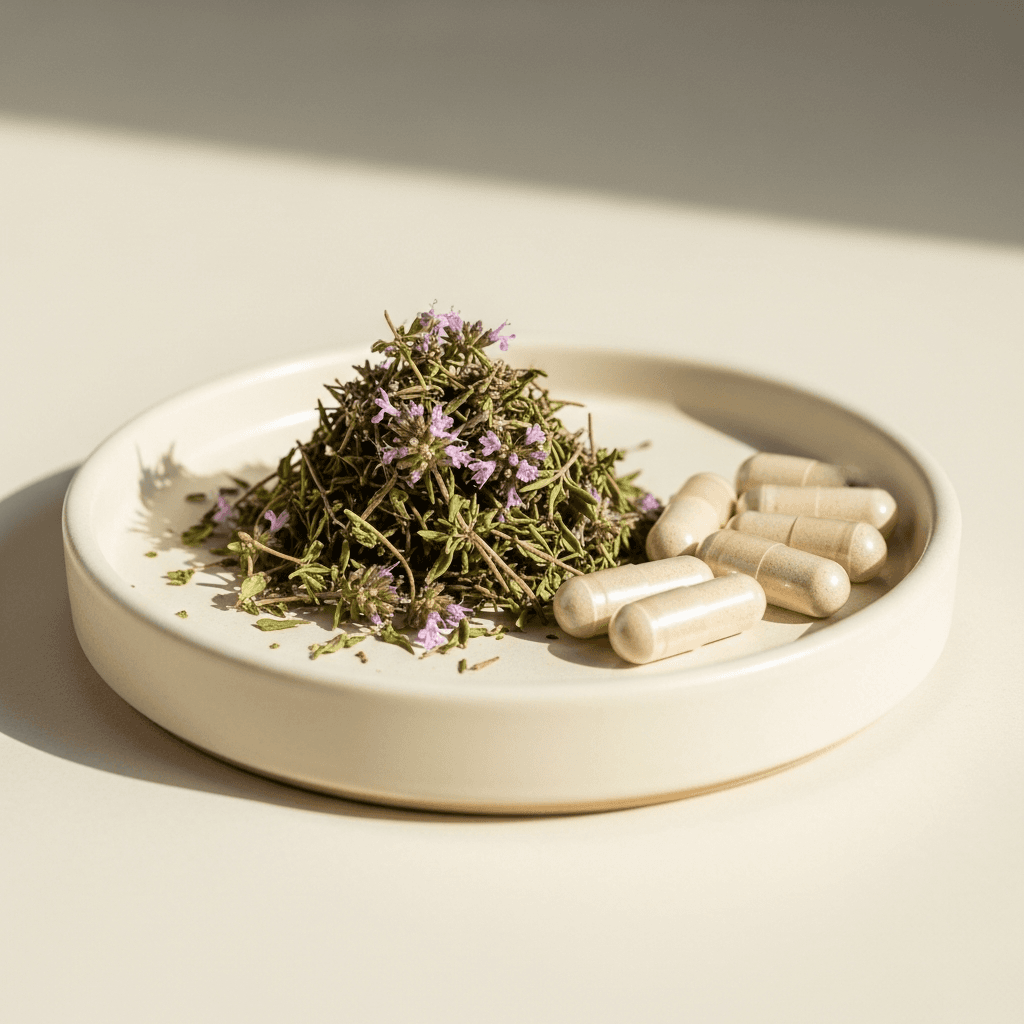
Thyme (Thymus vulgaris)
EMA-monograph herb for productive cough and bronchitis, well established as a fixed combination with primrose root or ivy leaf.
Why
Thyme (Thymus vulgaris and T. zygis) holds an EMA HMPC monograph as a Traditional Herbal Medicinal Product for productive cough associated with cold. RCTs of fixed thyme+primrose root and thyme+ivy leaf combinations report symptomatic improvement in acute bronchitis comparable to standard expectorants, with favourable safety profiles in adult and paediatric trials.
How it works
Essential oil constituents thymol and carvacrol have direct antimicrobial activity against Streptococcus and Staphylococcus species, plus spasmolytic effect on bronchial smooth muscle. Flavonoids and saponins contribute mucolytic and secretolytic effects.
Expected onset · Symptom relief often within 4–7 days
How to take
Dosage
Dried herb infusion: 1–2 g in 150 ml hot water, 3–4 times daily. Fluid extract: 1–2 ml three times daily. Fixed combinations: per product label.
Timing
Three times daily during symptomatic phase
On the label
EMA-cited fixed combinations (e.g. Bronchipret thyme+primrose, Bronchicum) or thyme tea / fluid extract with stated essential oil content.
Ideal for
Adults and children with productive cough associated with acute bronchitis or upper respiratory infection.
Safety
Evidence
EMA HMPC classifies the herb as Traditional Herbal Medicinal Product for productive cough, based on >30 years of consistent use. Kemmerich 2007 Arzneimittelforschung RCT (n=361): thyme+primrose fluid extract significantly reduced cough fits and bronchitis symptom score vs placebo over 11 days. The fixed combinations carry the strongest evidence.
Where to get it
Shop Thyme (Thymus vulgaris) on AmazonSponsored · As an Amazon Associate, Healicus earns from qualifying purchases.
 CautionSupplement
Vitamin A (retinol)
Essential fat-soluble nutrient with EFSA claims for vision, immune function, skin, and iron metabolism, narrow safe upper limit at therapeutic doses.
Why
Vitamin A is essential for vision (retinal pigment cycle), epithelial differentiation (skin, mucosa), immune function, and iron metabolism. EFSA has authorised health claims for all four of these. Two main dietary forms: preformed retinol (animal sources) and provitamin carotenoids (β-carotene from plants). Preformed retinol is teratogenic at high doses, pregnancy intake should not exceed 3,000 µg/day RAE. Smoker beta-carotene caution (ATBC, CARET trials) is well-established.
How it works
Retinaldehyde combines with opsin in retinal photoreceptors, basis of vision. Retinoic acid binds nuclear retinoic acid receptors regulating gene expression in epithelial differentiation. Modulates innate and adaptive immunity (cytokine production, T-cell maturation). Mobilises iron from hepatic stores.
Expected onset · Deficiency correction over weeks; preventive use ongoing
How to take
Dosage
RDI: 700–900 µg RAE/day. Supplement: 700–1,500 µg/day. Upper level (EFSA): 3,000 µg/day preformed retinol from supplements + diet.
Timing
With meals containing fat
On the label
'Retinol' or 'retinyl palmitate' (preformed). β-Carotene from food/algal source is the safer form for general supplementation in non-smokers. Stated µg RAE not just IU.
Ideal for
Adults with low dietary intake of yellow/orange vegetables and liver; vegetarians with restricted dietary sources; populations at risk of deficiency. Pregnant women: get from dietary sources only; supplement only under clinical guidance.
Safety
Evidence
EFSA-authorised claims for vision, immune function, skin/mucosa and iron metabolism, highest regulatory tier. ATBC 1994 NEJM RCT: β-carotene 20 mg/day increased lung cancer incidence by 18% in male smokers, defined the smoker-caution rule. Rothman 1995 NEJM established teratogenicity threshold around 3,000 µg retinol equivalents/day in early pregnancy.
- EFSA Reg 432/2012 authorised claims, vitamin A and normal vision, immune function, skin/mucosa maintenance, iron metabolism
- The Alpha-Tocopherol Beta Carotene Cancer Prevention Study Group, NEJM 1994, effect of vitamin E and beta carotene on the incidence of lung cancer (ATBC, n=29,133)
- Rothman et al., NEJM 1995, teratogenicity of high vitamin A intake
Where to get it
Shop Vitamin A (retinol) on AmazonSponsored · As an Amazon Associate, Healicus earns from qualifying purchases.
 CautionSupplement
Vitamin B1 (thiamine)
Essential nutrient with EFSA claims for nervous system, heart, energy metabolism, and psychological function, clinically critical in alcohol use and bariatric contexts.
Why
Vitamin B1 (thiamine) is essential for glucose metabolism, neuronal function, and cardiac function. EFSA has authorised health claims covering normal carbohydrate energy metabolism, normal heart function, normal psychological function, and normal nervous system function. Deficiency causes beriberi (wet and dry forms) and Wernicke-Korsakoff syndrome, clinically important in alcohol use disorder, severe malnutrition, hyperemesis, and bariatric surgery. Benfotiamine (lipid-soluble) has additional preliminary use in diabetic neuropathy.
How it works
Cofactor (as thiamine pyrophosphate) for pyruvate dehydrogenase, α-ketoglutarate dehydrogenase, and transketolase, central enzymes of glucose metabolism and the pentose-phosphate pathway. Required for nerve myelin maintenance and neurotransmitter synthesis (acetylcholine, GABA).
Expected onset · Symptomatic deficiency improvement within days; chronic neuropathy support over months
How to take
Dosage
RDI: 1.1–1.2 mg/day. Wernicke prophylaxis (clinical context): 200–300 mg/day oral; severe at-risk patients receive parenteral thiamine first. Benfotiamine for neuropathy: 300–600 mg/day.
Timing
With or without food
On the label
'Thiamine HCl' (basic form) or 'benfotiamine' (lipid-soluble, better bioavailability for neuropathy use). Stated milligrams per serving.
Ideal for
Adults with alcohol use disorder; people on dialysis or post-bariatric-surgery; hyperemesis gravidarum; refeeding syndrome risk; suspected high-output cardiac failure with low intake.
Safety
Evidence
EFSA-authorised claims cover four separate functions. Sechi 2007 Lancet Neurol provides the clinical-context anchor for Wernicke-Korsakoff prevention and treatment, with very high mortality of untreated cases. Stracke 2008 BENDIP RCT: benfotiamine 300/600 mg/day reduced symptomatic diabetic neuropathy scores over 6 weeks.
- EFSA Reg 432/2012 authorised claims, vitamin B1 (thiamine) and normal energy-yielding metabolism, nervous system, heart function, psychological function
- Sechi & Serra, Lancet Neurol 2007, Wernicke encephalopathy: new clinical settings and recent advances in diagnosis and management
- Stracke et al., Exp Clin Endocrinol Diabetes 2008, Benfotiamine in diabetic polyneuropathy (BENDIP RCT)
Where to get it
Shop Vitamin B1 (thiamine) on AmazonSponsored · As an Amazon Associate, Healicus earns from qualifying purchases.
 Supplement
Vitamin B12 (cobalamin)
Corrects deficiency-driven fatigue and cognitive complaints in older adults, vegans, and long-term metformin users.
Why
Vitamin B12 deficiency is common with age (gastric atrophy reduces absorption), with strict plant-based diets, and on long-term metformin (the MHRA reclassified B12 deficiency as a common side effect in 2022). Deficiency presents as fatigue, paraesthesias, and cognitive slowing, often before haematological signs appear. The Eussen 2005 dose-finding RCT in older adults showed that very modest oral doses (the RDA of 2.5 µg) failed to normalise plasma markers, while doses of 647–1032 µg/day produced 80–90% of the maximum reduction in methylmalonic acid over 16 weeks.
How it works
Cofactor for methionine synthase (homocysteine → methionine) and methylmalonyl-CoA mutase. Required for myelin maintenance, DNA synthesis in haematopoiesis, and single-carbon metabolism in the CNS.
Expected onset · Energy and cognition often improve over 4–12 weeks; haematological correction by 8 weeks
How to take
Dosage
1,000 µg/day oral (cyanocobalamin or methylcobalamin) is a pragmatic correction dose, well above the Eussen 2005 plateau threshold of ~650 µg/day. Established deficiency may require intramuscular hydroxocobalamin under a clinician.
Timing
With or without food; daily
On the label
Cyanocobalamin and methylcobalamin both correct deficiency at adequate doses; the Eussen RCT used cyanocobalamin. Sublingual offers no proven advantage over oral.
Ideal for
Adults over 60, strict vegetarians/vegans, long-term metformin users, people with pernicious anaemia or post-gastric surgery.
Safety
Evidence
Eussen 2005 dose-finding RCT (n=120 older adults with mild B12 deficiency): 647–1032 µg/day oral cyanocobalamin produced 80–90% of the maximum reduction in plasma methylmalonic acid over 16 weeks; the 2.5 µg RDA was insufficient when absorption is impaired.
- Eussen et al., Arch Intern Med 2005, dose-finding RCT (n=120) of oral cyanocobalamin in mild B12 deficiency in older adults
- EFSA Scientific Opinion 2010, authorised health claims for B12 and reduction of tiredness/fatigue, normal neurological function, and homocysteine metabolism
- MHRA Drug Safety Update 2022, vitamin B12 deficiency now a recognised common side effect of metformin
Where to get it
Shop Vitamin B12 (cobalamin) on AmazonSponsored · As an Amazon Associate, Healicus earns from qualifying purchases.
 CautionSupplement
Vitamin B3 (niacin / nicotinic acid)
Essential nutrient with EFSA claims; high-dose nicotinic acid lowers LDL and raises HDL, cardiovascular outcome trials however null.
Why
Vitamin B3 has two main forms: nicotinic acid (niacin, causes flushing) and nicotinamide (niacinamide, no flushing, covered separately). At dietary doses both have EFSA-authorised health claims for energy metabolism, nervous system, psychological function, mucosa and tiredness/fatigue. At high doses (≥1 g/day) nicotinic acid has the strongest lipid-modifying effect of any single agent on HDL (raises 15–25%) and meaningful LDL reduction, but the AIM-HIGH and HPS2-THRIVE cardiovascular outcome trials were null/harmful when added to statins. Use for lipids has shrunk substantially as a result.
How it works
Precursor (via niacin pathway) to NAD+ and NADP+, central cofactors in over 400 enzymatic reactions. High-dose pharmacological effect on lipids is via inhibition of hepatic diacylglycerol acyltransferase 2 (DGAT2) and adipocyte hormone-sensitive lipase.
Expected onset · Flush within minutes; lipid effects over 4–8 weeks
How to take
Dosage
RDI: 14–16 mg NE/day. Lipid context (specialist only): 1–2 g/day immediate-release or 1–2 g/day extended-release (Niaspan).
Timing
With meals to reduce flushing (and ideally with aspirin 30 min before to blunt flush, when used at lipid doses)
On the label
Distinguish 'nicotinic acid / niacin' (flushing, lipid-active) from 'niacinamide / nicotinamide' (no flush, no lipid effect, separate dermatology/oncology evidence). Stated milligrams.
Ideal for
Adults seeking general B-vitamin support; carefully-selected dyslipidaemia patients (specialist context, particularly statin-intolerant), but cardiovascular outcome data is unfavourable when added to statins.
Safety
Evidence
EFSA-authorised claims cover five functions. AIM-HIGH 2011 (n=3,414) and HPS2-THRIVE 2014 (n=25,673), both NEJM, found no cardiovascular benefit when extended-release niacin was added to statin therapy, with HPS2-THRIVE showing increased serious adverse events. This shifted clinical use of niacin for lipids substantially: the lipid signal is real, the outcome benefit on top of statins is not.
- EFSA Reg 432/2012 authorised claims, niacin and energy metabolism, nervous system, psychological function, mucosa, tiredness/fatigue
- AIM-HIGH Investigators, NEJM 2011, niacin in patients with low HDL cholesterol levels receiving intensive statin therapy (RCT, n=3,414)
- HPS2-THRIVE Collaborative Group, NEJM 2014, effects of extended-release niacin with laropiprant in high-risk patients (RCT, n=25,673)
Where to get it
Shop Vitamin B3 (niacin / nicotinic acid) on AmazonSponsored · As an Amazon Associate, Healicus earns from qualifying purchases.
 Supplement
Vitamin B6 (pyridoxine)
ACOG first-line pharmacotherapy for nausea and vomiting of pregnancy. Also evidenced for premenstrual symptom relief at up to 100 mg/day.
Why
Pyridoxine is the rare vitamin with a guideline-endorsed therapeutic role: ACOG Practice Bulletin 189 (2018) recommends pyridoxine 10–25 mg orally three to four times daily, alone or combined with doxylamine, as first-line pharmacotherapy for nausea and vomiting of pregnancy. Outside pregnancy, the Wyatt 1999 BMJ systematic review (9 trials, n=940) found doses up to 100 mg/day improved overall premenstrual symptoms (OR 2.32) and premenstrual depression (OR 1.69), though the authors flagged the included trials as low-quality.
How it works
Pyridoxal-5-phosphate (PLP) is a cofactor for >100 enzymes including those in neurotransmitter synthesis (serotonin, GABA, dopamine), haem synthesis, and homocysteine metabolism via cystathionine-β-synthase.
Expected onset · Nausea relief often within 1–3 days; PMS improvement over 1–2 menstrual cycles
How to take
Dosage
Morning sickness: 10–25 mg three to four times daily (ACOG 2018). PMS: up to 100 mg/day (Wyatt 1999 systematic review). Do not exceed 100 mg/day long-term outside medical supervision, higher chronic intakes risk sensory neuropathy.
Timing
Divided doses with meals; in pregnancy often dosed against the worst-symptom window
On the label
Pyridoxine HCl is the form used in the ACOG and Wyatt evidence base. P-5-P (pyridoxal-5-phosphate) is the active form but carries no proven advantage at standard doses.
Ideal for
Pregnant people with morning sickness; people with premenstrual symptoms unresponsive to lifestyle measures; people on isoniazid, hydralazine, or penicillamine (drugs that deplete B6).
Safety
Evidence
ACOG Practice Bulletin 189 (2018) names pyridoxine 10–25 mg orally 3–4×/day, alone or with doxylamine, as first-line pharmacotherapy for nausea and vomiting of pregnancy. Wyatt 1999 BMJ systematic review (9 trials, n=940) for PMS: doses up to 100 mg/day improved overall symptoms (OR 2.32, 95% CI 1.95–2.54).
- Wyatt et al., BMJ 1999, systematic review (9 trials, n=940) of vitamin B6 up to 100 mg/day for premenstrual syndrome
- Matthews et al., Cochrane Database Syst Rev 2015, interventions for nausea and vomiting in early pregnancy (41 trials, n=5,449)
- ACOG Practice Bulletin 189, 2018, pyridoxine 10–25 mg 3–4×/day as first-line for NVP
Where to get it
Shop Vitamin B6 (pyridoxine) on AmazonSponsored · As an Amazon Associate, Healicus earns from qualifying purchases.
 CautionSupplement
Vitamin C (ascorbic acid)
Foundational nutrient with multiple EFSA-authorised claims and the Cochrane signal for shorter common-cold duration.
Why
Vitamin C (L-ascorbic acid) is a water-soluble essential nutrient with multiple EFSA-authorised health claims covering immune function, oxidative-stress protection, collagen formation, normal psychological function, energy-yielding metabolism, and increased iron absorption from plant sources. The Cochrane review of vitamin C for the common cold (Hemilä 2013) found that routine prophylaxis at ≥200 mg/day reduces common cold duration by ~8% in adults and ~14% in children, and reduces incidence specifically in those undergoing heavy physical stress (marathon runners, soldiers).
How it works
Cofactor for collagen prolyl and lysyl hydroxylases (vessel wall, skin, bone). Cofactor for dopamine β-hydroxylase and tyrosine hydroxylase (catecholamine synthesis). Reduces oxidised vitamin E and glutathione (recycles the antioxidant network). Reduces dietary iron to the absorbable ferrous form.
Expected onset · Symptomatic effects on cold duration require ongoing prophylactic intake; acute rescue dosing modestly reduces severity
How to take
Dosage
Daily: 75–90 mg (RDI). Common cold prophylaxis: 200 mg/day. Common cold rescue: starting at symptom onset, 1–2 g/day divided. Iron absorption: 100 mg with iron-containing meal.
Timing
With meals; divided for higher doses (absorption saturates above 200 mg per dose)
On the label
L-ascorbic acid (basic form), sodium ascorbate (buffered, gentler on GI), or liposomal forms (claims of better absorption, modest at best).
Ideal for
Adults seeking immune support during high-exposure seasons; people with low dietary fruit and vegetable intake; vegetarians/vegans needing enhanced non-haem iron absorption; people under heavy physical stress.
Safety
Evidence
EFSA-authorised health claims cover six separate functions, among the most-anchored nutrients in EU food law. Cochrane 2013 SR on common cold prophylaxis (29 RCTs, n>11,000): regular intake reduced cold duration by ~8% in adults, ~14% in children. Effect on incidence is restricted to high-physical-stress contexts. Treatment-dose rescue evidence is weaker.
- Hemilä & Chalker, Cochrane Database Syst Rev 2013, vitamin C for preventing and treating the common cold
- EFSA Reg 432/2012 authorised claims, vitamin C and immune function, collagen, iron absorption, oxidative stress, psychological function, energy metabolism
- Padayatty et al., Ann Intern Med 2004, vitamin C pharmacokinetics: implications for oral and intravenous use
Where to get it
Shop Vitamin C (ascorbic acid) on AmazonSponsored · As an Amazon Associate, Healicus earns from qualifying purchases.
 Supplement
Vitamin D3 supplementation
Most adults are deficient. Linked to muscle function, bone health, fall prevention, and immune function.
Why
Vitamin D3 (cholecalciferol) is involved in calcium metabolism, neuromuscular function, and immune signalling. Northern-latitude residents and indoor workers are commonly deficient. Supplementation modestly reduces fall risk in older adults and improves muscle strength when starting from low baseline.
How it works
Hydroxylated to calcitriol, the active hormone that regulates calcium absorption, neuromuscular signalling, and ~200 immune-related genes.
Expected onset · 6–8 weeks; retest 25(OH)D after 8 weeks of consistent dosing
How to take
Dosage
1,000–2,000 IU daily for maintenance; higher doses (4,000+ IU) for documented deficiency under medical guidance.
Timing
With a fat-containing meal
On the label
D3 (cholecalciferol), not D2. Pair with K2 (MK-7) for calcium routing.
Safety
Markers this may influence
Evidence
Bischoff-Ferrari 2009 BMJ meta-analysis (8 RCTs, n=2,426 older adults): supplemental vitamin D 700–1000 IU/day reduced fall risk by ~19% (pooled RR 0.81). EFSA Reg 432/2012 authorises the claim that vitamin D contributes to normal muscle function and bones. Most adults at northern latitudes are deficient in winter.
Where to get it
Shop Vitamin D3 supplementation on AmazonSponsored · As an Amazon Associate, Healicus earns from qualifying purchases.
 CautionSupplement
Zinc lozenges
Cochrane: zinc lozenges started within 24h of cold symptoms shorten duration by ~1.5 days.
Why
Cochrane: zinc lozenges started within 24h of cold symptoms shorten duration by ~1.5 days. Use acetate or gluconate, not citrate.
How it works
Free zinc ions bind ICAM-1 on nasal epithelium, blocking rhinovirus attachment; effect requires direct mucosal contact (lozenge, not capsule).
Expected onset · Acute use only; effect is on shortening cold duration, not preventing it
How to take
Dosage
≥75 mg elemental zinc per day in divided doses, started within 24 h of first symptom, every 2–3 hours while awake, for up to 1 week.
Timing
Acute-illness only, starting within 24h of first symptom
On the label
Zinc acetate or gluconate, ≥75 mg/day total elemental zinc, not zinc citrate or oxide.
Safety
Evidence
Singh & Das 2013 Cochrane review: zinc lozenges (≥75 mg/day elemental zinc, started within 24 h of symptom onset) shortened the common cold by ~1 day vs placebo. Trade-off: nausea and bad taste in some users. Effect requires direct mucosal contact, so lozenges only, not capsules.
Where to get it
Shop Zinc lozenges on AmazonSponsored · As an Amazon Associate, Healicus earns from qualifying purchases.
 CautionSupplement
Acetyl-L-carnitine (ALCAR)
Acetylated carnitine with Cochrane signal for diabetic neuropathy and small-RCT signal for chronic fatigue and mild cognitive complaints.
Why
Acetyl-L-carnitine (ALCAR) is the acetylated form of L-carnitine, better blood-brain-barrier penetration than carnitine itself. The Cochrane review of ALCAR for painful peripheral neuropathy (Li 2015) found significant pain reduction in diabetic and chemotherapy-induced neuropathy. Smaller bodies of work in chronic fatigue (the Vermeulen RCT) and mild cognitive impairment show modest signal. Effect on healthy young adults is small.
How it works
Provides the acetyl group for acetylcholine synthesis, supports mitochondrial fatty-acid transport (the classical carnitine role), and crosses the blood-brain barrier where it modulates monoaminergic transmission and NGF activity in animal models.
Expected onset · Neuropathy effects over 8–12 weeks; cognition/fatigue effects over 4–8 weeks
How to take
Dosage
Neuropathy: 1,000 mg twice daily. Cognition/fatigue: 1,500–3,000 mg/day divided.
Timing
Divided 2–3 times daily, away from large protein meals
On the label
'Acetyl-L-carnitine HCl' (or ALCAR) with stated mg per dose. Distinguished from plain L-carnitine and from L-carnitine tartrate (used more for athletic recovery).
Ideal for
Adults with painful diabetic or chemotherapy-induced peripheral neuropathy under clinical guidance; older adults with subjective cognitive complaints; people with chronic fatigue exploring nutrient adjuncts.
Safety
Evidence
Cochrane 2015 SR on ALCAR for diabetic neuropathy: significant reduction in pain at 1,000 mg twice daily vs placebo. Cochrane 2003 SR for dementia found short-term improvement in mild cognitive impairment but no clear effect on established dementia. Strongest signal is in painful peripheral neuropathy.
- Li et al., Cochrane Database Syst Rev 2015, acetyl-L-carnitine for the treatment of diabetic peripheral neuropathy
- Vermeulen & Scholte, Psychosom Med 2004, exploratory open label, randomised study of ALCAR and propionyl-L-carnitine in chronic fatigue syndrome
- Hudson & Tabet, Cochrane Database Syst Rev 2003, acetyl-L-carnitine for dementia
Where to get it
Shop Acetyl-L-carnitine (ALCAR) on AmazonSponsored · As an Amazon Associate, Healicus earns from qualifying purchases.
 Supplement
Aged garlic extract
RCT evidence for reducing cold incidence and duration with daily prophylactic use.
Why
RCT evidence for reducing cold incidence and duration with daily prophylactic use. Aged garlic extract is the standardised form.
How it works
Allyl sulphur compounds (S-allyl-cysteine) modulate immune function and lipid metabolism; Cochrane review supports modest cold-incidence reduction with daily prophylactic use.
Expected onset · Used prophylactically; cold-incidence effect emerges over 8–12 weeks of daily use
How to take
Dosage
Aged garlic extract: 2.56 g/day (4 capsules of Kyolic AGE), as used in the Nantz 2012 RCT for cold/flu severity reduction.
Timing
Daily with food
Safety
Evidence
Nantz 2012 Clin Nutr RCT (n=120 adults, 90-day trial): 2.56 g/day aged garlic extract reduced total cold/flu symptoms by 21% and work/school days missed by 58% vs placebo, with measurable enhancement of γδ-T and NK-cell function. Lissiman 2014 Cochrane review on garlic for cold prevention notes a single positive trial and calls for more research.
Where to get it
Shop Aged garlic extract on AmazonSponsored · As an Amazon Associate, Healicus earns from qualifying purchases.
 CautionSupplement
Algal DHA (vegan omega-3)
Microalgae-derived DHA, the original source of fish-borne omega-3, for vegans, vegetarians and those declining marine sources.
Why
Algal oil from Schizochytrium and Crypthecodinium cohnii microalgae delivers DHA (and increasingly EPA in newer products) without going through the fish food chain. EFSA-authorised health claims for DHA cover normal brain function (250 mg/day), maintenance of normal vision (250 mg/day), maintenance of normal blood triglyceride concentrations (2 g/day combined with EPA), and cardiac function (250 mg/day combined EPA + DHA). Foundation source of omega-3 for vegan / vegetarian, pregnancy, and infant formula use.
How it works
DHA is incorporated into neuronal and retinal phospholipids, supports membrane fluidity, and serves as a substrate for specialised pro-resolving mediators (resolvins, protectins, maresins). Algal source bypasses the entire fish food chain, same molecule, different origin.
Expected onset · Triglyceride changes 8–12 weeks; tissue DHA enrichment over weeks-months
How to take
Dosage
250–500 mg DHA/day for cognitive, visual, cardiac claim thresholds. 1–2 g/day for triglyceride reduction. Pregnancy: at least 200 mg DHA/day (EFSA recommendation).
Timing
With meals containing fat for absorption
On the label
Stated DHA content per serving (and EPA if combined). Schizochytrium or Crypthecodinium cohnii source. Refrigerate after opening.
Ideal for
Vegan and vegetarian adults; pregnant and breastfeeding women avoiding fish-source omega-3; people with elevated triglycerides or mild dyslipidaemia.
Safety
Evidence
EFSA authorised four separate DHA-related claims, the highest regulatory tier in EU food law. Sanders 2006 Br J Nutr direct comparison of algal vs fish DHA: comparable plasma DHA enrichment and triglyceride effects. Ryan 2009 Nutr Neurosci RCT: 900 mg/day algal DHA improved memory and reaction time in older adults over 24 weeks.
- EFSA Reg 432/2012 + Reg 440/2011 authorised claims, DHA for brain function, vision, cardiac function, triglyceride maintenance
- Sanders et al., Br J Nutr 2006, DHA-rich algal oil vs fish oil on plasma lipids and platelet phospholipid fatty acid composition (RCT)
- Ryan et al., Nutr Neurosci 2009, clinical efficacy of algal DHA on cognitive function in healthy adults (RCT)
Where to get it
Shop Algal DHA (vegan omega-3) on AmazonSponsored · As an Amazon Associate, Healicus earns from qualifying purchases.
 CautionSupplement
Aloe vera topical
Meta-analysis support for first- and second-degree burn healing; less consistent for other indications.
Why
Aloe vera (Aloe barbadensis miller) gel from the leaf parenchyma has been used topically for burns for over two millennia. A systematic review and meta-analysis of RCTs in first- and second-degree burns reported shorter time to re-epithelialisation versus standard care. Other topical indications (psoriasis, oral mucositis, wound healing) have smaller and more mixed RCT bodies. Internal aloe latex (the yellow exudate) is distinct from the gel and is a stimulant laxative with safety concerns, not equivalent.
How it works
Polysaccharides (acemannan) stimulate macrophage cytokine release and fibroblast proliferation. Glycoproteins (aloctin A and B) promote epithelial cell migration. Salicylates and prostaglandin precursors contribute local anti-inflammatory effects.
Expected onset · Burn re-epithelialisation: faster than standard care across small RCTs, often within 7–10 days
How to take
Dosage
Topical gel: apply 2–3 times daily to the affected area. For burns: after initial cooling with running water and once oozing has stopped.
Timing
2–3 times daily during the symptomatic phase
On the label
'Aloe vera leaf gel' or '100% inner-leaf gel', distinct from 'aloe vera latex' or 'aloe whole-leaf juice'. Stabilised gel preparations preserve activity longer than fresh leaf.
Ideal for
Adults with first- and second-degree burns (after initial cooling), minor wounds, sunburn, or seeking soothing topical care.
Safety
Evidence
Maenthaisong 2007 Burns systematic review (4 RCTs): aloe vera reduced burn-wound healing time by ~8.8 days vs control. Hekmatpou 2019 meta-analysis on wound healing concluded aloe vera accelerates closure across multiple small trials. The topical gel evidence is meaningfully stronger than the internal indications.
- Maenthaisong et al., Burns 2007, efficacy of aloe vera used for burn wound healing: systematic review
- Hekmatpou et al., Iran J Med Sci 2019, effect of aloe vera on wound healing: systematic review and meta-analysis
- EFSA Panel on Food Additives, EFSA J 2017, safety of hydroxyanthracene derivatives (aloe latex)
Where to get it
Shop Aloe vera topical on AmazonSponsored · As an Amazon Associate, Healicus earns from qualifying purchases.
 Supplement
Alpha-lipoic acid (R-ALA)
Mitochondrial cofactor with meta-analysis support for symptomatic diabetic neuropathy at oral 600 mg/day.
Why
Alpha-lipoic acid (thioctic acid) is an endogenous mitochondrial cofactor and broad-spectrum antioxidant. A meta-analysis of 15 RCTs in symptomatic diabetic polyneuropathy reported reductions in pain, numbness and paraesthesias at 600 mg/day oral or IV. Used widely in Germany under prescription: the only natural-medicine indication accepted by mainstream neurology guidelines.
How it works
Cofactor for pyruvate and α-ketoglutarate dehydrogenase complexes in mitochondrial energy metabolism. Regenerates vitamins C and E, glutathione, and CoQ10 (the antioxidant network). Chelates redox-active metals.
Expected onset · Symptomatic neuropathy effects often emerge over 3–5 weeks
How to take
Dosage
R-ALA or racemic ALA: 600 mg/day, single dose on empty stomach. Higher doses (up to 1,800 mg/day) studied in shorter trials.
Timing
Morning, on empty stomach 30 min before food
On the label
R-(+)-alpha-lipoic acid is the bioactive enantiomer. 'Stabilised R-ALA' or 'Na-RALA' has better bioavailability than racemic forms.
Ideal for
Adults with symptomatic diabetic peripheral neuropathy; also studied in metabolic insulin sensitivity.
Safety
Evidence
Çakici 2016 Diabet Med systematic review (15 RCTs): oral ALA 600 mg/day reduced symptomatic neuropathy scores vs placebo. Ziegler 2006 SYDNEY 2 RCT (n=181): 5 weeks of ALA 600 mg/day significantly reduced Total Symptom Score vs placebo with no further benefit at higher doses. NATHAN 1 (4-year RCT) showed slowed neuropathy progression on Neuropathy Impairment Score.
- Çakici et al., Diabet Med 2016, systematic review of alpha-lipoic acid in diabetic neuropathy
- Ziegler et al., Diabetes Care 2006, SYDNEY 2 trial: oral alpha-lipoic acid 600/1200/1800 mg in diabetic polyneuropathy (RCT)
- Ziegler et al., Diabetes Care 2011, NATHAN 1 trial: ALA 600 mg over 4 years in mild-moderate diabetic polyneuropathy
Where to get it
Shop Alpha-lipoic acid (R-ALA) on AmazonSponsored · As an Amazon Associate, Healicus earns from qualifying purchases.
 CautionSupplement
American ginseng (Panax quinquefolius)
Cooler, calmer cousin of Korean ginseng, RCT signal for common cold prevention (CVT-E002) and postprandial glucose modulation.
Why
American ginseng (Panax quinquefolius) is botanically and pharmacologically distinct from Asian Panax ginseng. In TCM frameworks it is considered cooler and more yin-tonifying. The COLD-fX standardised polysaccharide extract (CVT-E002) has multiple RCTs supporting reduced incidence and duration of common colds in healthy adults and reduced acute respiratory illness in older adults (McElhaney CMAJ 2004). A separate small body of work supports modest postprandial glucose blunting and cognitive performance effects.
How it works
Distinct ginsenoside profile from Asian ginseng (higher Rb1, lower Rg1 ratio). Polysaccharide fraction stimulates innate immune responses (NK cells, macrophages, IFN-γ). Postprandial glucose effect via slowed carbohydrate absorption.
Expected onset · Cold-prevention effect requires ongoing prophylactic use through cold season
How to take
Dosage
CVT-E002 (COLD-fX): 200 mg twice daily during cold-and-flu season. General use: 200–400 mg/day standardised extract.
Timing
Twice daily; less stimulating than Asian ginseng, can be taken later in the day
On the label
CVT-E002 (COLD-fX) or stated American-ginseng polysaccharide content. Distinguish from Asian/Korean Panax ginseng (different evidence and traditional framing).
Ideal for
Adults seeking immune support during cold season, particularly those who find Asian ginseng too stimulating; older adults at risk of respiratory infection.
Safety
Evidence
Predy 2005 CMAJ RCT (n=323 community-dwelling adults): CVT-E002 200 mg twice daily for 4 months reduced mean number of colds (0.68 vs 0.93) and total cold days. Seida 2011 Cochrane SR found supportive evidence for ginseng for cold prevention with greatest signal for the CVT-E002 standardised extract.
- McElhaney et al., J Am Geriatr Soc 2004, a placebo-controlled trial of a proprietary extract of North American ginseng (CVT-E002) to prevent acute respiratory illness in institutionalized older adults
- Predy et al., CMAJ 2005, efficacy of an extract of North American ginseng containing poly-furanosyl-pyranosyl-saccharides for preventing upper respiratory tract infections (RCT)
- Seida et al., Cochrane Database Syst Rev 2011, north American (Panax quinquefolius) and Asian ginseng (Panax ginseng) preparations for prevention of the common cold
Where to get it
Shop American ginseng (Panax quinquefolius) on AmazonSponsored · As an Amazon Associate, Healicus earns from qualifying purchases.
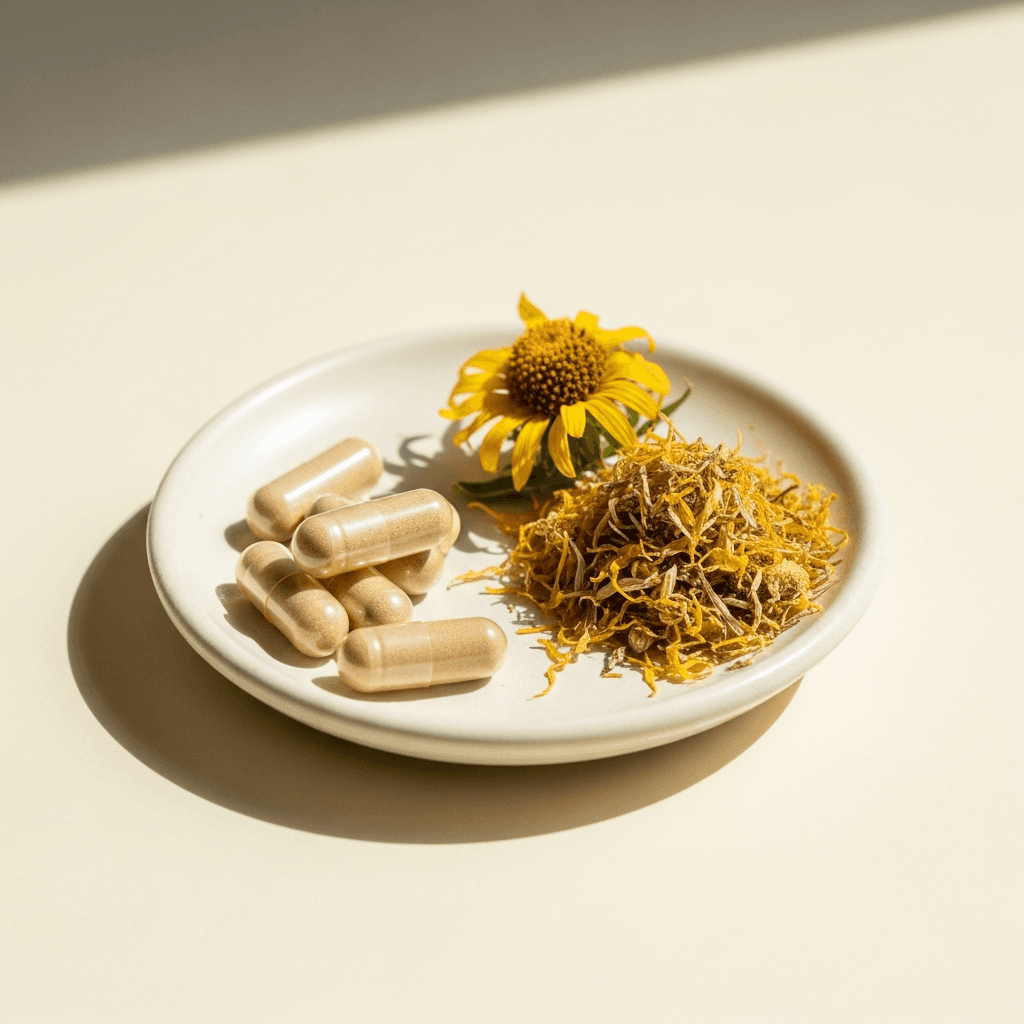 CautionSupplement
Arnica topical
EMA-monograph topical arnica for bruising and hand osteoarthritis, head-to-head non-inferiority to ibuprofen gel.
Why
Arnica (Arnica montana) flower-head preparations hold an EMA HMPC monograph as a Traditional Herbal Medicinal Product for topical use in bruises, sprains, and rheumatic complaints. The Widrig RCT directly compared topical arnica gel with ibuprofen gel for hand osteoarthritis and reported non-inferior pain reduction and function improvement over 3 weeks. Other RCTs report reduced bruising after laser surgery and improved post-surgical recovery.
How it works
Sesquiterpene lactones (helenalin, dihydrohelenalin) inhibit NF-κB activation, reducing pro-inflammatory cytokine production at the site of application. Flavonoids contribute additional antioxidant effects on the inflamed tissue.
Expected onset · Symptom relief often within days for bruising; 1–2 weeks for hand OA
How to take
Dosage
Topical gel or ointment: apply 2–3 times daily to the affected area for up to 3 weeks.
Timing
2–3 times daily during the symptomatic phase
On the label
Standardised topical preparations: A. Vogel Arnica Gel, Arnica Comp.-Heel, Boiron Arnigel. Concentration of tincture in finished product matters more than total weight.
Ideal for
Adults with localised soft-tissue inflammation, bruising, hand osteoarthritis pain, or post-surgical swelling.
Safety
Evidence
Widrig 2007 Rheumatol Int RCT (n=204 hand OA): topical arnica gel was non-inferior to ibuprofen 5% gel for hand pain and function over 3 weeks, with similar adverse-event rates. EMA classifies topical arnica preparations as Traditional Use for bruising, sprains and rheumatic complaints. Iannitti 2016 Adv Ther review summarises positive signal across post-surgical and trauma indications.
Where to get it
Shop Arnica topical on AmazonSponsored · As an Amazon Associate, Healicus earns from qualifying purchases.
 CautionSupplement
Artichoke leaf
EMA-monograph bitter for functional dyspepsia and IBS-overlap symptoms.
Why
Artichoke leaf (Cynara scolymus) holds an EMA Well-Established Use monograph for symptomatic relief of digestive disorders such as dyspepsia. RCTs of standardised extracts report reductions in upper-GI symptoms (early satiety, fullness, bloating, nausea) and modest reductions in total cholesterol. The IBS-overlap signal is consistent across two open-label studies of artichoke + ginger combinations and one larger RCT.
How it works
Caffeoylquinic acids (cynarin, chlorogenic acid) stimulate bile production (choleresis) and gallbladder contraction (cholekinesis), accelerating fat digestion and improving postprandial symptoms. Bitter receptor activation drives the additional gastric and pancreatic secretion.
Expected onset · Symptom improvement within 1–2 weeks; cholesterol effects emerge over 6–12 weeks
How to take
Dosage
Standardised extract: 320–640 mg twice or three times daily before meals.
Timing
10–30 min before main meals
On the label
Look for an extract standardised to 'caffeoylquinic acids 5%' (Hepar-SL forte, Cynapret, or generic equivalents). Whole-leaf powders are weaker and less consistent.
Ideal for
Adults with bloating, postprandial fullness, fat intolerance, or functional dyspepsia.
Safety
Evidence
Holtmann 2003 Aliment Pharmacol Ther RCT (n=247 functional dyspepsia): artichoke leaf extract significantly outperformed placebo on global symptom improvement and on each individual symptom (early satiety, fullness, abdominal pain, nausea) over 6 weeks. EMA classifies the leaf as Well-Established Use for digestive symptoms, high regulatory tier for a botanical.
- EMA HMPC monograph, Cynara cardunculus L. (= C. scolymus L.), folium (Well-Established Use + Traditional Use)
- Holtmann et al., Aliment Pharmacol Ther 2003, artichoke leaf extract in functional dyspepsia (RCT, n=247)
- Bundy et al., J Altern Complement Med 2004, artichoke leaf extract reduces IBS symptoms (open trial, n=208)
Where to get it
Shop Artichoke leaf on AmazonSponsored · As an Amazon Associate, Healicus earns from qualifying purchases.
 CautionSupplement
Ashwagandha
Adaptogen with the strongest modern evidence among adaptogens for cortisol and anxiety.
Why
Withania somnifera. Modern trials consistently show modest reductions in cortisol and self-reported stress at 300–600mg/day of a standardized root extract over 6–8 weeks. KSM-66 and Sensoril are the two best-studied branded extracts.
How it works
Withanolides dampen the HPA-axis cortisol response under stress; mild GABA-mimetic activity contributes to subjective calm.
Expected onset · 4–8 weeks for cortisol / stress effects
How to take
Dosage
300–600mg standardized extract (e.g., KSM-66) daily.
Timing
Evening for sleep support, or split morning/evening for stress
On the label
Standardized extract (KSM-66 or Sensoril). Avoid bulk powder of unknown provenance.
Ideal for
People with chronic perceived stress; mild-to-moderate sleep disruption.
Safety
Markers this may influence
Evidence
Lopresti 2019 Medicine RCT (60-day trial of standardised ashwagandha extract in stressed adults): significant reductions in morning cortisol and self-reported stress/anxiety vs placebo, with the strongest modern adaptogen RCT evidence. Effect sizes are modest but consistent across small trials; KSM-66 and Sensoril are the best-studied extracts.
Where to get it
Shop Ashwagandha on AmazonSponsored · As an Amazon Associate, Healicus earns from qualifying purchases.
 CautionSupplement
Astragalus root
Classic TCM tonic herb.
Why
Classic TCM tonic herb. Modest RCT evidence for cold-frequency reduction and chemo-related immune recovery; longer-term tonic use rather than acute.
How it works
Astragalus polysaccharides modulate T-cell and macrophage activity in preclinical models; clinical evidence concentrated in chemotherapy-adjunct trials.
How to take
Dosage
Studied range: 4.5–30 g/day of crude root (decoction) or 250–500 mg standardized extract 2–3×/day across trials. Heterogeneity is high, no single regimen carries strong consensus.
Safety
Evidence
McCulloch 2006 J Clin Oncol meta-analysis (34 randomised studies, n=2,815) of astragalus-based Chinese herbal medicines combined with platinum-based chemotherapy in non-small-cell lung cancer: reduced relative risk of death at 12 months (RR 0.67) and improved tumour response, but the authors flagged methodological limitations and high heterogeneity. Outside oncology adjunct, modern evidence is preliminary.
Trial heterogeneity across crude root, decoctions, and standardized extracts is high, no single dosage regimen or onset timeline carries strong consensus. Clinical evidence concentrated in chemotherapy-adjunct contexts; weaker outside oncology.
Where to get it
Shop Astragalus root on AmazonSponsored · As an Amazon Associate, Healicus earns from qualifying purchases.
 CautionSupplement
ASU (avocado-soybean unsaponifiables, Piascledine)
Standardised fixed-ratio extract with multiple RCTs for hip and knee osteoarthritis pain and slowed joint-space narrowing.
Why
Avocado-soybean unsaponifiables (ASU) in a 1:2 ratio, sold as Piascledine 300 across France, Italy and Spain as a prescription product, has the most-studied evidence base of any 'nutraceutical' for hip and knee osteoarthritis. The Christensen 2008 meta-analysis confirmed reduced WOMAC pain and function scores vs placebo; the ERADIAS trial demonstrated slowed hip joint-space narrowing on radiographs over 3 years.
How it works
Unsaponifiable fraction includes phytosterols (β-sitosterol) and tocopherols. Inhibits IL-1β-induced chondrocyte metalloproteinase (MMP-3, MMP-13) expression and stimulates collagen type-II synthesis. Mechanism distinct from NSAIDs (no COX inhibition) and from glucosamine.
Expected onset · Symptomatic effect over 2–3 months; structural effects (imaging endpoints) over 2–3 years
How to take
Dosage
300 mg/day (Piascledine 300) as a single capsule. Continuous use over 3+ months for symptomatic benefit; longer for structural effect.
Timing
Once daily with the main meal
On the label
'Piascledine 300' (the regulatory product across much of Europe) or generic ASU 300 mg with stated 1:2 avocado:soy ratio.
Ideal for
Adults with symptomatic hip or knee osteoarthritis, particularly when NSAIDs are poorly tolerated; structural-progression context (hip OA on imaging).
Safety
Evidence
Christensen 2008 Osteoarthr Cartil meta-analysis (4 RCTs, n=664): ASU 300 mg/day significantly reduced pain and improved function in hip and knee OA vs placebo. Maheu 2014 ERADIAS RCT (n=399 hip OA): Piascledine 300 reduced joint-space narrowing progression at 3 years (~40% relative reduction), a disease-modifying signal rare among OA agents.
- Christensen et al., Osteoarthritis Cartilage 2008, symptomatic efficacy of avocado-soybean unsaponifiables (ASU) in osteoarthritis: meta-analysis
- Maheu et al., Ann Rheum Dis 2014, ERADIAS study: Piascledine 300 vs placebo for radiographic progression of hip OA (RCT, n=399)
- Lequesne et al., Arthritis Rheum 2002, ASU effect on hip osteoarthritis: 2-year prospective RCT (n=163)
Where to get it
Shop ASU (avocado-soybean unsaponifiables, Piascledine) on AmazonSponsored · As an Amazon Associate, Healicus earns from qualifying purchases.
 CautionSupplement
Bacopa monnieri (Brahmi)
Ayurvedic nootropic with meta-analysis support for memory acquisition and recall over 12 weeks.
Why
Bacopa monnieri (Brahmi) has been used in Ayurveda as a memory and cognitive tonic for over a millennium. A meta-analysis of 9 RCTs found significant improvement on tests of information processing and memory acquisition versus placebo, with effect emerging over 8–12 weeks of daily dosing. Effect on attention is smaller; effect on subjective wellbeing is mixed.
How it works
Bacosides A and B enhance cholinergic transmission, modulate dopamine and serotonin, and show antioxidant and BDNF-promoting activity in preclinical models. Effect requires steady-state dosing: acute single doses do not replicate the chronic-use effect.
Expected onset · Cognitive endpoints emerge over 8–12 weeks; not an acute nootropic
How to take
Dosage
300 mg/day of a standardised extract (50–55% bacosides), typically as a single dose with food. Some trials use 320–640 mg.
Timing
With breakfast or lunch; late doses can be activating
On the label
Look for a standardised extract (50% or 55% bacosides, e.g. BacoMind®, Bacognize®, CDRI-08). Raw powder is highly variable.
Ideal for
Adults with subjective memory or learning complaints; students or knowledge workers seeking a chronic-use cognitive aid.
Safety
Evidence
Kongkeaw 2014 J Ethnopharmacol meta-analysis (9 RCTs, n=518): Bacopa significantly improved choice reaction time and memory acquisition vs placebo across 12 weeks. Effect on attention smaller; subjective wellbeing mixed. Trials use standardised extracts with stated bacoside content; raw powder data is sparse.
Where to get it
Shop Bacopa monnieri (Brahmi) on AmazonSponsored · As an Amazon Associate, Healicus earns from qualifying purchases.
 CautionSupplement
Berberine
Plant alkaloid with meta-analysis support comparable to metformin for glycemic control and to statins for LDL, strong but used with care.
Why
Berberine is an isoquinoline alkaloid found in several botanicals (Berberis aristata, Coptis chinensis, goldenseal). Meta-analyses of >25 RCTs in type 2 diabetes report reductions in HbA1c, fasting glucose and postprandial glucose comparable to metformin monotherapy. A separate meta-analysis in dyslipidaemia reports LDL reductions in the range of low-dose statins. Effect is real but the molecule has meaningful pharmacology, not a casual supplement.
How it works
Activates AMP-activated protein kinase (AMPK), the same target as metformin. Inhibits hepatic PCSK9 expression and upregulates LDL receptors. Modulates gut microbiota composition (Akkermansia, Bacteroides) which appears to contribute to the metabolic effect.
Expected onset · Glycemic effects emerge over 2–4 weeks; lipid effects over 6–12 weeks
How to take
Dosage
500 mg two or three times daily before meals (1,000–1,500 mg/day total).
Timing
30 minutes before meals
On the label
Look for 'berberine HCl' with stated milligrams. Plant extracts (goldenseal, Berberis) vary widely; standardised berberine HCl is the form used in clinical trials.
Ideal for
Adults with prediabetes, mild type 2 diabetes, or mixed dyslipidaemia seeking an evidence-supported botanical option, best with clinical supervision when overlapping with prescribed medications.
Safety
Evidence
Dong 2013 Planta Med meta-analysis (14 RCTs, n=1,068 type 2 diabetes): berberine reduced HbA1c, fasting and postprandial glucose comparably to metformin and was additive to lifestyle measures. Koppen 2017 Pharmacol Res review reported LDL reductions of 20–25% on 500 mg twice daily, magnitude comparable to low-dose statins. Strong effect, real interaction profile.
Where to get it
Shop Berberine on AmazonSponsored · As an Amazon Associate, Healicus earns from qualifying purchases.
 CautionSupplement
Bergamot (Citrus bergamia BPF)
Calabrian citrus polyphenol extract with RCT support for LDL, triglyceride and glucose reduction in mixed dyslipidaemia.
Why
Bergamot polyphenolic fraction (BPF) is a standardised flavonoid-rich extract of Citrus bergamia juice. RCTs report reductions in LDL cholesterol, triglycerides and fasting glucose at 500–1,000 mg/day BPF over 30–90 days. Effect on LDL is roughly comparable to low-dose statin monotherapy in moderate dyslipidaemia; effect on triglycerides distinguishes it from statin and red-yeast-rice approaches.
How it works
Bergamot-specific flavonoids (brutieridin, melitidin) act as natural statins (HMG-CoA reductase inhibition), distinct from monacolin K in their parallel inhibition of intestinal cholesterol absorption. PPAR-α agonism contributes the triglyceride-lowering signal.
Expected onset · Lipid changes over 4–8 weeks
How to take
Dosage
Standardised BPF: 500–1,000 mg/day, often divided. Combined with phytosterols or red yeast rice in some commercial preparations.
Timing
Once or twice daily with meals
On the label
'Bergamot Polyphenolic Fraction' or 'BPF' with stated flavonoid content. Citrus bergamia juice extract (not bergamot essential oil, distinct material).
Ideal for
Adults with mixed dyslipidaemia (elevated LDL plus triglycerides), metabolic syndrome, or statin-intolerant patients seeking a botanical lipid approach.
Safety
Evidence
Mollace 2011 Fitoterapia RCT (n=237 mixed dyslipidaemia): BPF 500 or 1,000 mg/day for 30 days reduced LDL by 24–36%, triglycerides by 30–39%, and fasting glucose by 15–22%, large effects relative to placebo. Lamiquiz-Moneo 2020 meta-analysis confirmed lipid reductions across 12 RCTs.
- Mollace et al., Fitoterapia 2011, hypolipemic and hypoglycaemic activity of bergamot polyphenols (RCT, n=237)
- Toth et al., Front Pharmacol 2016, bergamot reduces plasma lipids, atherogenic markers and vascular inflammation (RCT, n=80)
- Lamiquiz-Moneo et al., Crit Rev Food Sci Nutr 2020, effect of bergamot on lipid profile: systematic review and meta-analysis
Where to get it
Shop Bergamot (Citrus bergamia BPF) on AmazonSponsored · As an Amazon Associate, Healicus earns from qualifying purchases.
 CautionSupplement
Beta-alanine
Carnosine precursor with substantial meta-analysis support for high-intensity exercise performance, especially 60s–4min duration efforts.
Why
β-alanine is a non-proteinogenic amino acid and the rate-limiting precursor for muscle carnosine. The Saunders 2017 BJSM meta-analysis (40 RCTs, n=1,461) and the International Society of Sports Nutrition position stand confirm performance improvements at 4–6 g/day over 4+ weeks, particularly for exercise lasting 60 seconds to 4 minutes. The 'paraesthesia' (skin tingling) is the characteristic acute side effect.
How it works
Loaded into skeletal muscle as carnosine (β-alanyl-L-histidine), where it acts as a major intramuscular pH buffer, delaying acidosis-mediated fatigue during high-intensity efforts.
Expected onset · Performance effects emerge after 4 weeks; full effect over 8–12 weeks
How to take
Dosage
4–6 g/day divided into smaller doses (0.8–1.6 g) to minimise paraesthesia. Loading phase over 4–12 weeks builds muscle carnosine; effect plateaus after about 12 weeks.
Timing
Divided 3–4 times daily with meals
On the label
Stated grams per serving. CarnoSyn is the most-studied trademarked form. Sustained-release forms reduce paraesthesia.
Ideal for
Athletes and active adults engaged in repeated high-intensity efforts (track running 800m–1mile, rowing, cycling sprints, combat sports, CrossFit); older adults exploring sarcopenia adjuncts.
Safety
Evidence
Saunders 2017 BJSM meta-analysis (40 RCTs, n=1,461): β-alanine improved exercise outcomes for efforts lasting 30 sec to 10 min, with greatest effect at 60 sec to 4 min duration. ISSN 2015 position stand: supplementation at 4–6 g/day for ≥2 weeks is safe and improves performance, with carnosine effects via intramuscular pH buffering.
- Saunders et al., Br J Sports Med 2017, β-alanine supplementation to improve exercise capacity and performance: meta-analysis
- Trexler et al., J Int Soc Sports Nutr 2015, International Society of Sports Nutrition position stand: Beta-Alanine
- Hill et al., Amino Acids 2007, influence of beta-alanine supplementation on skeletal muscle carnosine concentrations and high-intensity cycling capacity
Where to get it
Shop Beta-alanine on AmazonSponsored · As an Amazon Associate, Healicus earns from qualifying purchases.
 CautionSupplement
Beta-carotene
Provitamin A carotenoid with EFSA claims, but supplements raised lung cancer in smokers (ATBC, CARET trials), shifting practice to dietary food-source.
Why
β-Carotene is the principal provitamin A carotenoid in orange and dark green vegetables, converted to vitamin A as needed by intestinal cells. EFSA has authorised health claims for β-carotene's role in normal skin and vision functions. The major caveat: two large RCTs (ATBC 1994 NEJM, CARET 1996 NEJM) found that high-dose β-carotene supplements increased lung cancer incidence in current and former smokers, defining the practical exclusion. AREDS2 replaced β-carotene with lutein/zeaxanthin partly for this reason.
How it works
Provitamin A, cleaved to retinal by intestinal β-carotene 15,15'-dioxygenase. Independent antioxidant effects. The smoker-cancer signal proposed mechanism: pro-oxidant activity in tobacco-smoke-exposed lung tissue.
Expected onset · Tissue levels over weeks; clinical relevance varies by indication
How to take
Dosage
RDI: 700–900 µg RAE/day (provided as β-carotene, ~4–5 mg/day if relying on it as vitamin A source). Avoid sustained supplement doses above 20 mg/day, particularly in any smoker.
Timing
With meals containing fat for absorption
On the label
Mixed carotenoids (β-carotene + α-carotene + lycopene + lutein + zeaxanthin) are more dietary-like than isolated β-carotene supplements. AREDS2 deliberately uses lutein/zeaxanthin instead of β-carotene.
Ideal for
Non-smokers with low dietary intake of orange and dark green vegetables; people relying on plant sources for vitamin A. Smokers should obtain β-carotene from food sources only, not supplements.
Safety
Evidence
EFSA-authorised claim for β-carotene as a vitamin A source. ATBC 1994 NEJM trial: β-carotene 20 mg/day increased lung cancer incidence by 18% in male smokers. CARET 1996 NEJM confirmed similar signal. These trials defined the practical exclusion of supplemental β-carotene in current and former smokers and led to its replacement with lutein/zeaxanthin in AREDS2.
- EFSA Reg 432/2012 authorised claims, β-carotene as vitamin A source (skin, vision, immune function)
- The Alpha-Tocopherol, Beta Carotene Cancer Prevention Study Group, NEJM 1994, effect of vitamin E and beta carotene on the incidence of lung cancer (ATBC, n=29,133)
- Omenn et al., NEJM 1996, effects of a combination of beta carotene and vitamin A on lung cancer and cardiovascular disease (CARET, n=18,314)
Where to get it
Shop Beta-carotene on AmazonSponsored · As an Amazon Associate, Healicus earns from qualifying purchases.
 CautionSupplement
Bifidobacterium infantis 35624 (Align)
Strain-specific probiotic with the cleanest RCT signal for global IBS symptom improvement.
Why
Bifidobacterium infantis 35624 (sold as Align in the US and as Symprove and others in Europe) is the bacterial probiotic with the most consistent RCT signal for irritable bowel syndrome. The Whorwell 2006 RCT demonstrated significant improvements in pain, bloating, bowel dysfunction and global IBS symptoms over 4 weeks. Subsequent trials and a strain-specific meta-analysis confirmed the signal at the 10⁸ CFU/day dose.
How it works
Modulates intestinal cytokine balance, restores the IL-10:IL-12 ratio that is reduced in IBS. Surface exopolysaccharides inhibit pathogen adhesion. Bile-acid metabolism modulation may underlie part of the bowel-function effect.
Expected onset · Symptom improvement typically over 4 weeks of continuous use
How to take
Dosage
1 × 10⁸ CFU/day (one Align capsule), continuous use for at least 4 weeks before assessing benefit.
Timing
Once daily, with or without food
On the label
Specifically B. infantis 35624 (also marketed as B. longum subsp. infantis 35624). Generic 'Bifidobacterium' products are not equivalent.
Ideal for
Adults with IBS (any subtype, including mixed) seeking a strain-specific probiotic with direct RCT evidence.
Safety
Evidence
Whorwell 2006 Am J Gastroenterol RCT (n=362 IBS women): B. infantis 35624 at 10⁸ CFU/day significantly improved global IBS symptom score, pain, bloating and bowel-function over 4 weeks. Yuan 2017 strain-specific meta-analysis confirmed signal. Effect modest but distinct in being one of the few probiotic indications with direct strain-level RCT evidence.
- Whorwell et al., Am J Gastroenterol 2006, efficacy of an encapsulated probiotic Bifidobacterium infantis 35624 in women with IBS (RCT, n=362)
- O'Mahony et al., Gastroenterology 2005, Lactobacillus and Bifidobacterium in IBS: symptom responses and relationship to cytokine profiles
- Yuan et al., J Clin Gastroenterol 2017, meta-analysis of Bifidobacterium infantis for IBS
Where to get it
Shop Bifidobacterium infantis 35624 (Align) on AmazonSponsored · As an Amazon Associate, Healicus earns from qualifying purchases.
 CautionSupplement
Biotin (vitamin B7)
EFSA claims for hair, skin and energy metabolism, the 'hair, skin and nails' marketing claim is weak relative to deficiency-state evidence.
Why
Biotin (vitamin B7) is a cofactor for several carboxylase enzymes in fatty acid and glucose metabolism. EFSA-authorised health claims cover normal energy-yielding metabolism, normal psychological function, normal hair, skin, mucous membranes, and nervous system function. The popular 'high-dose biotin for hair growth' marketing claim is supported only in cases of biotin deficiency; in non-deficient adults, evidence is weak.
How it works
Cofactor for pyruvate carboxylase, acetyl-CoA carboxylase, propionyl-CoA carboxylase and methylcrotonyl-CoA carboxylase. Required for normal protein and lipid synthesis.
Expected onset · Cosmetic effects (if any beyond deficiency correction) over 3–6 months
How to take
Dosage
RDI: 30–35 µg/day. Marketed 'hair growth' supplements: 2,500–10,000 µg/day (well above any documented physiological need in non-deficient adults).
Timing
With food
On the label
Stated micrograms (not milligrams). 'Hair, skin and nails' marketed doses are far above any documented physiological need.
Ideal for
People with diagnosed biotin deficiency (rare) or biotinidase deficiency (paediatric, clinical context); included in B-complex nutrient adequacy contexts.
Safety
Evidence
EFSA-authorised claims cover six functions. Patel 2017 review: no published RCT supports biotin for hair growth in non-biotin-deficient adults. FDA 2019 Safety Communication flagged immunoassay interference, clinically important caveat for high-dose users.
- EFSA Reg 432/2012 authorised claims, biotin and energy metabolism, psychological function, hair, skin, mucous membranes, nervous system, macronutrient metabolism
- Patel et al., Skin Appendage Disord 2017, a review of the use of biotin for hair loss (no clear evidence in non-deficient adults)
- FDA Drug Safety Communication 2019, Biotin (Vitamin B7) Interference Can Cause Incorrect Lab Test Results
Where to get it
Shop Biotin (vitamin B7) on AmazonSponsored · As an Amazon Associate, Healicus earns from qualifying purchases.
 CautionSupplement
Birch leaf (Betula)
EMA-monograph aquaretic for urinary tract irrigation, gentle European traditional option.
Why
Birch leaf (Betula pendula and B. pubescens) holds an EMA HMPC Traditional Use monograph for increasing the amount of urine to achieve flushing of the urinary tract, as adjuvant in minor urinary complaints. Used in European phytotherapy as a gentle aquaretic. Similar profile to goldenrod and Java tea.
How it works
Flavonoids (hyperoside, quercitrin) and saponins produce aquaretic effect via increased renal blood flow and tubular flow, without significant electrolyte excretion. Anti-inflammatory effects on urinary mucosa.
Expected onset · Diuretic effect within hours; symptom relief over days
How to take
Dosage
Dried leaf: 2–3 g infusion, three times daily. With substantial additional water intake (2+ litres/day).
Timing
Throughout the day with adequate water
On the label
Betula pendula or B. pubescens leaf. Tea or standardised extract.
Ideal for
Adults with mild urinary tract irritation or oedema seeking gentle European traditional aquaretic.
Safety
Evidence
EMA classifies birch leaf at Traditional Use for urinary-tract irrigation. Traditional-use registration only, no Cochrane review, no Well-Established Use monograph, no EFSA-authorised claim, and no major-journal RCT supports a specific therapeutic effect. Inclusion here reflects the documented tradition; modern clinical evidence is limited.
Traditional-use registration only, no Cochrane review, no Well-Established Use monograph, no EFSA-authorised claim, and no major-journal RCT supports a specific therapeutic effect. Inclusion here reflects the documented tradition; modern clinical evidence is limited.
Where to get it
Shop Birch leaf (Betula) on AmazonSponsored · As an Amazon Associate, Healicus earns from qualifying purchases.
 CautionSupplement
Black cohosh
EMA-monograph herb for menopausal hot flushes, the most-studied non-hormonal botanical option, with a rare hepatotoxicity signal.
Why
Black cohosh (Cimicifuga racemosa, syn. Actaea racemosa) holds an EMA HMPC monograph for relief of menopausal complaints such as hot flushes and excessive sweating. RCTs and meta-analyses report reductions in vasomotor symptom frequency and severity comparable to low-dose oestrogen-based options, with effect concentrated on the standardised extracts iCR/BNO 1055 (Klimadynon, Remifemin). The HALT trial in the US was null, contributing to mixed assessments; European trials of standardised extracts remain more consistently positive.
How it works
Originally thought to be oestrogenic, now better understood as having dopaminergic and serotonergic central activity that modulates the thermoregulatory threshold disturbance underlying hot flushes. Does not bind oestrogen receptors at clinical doses, supports use in oestrogen-sensitive contexts.
Expected onset · Symptom reduction often within 4 weeks; full effect at 8–12 weeks
How to take
Dosage
Standardised extract: 40 mg/day (Remifemin) or 6.5 mg of an ethanolic extract iCR. Higher doses up to 160 mg/day have been used.
Timing
Once or twice daily with food
On the label
Look for named standardised extracts, Remifemin (BNO 1055), iCR (ethanolic extract), or CR BNO 1055, with stated milligrams.
Ideal for
Perimenopausal and postmenopausal women with troublesome hot flushes and night sweats, seeking a non-hormonal botanical option.
Safety
Evidence
Schellenberg 2012 Phytomedicine RCT (n=304): isopropanolic extract iCR significantly reduced Menopause Rating Scale scores vs placebo over 12 weeks. Cochrane 2012 SR was inconclusive overall due to heterogeneous trials and the null HALT US trial; standardised European extracts have more consistent positive signal. EMA classifies the rhizome as Traditional Use for menopausal complaints.
Where to get it
Shop Black cohosh on AmazonSponsored · As an Amazon Associate, Healicus earns from qualifying purchases.
Black seed (Nigella sativa)
Thymoquinone-rich seed oil with meta-analysis evidence for modest blood-pressure and lipid improvements.
Why
Black seed (black cumin) is a staple of Middle Eastern traditional medicine; its main active constituent is thymoquinone, with antioxidant and anti-inflammatory activity. The usable clinical evidence is cardiometabolic: a meta-analysis of randomized trials found modest reductions in systolic and diastolic blood pressure, and related metas report small improvements in lipids and fasting glucose. Effects are real but small — adjunct territory, not replacement territory.
How it works
Thymoquinone — antioxidant and anti-inflammatory; proposed calcium-channel and diuretic-like contributions to the blood-pressure effect.
Expected onset · 8–12 weeks in blood-pressure trials
How to take
Dosage
1–2 g seed powder or 1–2 teaspoons (≈2.5–5 ml) cold-pressed oil daily in trials; standardised capsules vary — follow the label.
Timing
With a meal
On the label
Cold-pressed oil or extracts standardised for thymoquinone content.
Ideal for
High-normal blood pressure or mildly adverse lipids alongside diet and movement work — with home BP tracking to verify it earns its place.
Safety
Evidence
2016 J Hum Hypertens meta-analysis of RCTs — Nigella sativa supplementation lowered systolic BP by ~3 mmHg and diastolic by ~2.8 mmHg vs placebo. Modest, consistent, and worth verifying on your own home cuff over 8–12 weeks.
Where to get it
Shop Black seed (Nigella sativa) on AmazonSponsored · As an Amazon Associate, Healicus earns from qualifying purchases.
 CautionSupplement
Boswellia serrata
Frankincense-derived resin with RCT signal for knee osteoarthritis pain: slow onset, modest but consistent.
Why
Boswellia serrata (Indian frankincense) gum resin has been used in Ayurveda for inflammatory joint complaints for centuries. RCTs of standardised extracts (5-Loxin, Aflapin, AKBA-enriched) in symptomatic knee osteoarthritis report reductions in pain, stiffness and functional limitation versus placebo over 30–90 days. Meta-analyses are limited but directionally consistent.
How it works
Boswellic acids, particularly acetyl-11-keto-β-boswellic acid (AKBA), selectively inhibit 5-lipoxygenase, reducing leukotriene synthesis. Distinct from NSAID mechanism; no inhibition of prostaglandins or platelet function.
Expected onset · Symptomatic effect typically emerges over 4–8 weeks; not an acute analgesic
How to take
Dosage
Standardised extract (30% boswellic acids): 300–500 mg twice daily. AKBA-enriched extracts (e.g. 5-Loxin, Aflapin): 100–250 mg daily.
Timing
With meals to reduce GI upset
On the label
Look for a named standardised extract ('5-Loxin' with 30% AKBA, 'Aflapin', or 'BosPure') with stated boswellic acid content.
Ideal for
Adults with mild-to-moderate knee or hip osteoarthritis pain; people seeking an NSAID alternative without GI bleeding risk.
Safety
Evidence
Yu 2020 BMC Complement Med Ther meta-analysis (7 RCTs, n=545): Boswellia serrata significantly reduced WOMAC pain, stiffness and function scores vs placebo over 4–24 weeks. Sengupta 2008 5-Loxin RCT (n=75): 100 mg and 250 mg/day of AKBA-enriched extract significantly improved knee OA pain by 7 days, sustained at 90 days. Effect modest, side-effect profile favourable.
Where to get it
Shop Boswellia serrata on AmazonSponsored · As an Amazon Associate, Healicus earns from qualifying purchases.
 CautionSupplement
Branched-chain amino acids (BCAAs)
Leucine-rich essential amino acid blend with meta-analysis signal for reduced exercise-induced muscle damage and modest sarcopenia benefit in older adults.
Why
Branched-chain amino acids (BCAAs: leucine, isoleucine, valine) make up about 35% of essential amino acids in muscle. Meta-analyses report modest reductions in delayed-onset muscle soreness and creatine kinase elevation after eccentric exercise, particularly at higher leucine content. In sarcopenia contexts, BCAA (and leucine specifically) added to protein intake supports muscle protein synthesis in older adults with low intake. Effect is smaller than complete protein for hypertrophy; BCAAs are an adjunct, not a substitute.
How it works
Leucine activates the mTORC1 signalling pathway in skeletal muscle, triggering ribosomal protein synthesis. Isoleucine modulates glucose uptake. Valine contributes substrate. BCAAs are oxidised in muscle (unlike most amino acids), making them a substrate for energy production during prolonged exercise.
Expected onset · Recovery effects acute (within 24–48 hr); sarcopenia effects over 8–12 weeks
How to take
Dosage
Exercise recovery: 5–10 g/day, often divided around training. Sarcopenia adjunct: 3–6 g leucine/day. Ratio 2:1:1 leucine:isoleucine:valine is the trial-typical form.
Timing
Pre-, intra-, or post-workout; or split across the day
On the label
2:1:1 leucine:isoleucine:valine ratio is standard. Higher leucine ratios (4:1:1, 8:1:1) for hypertrophy use. Powder is more cost-effective than capsules at therapeutic doses.
Ideal for
Recreational athletes with intense training schedules; older adults with low protein intake seeking muscle-preservation adjunct; people with hepatic encephalopathy (clinical indication, specialist supervision).
Safety
Evidence
Fouré 2017 Nutrients systematic review (11 RCTs): BCAA supplementation around exercise reduced delayed-onset muscle soreness and creatine kinase elevation in most trials. Komar 2015 meta-analysis in older adults: leucine-rich protein supplementation modestly increased lean body mass and grip strength vs control. Effect is real but supplementary; complete protein intake matters more.
- Fouré & Bendahan, Nutrients 2017, is BCAA supplementation an efficient nutritional strategy to alleviate skeletal muscle damage after strenuous exercise? Systematic review
- Komar et al., J Nutr Health Aging 2015, effects of leucine-rich protein supplements on anthropometric parameter and muscle strength in the elderly: meta-analysis
- Norton & Layman, J Nutr 2006, leucine regulates translation initiation of protein synthesis in skeletal muscle after exercise
Where to get it
Shop Branched-chain amino acids (BCAAs) on AmazonSponsored · As an Amazon Associate, Healicus earns from qualifying purchases.
 CautionSupplement
Bromelain
Pineapple-derived enzyme with RCT signal for sinusitis symptoms and post-surgical swelling.
Why
Bromelain is a mixture of proteolytic enzymes from pineapple stem (Ananas comosus). Two RCT bodies are most relevant. In acute sinusitis: a Cochrane-style review found shorter duration of nasal symptoms versus placebo. In post-surgical swelling: meta-analyses report reduced oedema and bruising after dental, orthopaedic and rhinoplasty procedures. Smaller evidence exists for adjunctive use in osteoarthritis.
How it works
Proteolytic activity on inflammatory mediators (kininogen, bradykinin), fibrinolytic effect on tissue fibrin, and modulation of prostaglandin balance, collectively reducing tissue oedema and inflammatory pain.
Expected onset · Acute symptom relief within days; surgical-recovery effects over 1–2 weeks
How to take
Dosage
500–2,000 mg/day (200–800 GDU activity), divided 2–3 times daily on an empty stomach for systemic effect, with food when used as a digestive enzyme.
Timing
On empty stomach for systemic effect; with meals for digestive use
On the label
Activity matters more than weight, look for stated 'GDU' (gelatin digesting units) or 'FIP' units per dose. Enteric coating preserves activity for systemic use.
Ideal for
Adults with acute sinusitis symptoms, recovering from minor surgery or sports trauma, or seeking an NSAID-sparing adjunct.
Safety
Evidence
Guo 2006 Otolaryngol Head Neck Surg systematic review: bromelain shortened duration of nasal symptoms in acute sinusitis vs placebo across multiple RCTs. Brien 2004 systematic review of OA: 4 of 5 small RCTs showed bromelain reduced WOMAC pain comparably to diclofenac with fewer GI side effects. Effect size modest; activity standardisation is the practical limit.
Where to get it
Shop Bromelain on AmazonSponsored · As an Amazon Associate, Healicus earns from qualifying purchases.
 CautionSupplement
Butterbur (Petasites hybridus, Ze 339)
Standardised Ze 339 extract has American Academy of Neurology Level A evidence for migraine prevention; only PA-free preparations are safe.
Why
Butterbur (Petasites hybridus) rhizome extract has unusual evidence for a herbal product: the standardised PA-free extract Ze 339 (Petadolex) received a Level A recommendation for migraine prevention from the American Academy of Neurology in 2012. A separate body of RCTs supports the same extract for allergic rhinitis, with effects comparable to fexofenadine. The AAN later withdrew the Level A rating in 2015 over hepatotoxicity concerns: not because the efficacy evidence weakened, but because preparations on the market vary in pyrrolizidine alkaloid (PA) content.
How it works
Petasin and isopetasin inhibit leukotriene synthesis and reduce calcium influx in vascular smooth muscle, dampening the neurovascular inflammation implicated in migraine. The same mechanism reduces nasal mucosal swelling and rhinorrhoea in allergic rhinitis.
Expected onset · Migraine prevention: effect emerges over 8–12 weeks. Allergic rhinitis: 1–2 weeks.
How to take
Dosage
Ze 339 / Petadolex: 75 mg twice daily for migraine prevention. Allergic rhinitis: 50 mg three times daily.
Timing
Twice or three times daily with food
On the label
'PA-free' (or 'pyrrolizidine alkaloid-free') standardised extract: Petadolex, Ze 339, or Petaforce. Generic butterbur is potentially hepatotoxic and should not be used.
Ideal for
Adults with episodic migraine; adults with seasonal allergic rhinitis when first-line antihistamines are not tolerated.
Safety
Evidence
Lipton 2004 Neurology RCT (n=245): Petadolex 75 mg twice daily reduced migraine frequency by 48% vs 26% on placebo over 16 weeks. AAN/AHS 2012 guideline rated butterbur Level A for migraine prevention, later withdrawn in 2015 over hepatotoxicity concerns with non-PA-free products, not the efficacy data. Schapowal 2002 BMJ RCT: Ze 339 non-inferior to cetirizine for seasonal allergic rhinitis.
- Lipton et al., Neurology 2004, Petasites hybridus root (Petadolex) for migraine prevention (RCT, n=245)
- Holland et al., Neurology 2012, AAN/AHS evidence-based guideline update: pharmacologic treatment for episodic migraine prevention
- Schapowal, BMJ 2002, butterbur Ze 339 vs cetirizine for seasonal allergic rhinitis (RCT)
Where to get it
Shop Butterbur (Petasites hybridus, Ze 339) on AmazonSponsored · As an Amazon Associate, Healicus earns from qualifying purchases.
 CautionSupplement
Calendula topical
EMA-monograph topical herb for minor wounds and skin inflammation, single positive RCT in radiation dermatitis vs trolamine.
Why
Calendula officinalis flower preparations hold an EMA HMPC monograph for topical use in minor wounds, skin inflammation, and mucosal complaints. A single sizeable RCT in breast-cancer radiation dermatitis (Pommier J Clin Oncol 2004) found calendula significantly outperformed trolamine for prevention of grade ≥2 dermatitis, that trial remains the strongest single dermatology data point. Smaller RCT bodies support effect on minor abrasions, nappy rash, and chronic venous leg ulcers as part of compression regimens.
How it works
Triterpene saponins (faradiol esters) and flavonoids stimulate fibroblast proliferation and collagen deposition. Carotenoids and polysaccharides reduce local oxidative stress and support keratinocyte migration during re-epithelialisation.
Expected onset · Minor skin healing within days; radiation dermatitis prevention assessed across the radiotherapy course
How to take
Dosage
Topical cream, ointment, or hydrogel: apply 2–3 times daily to the affected area. For radiation dermatitis: from the start of radiotherapy through completion.
Timing
2–3 times daily during the symptomatic or at-risk phase
On the label
Standardised flower extract in a cream or hydrogel base, concentration of marigold tincture in the finished product matters more than total weight.
Ideal for
Adults at risk of radiation dermatitis during breast-cancer radiotherapy; minor abrasions, post-procedural skin healing, nappy rash.
Safety
Evidence
Pommier 2004 J Clin Oncol RCT (n=254 breast-cancer radiotherapy): topical calendula cream significantly reduced grade ≥2 acute dermatitis vs trolamine (41% vs 63%). EMA classifies the flower as Traditional Use for minor wounds and skin inflammation. Givol 2019 systematic review confirmed directional benefit across diverse wound types.
Where to get it
Shop Calendula topical on AmazonSponsored · As an Amazon Associate, Healicus earns from qualifying purchases.
 CautionSupplement
Caraway
EMA monograph for dyspepsia and bloating.
Why
EMA monograph for dyspepsia and bloating. Often combined with peppermint in clinical trials for functional dyspepsia.
How it works
Carvone and limonene reduce intestinal spasm and gas; commonly combined with peppermint oil in clinical trials for functional dyspepsia.
How to take
Dosage
Caraway fruit (whole or crushed): 1.5–6 g/day in divided doses. As essential oil: 3–6 drops daily, often combined with peppermint oil in fixed combination products.
Timing
Before or after meals
Safety
Evidence
EMA HMPC monograph registers Carum carvi fruit as a Traditional Herbal Medicinal Product for symptomatic relief of digestive disorders such as bloating and flatulence, traditional-use registration. The clearest modern RCT evidence is for fixed peppermint-oil/caraway-oil combinations in functional dyspepsia, not caraway alone.
No chronic-onset timeline applies, caraway is an immediate-use carminative for digestive complaints rather than a chronic therapeutic. EMA registration is traditional-use only.
Where to get it
Shop Caraway on AmazonSponsored · As an Amazon Associate, Healicus earns from qualifying purchases.
 CautionSupplement
Cascara sagrada (Rhamnus purshiana)
EMA-monograph stimulant laxative, same hydroxyanthracene class as senna, similar short-term-only positioning.
Why
Cascara sagrada (Rhamnus purshiana) bark holds an EMA HMPC Traditional Use monograph for short-term occasional constipation. Hydroxyanthracene mechanism is essentially the same class as senna. EFSA has flagged hydroxyanthracene safety concerns (genotoxicity at high cumulative doses), limit to short courses; senna is the more commonly-prescribed European alternative.
How it works
Cascarosides are converted in the colon to active aglycones, which stimulate colonic motility and inhibit Na/K-ATPase in colonocytes, same mechanism as senna and aloe latex.
Expected onset · 8–12 hours after a single dose
How to take
Dosage
Dried bark: 20–30 mg hydroxyanthracene derivatives at bedtime (typically equivalent to 0.25–1 g dried bark). Maximum 1–2 weeks of continuous use.
Timing
Bedtime, effect 8–12 hours later
On the label
Aged cascara bark (at least 1 year stored, per EMA monograph) is required, fresh bark contains free anthrones causing severe cramping. EMA-registered preparations comply.
Ideal for
Adults with short-term occasional constipation; not for chronic use.
Safety
Evidence
EMA classifies cascara bark at Traditional Use for short-term occasional constipation. EFSA's 2018 hydroxyanthracene safety opinion flagged genotoxicity concerns at high cumulative doses, supports the short-term-only positioning.
Where to get it
Shop Cascara sagrada (Rhamnus purshiana) on AmazonSponsored · As an Amazon Associate, Healicus earns from qualifying purchases.
 CautionSupplement
Centella asiatica (Gotu kola)
EMA-monograph wound-healing herb with RCT signal for chronic venous insufficiency and topical scarring.
Why
Centella asiatica (Gotu kola, brahmi in some traditions) holds an EMA HMPC monograph at Traditional Use for relief of symptoms of heavy legs in mild venous circulatory disturbances. The titrated extract TECA (asiaticoside, asiatic acid, madecassic acid) has multiple RCTs in chronic venous insufficiency reporting reduced symptoms and microcirculation improvement. Topical preparations have a separate RCT body for hypertrophic scar and stretch-mark prevention.
How it works
Pentacyclic triterpenes (asiaticoside, madecassoside) stimulate collagen type-I synthesis by fibroblasts, support venous wall elasticity, and modulate TGF-β signalling, basis of both the CVI symptom-relief and the wound-healing/scarring indications.
Expected onset · CVI symptoms over 4–8 weeks; scar effects over 8–12 weeks
How to take
Dosage
CVI: standardised TECA extract 60–180 mg/day (3 daily doses). Topical: 1% asiaticoside cream applied twice daily.
Timing
Oral: divided 2–3 times daily with food. Topical: morning and evening.
On the label
Titrated extract of Centella asiatica (TECA) with stated total triterpene content. Avoid crude leaf powder without standardisation.
Ideal for
Adults with chronic venous insufficiency, prone to hypertrophic scarring, or seeking post-procedural skin healing support.
Safety
Evidence
EMA classifies Centella as Traditional Use for symptoms of heavy legs in mild venous disturbance. Belcaro 2011 Angiology RCT documented microangiopathy improvement with TECA. Dermatology evidence (Bylka 2014 review) supports use in scar modulation and post-procedural healing.
- EMA HMPC monograph, Centella asiatica (L.) Urb., herba (Traditional Use)
- Belcaro et al., Angiology 2011, Centellicum (titrated triterpenic extract of Centella asiatica) reduces the venous-arterial leg microangiopathy (RCT)
- Bylka et al., Postepy Dermatol Alergol 2014, Centella asiatica in dermatology: an overview
Where to get it
Shop Centella asiatica (Gotu kola) on AmazonSponsored · As an Amazon Associate, Healicus earns from qualifying purchases.
 CautionSupplement
Chamomile
Mild traditional sedative; EMA monograph covers traditional use for nervous tension and sleep complaints.
Why
Mild traditional sedative; EMA monograph covers traditional use for nervous tension and sleep complaints. Works best as a wind-down ritual rather than a sleep switch.
How it works
Apigenin from chamomile flowers binds the benzodiazepine site on GABA-A receptors at high concentrations; mild sedative effect at typical doses.
Expected onset · Wind-down effect is acute (tea ritual); subjective sleep-quality gains in RCTs emerged over 2–4 weeks
How to take
Dosage
As an infusion: 1.5–4 g of dried flowers in 150 ml hot water, up to 4 times daily. As capsule extract: 200–400 mg twice daily (dose used in the Adib-Hajbaghery elderly-insomnia RCT).
Timing
Evening for sleep; throughout the day for digestive use
Safety
Evidence
EMA HMPC monograph registers Matricaria chamomilla as a Traditional Herbal Medicinal Product for nervous tension and mild gastrointestinal complaints: traditional-use registration, not full clinical authorisation. Adib-Hajbaghery & Mousavi 2017 small RCT (n=60 older adults with insomnia) reported improved subjective sleep quality on 200 mg extract twice daily for 4 weeks.
Where to get it
Shop Chamomile on AmazonSponsored · As an Amazon Associate, Healicus earns from qualifying purchases.
 CautionSupplement
Cinnamon (Cinnamomum cassia / verum)
Spice with meta-analysis signal for modest fasting glucose and LDL reductions, effect real but heterogeneous across trials.
Why
Cinnamon (Cinnamomum cassia or C. verum) has been studied in type 2 diabetes and metabolic syndrome for two decades. Meta-analyses of RCTs report modest reductions in fasting glucose (around 0.5 mmol/L on average), total cholesterol and LDL versus placebo. Effect is heterogeneous across trials, partially explained by cinnamaldehyde and coumarin content differences between Ceylon (verum) and Cassia varieties. Cassia is the trial-typical form; Ceylon is preferred for chronic use due to lower coumarin content.
How it works
Cinnamaldehyde and methylhydroxychalcone polymer (MHCP) mimic insulin effects on glucose uptake, slow gastric emptying, and inhibit intestinal α-glucosidase, collectively reducing postprandial glucose. Polyphenols contribute antioxidant effects.
Expected onset · Glucose effects over 4–12 weeks; lipid effects over 12 weeks
How to take
Dosage
1–6 g/day of cinnamon powder, or equivalent standardised extract (e.g. 250 mg twice daily of aqueous extract). Studies range widely.
Timing
With main meals to blunt postprandial glucose
On the label
Specify 'Ceylon cinnamon' (Cinnamomum verum) for chronic use to minimise coumarin exposure. 'Cassia' is what most generic cinnamon is.
Ideal for
Adults with prediabetes, mild type 2 diabetes, or metabolic syndrome looking for an adjunct to dietary changes.
Safety
Evidence
Allen 2013 Ann Fam Med meta-analysis (10 RCTs, n=543): cinnamon reduced fasting plasma glucose by 0.49 mmol/L, total cholesterol by 0.41 mmol/L and LDL by 0.31 mmol/L vs control in type 2 diabetes. Effect modest, heterogeneous across trials. EFSA coumarin TDI shapes the practical choice toward Ceylon cinnamon for chronic use.
Where to get it
Shop Cinnamon (Cinnamomum cassia / verum) on AmazonSponsored · As an Amazon Associate, Healicus earns from qualifying purchases.
 CautionSupplement
Citicoline (CDP-choline)
Endogenous nucleotide with RCT signal for vascular cognitive decline and post-stroke recovery; used clinically across Europe.
Why
Citicoline (cytidine-5'-diphosphocholine, CDP-choline) is an endogenous intermediate in phosphatidylcholine synthesis. Prescribed across Italy, Spain, France and Japan for cognitive complaints and stroke recovery. The IDEALE study reported preserved cognitive function in vascular MCI over 9 months; the CITICHOLINAGE study supported the same signal at 1,000 mg/day for two years. The ICTUS trial in acute stroke was null overall but showed benefit in lacunar stroke subgroup analysis.
How it works
Provides choline and cytidine for phosphatidylcholine synthesis, the structural lipid of neuronal membranes. Increases brain acetylcholine, dopamine, and noradrenaline. Reduces phospholipid breakdown after ischaemic injury.
Expected onset · Cognitive endpoints emerge over 3–9 months
How to take
Dosage
Cognition: 500–1,000 mg/day divided. Acute stroke (clinical context): 2,000 mg/day for 6 weeks. Maintenance: 250–500 mg/day.
Timing
With meals; divided morning and evening
On the label
'Citicoline' or 'CDP-choline' with stated milligrams. Cognizin® is the brand used in many RCTs. Distinct from generic choline (which is just one of the two components).
Ideal for
Older adults with vascular cognitive impairment or post-stroke cognitive complaints under clinical supervision; people exploring cognition-supporting nutrients.
Safety
Evidence
Cotroneo 2013 IDEALE study (n=349 vascular MCI): citicoline 1,000 mg/day preserved MMSE score over 9 months while controls declined. Gareri 2017 pooled analysis confirmed benefit in vascular cognitive impairment. Acute stroke trials are mixed: null overall in ICTUS but with a subgroup signal in lacunar stroke. Used clinically across Southern Europe and Japan.
Where to get it
Shop Citicoline (CDP-choline) on AmazonSponsored · As an Amazon Associate, Healicus earns from qualifying purchases.
 CautionSupplement
Cocoa flavanols
EFSA-authorised endothelial-function claim at ≥200 mg flavanols/day, supported by the COSMOS RCT.
Why
Cocoa flavanols, principally (–)-epicatechin and procyanidins, have an EFSA-authorised health claim that 200 mg/day contributes to maintaining endothelial function. The COSMOS trial (Sesso JAMA Intern Med 2022, n=21,442) reported a non-significant 10% reduction in total cardiovascular events overall but a significant reduction in cardiovascular mortality and in those who adhered to the protocol. Effect on blood pressure is small but consistent in hypertensives.
How it works
(–)-Epicatechin activates endothelial nitric oxide synthase, increasing nitric oxide bioavailability and flow-mediated dilation. Independent effects on platelet function, insulin sensitivity, and LDL oxidation are mechanistically documented.
Expected onset · Endothelial function changes within 2–4 weeks; BP effects over 4–12 weeks
How to take
Dosage
200 mg cocoa flavanols/day (EFSA-claim threshold). Concentrated capsules deliver this without the sugar; equivalent in plain dark chocolate (70%+) is ~25–40 g/day.
Timing
Once daily with food
On the label
Stated 'cocoa flavanols' content per serving (Cocoavia and similar deliver 500 mg standardised flavanols). Cocoa powder varies widely; alkalised (Dutch-process) loses flavanols.
Ideal for
Adults with mild hypertension or pre-hypertension; people seeking cardiovascular-supportive nutrition without sugar load.
Safety
Evidence
EFSA-authorised health claim: 200 mg cocoa flavanols/day contributes to maintaining normal endothelium-dependent vasodilation. COSMOS 2022 large RCT (n=21,442 older adults): non-significant 10% reduction in total CVD events; significant reduction in CVD mortality in pre-specified analyses. Cochrane 2017 SR on cocoa for BP: small but consistent systolic BP reduction of 1.8 mmHg.
- EFSA Reg 851/2014 authorised claim, cocoa flavanols 200 mg/day and maintenance of normal endothelium-dependent vasodilation
- Sesso et al., Am J Clin Nutr 2022, COSMOS trial: cocoa extract and multivitamin in prevention of cardiovascular disease and cancer (RCT, n=21,442)
- Ried et al., Cochrane Database Syst Rev 2017, effect of cocoa on blood pressure
Where to get it
Shop Cocoa flavanols on AmazonSponsored · As an Amazon Associate, Healicus earns from qualifying purchases.
 Supplement
Coenzyme Q10
Mitochondrial electron-transport cofactor.
Why
Mitochondrial electron-transport cofactor. RCT evidence in statin-associated fatigue and chronic fatigue syndrome. Ubiquinol form has better bioavailability.
How it works
Mitochondrial electron-transport chain cofactor (complex I → III); also a lipid-phase antioxidant.
Expected onset · Statin-myalgia effects often emerge by 4–8 weeks
How to take
Dosage
100–200 mg/day of ubiquinone or ubiquinol, taken with a fat-containing meal. Statin-myalgia trials commonly use 100 mg/day.
Timing
With a meal containing fat
On the label
Ubiquinol (reduced) has higher bioavailability than ubiquinone, especially in older adults.
Safety
Evidence
Qu 2018 J Am Heart Assoc meta-analysis (12 RCTs, n=575): CoQ10 supplementation significantly reduced statin-associated muscle pain, weakness, cramps, and tiredness vs placebo. Skarlovnik 2014 Med Sci Monit RCT (n=50): 100 mg/day CoQ10 for 30 days improved statin-related muscle symptoms in 75% of patients vs 0% on placebo. Best-anchored use case for CoQ10.
Where to get it
Shop Coenzyme Q10 on AmazonSponsored · As an Amazon Associate, Healicus earns from qualifying purchases.
 CautionSupplement
Collagen peptides (hydrolysed)
Hydrolysed collagen with RCT signal for skin elasticity and knee osteoarthritis pain: effect modest but consistent.
Why
Hydrolysed collagen peptides are short collagen-derived peptides (2–5 kDa) that retain biological activity after gut absorption. Meta-analyses of skin RCTs report improvements in skin elasticity, hydration and wrinkle depth at 2.5–10 g/day over 8–12 weeks. A separate body of work on activity-related knee discomfort and knee osteoarthritis supports modest reductions in pain and improved joint function at 10–40 mg of specific UC-II undenatured collagen or 5–10 g of hydrolysed collagen.
How it works
Hydrolysed collagen peptides (especially proline-hydroxyproline and proline-glycine dipeptides) survive gut hydrolysis and reach systemic circulation. Stimulate fibroblast collagen synthesis in skin and chondrocyte type-II collagen synthesis in cartilage at physiological concentrations.
Expected onset · Skin effects emerge over 8–12 weeks; joint effects over 12–24 weeks
How to take
Dosage
Skin: 2.5–10 g/day hydrolysed collagen peptides. Joint: 5–10 g/day hydrolysed collagen, or 40 mg/day UC-II (a different undenatured form).
Timing
Once daily, any time of day, often mixed in coffee or smoothies
On the label
'Hydrolysed collagen peptides' with stated molecular weight (lower = better absorption). Verisol, Peptan, and UC-II are named clinical-trial brands. Marine collagen has slightly better absorption than bovine.
Ideal for
Adults seeking skin elasticity support; people with knee osteoarthritis or activity-related joint discomfort.
Safety
Evidence
Choi 2014 Skin Pharmacol Physiol RCT (n=64): collagen peptides 1 g/day improved skin elasticity by 7.5% vs placebo at 12 weeks. García-Coronado 2019 Int Orthop meta-analysis (5 RCTs): hydrolysed collagen reduced WOMAC pain in knee OA vs placebo. Lugo 2016 RCT showed UC-II 40 mg/day significantly improved WOMAC over 180 days. Effect modest but consistent across cosmetic and joint endpoints.
Where to get it
Shop Collagen peptides (hydrolysed) on AmazonSponsored · As an Amazon Associate, Healicus earns from qualifying purchases.
 CautionSupplement
Copper
Essential trace mineral with EFSA claims for nervous system, immune function and connective tissue, usually balanced against zinc.
Why
Copper is essential for iron metabolism, connective tissue formation, neurotransmitter synthesis, and antioxidant defence. EFSA has authorised health claims for copper's contribution to normal connective tissue maintenance, normal energy-yielding metabolism, normal nervous system function, normal immune function, normal hair pigmentation, protection from oxidative stress, and normal iron transport. Overt deficiency is uncommon in mixed-diet adults but can occur with high-dose zinc supplementation (zinc competes for copper absorption).
How it works
Cofactor for cytochrome c oxidase (electron transport), superoxide dismutase (antioxidant), lysyl oxidase (collagen cross-linking), tyrosinase (melanin synthesis), and ceruloplasmin (iron oxidation for transport).
Expected onset · Deficiency correction over weeks
How to take
Dosage
RDI: 0.9–1.3 mg/day. Supplementation: 1–2 mg/day. Avoid sustained intakes above 5 mg/day.
Timing
With food
On the label
Copper bisglycinate (better tolerated) or copper sulfate. Stated elemental copper per dose. Often included in zinc supplements at ~1 mg Cu per 15 mg Zn.
Ideal for
Adults on high-dose zinc supplementation (where copper depletion is documented); people with documented low copper status; included in mineral-balance combinations.
Safety
Evidence
EFSA-authorised claims cover seven separate functions of copper. Practical use is mainly to balance high-dose zinc supplementation (where copper depletion is documented).
Where to get it
Shop Copper on AmazonSponsored · As an Amazon Associate, Healicus earns from qualifying purchases.
 CautionSupplement
Cordyceps
Traditional TCM remedy for fatigue and vitality.
Why
Traditional TCM remedy for fatigue and vitality. Modern RCT evidence for VO₂ max and exercise capacity, particularly in older adults.
How it works
Polysaccharides and cordycepin modulate ATP synthesis and exercise oxygen utilisation; RCT evidence concentrates in athletic and elderly cohorts.
Expected onset · Aerobic-capacity effects emerged at 12 weeks in the RCT
How to take
Dosage
1 g/day of fermented Cordyceps sinensis (Cs-4) extract (333 mg three times daily), as used in the Chen 2010 trial in older adults.
Timing
Daily with food
Safety
Evidence
Chen 2010 J Altern Complement Med RCT (n=20 healthy older adults): 1 g/day Cs-4 (fermented Cordyceps sinensis) for 12 weeks improved exercise performance and metabolic ventilatory threshold vs placebo. Trial is small but cleanly designed; broader RCT base is thin and effect sizes vary widely across small athletic-cohort trials.
Where to get it
Shop Cordyceps on AmazonSponsored · As an Amazon Associate, Healicus earns from qualifying purchases.
 CautionSupplement
D-mannose
Simple sugar with RCT signal for UTI prevention non-inferior to low-dose nitrofurantoin in recurrent uncomplicated UTI.
Why
D-mannose is a simple monosaccharide that is absorbed and excreted unchanged in urine. The Kranjčec 2014 RCT in 308 women with recurrent UTI compared D-mannose 2 g/day with nitrofurantoin 50 mg/day prophylaxis. Both significantly reduced UTI recurrence vs control, with D-mannose having far fewer side effects. Subsequent meta-analyses confirm the prevention signal in recurrent uncomplicated UTI; D-mannose is not for treating an established UTI.
How it works
Binds the FimH lectin on Type-1 pili of uropathogenic E. coli (the cause of ~80% of UTIs), blocking adherence to bladder uroepithelium. Saturating urinary D-mannose levels coat the bacterial pili. Pathogen is then mechanically washed out with normal voiding.
Expected onset · Prevention effect assessed over 6 months
How to take
Dosage
Prevention: 2 g/day (e.g. one teaspoon of powder in water). Acute symptom onset: 2 g three times daily for 3 days (rescue regimen, clinical evaluation still needed).
Timing
With water; spaced if multiple daily doses
On the label
'D-mannose' powder (most cost-effective) or capsules with stated grams per serving. Pharmaceutical-grade is preferred.
Ideal for
Adult women with recurrent uncomplicated UTI prevention; particularly attractive when antibiotic-stewardship is a priority.
Safety
Evidence
Kranjčec 2014 World J Urol RCT (n=308): D-mannose 2 g/day reduced UTI recurrence to 14.6% vs 60.1% on no prophylaxis, non-inferior to nitrofurantoin 50 mg/day (20.4%) with significantly fewer adverse events. Lenger 2020 Am J Obstet Gynecol meta-analysis: 8 RCTs supported reduced UTI risk in recurrent UTI populations.
- Kranjčec et al., World J Urol 2014. D-mannose powder for prophylaxis of recurrent UTI in women: RCT (n=308)
- Lenger et al., Am J Obstet Gynecol 2020. D-mannose vs other agents for recurrent UTI prevention in adult women: systematic review and meta-analysis
- Domenici et al., Eur Rev Med Pharmacol Sci 2016. D-mannose for management of cystitis (RCT)
Where to get it
Shop D-mannose on AmazonSponsored · As an Amazon Associate, Healicus earns from qualifying purchases.
 CautionSupplement
Devil's claw
EMA-monograph Southern African root with Cochrane-supported signal for low back pain.
Why
Devil's claw (Harpagophytum procumbens) holds an EMA Well-Established Use monograph for low back pain and an additional Traditional Use registration for joint complaints. The Cochrane review of herbal medicines for low back pain found that Harpagophytum extracts standardised to 50–100 mg/day harpagoside reduced pain versus placebo and were comparable to rofecoxib in one head-to-head trial.
How it works
Iridoid glycosides (harpagoside, harpagide, procumbide) inhibit COX-2 expression and TNF-α release. Bitter principles also stimulate gastric and biliary secretion: the historical European use as a digestive bitter.
Expected onset · Pain reduction often within 2–4 weeks; full effect at 4–8 weeks
How to take
Dosage
Standardised extract delivering 50–100 mg/day harpagoside, typically 600 mg extract three times daily.
Timing
With meals to reduce GI upset
On the label
Look for a Harpagophytum procumbens or H. zeyheri root extract with stated harpagoside content of at least 1.5% (or named as 'Doloteffin', 'WS 1531').
Ideal for
Adults with chronic non-specific low back pain or osteoarthritis pain seeking an NSAID alternative.
Safety
Evidence
Cochrane 2016 SR on herbal medicines for low-back pain: Harpagophytum extracts at 50–100 mg/day harpagoside reduced pain vs placebo (moderate-quality evidence). Chrubasik 2003 Rheumatology head-to-head RCT (n=88) found WS 1531 comparable to rofecoxib 12.5 mg/day for chronic low back pain over 6 weeks. EMA classifies the root as Well-Established Use for low back pain: the highest regulatory tier for a botanical.
Where to get it
Shop Devil's claw on AmazonSponsored · As an Amazon Associate, Healicus earns from qualifying purchases.
 CautionSupplement
DGL (deglycyrrhizinated liquorice)
Glycyrrhizin-removed liquorice for dyspepsia and peptic ulcer healing, preserves the mucosal benefit without the blood-pressure risk.
Why
Deglycyrrhizinated liquorice (DGL) is liquorice root extract with the glycyrrhizin removed, preserving the mucosal-protective flavonoids and isoflavones while eliminating the principal cause of hypertension, fluid retention and hypokalaemia seen with whole liquorice. Older RCTs (Caved-S) compared DGL with cimetidine and antacids for peptic ulcer healing with comparable results. Modern use is mostly for functional dyspepsia and as adjunct in H. pylori-positive gastritis.
How it works
Stimulates mucin secretion, lengthens gastric epithelial cell life, and increases prostaglandin-mediated mucosal protection. Glabridin and other flavonoids inhibit H. pylori adhesion in vitro.
Expected onset · Symptom relief over 1–2 weeks
How to take
Dosage
DGL chewable tablets: 380–760 mg, 3–4 times daily 20 min before meals.
Timing
20 min before each meal and at bedtime
On the label
Specify 'DGL' or 'deglycyrrhizinated liquorice' (<3% glycyrrhizin). Chewable tablets release the active material in the mouth and upper GI tract.
Ideal for
Adults with functional dyspepsia, recurrent acid-related symptoms, or as mucosal-protective adjunct.
Safety
Evidence
Raveendra 2012 RCT (n=50 functional dyspepsia): DGL extract 75 mg twice daily reduced symptom severity by 41% vs 18% on placebo over 30 days. Older Caved-S trials in peptic ulcer reported healing rates comparable to cimetidine. DGL preserves the mucosal benefit of liquorice without the glycyrrhizin-driven mineralocorticoid effects.
Where to get it
Shop DGL (deglycyrrhizinated liquorice) on AmazonSponsored · As an Amazon Associate, Healicus earns from qualifying purchases.
 CautionSupplement
Dietary nitrate (beetroot)
Vegetable-derived nitrate with meta-analysis support for modest blood-pressure reduction and improved exercise economy.
Why
Beetroot juice is the most-studied food-based source of dietary nitrate. Meta-analyses of RCTs report modest reductions in systolic blood pressure (around 4–5 mmHg) and improved oxygen efficiency during submaximal exercise. Effect is greatest in younger, hypertensive, and trained populations.
How it works
Dietary nitrate (NO3⁻) is reduced to nitrite by oral commensal bacteria, then to nitric oxide in low-oxygen tissues, bypassing the endogenous nitric oxide synthase pathway. NO causes vasodilation and reduces the oxygen cost of muscle contraction.
Expected onset · Blood-pressure effect within hours acutely; sustained effect with daily intake over 2–4 weeks. Exercise effect: same-day at 2–3 hours pre-exertion.
How to take
Dosage
5–6 mmol nitrate (~300–500 mg) per dose, typically 250–500 ml of beetroot juice or a concentrated shot (e.g. Beet It 70 ml).
Timing
2–3 hours before exertion for exercise effect; daily for blood-pressure effect
On the label
'Concentrated beetroot juice' with stated mmol or mg nitrate per dose. Whole beetroot juice varies widely in nitrate content.
Ideal for
Adults with mild hypertension or pre-hypertension; endurance-trained adults seeking marginal exercise-economy gains.
Safety
Evidence
Siervo 2013 J Nutr meta-analysis (16 RCTs): inorganic nitrate / beetroot juice reduced systolic BP by 4.4 mmHg and diastolic by 1.1 mmHg vs control. Kapil 2015 Hypertension RCT (n=64 hypertensives): 250 ml beetroot juice daily over 4 weeks reduced clinic, ambulatory and home BP and improved endothelial function. Effect modest but real.
- Siervo et al., J Nutr 2013, inorganic nitrate and beetroot juice supplementation on blood pressure: meta-analysis
- Kapil et al., Hypertension 2015, dietary nitrate provides sustained blood pressure lowering in hypertensive patients (RCT)
- Domínguez et al., Nutrients 2017, effects of beetroot juice supplementation on cardiorespiratory endurance in athletes: meta-analysis
Where to get it
Shop Dietary nitrate (beetroot) on AmazonSponsored · As an Amazon Associate, Healicus earns from qualifying purchases.
 CautionSupplement
Digestive bitters
Traditional bitter formulas stimulate gastric and biliary secretion.
Why
Traditional bitter formulas stimulate gastric and biliary secretion. EMA monograph covers gentian for digestive complaints. Useful for post-meal heaviness.
How it works
Bitter compounds (gentian, dandelion, artichoke) activate TAS2R bitter receptors on the tongue and gut, stimulating salivary, gastric, and biliary secretion.
How to take
Dosage
Gentian root (comminuted): 0.6–6 g/day in divided doses. Tinctures and combination bitters: follow product label, typically a few drops 15 minutes before meals.
Timing
10–15 minutes before meals
Safety
Evidence
EMA HMPC monograph registers Gentiana lutea root as a Traditional Herbal Medicinal Product for the symptomatic relief of dyspeptic complaints and loss of appetite, traditional-use registration. Mechanism (bitter activation of TAS2R receptors stimulating gastric and biliary secretion) is well characterised; modern RCT data are limited.
No chronic-onset timeline applies, digestive bitters work immediately on the meal they're taken with, not as a chronic therapeutic. EMA gentian registration is traditional-use; physiological plausibility exceeds the RCT base.
Where to get it
Shop Digestive bitters on AmazonSponsored · As an Amazon Associate, Healicus earns from qualifying purchases.
 CautionSupplement
Echinacea
EMA monograph for upper respiratory infection prevention and adjunct treatment.
Why
EMA monograph for upper respiratory infection prevention and adjunct treatment. Cochrane evidence is mixed but cleanest for E. purpurea aerial parts.
How it works
Alkamides and polysaccharides modulate macrophage and dendritic-cell activity; EMA HMPC recognises traditional use for short-term upper-respiratory infection support.
Expected onset · Best used acutely; effect on symptom severity within days, not weeks
How to take
Dosage
For E. purpurea expressed juice (fresh herb): 6–9 ml/day in divided doses, per EMA monograph. For dry extract preparations follow product label.
Timing
Start at first sign of cold; continue through symptomatic period only
Safety
Evidence
EMA HMPC monograph registers Echinacea purpurea aerial parts as a Traditional Herbal Medicinal Product for short-term prevention and treatment of common cold, traditional-use registration based on long historical use. Modern Cochrane evidence is mixed; cleanest signal for E. purpurea expressed juice. Use acutely, not longer than 10 days.
Where to get it
Shop Echinacea on AmazonSponsored · As an Amazon Associate, Healicus earns from qualifying purchases.
 Supplement
Elderberry
RCT evidence for shortening influenza duration by 3-4 days when started early.
Why
RCT evidence for shortening influenza duration by 3-4 days when started early. EMA monograph covers traditional use for colds.
How it works
Anthocyanin polyphenols bind influenza haemagglutinin in vitro; RCTs report shortened influenza duration when started within 48h of symptoms.
Expected onset · Acute use; symptom-duration effect emerges over 2–4 days
How to take
Dosage
Standardised syrup (Sambucol): 15 ml four times daily for 5 days, started within 48 h of influenza symptoms (Zakay-Rones 2004). Extract capsules: 300 mg twice daily as prophylaxis around travel.
Timing
Acute illness, start within 48h of first symptom
Safety
Evidence
Zakay-Rones 2004 J Int Med Res RCT (n=60, influenza A/B): standardised elderberry syrup (Sambucol) 15 ml four times daily started within 48h of symptoms shortened flu duration by ~4 days vs placebo. Small trial; the evidence is consistent across small RCTs but the absolute n base is thin. Use only commercial products. Raw or unripe berries are toxic.
Where to get it
Shop Elderberry on AmazonSponsored · As an Amazon Associate, Healicus earns from qualifying purchases.
 CautionSupplement
Eleuthero (Eleutherococcus senticosus, Siberian ginseng)
EMA-monograph Russian adaptogen for asthenia, not botanically ginseng but classified with adaptogens.
Why
Eleuthero (Eleutherococcus senticosus, also called Siberian ginseng, though not a true Panax ginseng) holds an EMA HMPC Traditional Use monograph for symptoms of asthenia such as fatigue and weakness. Used extensively in Russian sports medicine and Soviet space programme research from the 1960s onwards. Modern RCT evidence is preliminary, with small Russian and German trials supporting mild adaptogen effects on physical performance and stress resistance.
How it works
Eleutherosides (B, E, others) modulate HPA-axis activity and noradrenergic tone, proposed adaptogen mechanism distinct from Panax ginseng's ginsenosides. Antioxidant effects on muscle and immune cells.
Expected onset · Fatigue and stress effects over 4–8 weeks
How to take
Dosage
Standardised extract: 300–1,200 mg/day. Dried root: 2–3 g/day. Liquid extract: 1–4 ml three times daily.
Timing
Morning and early afternoon (can be mildly stimulating)
On the label
'Eleutherococcus senticosus', distinct from Panax ginseng. EMA-registered traditional herbal medicinal product available in some EU markets.
Ideal for
Adults with stress-related fatigue or recovery-from-exertion exploring adaptogens; people for whom Asian ginseng is too stimulating.
Safety
Evidence
EMA classifies Eleutherococcus root at Traditional Use for symptoms of asthenia. Cicero 2004 RCT in older adults reported improved QoL after 4 weeks. Panossian 2009 review collates the Russian and Eastern European trial literature.
- EMA HMPC monograph, Eleutherococcus senticosus (Rupr. et Maxim.) Maxim., radix (Traditional Use)
- Panossian & Wikman, Curr Clin Pharmacol 2009, evidence-based efficacy of adaptogens in fatigue (review)
- Cicero et al., Arch Gerontol Geriatr Suppl 2004, effects of Siberian ginseng (Eleutherococcus senticosus) on elderly quality of life: a randomized clinical trial
Where to get it
Shop Eleuthero (Eleutherococcus senticosus, Siberian ginseng) on AmazonSponsored · As an Amazon Associate, Healicus earns from qualifying purchases.
 CautionSupplement
Eucalyptus essential oil (1,8-cineole)
EMA Well-Established Use monograph for upper-respiratory symptoms, the standardised 1,8-cineole capsule (Soledum) has RCT signal in chronic bronchitis and sinusitis.
Why
Eucalyptus globulus essential oil, and the principal monoterpene 1,8-cineole (eucalyptol), holds an EMA HMPC monograph at Well-Established Use for cough associated with cold. The standardised 1,8-cineole capsule (Soledum, 200 mg three times daily) has RCTs in acute bronchitis showing reduced cough frequency, and in acute and chronic rhinosinusitis with consistent symptom benefit. Inhalation use as steam or chest rub is the traditional form; encapsulated oral 1,8-cineole carries the higher-quality evidence.
How it works
1,8-cineole has secretolytic (mucus-loosening) and modest antibacterial effects on respiratory epithelium. Inhibits NF-κB and reduces leukotriene synthesis, anti-inflammatory action in airway mucosa. Activates TRPM8 cold-receptors, basis of the cooling sensation.
Expected onset · Symptom relief often within 4–7 days
How to take
Dosage
Standardised 1,8-cineole capsule (Soledum): 200 mg three times daily for 7–14 days acute use. Inhalation: 2–3 drops in hot water, breathe vapour 2–3 times daily.
Timing
Three times daily during symptomatic phase
On the label
Standardised 1,8-cineole capsule (Soledum, GeloMyrtol) is the form with RCT evidence. Generic eucalyptus oil is not equivalent for internal use.
Ideal for
Adults with acute or chronic bronchitis, rhinosinusitis, or productive cough.
Safety
Evidence
EMA classifies eucalyptus essential oil at Well-Established Use for cough associated with cold. Worth 2009 Respir Res RCT (n=242 COPD): cineole 200 mg three times daily significantly reduced exacerbation frequency and severity over 6 months. Kehrl 2004 Laryngoscope RCT (n=152 acute rhinosinusitis): cineole significantly improved sinusitis symptom score over 7 days.
- EMA HMPC monograph, Eucalyptus globulus Labill. (and other Eucalyptus species), aetheroleum (Well-Established Use + Traditional Use)
- Worth et al., Respir Res 2009, concomitant therapy with cineole (eucalyptole) reduces exacerbations in COPD: a placebo-controlled double-blind trial
- Kehrl et al., Laryngoscope 2004, therapy for acute nonpurulent rhinosinusitis with cineole (RCT, n=152)
Where to get it
Shop Eucalyptus essential oil (1,8-cineole) on AmazonSponsored · As an Amazon Associate, Healicus earns from qualifying purchases.
 CautionSupplement
Evening primrose oil
Gamma-linolenic acid source with modest signal for cyclic mastalgia and a withdrawn historical eczema indication.
Why
Evening primrose oil (Oenothera biennis seed oil) is a rich source of gamma-linolenic acid (GLA). The most consistent RCT signal is in cyclic mastalgia, modest reductions in breast pain severity at 3–4 g/day over 3–6 months. The historical UK licence for atopic eczema (Epogam) was withdrawn in 2002 after Cochrane review found no consistent effect. Modern use is mostly for breast pain and as a GLA source in atopic skin.
How it works
GLA is the immediate precursor of dihomo-gamma-linolenic acid and prostaglandin E1, with downstream anti-inflammatory effects. In cyclic mastalgia, this may correct the abnormal prolactin-prostaglandin balance proposed as the underlying mechanism.
Expected onset · Cyclic mastalgia: effect emerges over 3–6 cycles (8–24 weeks)
How to take
Dosage
Cyclic mastalgia: 3–4 g/day (delivering ~270–360 mg GLA), divided across the day. Atopic skin: 4–6 g/day.
Timing
Divided with meals
On the label
Stated GLA content per capsule (typically 9–10% of total oil). Cold-pressed, refrigerated storage preserves activity.
Ideal for
Women with troublesome cyclic mastalgia; people with atopic skin seeking a dietary fatty-acid approach.
Safety
Evidence
Pruthi 2010 Altern Med Rev meta-analysis: evening primrose oil produced modest reductions in cyclic mastalgia severity, with effect comparable to bromocriptine but slower onset. Cochrane 2013 SR on atopic eczema found no consistent benefit, the historical UK licence was withdrawn. Mastalgia remains the indication with the more consistent positive signal.
Where to get it
Shop Evening primrose oil on AmazonSponsored · As an Amazon Associate, Healicus earns from qualifying purchases.
 CautionSupplement
Fennel
EMA monograph covers traditional use for dyspepsia and bloating.
Why
EMA monograph covers traditional use for dyspepsia and bloating. Gentle carminative, useful as tea after meals or as part of after-dinner mints.
How it works
Anethole and fenchone relax intestinal smooth muscle and reduce gas formation; EMA HMPC recognises traditional use for mild gastrointestinal spasm and bloating.
How to take
Dosage
As infusion: 1.5–2.5 g of freshly crushed fruit in 150 ml hot water, 3 times daily (total 4.5–7.5 g/day). For not more than 2 weeks.
Timing
After meals
Safety
Evidence
EMA HMPC monograph registers Foeniculum vulgare bitter fruit as a Traditional Herbal Medicinal Product for the symptomatic treatment of mild spasmodic gastrointestinal complaints (bloating, flatulence), traditional-use registration based on long medical use. Modern trial base is small; useful as tea after meals.
No chronic-onset timeline applies, fennel is used immediately for digestive complaints rather than as a chronic therapeutic. EMA registration is traditional-use, not full clinical authorisation.
Where to get it
Shop Fennel on AmazonSponsored · As an Amazon Associate, Healicus earns from qualifying purchases.
 CautionSupplement
Fenugreek
Mediterranean and South Asian spice with meta-analysis signal for postprandial glucose and a separate signal for lactation support.
Why
Fenugreek (Trigonella foenum-graecum) seed has two distinct evidence bodies. Meta-analyses of RCTs in type 2 diabetes report reductions in fasting and postprandial glucose at doses of 5–25 g/day of seed powder. Separately, a body of work in breastfeeding mothers supports use as a galactagogue, although the placebo-controlled trial base remains small and outcomes are predominantly self-reported milk supply.
How it works
Soluble fibre (galactomannan) slows gastric emptying and carbohydrate absorption, the principal glycaemic mechanism. 4-hydroxyisoleucine increases insulin secretion. Saponins (diosgenin) underlie the lactation signal via prolactin modulation, though the evidence is preclinical.
Expected onset · Glycaemia effects over 4–8 weeks; lactation effects often within 24–72 hours
How to take
Dosage
Glycaemia: 5–25 g/day fenugreek seed powder, or 1 g/day standardised extract. Lactation: 1.7–3 g/day of seed.
Timing
With or before main meals
On the label
Whole fenugreek seed powder (ground to release galactomannan) or standardised extract with stated 4-hydroxyisoleucine or saponin content.
Ideal for
Adults with prediabetes or mild type 2 diabetes seeking dietary adjuncts; breastfeeding mothers with low perceived milk supply.
Safety
Evidence
Neelakantan 2014 Nutr J meta-analysis (10 trials): fenugreek reduced fasting glucose by 0.96 mmol/L and HbA1c by 0.85 percentage points vs control in type 2 diabetes, meaningful, though heterogeneity was substantial. Lactation evidence is consistent in direction but methodologically weaker (perceived milk supply is the typical endpoint).
- Neelakantan et al., Nutr J 2014, effect of fenugreek on glycaemia: systematic review and meta-analysis
- Gholaminejad et al., Front Pharmacol 2020, fenugreek in type 2 diabetes: meta-analysis
- Bumrungpert et al., J Altern Complement Med 2018, galactagogue effects of Trigonella foenum-graecum in lactating mothers (RCT)
Where to get it
Shop Fenugreek on AmazonSponsored · As an Amazon Associate, Healicus earns from qualifying purchases.
 CautionSupplement
Feverfew
Cochrane-reviewed traditional remedy for migraine prevention: modest but real effect with a stable extract.
Why
Feverfew (Tanacetum parthenium) has been used in European phytotherapy for headache and 'fever' for centuries. The Cochrane review of feverfew for migraine prevention reported a modest reduction in migraine frequency with the stable CO2 extract (MIG-99) versus placebo. Effect is smaller than topiramate or propranolol but the side-effect profile is benign.
How it works
Parthenolide and related sesquiterpene lactones inhibit serotonin release from platelets, dampen prostaglandin and leukotriene synthesis, and inhibit NF-κB, collectively reducing the trigeminovascular inflammatory cascade implicated in migraine.
Expected onset · Prophylactic effect emerges over 6–12 weeks of daily use; not an acute migraine treatment
How to take
Dosage
Stable CO2 extract (MIG-99): 6.25 mg three times daily, the dose used in the larger RCTs. Dried leaf: 50–125 mg daily of a preparation standardised to 0.2–0.4% parthenolide.
Timing
Divided dosing across the day
On the label
Look for the MIG-99 stable CO2 extract or a parthenolide-standardised dried leaf; non-standardised feverfew is highly variable.
Ideal for
Adults with episodic migraine looking for a low-risk prophylactic, especially when standard prophylaxis is declined or not tolerated.
Safety
Evidence
Cochrane 2015 SR (6 RCTs, n=561): the stable MIG-99 CO2 extract reduced migraine frequency more than placebo: modest but consistent direction. Diener 2005 Cephalalgia RCT (n=170): 6.25 mg MIG-99 three times daily significantly reduced migraine frequency over 16 weeks. Effect smaller than first-line prophylactics; favourable safety profile.
Where to get it
Shop Feverfew on AmazonSponsored · As an Amazon Associate, Healicus earns from qualifying purchases.
 CautionSupplement
Flaxseed (linseed)
Whole-food source of α-linolenic acid, lignans, and viscous fibre, meta-analysis signal for blood pressure and LDL.
Why
Flaxseed (Linum usitatissimum) provides three potentially-relevant constituents: α-linolenic acid (the plant omega-3), lignans (the highest dietary source of secoisolariciresinol diglucoside), and soluble fibre. Meta-analyses of RCTs report systolic blood pressure reductions of 2–4 mmHg, modest LDL reductions, and improved glycaemic markers in type 2 diabetes. Ground flaxseed is more bioavailable than whole; oil delivers ALA but not lignans or fibre.
How it works
α-Linolenic acid is partially converted to EPA (~5–10% conversion), partial replication of fish-oil cardiovascular effects. Lignans modulate oestrogen metabolism and have mild SERM activity. Soluble fibre binds bile acids, modest LDL reduction.
Expected onset · BP effects over 6–12 weeks; lipid effects over 8–12 weeks
How to take
Dosage
30 g/day ground flaxseed (about 2 tablespoons), or 1 tablespoon flaxseed oil for ALA only. BP and lipid trials use 30–50 g/day.
Timing
With meals; mix into yogurt, porridge, smoothies. Refrigerate after grinding (rapid oxidation).
On the label
Ground flaxseed (or whole, ground at home) for full benefit. Cold-pressed oil for ALA. Flaxseed lignan concentrate (secoisolariciresinol) is a distinct supplement.
Ideal for
Adults with mild hypertension, mild dyslipidaemia, or seeking plant-source omega-3 (especially vegetarians/vegans).
Safety
Evidence
Ursoniu 2016 Clin Nutr meta-analysis (15 RCTs): flaxseed reduced systolic BP by 2.85 mmHg and diastolic by 2.39 mmHg, with effect larger (5–7 mmHg) in longer trials and in hypertensives. Pan 2009 Am J Clin Nutr meta-analysis (28 trials): whole flaxseed reduced LDL by 0.10 mmol/L on average; oil alone did not. Whole seed beats oil for lipid effect.
Where to get it
Shop Flaxseed (linseed) on AmazonSponsored · As an Amazon Associate, Healicus earns from qualifying purchases.
 CautionSupplement
Garlic extract (cardiometabolic)
Meta-analysis signal for modest blood pressure and LDL reduction, distinct from the aged-garlic immune use already in the catalogue.
Why
Garlic (Allium sativum) has two distinct evidence streams in routine use. The aged garlic extract preparation has been used most for immune support (separate catalogue entry). For cardiometabolic outcomes, meta-analyses of garlic preparations (powder, aged, oil) report reductions in systolic blood pressure (~7–8 mmHg) in hypertensive patients and modest LDL cholesterol reductions, with aged garlic and standardised garlic powder having the most consistent positive signal.
How it works
Allicin and S-allyl cysteine increase nitric oxide synthase activity and reduce angiotensin-converting enzyme activity, combined effect drops systemic vascular resistance. Inhibits hepatic HMG-CoA reductase and increases cholesterol catabolism to bile acids, modestly lowering LDL.
Expected onset · BP effects over 4–12 weeks; lipid effects over 8–12 weeks
How to take
Dosage
Standardised garlic powder: 600–900 mg/day delivering 3.6–5.4 mg allicin. Aged garlic extract: 600–1,200 mg/day (Kyolic).
Timing
With meals; divided 2–3 times daily
On the label
Standardised garlic powder with stated allicin yield (e.g. Kwai, Garlique) or aged garlic extract (Kyolic). 'Garlic oil' has less consistent trial data.
Ideal for
Adults with mild hypertension or mild dyslipidaemia, particularly those reluctant to start prescription therapy.
Safety
Evidence
Ried 2016 J Nutr meta-analysis (20 RCTs, n=970 hypertensives): garlic preparations reduced systolic BP by 8.7 mmHg and diastolic by 6.1 mmHg vs placebo in hypertensives, magnitude comparable to first-line antihypertensives. Ried 2013 Nutr Rev meta-analysis (39 RCTs): garlic reduced total cholesterol by 0.41 mmol/L and LDL by modest 0.21 mmol/L. EMA classifies the bulb as Traditional Use for mild cardiovascular complaints.
Where to get it
Shop Garlic extract (cardiometabolic) on AmazonSponsored · As an Amazon Associate, Healicus earns from qualifying purchases.
 CautionSupplement
Gentian root (Gentiana lutea)
EMA Well-Established Use bitter root, one of the most intensely bitter plants used, classical European pre-meal aperitif.
Why
Gentian root (Gentiana lutea) holds an EMA HMPC monograph at Well-Established Use for symptomatic treatment of mild digestive complaints (loss of appetite, feeling of fullness, slow digestion), the higher regulatory tier. Considered the classical European bitter, basis of many traditional aperitifs (Suze, Aperol's gentian component). Modern small RCTs and observational reports support mild appetite-stimulating effect.
How it works
Secoiridoid bitters (amarogentin, one of the most bitter substances known, gentiopicrin) stimulate the cephalic-phase gastric and salivary secretion via taste-receptor reflexes. Increased gastric acid and bile flow accelerates digestion of the subsequent meal.
Expected onset · Acute appetite-stimulating effect within minutes
How to take
Dosage
Dried root: 1–4 g as cold-macerated tea, 2–3 times daily before meals. Tincture: 1–4 ml three times daily.
Timing
10–30 minutes before main meals
On the label
Gentiana lutea root, with stated bitter value or amarogentin content. Liquid extracts and traditional aperitifs (low-alcohol, bitter) are most palatable.
Ideal for
Adults with mild appetite loss, postprandial fullness, slow digestion or convalescence seeking traditional European bitter preparations.
Safety
Evidence
EMA classifies gentian root at Well-Established Use for mild digestive complaints, the higher regulatory tier for botanicals. One of the most extensively-used traditional bitters in European phytotherapy.
Where to get it
Shop Gentian root (Gentiana lutea) on AmazonSponsored · As an Amazon Associate, Healicus earns from qualifying purchases.
 CautionSupplement
Ginkgo biloba
EMA Well-Established Use extract (EGb 761) for age-related cognitive complaints; Cochrane evidence is mixed but the regulatory tier is high.
Why
Ginkgo biloba leaf extract (EGb 761) holds an EMA Well-Established Use monograph for symptomatic treatment of mild dementia, and a Traditional Use registration for age-related cognitive complaints. The Cochrane review of ginkgo for cognitive impairment and dementia found inconsistent results across older trials but a positive signal at 240 mg/day in larger, more recent RCTs. A separate Cochrane review supports symptomatic benefit in intermittent claudication.
How it works
Flavonoid glycosides (ginkgolides A, B, C) inhibit platelet-activating factor and improve microvascular perfusion. Terpenoid lactones scavenge reactive oxygen species and protect neuronal mitochondria.
Expected onset · Cognitive endpoints typically assessed over 12–24 weeks; claudication walking-distance effects emerge by 8–12 weeks
How to take
Dosage
EGb 761 standardised extract 120–240 mg/day, in one or two divided doses.
Timing
Morning, or split morning + evening
On the label
Look for 'EGb 761' or extracts standardised to 24% flavone glycosides and 6% terpene lactones. Unstandardised leaf preparations are poorly characterised.
Ideal for
Older adults with subjective memory complaints or early-stage cognitive symptoms; adults with mild intermittent claudication.
Safety
Evidence
EMA HMPC classifies dry quantified leaf extract as Well-Established Use for symptomatic treatment of mild dementia: the highest regulatory tier for a botanical. Cochrane 2009 SR found inconsistent results overall, with the stronger signal in larger trials at 240 mg/day of EGb 761. Cochrane 2013 SR on claudication found a small but statistically significant improvement in pain-free walking distance vs placebo.
Where to get it
Shop Ginkgo biloba on AmazonSponsored · As an Amazon Associate, Healicus earns from qualifying purchases.
 Supplement
Glucosamine + chondroitin sulfate
Cartilage building blocks with patchy but real RCT signal for moderate-to-severe knee osteoarthritis pain.
Why
Glucosamine sulfate and chondroitin sulfate are endogenous components of joint cartilage. The evidence has been notoriously inconsistent: early industry-sponsored trials were positive, the large independent GAIT trial was null overall, and subgroup analysis suggested benefit only in moderate-to-severe knee pain. The MOVES head-to-head trial later showed non-inferiority of the combination vs celecoxib over 6 months.
How it works
Substrate provision for glycosaminoglycan synthesis in articular cartilage; modest anti-inflammatory effects on chondrocyte NF-κB signalling. Chondroitin may also inhibit cartilage-degrading enzymes (MMP-3, MMP-13).
Expected onset · Symptomatic effect typically over 4–8 weeks; structural effects on joint-space narrowing emerge over years if at all
How to take
Dosage
Glucosamine sulfate 1,500 mg/day (preferably as a single daily dose, the EU-licensed form) + chondroitin sulfate 800–1,200 mg/day.
Timing
Once daily, with food
On the label
Look for pharmaceutical-grade 'glucosamine sulfate' (the EU-licensed form), not glucosamine hydrochloride, and chondroitin from bovine or porcine tracheal cartilage, not shark cartilage.
Ideal for
Adults with moderate-to-severe knee osteoarthritis pain, the subgroup where benefit appears more consistent.
Safety
Evidence
Clegg 2006 NEJM GAIT trial (n=1,583): overall null result for the full cohort, but the prespecified moderate-to-severe pain subgroup showed significant benefit on the combination vs placebo. Hochberg 2016 Ann Rheum Dis MOVES (n=606): glucosamine sulfate + chondroitin sulfate non-inferior to celecoxib for WOMAC pain reduction over 6 months. Effect size modest; product quality matters.
Where to get it
Shop Glucosamine + chondroitin sulfate on AmazonSponsored · As an Amazon Associate, Healicus earns from qualifying purchases.
 CautionSupplement
Goldenrod (Solidago virgaurea)
EMA-monograph diuretic herb for urinary irrigation and adjunct in mild lower-UTI symptoms.
Why
European goldenrod (Solidago virgaurea) flowering tops hold an EMA HMPC monograph at Traditional Use for increasing the amount of urine to achieve flushing of the urinary tract, as an adjuvant in minor urinary complaints. Used in European phytotherapy as an aquaretic, increasing urine volume without electrolyte loss. Often combined with uva ursi or bearberry in proprietary preparations.
How it works
Saponins, flavonoids and phenolic glycosides exert aquaretic effect via increased renal blood flow and tubular flow, distinct from loop-diuretic-style electrolyte-driven diuresis. Anti-inflammatory effect on urinary tract mucosa.
Expected onset · Diuretic effect within hours; symptom relief over days
How to take
Dosage
Dried herb: 6–12 g/day as infusion. Standardised fluid extract: per product label. Drink at least 2 litres of additional water daily.
Timing
Throughout the day with substantial water intake
On the label
European goldenrod (Solidago virgaurea), distinct from giant goldenrod (S. gigantea) and Canadian goldenrod, which have separate monographs.
Ideal for
Adults with mild lower-urinary irritation seeking irrigation therapy; adjunct alongside conventional UTI management.
Safety
Evidence
EMA classifies European goldenrod as Traditional Use for urinary-tract irrigation and adjunct in minor urinary complaints. Melzig 2004 review documents over 100 years of European phytotherapy use as an aquaretic, with mechanistic support from increased urine flow without altered electrolyte excretion. Modern RCT evidence is limited.
Where to get it
Shop Goldenrod (Solidago virgaurea) on AmazonSponsored · As an Amazon Associate, Healicus earns from qualifying purchases.
 CautionSupplement
Green tea / EGCG
Meta-analysis signal for modest LDL and BP reduction; hepatotoxicity at high-dose extract limits safe upper bound.
Why
Green tea (Camellia sinensis) catechins, principally epigallocatechin gallate (EGCG), have one of the largest observational and RCT bodies of any dietary phytonutrient. Meta-analyses of RCTs report modest reductions in LDL cholesterol, systolic blood pressure, and body weight. The cardiometabolic signal at moderate intakes is consistent; the cancer-preventive signal is observational. A practical limit is hepatotoxicity at high-dose extract intake, EFSA has flagged 800 mg/day EGCG from supplements as the threshold above which hepatotoxic effects have been reported.
How it works
EGCG and related catechins inhibit hepatic HMG-CoA reductase, modulate fatty acid oxidation via AMPK activation, and reduce dietary lipid absorption. Antioxidant effects on vascular endothelium and modest thermogenesis via norepinephrine signalling.
Expected onset · Lipid effects over 8–12 weeks; weight effects over 12 weeks
How to take
Dosage
Standardised extract: 200–400 mg EGCG per day from supplements (EFSA caution above 800 mg/day). Tea form: 3–5 cups/day delivers approximately 200–300 mg EGCG.
Timing
With meals to reduce GI upset; avoid late in the day if caffeine-sensitive
On the label
Standardised extract with stated EGCG content. Decaffeinated forms exist. Drink as tea where possible rather than high-dose extract.
Ideal for
Adults with mild dyslipidaemia or modest weight-management goals; people seeking the catechin intake of green tea drinkers without the volume.
Safety
Evidence
Zheng 2011 Am J Clin Nutr meta-analysis (14 RCTs, n=1,136): green tea reduced total cholesterol by 0.18 mmol/L and LDL by 0.15 mmol/L vs control. Onakpoya 2014 meta-analysis: systolic BP reduced by ~2 mmHg. EFSA 2018 opinion flagged 800 mg/day EGCG from supplements as the threshold for hepatotoxic effects, practical reason to favour tea form over high-dose extract.
Where to get it
Shop Green tea / EGCG on AmazonSponsored · As an Amazon Associate, Healicus earns from qualifying purchases.
 CautionSupplement
Hawthorn (Crataegus)
EMA-monograph leaf-and-flower extract with Cochrane signal as adjunct in NYHA II mild heart failure, under clinical care.
Why
Hawthorn (Crataegus monogyna and oxyacantha) leaf and flower extract carries an EMA Well-Established Use monograph for symptomatic relief in temporary nervous cardiac complaints. In NYHA II mild heart failure, the Cochrane review found symptomatic and exercise-capacity benefits as an adjunct to standard heart-failure therapy. The large SPICE trial in 2,681 patients reported no mortality benefit but maintained the symptomatic improvement signal.
How it works
Oligomeric procyanidins and flavonoids (vitexin, hyperoside) produce mild positive inotropy via Na+/K+-ATPase modulation, peripheral vasodilation through endothelial nitric oxide release, and weak ACE inhibition. Antioxidant effects protect cardiomyocytes from ischaemia-reperfusion damage in preclinical work.
Expected onset · Symptomatic improvement over 4–12 weeks of daily intake
How to take
Dosage
Standardised extract WS 1442: 900 mg/day divided. Cardiac use should always be under clinical supervision alongside guideline-directed therapy.
Timing
Divided morning and evening with meals
On the label
WS 1442 (Crataegutt) is the most-studied extract, standardised to 18.75% oligomeric procyanidins. Generic preparations vary widely.
Ideal for
Adults with NYHA Class II symptomatic mild heart failure, as adjunct to standard pharmacotherapy under clinical supervision.
Safety
Evidence
Cochrane 2008 SR (14 RCTs, n=855): hawthorn extract as adjunct improved exercise tolerance, reduced shortness of breath and fatigue vs placebo in NYHA II mild heart failure. Holubarsch 2008 SPICE RCT (n=2,681 NYHA II–III): no all-cause mortality benefit but maintained symptomatic effect. EMA classifies the leaf-and-flower extract as Well-Established Use for nervous cardiac symptoms.
Where to get it
Shop Hawthorn (Crataegus) on AmazonSponsored · As an Amazon Associate, Healicus earns from qualifying purchases.
 CautionSupplement
Hesperidin (citrus flavonoid)
Citrus flavonoid with EMA-monograph support for chronic venous insufficiency and a body of RCTs for endothelial function.
Why
Hesperidin is a flavanone glycoside concentrated in citrus peel (orange, lemon). The micronised purified flavonoid fraction (MPFF, Daflon/Diosmin 500) is a registered medicinal product in many EU countries for chronic venous insufficiency, with EMA HMPC monograph support. Beyond CVI, RCTs report improved endothelial function and modest blood pressure reductions at 500 mg/day. Diosmin is the dehydrogenated form used in most CVI products; hesperidin is the parent.
How it works
Increases venous tone via noradrenergic modulation, reduces capillary hyperpermeability, and modulates leukocyte-endothelium interaction, the latter underlying both the CVI and haemorrhoid effects. Endothelial nitric oxide synthase activation contributes to the systemic-circulation effect.
Expected onset · CVI symptoms within 2–4 weeks; haemorrhoid flare relief within days
How to take
Dosage
MPFF (Daflon): 500 mg twice daily for CVI. Acute haemorrhoid flare: 3 tablets twice daily for 4 days, then 2 twice daily for 3 days, then 500 mg twice daily. Hesperidin alone: 500 mg/day for endothelial / BP effect.
Timing
With meals; divided 2–3 times daily
On the label
'Diosmin' or 'micronised purified flavonoid fraction' (MPFF) for CVI use; hesperidin standardised extract for general use. Daflon is the trade name for the studied formulation.
Ideal for
Adults with chronic venous insufficiency, varicose vein discomfort, haemorrhoids, or mild hypertension exploring botanical adjuncts.
Safety
Evidence
Lyseng-Williamson 2003 Drugs review summarises consistent CVI symptom improvement (oedema, heaviness, pain) with MPFF/Daflon across multiple RCTs. Salden 2016 meta-analysis (4 RCTs) reported modest BP reduction with hesperidin supplementation. Daflon is a registered medicinal product across most of Europe, the regulatory anchor is clinical-grade.
- Lyseng-Williamson & Perry, Drugs 2003, micronised purified flavonoid fraction: a review of its use in chronic venous insufficiency, venous ulcers and haemorrhoids
- Salden et al., Am J Clin Nutr 2016, Hesperidin and blood pressure: meta-analysis of RCTs
- EMA HMPC monograph, Citrus sinensis (L.) Osbeck (sweet orange peel) and others, used for hesperidin source
Where to get it
Shop Hesperidin (citrus flavonoid) on AmazonSponsored · As an Amazon Associate, Healicus earns from qualifying purchases.
 CautionSupplement
Hibiscus tea (Hibiscus sabdariffa)
Tropical sour-tea infusion with meta-analysis support for modest blood pressure reduction.
Why
Hibiscus sabdariffa calyx is consumed as a tart red infusion across Africa, the Middle East and Latin America. Meta-analyses of RCTs report systolic blood pressure reductions of around 7 mmHg and diastolic reductions of around 3 mmHg in adults with mild-to-moderate hypertension, magnitude comparable to low-dose antihypertensive monotherapy. A separate small body of work supports modest LDL cholesterol reductions.
How it works
Anthocyanins, flavonoids and organic acids inhibit angiotensin-converting enzyme activity (mild ACE inhibition), increase endothelial nitric oxide production, and have mild diuretic effects. Combined effect drops systemic vascular resistance.
Expected onset · BP effect emerges over 2–6 weeks of daily intake
How to take
Dosage
Tea: 1–2 teaspoons dried calyx in 250 ml hot water, 2–3 cups/day. Standardised extract: 250 mg twice daily.
Timing
Throughout the day; can be consumed cold as iced tea
On the label
Dried calyx (the red flower part), distinct from hibiscus rose-of-Sharon (Hibiscus syriacus) which is a different species. Standardised extract with stated anthocyanin content.
Ideal for
Adults with mild-to-moderate hypertension seeking a dietary blood-pressure approach; people who enjoy sour herbal teas.
Safety
Evidence
Serban 2015 J Hypertens meta-analysis (5 RCTs, n=390): hibiscus tea reduced systolic BP by 7.6 mmHg and diastolic by 3.5 mmHg vs control. McKay 2010 RCT (n=65 prehypertensive adults): 3 cups/day of hibiscus tea reduced systolic BP by 7.2 mmHg vs 1.3 mmHg on placebo at 6 weeks, effect concentrated in those with higher baseline BP.
Where to get it
Shop Hibiscus tea (Hibiscus sabdariffa) on AmazonSponsored · As an Amazon Associate, Healicus earns from qualifying purchases.
 CautionSupplement
HMB (β-hydroxy β-methylbutyrate)
Leucine metabolite with meta-analysis signal for preserving muscle mass in older adults and during bed-rest or unloading.
Why
β-Hydroxy β-methylbutyrate (HMB) is a leucine catabolite: a small percentage of dietary leucine is converted to HMB endogenously. Meta-analyses of HMB supplementation in older adults report modest preservation of lean body mass, particularly during bed-rest, immobilisation, or in sarcopenic states. Effect in young trained athletes is small but present in some meta-analyses. HMB-Ca and HMB free acid are the two main forms; free acid has faster absorption kinetics.
How it works
Inhibits muscle protein breakdown via attenuation of the ubiquitin-proteasome pathway, with modest stimulation of protein synthesis via mTOR. Different mechanism profile from leucine itself: primarily antimisbalance during muscle stress rather than maximal hypertrophy driver.
Expected onset · Lean mass changes over 8–12 weeks; muscle-stress protection effect acute
How to take
Dosage
3 g/day total, often divided. Bed-rest or sarcopenia trials use 3 g/day for 8–10 weeks.
Timing
Divided 2–3 times daily with food
On the label
'Calcium HMB' or 'HMB free acid' (faster absorption) with stated grams. Combine with adequate dietary protein for the muscle-preservation indication.
Ideal for
Older adults at risk of sarcopenia; adults during bed-rest, illness, or immobilisation; cancer-cachexia adjunct under oncology supervision.
Safety
Evidence
Wu 2015 Arch Gerontol Geriatr meta-analysis (7 RCTs, n=287 older adults): HMB 3 g/day preserved lean body mass by ~0.35 kg vs control across 8–12 weeks. Deutz 2013 Clin Nutr RCT in bed-rest model: HMB attenuated bed-rest-induced lean mass loss in older adults. Effect modest but consistent in older / unloading contexts.
- Wu et al., Arch Gerontol Geriatr 2015, effect of beta-hydroxy-beta-methylbutyrate supplementation on muscle loss in older adults: meta-analysis
- Deutz et al., Clin Nutr 2013, effect of beta-hydroxy-beta-methylbutyrate on bed-rest-induced muscle wasting in healthy older adults (RCT)
- Holecek, J Cachexia Sarcopenia Muscle 2017, beta-hydroxy-beta-methylbutyrate supplementation and skeletal muscle in healthy and muscle-wasting conditions (review)
Where to get it
Shop HMB (β-hydroxy β-methylbutyrate) on AmazonSponsored · As an Amazon Associate, Healicus earns from qualifying purchases.
 CautionSupplement
Holy basil
Classic Ayurvedic adaptogen.
Why
Classic Ayurvedic adaptogen. Smaller RCT evidence base than ashwagandha but consistent reports of mood, anxiety, and stress-related metabolic markers improving.
How it works
Multiple constituents (eugenol, ocimumosides) modulate HPA-axis and cortisol response in animal models; small human RCTs report perceived stress reductions.
Expected onset · Subjective stress and anxiety effects often emerge by 4–6 weeks
How to take
Dosage
500 mg of standardised leaf extract twice daily (Bhattacharyya 2008 GAD trial); 300 mg of OciBest extract daily has also been studied for perceived stress.
Timing
Morning and evening with meals
Safety
Evidence
Cohen 2014 J Ayurveda Integr Med narrative review summarises a handful of small RCTs of Ocimum sanctum reporting improvements in mood, anxiety, and stress-related biomarkers. Bhattacharyya 2008 controlled trial in generalised anxiety disorder showed symptom reduction at 500 mg twice daily. The evidence base is smaller and lower-quality than ashwagandha's.
Where to get it
Shop Holy basil on AmazonSponsored · As an Amazon Associate, Healicus earns from qualifying purchases.
 CautionSupplement
Hops
EMA-monograph herb for mild stress and sleep: strongest as a fixed combination with valerian.
Why
Hops (Humulus lupulus, the same flower used in beer) carries a long European herbal tradition for restlessness and sleep complaints. Most modern RCT evidence is on fixed combinations with valerian, where the pair modestly shortens sleep onset versus placebo. Solo hop preparations are less studied; the bulk of the evidence speaks to traditional use rather than full clinical authorisation.
How it works
Bitter acids (humulone, lupulone) and prenylated flavonoids modulate GABA-A receptors and may also act on melatonin (MT1) receptors, both routes that promote sleep onset.
Expected onset · Often within 1–2 weeks for subjective sleep quality
How to take
Dosage
Dry hop strobile 0.5–1 g up to 4 times daily as an infusion, or equivalent dry extract. Fixed valerian-hops products (e.g. Ze 91019) are typically dosed per product label, around 500 mg combined nightly.
Timing
30–60 min before bed
On the label
Look for 'Humulus lupulus' strobile (cone), ideally as a valerian-hops fixed combination if you want the better-evidenced form.
Ideal for
People with mild stress-related sleep difficulty who prefer a botanical, particularly as part of a valerian-hops fixed combination.
Safety
Evidence
EMA HMPC monograph registers Humulus lupulus strobile as a Traditional Herbal Medicinal Product for mild symptoms of mental stress and to aid sleep: traditional-use registration, not full clinical authorisation. Koetter 2007 Phytother Res RCT on the valerian-hops fixed combination Ze 91019 reported shorter sleep-onset latency vs placebo across 2 weeks. Hops solo is less robustly studied.
Where to get it
Shop Hops on AmazonSponsored · As an Amazon Associate, Healicus earns from qualifying purchases.
 CautionSupplement
Java tea (Orthosiphon stamineus / aristatus)
EMA-monograph aquaretic for urinary tract irrigation, with secondary use in mild renal stone management.
Why
Java tea (Orthosiphon stamineus / O. aristatus) leaf holds an EMA HMPC monograph at Traditional Use for increasing the amount of urine to achieve flushing of the urinary tract, as an adjuvant in minor urinary complaints. Widely used in Southeast Asian and European phytotherapy. Smaller body of work supports adjunctive use in calcium oxalate kidney-stone management.
How it works
Sinensetin, eupatorin and rosmarinic acid produce aquaretic effect via increased renal tubular flow without significant electrolyte excretion. Anti-inflammatory effects on urinary tract epithelium. Mild antibacterial activity against E. coli and Pseudomonas in vitro.
Expected onset · Diuretic effect within hours; symptom relief over days
How to take
Dosage
Dried leaf: 6–12 g/day as infusion. Standardised extract: 750–1,500 mg/day. Always with substantial additional water.
Timing
Throughout the day with 2+ litres total fluid intake
On the label
'Orthosiphon stamineus' or 'O. aristatus' leaf with stated sinensetin content. Tea form (cut and sifted leaf) or standardised extract.
Ideal for
Adults with mild urinary irritation or as adjunct in recurrent UTI prevention; people with calcium oxalate kidney-stone history seeking dietary-fluid optimisation.
Safety
Evidence
EMA classifies Java tea leaf as Traditional Use for urinary-tract irrigation and minor urinary complaints. Adam 2009 review documents consistent aquaretic effect across clinical and preclinical work, with mechanism distinct from electrolyte-driven diuresis. Modern controlled-trial evidence is limited but the EMA traditional-use anchor provides regulatory grounding.
Where to get it
Shop Java tea (Orthosiphon stamineus / aristatus) on AmazonSponsored · As an Amazon Associate, Healicus earns from qualifying purchases.
 CautionSupplement
Kava
Cochrane-reviewed anxiolytic with a real hepatotoxicity history; only justified when product traceability is excellent.
Why
Kava (Piper methysticum) is a Pacific Island ceremonial drink with the most-cited Cochrane signal for any herbal anxiolytic: a meta-analysis of 12 RCTs found benefit on Hamilton Anxiety Scale scores versus placebo. A cluster of European hepatotoxicity reports in the early 2000s led to bans in several markets; the consensus since is that the risk is concentrated in alcohol or acetone solvent extracts of aerial parts, not the traditional water extract of the root. Sale is currently restricted in Germany, France, Switzerland, and the UK.
How it works
Kavalactones (kavain, dihydrokavain, methysticin) modulate GABA-A receptors, inhibit voltage-gated sodium and calcium channels, and weakly inhibit monoamine oxidase B, producing anxiolysis without classical benzodiazepine tolerance or cognitive dulling at standard doses.
Expected onset · Acute calming within 1–2 hours; trials show further benefit by 1–4 weeks
How to take
Dosage
Standardised root extract delivering 60–250 mg kavalactones daily, typically divided.
Timing
Morning and evening with food
On the label
Look for 'noble cultivar', water-extracted, root-only kava with stated kavalactone content. Avoid acetone or ethanol extracts and aerial-part preparations.
Ideal for
Adults with mild-to-moderate generalised anxiety where standard pharmacotherapy is declined or not tolerated, and where product traceability is excellent.
Safety
Evidence
Cochrane 2003 SR (12 RCTs, n=700): kava extract was significantly more effective than placebo on Hamilton Anxiety Scale scores over 1–24 weeks. Sarris 2013 J Clin Psychopharmacol Phase 2/3 RCT in GAD (n=75): aqueous root extract delivering 120–240 mg/day kavalactones produced significant HAM-A reductions vs placebo. Hepatotoxicity reports cluster in solvent-extracted and aerial-part preparations; water-extracted noble root is the lower-risk form.
Where to get it
Shop Kava on AmazonSponsored · As an Amazon Associate, Healicus earns from qualifying purchases.
 CautionSupplement
Korean ginseng
EMA monograph covers traditional use for fatigue.
Why
EMA monograph covers traditional use for fatigue. Multiple RCTs support cognitive and physical performance in cancer-related and idiopathic chronic fatigue.
How it works
Ginsenosides modulate HPA-axis and neurotransmitter signalling; EMA HMPC recognises traditional use for symptoms of fatigue and asthenia.
Expected onset · Subjective fatigue effects often emerge by 4–8 weeks
How to take
Dosage
Powdered root: 600–2000 mg/day in divided doses (EMA). Standardised extract (e.g. G115): 200–400 mg/day. Cancer-related fatigue trials have used 1000–2000 mg/day.
Timing
Morning and early afternoon; avoid evening (can be stimulating)
Safety
Evidence
EMA HMPC monograph registers Panax ginseng root as a Traditional Herbal Medicinal Product for symptoms of fatigue and weakness: traditional-use registration based on long medical use. Modern RCT evidence is strongest in cancer-related fatigue (Mayo Clinic and others have published positive trials in oncology populations); idiopathic-fatigue evidence is more modest.
Where to get it
Shop Korean ginseng on AmazonSponsored · As an Amazon Associate, Healicus earns from qualifying purchases.
 CautionSupplement
Krill oil
Phospholipid-bound omega-3 with comparable lipid effects to fish oil at lower EPA+DHA doses, better tolerability, smaller environmental footprint debate.
Why
Krill oil from Antarctic krill (Euphausia superba) delivers EPA and DHA bound to phospholipids rather than triglycerides as in fish oil. RCTs comparing krill oil and fish oil at matched EPA+DHA doses generally show comparable plasma lipid effects despite lower krill doses, suggesting better bioavailability. Astaxanthin content provides oxidative stability and may contribute additional antioxidant effect. Sustainability concerns about Southern Ocean krill harvest are an open ethical question, partially mitigated by MSC certification.
How it works
Phospholipid-bound EPA and DHA are absorbed via different pathway than triglyceride-bound, incorporated more efficiently into cell-membrane phospholipids. Astaxanthin (~100 µg/g) provides oxidative protection. Same downstream eicosanoid and resolution mechanisms as fish oil.
Expected onset · Lipid effects over 8–12 weeks
How to take
Dosage
1–3 g/day krill oil, delivering ~150–500 mg EPA+DHA. For lipid effects, 1–4 g/day shown active.
Timing
With meals; divided 2–3 times daily
On the label
Stated EPA + DHA per dose, not total krill oil weight. MSC-certified for sustainability concerns. Astaxanthin and phospholipid content distinguish from fish oil.
Ideal for
Adults with mild dyslipidaemia or seeking omega-3 with better burp-back tolerability than fish oil capsules.
Safety
Evidence
Bunea 2004 Altern Med Rev RCT (n=120 hyperlipidaemic adults): krill oil 1–3 g/day reduced LDL 32–39% and triglycerides 11–28% vs placebo at 3 months, effects larger than typical fish-oil monotherapy. Berge 2014 confirmed triglyceride reduction without LDL increase. Higher relative bioavailability per gram than triglyceride-bound omega-3.
- Ulven & Holven, Vasc Health Risk Manag 2015, comparison of bioavailability of krill oil versus fish oil and health effect
- Berge et al., Nutr Res 2014, krill oil supplementation lowers serum triglycerides without increasing low-density lipoprotein cholesterol (RCT)
- Bunea et al., Altern Med Rev 2004, evaluation of the effects of Neptune Krill Oil on the clinical course of hyperlipidemia (RCT)
Where to get it
Shop Krill oil on AmazonSponsored · As an Amazon Associate, Healicus earns from qualifying purchases.
 CautionSupplement
L-arginine
Conditionally essential amino acid with meta-analysis support for mild blood-pressure reduction and endothelial function.
Why
L-arginine is the immediate substrate for nitric oxide synthase. Meta-analyses of RCTs report modest reductions in systolic and diastolic blood pressure at doses of 4–24 g/day. Smaller bodies of work support endothelial-function improvement (flow-mediated dilation), exercise-tolerance gains in heart failure, and erectile-function improvement (often in combination with pycnogenol).
How it works
Substrate for endothelial nitric oxide synthase (eNOS), increasing nitric oxide bioavailability and promoting vasodilation. Effect is modest in healthy adults (substrate saturated) and larger in conditions with endothelial dysfunction (diabetes, hypertension, heart failure).
Expected onset · BP effects over 4–8 weeks; endothelial-function effects over 2–4 weeks
How to take
Dosage
Blood pressure: 4–9 g/day divided. Higher doses (up to 24 g/day) used in heart failure RCTs.
Timing
Divided 2–3 times daily, away from protein meals for absorption
On the label
'L-arginine HCl' or 'L-arginine free base' with stated milligrams. Sustained-release forms have better tolerability at therapeutic doses.
Ideal for
Adults with mild hypertension, endothelial-dysfunction risk factors, or seeking endothelial-supportive nutrition. Combined preparations with citrulline or pycnogenol have additional erectile-function evidence.
Safety
Evidence
Dong 2011 Am Heart J meta-analysis (11 RCTs, n=387): oral L-arginine reduced systolic BP by 5.4 mmHg and diastolic by 2.7 mmHg vs placebo. VINTAGE MI 2006 RCT raised a specific safety signal post-MI, 8.6% mortality on L-arginine vs 0% on placebo over 6 months, leading to avoidance recommendation in that setting. Outside post-MI, effect is real but modest.
Where to get it
Shop L-arginine on AmazonSponsored · As an Amazon Associate, Healicus earns from qualifying purchases.
 CautionSupplement
L-citrulline
Amino acid that converts to arginine in the kidney, produces sustained nitric oxide elevation with better tolerability than oral arginine.
Why
L-citrulline is an amino acid found in watermelon and produced in the urea cycle. Oral citrulline bypasses hepatic first-pass extraction (which limits oral arginine's bioavailability) and is converted to arginine in the kidney, producing more sustained plasma arginine elevation than direct arginine supplementation. RCTs report modest reductions in blood pressure, improvements in flow-mediated dilation, and a separate small body of work supports use in mild-to-moderate erectile dysfunction.
How it works
Recycled to L-arginine in the proximal renal tubule, increasing systemic arginine and NO availability without GI side effects of high-dose arginine. Also serves as a urea-cycle intermediate, supporting ammonia clearance.
Expected onset · BP effects over 4–8 weeks; flow-mediated dilation within 2–4 weeks
How to take
Dosage
BP / endothelial function: 3–6 g/day divided. Erectile function: 1.5 g/day divided. Athletic performance trials use up to 8 g pre-exercise.
Timing
Divided 2–3 times daily; pre-exercise for athletic indication
On the label
'L-citrulline' or 'L-citrulline malate' (the malate form is dosed higher to account for the malate portion of the weight).
Ideal for
Adults with mild hypertension or endothelial-dysfunction risk factors; men with mild erectile dysfunction seeking a nutrient approach.
Safety
Evidence
Figueroa 2017 Hypertens Res meta-analysis (8 RCTs): L-citrulline supplementation reduced systolic BP by ~4 mmHg in adults with elevated BP. Cormio 2011 Urology RCT (n=24 mild ED): L-citrulline 1.5 g/day improved erection-hardness score by 50% vs 8% on placebo over one month. More sustained plasma arginine elevation than direct arginine supplementation.
- Figueroa et al., Hypertens Res 2017, effects of L-citrulline supplementation on blood pressure: meta-analysis
- Cormio et al., Urology 2011, oral L-citrulline supplementation improves erection hardness in mild ED (RCT)
- Schwedhelm et al., Br J Clin Pharmacol 2008, pharmacokinetic and pharmacodynamic properties of oral L-citrulline
Where to get it
Shop L-citrulline on AmazonSponsored · As an Amazon Associate, Healicus earns from qualifying purchases.
 CautionSupplement
L-glutamine
Conditionally essential amino acid with RCT signal for diarrhoea-predominant IBS and exercise recovery.
Why
L-glutamine is the most abundant free amino acid in plasma and the preferred fuel for rapidly-dividing cells, including small-intestinal enterocytes and immune lymphocytes. The Zhou 2019 RCT in post-infectious diarrhoea-predominant IBS reported significant reduction in IBS symptom severity score at 5 g three times daily. Smaller bodies support use in ICU patients (reduced infectious complications, mostly historical) and as adjunct in cancer-treatment-related mucositis. Effect in healthy athletes is small.
How it works
Primary metabolic fuel for enterocytes, supports tight-junction integrity and mucosal barrier function. Substrate for glutathione synthesis. Anaplerotic in the TCA cycle during catabolic states (sepsis, burns, intensive training).
Expected onset · IBS-D effects over 4–8 weeks; mucosal repair effects over 2–4 weeks
How to take
Dosage
IBS-D: 5 g three times daily for 8 weeks. General gut-support: 5–10 g/day. Exercise recovery: 0.1 g/kg/day. ICU dosing is clinical context only.
Timing
Between meals; powder dissolved in water
On the label
'L-glutamine' powder or capsules with stated grams. Pharmaceutical-grade is preferred for therapeutic doses.
Ideal for
Adults with post-infectious IBS-D, suspected increased intestinal permeability, or in recovery from intense training or catabolic illness (under supervision).
Safety
Evidence
Zhou 2019 Gut RCT (n=106 post-infectious IBS-D): glutamine 15 g/day for 8 weeks reduced IBS-SSS by ≥50 points in 80% of participants vs 6% on placebo, large effect for this difficult phenotype. REDOXS 2014 raised a specific harm signal in critically ill multi-organ-failure patients, shapes the avoidance in advanced ICU contexts.
- Zhou et al., Gut 2019, randomised placebo-controlled trial of dietary glutamine supplements for postinfectious IBS
- Cruzat et al., Nutrients 2018, glutamine: metabolism and immune function, supplementation and clinical translation
- van Zanten et al., Crit Care Med 2014, REDOXS trial: high-dose glutamine and antioxidants in critically ill patients (RCT), null/harm signal in this population
Where to get it
Shop L-glutamine on AmazonSponsored · As an Amazon Associate, Healicus earns from qualifying purchases.
 CautionSupplement
Lactobacillus plantarum 299v
Strain-specific probiotic with RCT signal for IBS symptom relief and for enhanced iron absorption from vegetarian meals.
Why
Lactobacillus plantarum 299v is a specific probiotic strain studied for IBS symptom management (Niedzielin 2001, Ducrotté 2012) and for enhancing non-haem iron absorption from plant foods (Hoppe 2015). Both indications have direct strain-level RCT support. Sold as Sensilab Sensible or various branded products containing the specific 299v strain.
How it works
Adheres to intestinal mucus via specific mannose-binding proteins, displacing pathogens. Fermentation products modulate gut motility and visceral hypersensitivity in IBS. The iron-absorption effect appears to involve lactic-acid-induced solubilisation of plant-based non-haem iron in the duodenum.
Expected onset · IBS effects over 4 weeks of continuous use; iron-absorption effect acute (with meal)
How to take
Dosage
1–2 × 10¹⁰ CFU/day. Continuous use for at least 4 weeks before assessing IBS effect. Iron-absorption use: with the iron-containing meal.
Timing
Once daily; with iron-containing meal for absorption indication
On the label
Specifically 'Lactobacillus plantarum 299v' or 'Lp299v', strain identity matters (other L. plantarum strains are not equivalent). Stated CFU at end of shelf life.
Ideal for
Adults with IBS (any subtype, including diarrhoea-predominant) seeking strain-specific probiotic; vegetarians and vegans with iron-absorption challenges from plant sources.
Safety
Evidence
Ducrotté 2012 World J Gastroenterol RCT (n=214 IBS): Lp299v 10¹⁰ CFU/day for 4 weeks significantly improved abdominal pain (78% response vs 8% on placebo) and IBS-Quality of Life score. Hoppe 2015 demonstrated significantly improved iron absorption from supplemented fruit drink with co-administered Lp299v.
- Ducrotté et al., World J Gastroenterol 2012, clinical trial: Lactobacillus plantarum 299v in the treatment of IBS, a double-blind, placebo-controlled study (n=214)
- Niedzielin et al., Eur J Gastroenterol Hepatol 2001, a controlled, double-blind, randomized study on the efficacy of Lactobacillus plantarum 299V in patients with IBS
- Hoppe et al., Eur J Nutr 2015, Lactobacillus plantarum 299v increases iron absorption from an iron-supplemented fruit drink: a double-isotope cross-over single-blind study
Where to get it
Shop Lactobacillus plantarum 299v on AmazonSponsored · As an Amazon Associate, Healicus earns from qualifying purchases.
 Supplement
Lactobacillus reuteri DSM 17938
Strain-specific probiotic with meta-analysis support for reducing infant colic crying time.
Why
Lactobacillus reuteri DSM 17938 (a derivative of the original L. reuteri ATCC 55730, with the resistance plasmids removed) is the probiotic strain with the strongest evidence in infantile colic. The Sung 2018 meta-analysis of breastfed infants reported approximately 25 minutes/day reduction in crying time and increased treatment success at 21 days. Effect in formula-fed infants is less consistent, strain-specific and population-specific.
How it works
Produces reuterin, a broad-spectrum antimicrobial, with activity against gas-producing infant gut bacteria (E. coli, Klebsiella). Modulates substance P signalling in enteric neurons, possibly underlying the analgesic-on-colic effect.
Expected onset · Colic crying-time reduction often by day 7–14; effect window is the first 3 months
How to take
Dosage
Infants: 1 × 10⁸ CFU (5 drops) once daily. Adult use in functional dyspepsia or H. pylori adjunct trials uses higher doses; consult product label.
Timing
Once daily; for breastfed infants, often before a feed
On the label
Specifically 'L. reuteri DSM 17938' (BioGaia is the principal commercial source). Other L. reuteri strains are not equivalent.
Ideal for
Breastfed infants with colic (under paediatric guidance); adults exploring strain-specific probiotic options for functional GI symptoms.
Safety
Evidence
Sung 2018 Pediatrics individual-participant-data meta-analysis (4 RCTs, n=345 colicky infants): L. reuteri DSM 17938 reduced crying duration by ~25 min/day and doubled treatment success rate in breastfed infants vs placebo at 21 days. Effect smaller and less consistent in formula-fed infants, strain plus population both matter.
- Sung et al., Pediatrics 2018, Lactobacillus reuteri to treat infant colic: meta-analysis (individual-participant data)
- Indrio et al., JAMA Pediatr 2014, prophylactic use of probiotic for functional GI disorders in infants (RCT)
- Szajewska et al., J Pediatr Gastroenterol Nutr 2018, probiotics for the management of infantile colic: systematic review
Where to get it
Shop Lactobacillus reuteri DSM 17938 on AmazonSponsored · As an Amazon Associate, Healicus earns from qualifying purchases.
 CautionSupplement
Lactoferrin
Iron-binding glycoprotein with RCT signal for preterm infant sepsis prevention and modest immune/iron effects in adults.
Why
Lactoferrin is an iron-binding glycoprotein concentrated in mammalian milk and neutrophil granules. The strongest single RCT body is in preterm infants, the ELFIN multicentre trial and an earlier Italian study found bovine lactoferrin reduced late-onset sepsis (the Italian study was positive, ELFIN was null in a larger replication). Smaller bodies support modest benefit for iron-deficiency anaemia in pregnant women (Paesano RCTs) and antimicrobial effects in oral and gastric mucosa.
How it works
Sequesters iron from pathogens (bacteriostatic via iron deprivation) and directly damages bacterial membranes. Modulates innate immune signalling, supports gut barrier integrity in infants, and promotes iron absorption in iron-deficient adults via a distinct uptake pathway.
Expected onset · Iron-deficiency anaemia: 4–8 weeks. Immune/mucosal effects over 2–4 weeks.
How to take
Dosage
Adult iron-deficiency: 100–200 mg twice daily. Adult immune use: 100–250 mg/day. Preterm neonatology dosing: clinical-context only (typically 100 mg/day to weight).
Timing
On empty stomach or between meals for absorption
On the label
'Bovine lactoferrin' with stated mg/serving. Apolactoferrin (iron-free) for iron-binding effect; iron-saturated holo-lactoferrin for iron supplementation.
Ideal for
Preterm infants under neonatology supervision (institutional decision); pregnant women with iron-deficiency anaemia exploring tolerable alternatives to ferrous salts; adults with mild low-grade infections (oral, GI) under guidance.
Safety
Evidence
Cochrane 2020 SR on preterm infant lactoferrin: signal of reduced late-onset sepsis driven primarily by earlier Italian RCTs; the larger ELFIN 2019 Lancet replication (n=2,203) was null on the primary outcome. Paesano RCTs reported lactoferrin non-inferior to ferrous sulphate for pregnancy iron-deficiency anaemia with fewer GI side effects.
- Pammi & Suresh, Cochrane Database Syst Rev 2020, enteral lactoferrin supplementation for prevention of sepsis and necrotizing enterocolitis in preterm infants
- ELFIN Trial Investigators, Lancet 2019, enteral lactoferrin supplementation for very preterm infants: a randomised placebo-controlled trial
- Paesano et al., Biometals 2010, lactoferrin as iron supplement for treatment of iron deficiency and iron deficiency anaemia
Where to get it
Shop Lactoferrin on AmazonSponsored · As an Amazon Associate, Healicus earns from qualifying purchases.
 Supplement
Lavender
Standardised lavender oil capsule with RCT evidence for both anxiety and sleep disturbance secondary to anxiety.
Why
Standardised lavender oil capsule with RCT evidence for both anxiety and sleep disturbance secondary to anxiety. EMA monograph covers traditional use for restlessness.
How it works
Linalool and linalyl acetate from lavender oil modulate voltage-gated calcium channels and 5-HT1A receptors; oral preparations (Silexan) show anxiolytic effect.
Expected onset · Anxiolytic effects often emerge within 1–2 weeks; full effect by 4–8 weeks
How to take
Dosage
80 mg/day of standardised lavender oil (Silexan), as used in the Kasper RCTs; up to 160 mg/day in generalised anxiety disorder trials.
Timing
Once daily, with or without food
Safety
Evidence
Kasper 2014 Int J Neuropsychopharmacol RCT (n=539, generalised anxiety disorder): Silexan 160 mg/day reduced HAM-A scores by 14.1 points (Cohen's d 0.50, p<0.01 vs placebo), non-inferior to paroxetine 20 mg/day, with paroxetine reaching significance only in completers. Sleep disturbance secondary to anxiety improved alongside.
Where to get it
Shop Lavender on AmazonSponsored · As an Amazon Associate, Healicus earns from qualifying purchases.
 Supplement
Lemon balm
EMA monograph covers traditional use for mild symptoms of mental stress.
Why
EMA monograph covers traditional use for mild symptoms of mental stress. Gentle anxiolytic with RCT support for mood and cognitive performance under stress.
How it works
Rosmarinic acid inhibits GABA transaminase, raising synaptic GABA levels and producing mild anxiolytic effect.
Expected onset · Acute effect within 1–2 hours for subjective calm; cumulative effect over 2–4 weeks
How to take
Dosage
As tea: 1.5–4.5 g of dried leaf in 150 ml hot water, several times daily (EMA). As capsule extract: 300–600 mg standardised extract 1–3 times daily.
Timing
Daytime for stress; evening dose for sleep-supportive use
Safety
Evidence
EMA HMPC monograph registers Melissa officinalis leaf as a Traditional Herbal Medicinal Product for the relief of mild symptoms of mental stress and to aid sleep: traditional-use registration, not full clinical authorisation. Small RCTs report acute anxiolytic and cognitive effects but the modern trial base is thin.
Where to get it
Shop Lemon balm on AmazonSponsored · As an Amazon Associate, Healicus earns from qualifying purchases.
 CautionSupplement
Liquorice root (Glycyrrhiza glabra)
EMA-monograph herb for dyspepsia and sore throat, pharmacologically active, with meaningful blood-pressure and potassium effects at therapeutic doses.
Why
Liquorice root (Glycyrrhiza glabra) holds an EMA HMPC monograph at Well-Established Use for upper-respiratory catarrh and at Traditional Use for mild digestive symptoms. The principal active glycyrrhizin is a potent mineralocorticoid-receptor sensitiser via 11β-HSD2 inhibition, meaning sustained therapeutic doses raise blood pressure, drop potassium, and cause fluid retention. Use either DGL (glycyrrhizin removed, see separate card) for chronic use, or whole liquorice short-term and under blood-pressure monitoring.
How it works
Glycyrrhetinic acid inhibits 11β-hydroxysteroid dehydrogenase type 2, allowing cortisol to activate the mineralocorticoid receptor, the basis of both the antitussive/expectorant effect and the hypertensive side effect. Flavonoids and isoflavones provide independent mucosal protection.
Expected onset · Cough or throat soothing acute; mucosal effect over days
How to take
Dosage
Whole liquorice extract: 200–600 mg/day (delivering up to ~100 mg glycyrrhizin), short-term only, no more than 4–6 weeks without supervision.
Timing
With meals; divided 2–3 times daily
On the label
Specify glycyrrhizin content per dose. For chronic use, use DGL instead. Liquorice flavouring (food-grade) is fine; liquorice supplement doses are not casual.
Ideal for
Adults with sore throat or short-term upper-GI complaints, willing to monitor BP and not on diuretics; otherwise prefer DGL.
Safety
Evidence
EMA classifies liquorice root at Well-Established Use for upper-respiratory catarrh and Traditional Use for mild dyspepsia. EFSA's review of glycyrrhizic acid set a guidance of <100 mg/day from all sources to avoid pseudohyperaldosteronism. Omar 2012 J Med Toxicol summarises documented cases of hypertension, hypokalaemia and rhabdomyolysis from sustained liquorice intake, pharmacology is meaningful, not theoretical.
Where to get it
Shop Liquorice root (Glycyrrhiza glabra) on AmazonSponsored · As an Amazon Associate, Healicus earns from qualifying purchases.
 CautionSupplement
Lovage root (Levisticum officinale)
EMA-monograph traditional European aquaretic, often combined with rosemary and centaury in proprietary urinary preparations.
Why
Lovage root (Levisticum officinale) holds an EMA HMPC Traditional Use monograph for relief of mild dyspeptic and gastrointestinal complaints, including the feeling of bloating and flatulence, and for an increased amount of urine to achieve flushing of the urinary tract. Commonly combined with rosemary leaf and centaury herb in proprietary urinary preparations (e.g. Canephron N).
How it works
Essential oil components (ligustilide, butylphthalide) and flavonoids produce aquaretic, spasmolytic and mild antimicrobial effects. The Canephron N combination has additional clinical evidence in uncomplicated UTI symptom management.
Expected onset · Diuretic effect within hours; UTI-symptom relief within days (in fixed combination)
How to take
Dosage
Dried root: 1.5–3 g as infusion, three times daily. Fixed combinations: per product label. With substantial water.
Timing
Three times daily with adequate water
On the label
Levisticum officinale root, or Canephron N fixed combination (Lovage + Rosemary + Centaury).
Ideal for
Adults with mild urinary tract irritation; as part of the Canephron-style fixed-combination preparations for uncomplicated lower-UTI symptoms.
Safety
Evidence
EMA classifies lovage root at Traditional Use for mild urinary and dyspeptic complaints. Wagenlehner 2022 RCT of the Canephron N fixed combination (containing lovage) demonstrated non-inferiority to fosfomycin for uncomplicated lower UTI symptom resolution.
Where to get it
Shop Lovage root (Levisticum officinale) on AmazonSponsored · As an Amazon Associate, Healicus earns from qualifying purchases.
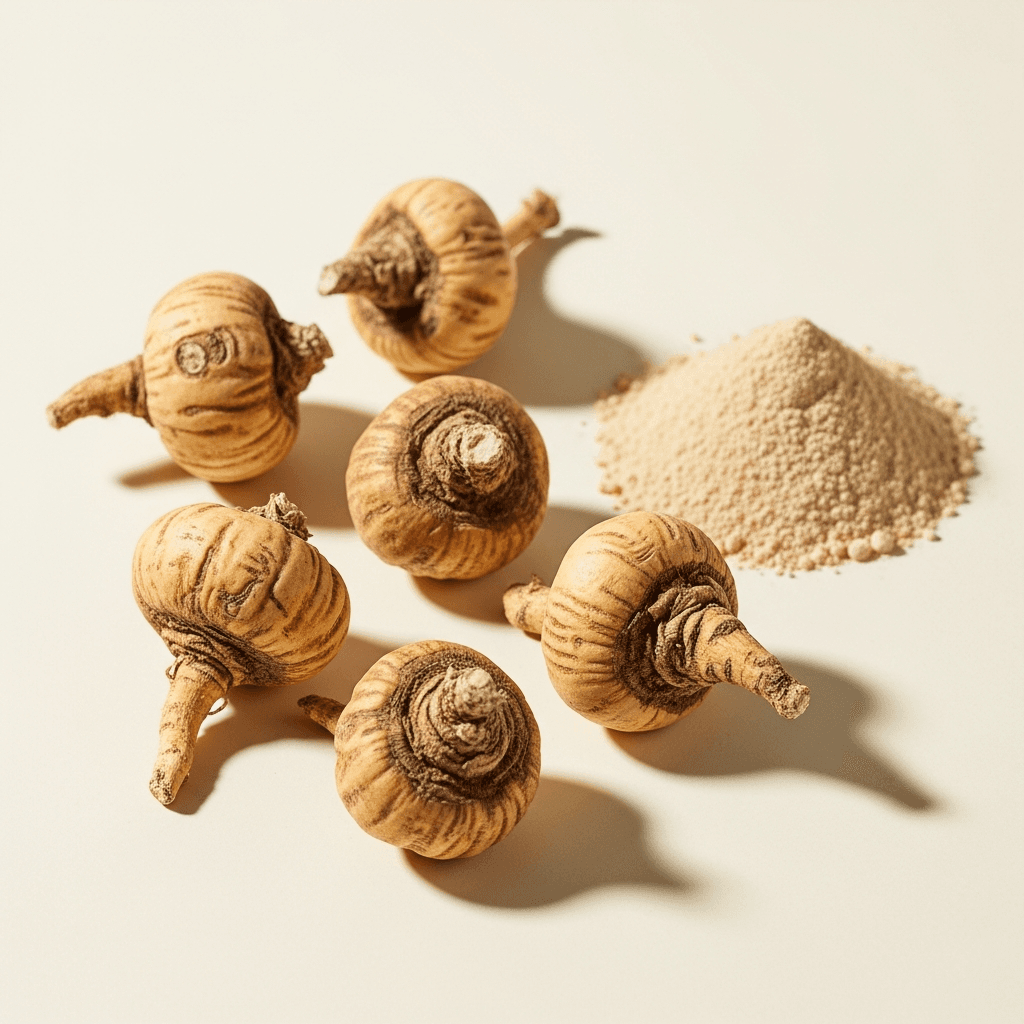 CautionSupplement
Maca root
Andean tuber traditionally used for energy and stamina.
Why
Andean tuber traditionally used for energy and stamina. RCT evidence is mixed but consistent for fatigue and mood in perimenopause.
How it works
Mechanism not fully characterised; macamides and macaenes implicated in mood and energy effects in animal models. Human RCT evidence is mixed.
Expected onset · Subjective energy/mood effects often emerge by 6–8 weeks in RCTs
How to take
Dosage
Powdered root: 1.5–3 g/day in divided doses. Trial doses range from 2 g (Meissner Maca-GO) to 3 g (sexual function trials).
Timing
Morning and afternoon with meals
Safety
Evidence
Shin 2010 BMC Complement Altern Med systematic review of maca for sexual function (4 RCTs): suggestive evidence for improvement in sexual dysfunction or libido, but small samples and heterogeneous quality. Meissner 2006 Int J Biomed Sci small RCT in early-postmenopausal women reported reduction in menopause symptom scores. Evidence base is small and mixed; traditional Andean use as an energy tonic predates modern trials.
Where to get it
Shop Maca root on AmazonSponsored · As an Amazon Associate, Healicus earns from qualifying purchases.
 Supplement
Magnesium glycinate
Bioavailable form often used for relaxation and sleep onset; modest evidence for both.
Why
Magnesium is a cofactor in hundreds of enzymatic reactions, including ones that modulate the GABA system. Glycinate (chelated to glycine) is well absorbed and gentler on the gut than oxide or citrate forms. Trials in older adults with insomnia show modest improvements in sleep onset and quality at 200–500 mg per night.
How it works
Modulates GABA-A receptor activity; cofactor for melatonin synthesis. Glycine itself binds inhibitory receptors that promote sleep onset.
Expected onset · Often noticeable within 1–2 weeks
How to take
Dosage
200–400 mg elemental magnesium 30–60 minutes before bed.
Timing
Evening, 30–60 min before bed
On the label
Look for 'magnesium glycinate' or 'magnesium bisglycinate' on the label, not oxide.
Ideal for
People with stress-related sleep difficulty or chronic mild magnesium deficiency.
Safety
Markers this may influence
Evidence
Abbasi 2012 J Res Med Sci RCT (n=46 older adults with insomnia): 500 mg/day elemental magnesium for 8 weeks vs placebo: significantly shorter sleep-onset latency (p=0.02), more total sleep time (p=0.002), and improved sleep efficiency (p=0.03). Small trial; effect is modest but consistent with the Cochrane signal of ~12 min faster sleep onset.
Where to get it
Shop Magnesium glycinate on AmazonSponsored · As an Amazon Associate, Healicus earns from qualifying purchases.
 CautionSupplement
Manganese
Essential trace mineral with EFSA claims for connective tissue, bone and energy metabolism, dietary intake usually adequate.
Why
Manganese is essential for bone formation, glucose metabolism, and antioxidant defence. EFSA has authorised health claims for manganese's contribution to normal energy-yielding metabolism, normal connective tissue formation, normal bones, and protection of cells from oxidative stress. Dietary deficiency is rare; toxicity from chronic high-dose supplementation or industrial exposure causes a parkinsonian syndrome.
How it works
Cofactor for manganese superoxide dismutase (mitochondrial antioxidant), arginase, pyruvate carboxylase, and glycosyltransferases involved in proteoglycan synthesis (bone matrix).
Expected onset · Deficiency correction over weeks (rare in adequately-nourished adults)
How to take
Dosage
RDI / adequate intake: 1.8–2.3 mg/day. Supplements: 1–5 mg/day. Avoid sustained intakes above 10 mg/day.
Timing
With food
On the label
Manganese bisglycinate or sulfate. Stated elemental manganese per dose. Often included in mineral or bone formulas.
Ideal for
Adults included in mineral-balance combinations; rarely supplemented alone.
Safety
Evidence
EFSA-authorised claims cover four separate functions of manganese. Dietary intake from grains, legumes, leafy vegetables and tea is usually adequate; routine supplementation rarely needed.
Where to get it
Shop Manganese on AmazonSponsored · As an Amazon Associate, Healicus earns from qualifying purchases.
 Supplement
Manuka honey (topical wounds)
New Zealand monofloral honey with Cochrane-supported topical use in burns and contaminated wounds.
Why
Manuka honey (from Leptospermum scoparium) is the most-studied honey for topical wound application. The Cochrane review of honey for wound healing found significant benefit in partial-thickness burns (faster healing than conventional dressings) and in some surgical and chronic wounds. UMF/MGO grading reflects the non-peroxide antibacterial activity (methylglyoxal content). Used topically; not for internal therapeutic use as a separate indication.
How it works
Methylglyoxal (the dihydroxyacetone-derived MGO) provides non-peroxide antibacterial activity active against MRSA, Pseudomonas and other wound pathogens. Low pH (3.5–4.5), high osmolarity, and bee-derived hydrogen peroxide contribute additional antimicrobial effect. Stimulates fibroblast proliferation and modulates inflammatory cytokines at the wound bed.
Expected onset · Wound progress within days; full healing of partial-thickness burns over 1–3 weeks
How to take
Dosage
Medical-grade UMF 10+/MGO 263+ honey applied to wound and covered with absorbent dressing, changed daily. For burns: apply directly under non-stick dressing after standard cooling.
Timing
Daily dressing changes until healed
On the label
'Medical-grade' honey with stated UMF (Unique Manuka Factor, ≥10+) or MGO (≥263 mg/kg). Manuka oil and manuka-honey-flavoured products are not equivalent.
Ideal for
Topical use in partial-thickness burns, contaminated minor wounds, post-surgical wound dressing under clinical care, and chronic ulcer adjunct.
Safety
Evidence
Cochrane 2015 SR (26 RCTs, n=3,011): honey shortened healing time in mild-moderate burns by ~5 days vs alternative dressings, and showed benefit in some post-operative and chronic wound contexts. Effect concentrated in partial-thickness burns and contaminated wounds; less benefit in clean surgical wounds.
Where to get it
Shop Manuka honey (topical wounds) on AmazonSponsored · As an Amazon Associate, Healicus earns from qualifying purchases.
 CautionSupplement
Marshmallow root (Althaea officinalis)
EMA-monograph mucilage herb for dry cough and sore throat, gentle coating effect on irritated mucosa.
Why
Marshmallow root (Althaea officinalis) holds EMA HMPC Traditional Use monographs for symptomatic treatment of oral or pharyngeal irritation and associated dry cough, and for mild gastrointestinal complaints. The active material is a soluble mucilage that forms a physical protective coating on inflamed mucosa. Useful as a soothing complement to mucolytic and antimicrobial respiratory herbs.
How it works
High-molecular-weight polysaccharide mucilage forms a hydrogel film on oral, pharyngeal, oesophageal and gastric mucosa, physical demulcent effect. Modulates local TRPV1 signalling, reducing cough reflex sensitisation.
Expected onset · Soothing effect within hours; symptomatic improvement over days
How to take
Dosage
Cold-water macerate: 0.5–3 g dried root in 150 ml cold water, soaked 30 min; up to 6 g/day. Syrup or lozenge: per product label.
Timing
3–4 times daily as needed
On the label
'Althaea officinalis radix' (root) or 'folium' (leaf. Separate monograph). Cold-water macerate or stated polysaccharide content preserves activity.
Ideal for
Adults and children with dry irritated cough, sore throat, mild reflux symptoms or mild gastric mucosal irritation.
Safety
Evidence
EMA classifies marshmallow root as Traditional Use for oral/pharyngeal irritation and dry cough, and for mild GI complaints. Bonaterra 2020 Phytomedicine confirmed in-vitro and animal-model reduction of cough sensitivity from purified mucilage. Modern RCT base is small; the regulatory anchor is the traditional-use registration.
Where to get it
Shop Marshmallow root (Althaea officinalis) on AmazonSponsored · As an Amazon Associate, Healicus earns from qualifying purchases.
 Supplement
Melatonin
Endogenous hormone supplement; EFSA-authorised claim for reducing time to fall asleep at 1 mg taken close to bedtime.
Why
Endogenous hormone supplement; EFSA-authorised claim for reducing time to fall asleep at 1 mg taken close to bedtime. Most useful for circadian shifts (jet lag, shift work).
How it works
Endogenous pineal hormone that binds MT1/MT2 receptors in the suprachiasmatic nucleus; shifts circadian phase and shortens sleep-onset latency.
Expected onset · Acute effect within 30–60 min; for circadian shifting allow several nights
How to take
Dosage
1 mg close to bedtime (EFSA-authorised dose for sleep-onset latency). For jet lag, 0.5–5 mg has been studied; higher doses are not more effective.
Timing
30–60 min before intended sleep time
Safety
Evidence
EFSA Scientific Opinion 2011 authorised the health claim that melatonin 1 mg taken close to bedtime contributes to a reduction in sleep-onset latency: a cause-and-effect relationship established from pooled human trial data. A separate 2010 EFSA opinion authorised the jet-lag claim. Higher doses are not more effective for sleep onset.
Where to get it
Shop Melatonin on AmazonSponsored · As an Amazon Associate, Healicus earns from qualifying purchases.
 CautionSupplement
Milk thistle (silymarin)
EMA-monograph hepatoprotective with the most consistent evidence in non-alcoholic and drug-induced liver complaints.
Why
Milk thistle (Silybum marianum) extract, standardised to silymarin (a complex of flavonolignans including silybin), holds an EMA Well-Established Use monograph for supportive treatment in chronic inflammatory liver disorders. The Cochrane review of milk thistle for alcoholic and viral hepatitis was inconclusive overall, but more recent RCTs and meta-analyses in non-alcoholic fatty liver disease report consistent improvements in ALT, AST and steatosis.
How it works
Silybin scavenges free radicals, stabilises hepatocyte membranes, inhibits hepatic stellate-cell activation (the fibrogenic cell type), and competes with toxin uptake at the hepatocyte basolateral membrane, the basis of the antidote indication in Amanita phalloides poisoning.
Expected onset · Transaminase changes typically over 8–12 weeks of consistent intake
How to take
Dosage
Silymarin 420–600 mg/day in divided doses, with food. Higher doses (1,400 mg/day) used in NAFLD trials.
Timing
With meals; divided 2–3 times daily
On the label
Look for an extract standardised to silymarin (typically 80%) or silybin specifically. Phospholipid-complex forms (e.g. Siliphos) and Legalon SIL have better bioavailability than raw extract.
Ideal for
Adults with non-alcoholic fatty liver disease, drug-induced transaminitis, or chronic mild liver enzyme elevation under clinical supervision.
Safety
Evidence
EMA HMPC classifies the fruit extract as Well-Established Use for chronic inflammatory liver disorders. Zhong 2017 Medicine meta-analysis (8 RCTs, n=587 NAFLD): silymarin significantly reduced ALT and AST vs placebo. Cochrane 2007 SR on alcoholic/viral hepatitis was inconclusive, the more consistent signal is in metabolic-associated steatohepatitis and as an adjunct in drug-induced transaminitis.
- EMA HMPC monograph, Silybum marianum (L.) Gaertn., fructus (Well-Established Use + Traditional Use)
- Zhong et al., Medicine (Baltimore) 2017, efficacy of silymarin in non-alcoholic fatty liver disease: meta-analysis
- Rambaldi et al., Cochrane Database Syst Rev 2007, milk thistle for alcoholic and/or hepatitis B or C virus liver diseases
Where to get it
Shop Milk thistle (silymarin) on AmazonSponsored · As an Amazon Associate, Healicus earns from qualifying purchases.
 CautionSupplement
MSM (methylsulfonylmethane)
Bioavailable sulphur source with modest RCT signal for knee osteoarthritis pain at 3–6 g/day.
Why
Methylsulfonylmethane (MSM) is a small organosulphur molecule that delivers bioavailable sulphur to tissues. Multiple RCTs in knee osteoarthritis report modest reductions in WOMAC pain and stiffness scores at 1.5–6 g/day over 12 weeks, with the Kim 2006 and Debbi 2011 trials carrying the cleanest design. Effect size is smaller than NSAIDs but the safety profile is very favourable.
How it works
Provides sulphur substrate for glycosaminoglycan synthesis (chondroitin sulfate, dermatan sulfate) and for glutathione synthesis. Anti-inflammatory effects via NF-κB inhibition and reduced IL-6 and TNF-α. Mild antioxidant effect at high tissue concentrations.
Expected onset · Pain reduction over 4–8 weeks
How to take
Dosage
1.5–3 g twice daily (3–6 g/day total). Trials use up to 6 g/day without dose-limiting effects.
Timing
Divided 2–3 times daily with food
On the label
OptiMSM (purified, distilled methylsulfonylmethane) is the trial-grade form. Stated grams per serving.
Ideal for
Adults with mild-to-moderate knee osteoarthritis pain seeking an additional low-risk option; people exploring NSAID-sparing approaches.
Safety
Evidence
Brien 2008 Osteoarthr Cartil systematic review (2 RCTs at the time): MSM produced significant improvements in WOMAC pain and function vs placebo over 12 weeks, with effect size modest but consistent. Kim 2006 and Debbi 2011 confirmed the signal in independent trials. Favourable safety profile is the practical advantage.
- Kim et al., Osteoarthritis Cartilage 2006, efficacy of methylsulfonylmethane for osteoarthritis pain of the knee: pilot RCT (n=50)
- Debbi et al., BMC Complement Altern Med 2011, effect of MSM on osteoarthritis of the knee (RCT, n=49)
- Brien et al., Osteoarthritis Cartilage 2008, systematic review of MSM for osteoarthritis
Where to get it
Shop MSM (methylsulfonylmethane) on AmazonSponsored · As an Amazon Associate, Healicus earns from qualifying purchases.
 CautionSupplement
Myo-inositol
Sugar alcohol with RCT signal for PCOS, comparable to metformin for ovulation restoration and metabolic markers.
Why
Myo-inositol is a sugar alcohol that functions as a second messenger in insulin and FSH signalling. Multiple RCTs in polycystic ovary syndrome (PCOS) report improvements in menstrual regularity, ovulation rate, hyperandrogenism markers, and insulin resistance, effects comparable to metformin in head-to-head trials. The 40:1 myo-inositol to D-chiro-inositol ratio (physiological ratio) is the most-studied formulation.
How it works
Component of inositol phosphoglycan second messengers that mediate insulin action at the post-receptor level. In ovarian theca cells, supports FSH signalling and oestrogen synthesis. In skeletal muscle, supports GLUT4 translocation. Restores the disrupted myo:D-chiro inositol balance documented in PCOS.
Expected onset · Cycle regularity changes over 3–6 months; metabolic markers over 8–12 weeks
How to take
Dosage
PCOS: 2 g twice daily (4 g/day total), often in a 40:1 myo:D-chiro-inositol ratio. Trials run 3–6 months.
Timing
Twice daily with food
On the label
'Myo-inositol' with stated milligrams, or '40:1 myo-inositol : D-chiro-inositol' for the physiological-ratio formulation. Avoid pure D-chiro-inositol products (different effect, not equivalent).
Ideal for
Women with PCOS, menstrual irregularity, hirsutism, fertility complaints; women undergoing IVF with PCOS phenotype.
Safety
Evidence
Unfer 2017 Endocr Connect meta-analysis (9 RCTs): myo-inositol improved insulin sensitivity, ovulation rate and total testosterone in PCOS vs placebo, with effects comparable to metformin in head-to-head trials. Costantino 2009 RCT: 4 g/day improved menstrual regularity and insulin sensitivity over 12 weeks. Strong direction of effect with very favourable tolerability profile.
- Costantino et al., Eur Rev Med Pharmacol Sci 2009, myo-inositol vs placebo in PCOS (RCT)
- Unfer et al., Endocr Connect 2017, myo-inositol for treatment of PCOS: systematic review and meta-analysis
- Raffone et al., Gynecol Endocrinol 2010, insulin sensitiser agents alone and in co-treatment with rFSH for ovulation in PCOS (RCT, myo-inositol vs metformin)
Where to get it
Shop Myo-inositol on AmazonSponsored · As an Amazon Associate, Healicus earns from qualifying purchases.
 CautionSupplement
Nettle root
EMA-monograph root extract for BPH symptoms, often combined with saw palmetto in fixed European preparations.
Why
Nettle root (Urtica dioica radix), distinct from the more familiar nettle leaf, holds an EMA HMPC monograph for relief of lower urinary tract symptoms in BPH. The combined Urtica + Serenoa fixed preparation (PRO 160/120) has multiple RCTs showing IPSS improvements comparable to tamsulosin and finasteride in mild-to-moderate BPH. Nettle root monopreparations have a smaller but directionally consistent RCT base.
How it works
Lectins and lignans inhibit sex-hormone-binding globulin (SHBG) binding to prostatic membranes and reduce aromatase activity, modulating local androgen-oestrogen balance. Polysaccharides have anti-inflammatory effects on prostatic tissue. Mechanism is distinct from but complementary to saw palmetto's 5α-reductase inhibition.
Expected onset · IPSS improvement over 8–12 weeks
How to take
Dosage
Nettle root monoextract: 600–1,200 mg/day divided. Fixed combination (PRO 160/120): one capsule twice daily (160 mg Serenoa + 120 mg Urtica per capsule).
Timing
Twice daily with food
On the label
'Nettle root' or 'Urtica dioica radix' specifically, nettle leaf is for different indications (joint discomfort, allergic rhinitis). Named extracts: PRO 160/120 (fixed combo), Bazoton, Urtica Plus.
Ideal for
Adult men with mild-to-moderate BPH symptoms, after specialist evaluation; often used in fixed combination with saw palmetto.
Safety
Evidence
Safarinejad 2005 J Herb Pharmacother RCT (n=620 BPH): nettle root extract significantly improved IPSS, urinary flow and post-void residual vs placebo over 6 months. Engelmann 2006 head-to-head RCT: the PRO 160/120 Urtica + Serenoa fixed combination was non-inferior to tamsulosin 0.4 mg for IPSS improvement at 60 weeks. EMA classifies the root as Well-Established Use for BPH symptoms.
Where to get it
Shop Nettle root on AmazonSponsored · As an Amazon Associate, Healicus earns from qualifying purchases.
 CautionSupplement
Niacinamide (nicotinamide)
Vitamin B3 derivative with RCT support for non-melanoma skin cancer prevention (ONTRAC trial) and dermatological use in acne and rosacea.
Why
Niacinamide (nicotinamide) is the amide form of vitamin B3, without the flushing effect of niacin (nicotinic acid). The ONTRAC trial (Chen NEJM 2015, n=386) reported a 23% reduction in new non-melanoma skin cancers in high-risk patients on 500 mg twice daily over 12 months, one of the highest-quality results for any supplement in oncology prevention. Separate dermatology RCTs support topical niacinamide for acne, rosacea, and skin barrier improvement.
How it works
Precursor to NAD+ and NADP+, substrates for poly-ADP-ribose polymerase (PARP)-mediated DNA repair. Restores cellular ATP in UV-stressed keratinocytes. Topically reduces sebum production, calms inflammatory acne, and supports skin barrier (filaggrin and ceramide synthesis).
Expected onset · Skin-cancer prevention assessed over 12 months; topical acne effects over 4–8 weeks
How to take
Dosage
Skin-cancer prevention: 500 mg twice daily (ONTRAC dose). Topical acne/rosacea: 4% niacinamide cream or serum once or twice daily. Dietary: 14–16 mg/day (RDI).
Timing
Oral: with meals, divided. Topical: morning and/or evening on clean skin.
On the label
'Niacinamide' or 'nicotinamide' (not nicotinic acid / niacin). Topical: 4–5% concentration is the studied range for skin claims.
Ideal for
Adults with previous non-melanoma skin cancers or actinic keratoses (under dermatology guidance); people with mild-moderate inflammatory acne or rosacea; dietary supplementation alternative to flushing niacin.
Safety
Evidence
Chen 2015 NEJM ONTRAC RCT (n=386 high-risk patients with ≥2 non-melanoma skin cancers): niacinamide 500 mg twice daily reduced new NMSC by 23% at 12 months, one of the strongest oncology-prevention signals for any supplement, in NEJM. Topical evidence for acne and rosacea is consistent across smaller RCTs.
- Chen et al., NEJM 2015, ONTRAC trial: a phase 3 randomized trial of nicotinamide for skin-cancer chemoprevention
- Walocko et al., Dermatol Ther 2017, the role of nicotinamide in acne treatment
- EFSA Reg 432/2012, niacin contributes to normal psychological function, energy-yielding metabolism, nervous system function, reduction of tiredness and fatigue (Niacinamide qualifies for these claims)
Where to get it
Shop Niacinamide (nicotinamide) on AmazonSponsored · As an Amazon Associate, Healicus earns from qualifying purchases.
 CautionSupplement
NR (nicotinamide riboside)
NAD+ precursor with multiple RCTs confirming raised whole-blood NAD+, clinical outcome trials emerging but preliminary.
Why
Nicotinamide riboside (NR) is a vitamin B3 precursor that raises whole-blood and tissue NAD+ levels in humans more efficiently than nicotinic acid or nicotinamide at equimolar doses. Multiple RCTs (Trammell, Martens, Conze, Dollerup) confirm sustained NAD+ elevation at 300–1,000 mg/day. Clinical outcome trials are emerging, small RCTs report modest blood-pressure reduction in elevated-BP adults, lower aortic stiffness, and improved metabolic markers, but disease-endpoint outcome trials are not yet available.
How it works
Converted via the salvage pathway (NRK1/NRK2 kinases) to nicotinamide mononucleotide and then to NAD+. NAD+ is the central cofactor for sirtuins, PARPs, and mitochondrial electron transport. Bypasses the rate-limiting NAMPT step that constrains nicotinamide-to-NAD+ conversion.
Expected onset · NAD+ elevation within days; clinical endpoints assessed over months
How to take
Dosage
100–500 mg/day single dose. Some trials use up to 1,000 mg/day without obvious added benefit beyond plasma NAD+ saturation.
Timing
Once daily, with or without food
On the label
Niagen (ChromaDex) is the trademarked NR ingredient used in the published trials. Stated mg per serving.
Ideal for
Adults exploring NAD+ supplementation as a longevity-focused intervention; older adults with measured NAD+ decline; people with high metabolic demand.
Safety
Evidence
Martens 2018 Nat Commun RCT (n=24 older adults): NR 1,000 mg/day for 6 weeks raised whole-blood NAD+ by ~60% and lowered systolic BP by ~10 mmHg in elevated-BP subgroup. Trammell 2016 confirmed oral bioavailability in humans. Clinical outcome trials remain small; long-term outcome evidence is the gap. NAD+ raising is established; clinical translation is provisional.
- Martens et al., Nat Commun 2018. Chronic nicotinamide riboside supplementation is well-tolerated and elevates NAD+ in healthy middle-aged and older adults (RCT)
- Trammell et al., Nat Commun 2016, nicotinamide riboside is uniquely and orally bioavailable in mice and humans
- Dollerup et al., J Physiol 2020, nicotinamide riboside does not alter mitochondrial respiration, content or morphology in skeletal muscle from obese and insulin-resistant men (RCT, null)
Where to get it
Shop NR (nicotinamide riboside) on AmazonSponsored · As an Amazon Associate, Healicus earns from qualifying purchases.
 Supplement
Omega-3 (EPA + DHA)
Cardiovascular and cognitive benefits at 1–2g combined EPA+DHA. Skip if you eat 2+ servings of fatty fish weekly.
Why
EPA and DHA are long-chain omega-3 fatty acids primarily from fatty fish. They reduce triglycerides, support cell membrane function, and are concentrated in brain tissue. Supplementation is most useful for people who don't eat fatty fish regularly. Algae-derived versions exist for vegetarians.
How it works
Incorporated into cell membranes; competes with arachidonic acid in eicosanoid synthesis, shifting inflammatory signalling toward resolution.
Expected onset · ~12 weeks for steady-state membrane uptake
How to take
Dosage
1–2g combined EPA+DHA daily (check the label, total fish oil weight is misleading).
Timing
With a meal containing fat
On the label
Look for combined EPA+DHA per serving on the label, not just 'fish oil 1000mg'. Third-party tested for purity (IFOS, USP).
Ideal for
Anyone who eats fatty fish less than twice per week.
Safety
Markers this may influence
Evidence
EFSA Reg 432/2012 authorised the health claim that EPA and DHA contribute to normal heart function at a combined intake of ≥250 mg/day, a cause-and-effect relationship established from pooled human trial data. Most useful for adults eating fatty fish less than twice per week; algae-derived sources are equivalent for vegetarians.
Where to get it
Shop Omega-3 (EPA + DHA) on AmazonSponsored · As an Amazon Associate, Healicus earns from qualifying purchases.
 CautionSupplement
Palmitoylethanolamide (PEA)
Endogenous fatty acid amide with meta-analysis signal for chronic pain, including sciatica, neuropathy, fibromyalgia and pelvic pain.
Why
Palmitoylethanolamide (PEA) is an endogenous fatty acid amide, the saturated equivalent of the endocannabinoid anandamide. Meta-analyses of RCTs (Paladini Pain Physician 2016, Artukoglu J Pain 2017) report modest reductions in chronic pain across diverse conditions including sciatica, diabetic neuropathy, fibromyalgia, pelvic pain and post-shingles neuropathic pain. Used clinically in Italy and several other European countries as a prescription dietary supplement (Normast).
How it works
Endogenous PPAR-α agonist with anti-inflammatory effects on mast cells, microglia, and astrocytes, distinct from cannabinoid receptor agonism. Modulates the 'entourage effect' on endocannabinoid signalling without binding CB1/CB2 directly.
Expected onset · Pain reduction often over 4–8 weeks; sustained effect with continuous use
How to take
Dosage
Standard: 300 mg three times daily (Normast / ultramicronised PEA). Higher doses (1,200 mg/day) used in some trials. Continue for at least 8 weeks before assessing.
Timing
Divided 2–3 times daily with meals
On the label
Ultramicronised PEA (um-PEA, Normast) is the trial-grade form with significantly better absorption than non-micronised. Stated mg per dose.
Ideal for
Adults with chronic pain conditions (sciatica, neuropathy, fibromyalgia, pelvic pain) under clinical guidance; people seeking analgesic adjunct with minimal side-effect profile.
Safety
Evidence
Paladini 2016 Pain Physician pooled meta-analysis (12 trials, n=1,484): PEA reduced pain by an average of 8.6 points more than control on 0–100 VAS scale across diverse chronic pain conditions. Artukoglu 2017 confirmed signal across an independent meta-analysis. Favourable safety profile is a practical advantage in chronic-pain contexts.
- Paladini et al., Pain Physician 2016, palmitoylethanolamide, a special food for medical purposes, in the treatment of chronic pain: a pooled data meta-analysis
- Artukoglu et al., Pain Physician 2017, the efficacy of palmitoylethanolamide for pain: a meta-analysis
- Gabrielsson et al., Br J Clin Pharmacol 2016, palmitoylethanolamide for the treatment of pain: pharmacokinetics, safety and efficacy (review)
Where to get it
Shop Palmitoylethanolamide (PEA) on AmazonSponsored · As an Amazon Associate, Healicus earns from qualifying purchases.
 Supplement
Passionflower
Gentle anxiolytic herb with EMA-monograph approval for nervous restlessness.
Why
Gentle anxiolytic herb with EMA-monograph approval for nervous restlessness. Useful when the trouble falling asleep is rumination, not the bed.
How it works
Flavonoids (especially chrysin) bind benzodiazepine sites on GABA-A receptors, producing mild anxiolytic effects.
Expected onset · Often noticeable within 1–2 weeks for subjective sleep quality
How to take
Dosage
1–2 g of dried herb as an infusion 1–4 times daily, or equivalent dry extract; consult product label for standardised preparations.
Timing
Evening for sleep support; daytime doses for restlessness
Safety
Evidence
EMA HMPC monograph registers Passiflora incarnata as a Traditional Herbal Medicinal Product for relief of mild symptoms of mental stress and to aid sleep: traditional-use registration, not full clinical authorisation. Ngan & Conduit 2011 Phytother Res small crossover RCT (n=41): passionflower tea improved subjective sleep quality vs placebo.
Where to get it
Shop Passionflower on AmazonSponsored · As an Amazon Associate, Healicus earns from qualifying purchases.
 CautionSupplement
Phosphatidylserine
Membrane phospholipid with RCT signal for age-related memory complaints and stress-related cortisol dampening.
Why
Phosphatidylserine is a phospholipid concentrated in neuronal membranes. Original RCTs used a bovine-cortex source and reported improvements in age-associated memory impairment versus placebo. Modern preparations use a soy-derived source: meta-analyses report smaller but consistent effects on memory and processing speed. A separate small body of work supports cortisol dampening after acute psychological or physical stress.
How it works
Major phospholipid of the inner leaflet of neuronal membranes; supports membrane fluidity, neurotransmitter release, and signal transduction. Modulates HPA-axis response to stress, dampening cortisol elevation after exercise or cognitive load in RCTs.
Expected onset · Cognitive effects emerge over 6–12 weeks; acute cortisol effects within hours of dosing
How to take
Dosage
Cognition: 300 mg/day divided. Stress: 400–600 mg/day before stressors. Start at 100 mg to test tolerance.
Timing
With meals; divided 2–3 times daily
On the label
'Soy phosphatidylserine' (SoyPS) with stated milligrams of PS, not total lecithin. Sunflower-derived PS exists for soy-avoiders.
Ideal for
Older adults with subjective memory complaints; high-stress adults seeking a cortisol-modulating adjunct.
Safety
Evidence
Crook 1991 Neurology RCT (n=149, bovine PS 300 mg/day): significant memory improvement in the subgroup with the lowest baseline performance. Kato-Kataoka 2010 RCT (n=78 elderly with memory complaints): 300 mg/day soy PS improved memory scores vs placebo over 6 months. Effect size modest; bovine-source trials remain the strongest single data point.
- Crook et al., Neurology 1991, bovine cortex phosphatidylserine in age-associated memory impairment (RCT)
- Kato-Kataoka et al., J Clin Biochem Nutr 2010, soybean-derived phosphatidylserine improves memory function in elderly Japanese (RCT)
- Glade & Smith, Nutrition 2015, phosphatidylserine and the human brain (review)
Where to get it
Shop Phosphatidylserine on AmazonSponsored · As an Amazon Associate, Healicus earns from qualifying purchases.
 CautionSupplement
Polypodium leucotomos (Fernblock)
Oral fern extract with multiple RCTs for photoprotection, increases minimal erythema dose and used as dermatology adjunct in polymorphic light eruption.
Why
Polypodium leucotomos (Fernblock, also marketed as Heliocare) is a fern extract from Central and South America with photoprotective effects on skin. Multiple RCTs (Middelkamp-Hup 2004 J Am Acad Dermatol, Aguilera 2013 J Am Acad Dermatol, Caccialanza 2007) document increases in minimal erythema dose and reduced phototoxicity. Used in dermatology as oral adjunct for polymorphic light eruption (PLE), solar urticaria, vitiligo (with phototherapy), and as photoprotection supplement to topical sunscreen.
How it works
Polyphenols (caffeoylquinic acids) provide systemic antioxidant capacity that reduces UV-induced reactive oxygen species in skin. Modulates UV-induced inflammatory cytokines, preserves Langerhans cell density after UV exposure, and reduces matrix metalloproteinase expression.
Expected onset · Photoprotective effect within 1–2 hours of dosing; sustained-use effects on skin biomarkers over weeks
How to take
Dosage
240 mg twice daily (Fernblock standardised extract). Many products: one 240 mg capsule 30 min before sun exposure and a second mid-day.
Timing
30 minutes before sun exposure; second dose mid-day for extended exposure
On the label
'Fernblock' (the standardised extract used in the published trials), or 'PLE' standardised extract. Heliocare is the dominant retail brand.
Ideal for
Adults prone to polymorphic light eruption or photosensitive conditions; people seeking systemic photoprotective adjunct alongside topical sunscreen, not a sunscreen replacement.
Safety
Evidence
Middelkamp-Hup 2004 J Am Acad Dermatol RCT: Polypodium leucotomos significantly reduced UV-induced erythema, sunburn cells and DNA damage in human skin. Aguilera 2013 RCT in idiopathic photodermatoses (PLE, solar urticaria) reported reduced disease severity. Used clinically across dermatology as photoprotection adjunct.
- Middelkamp-Hup et al., J Am Acad Dermatol 2004, oral Polypodium leucotomos extract decreases UV-induced damage of human skin (RCT)
- Aguilera et al., J Am Acad Dermatol 2013, Polypodium leucotomos in patients with idiopathic photodermatoses (RCT)
- Berman et al., J Clin Aesthet Dermatol 2016, safety, efficacy, and potential of Polypodium leucotomos as a photoprotective and antioxidant supplement: a review
Where to get it
Shop Polypodium leucotomos (Fernblock) on AmazonSponsored · As an Amazon Associate, Healicus earns from qualifying purchases.
 CautionSupplement
Pomegranate (Punica granatum)
Polyphenol-rich fruit with meta-analysis signal for modest blood pressure reduction and additional preclinical interest in prostate and joint health.
Why
Pomegranate (Punica granatum) juice and standardised extracts deliver punicalagin, ellagitannin, and other polyphenols converted to bioactive urolithins in the gut. Meta-analyses of RCTs report modest reductions in systolic and diastolic blood pressure. Smaller bodies of work support effect on carotid intima-media thickness (the Aviram 2004 trial), and signals on prostate cancer PSA-doubling time and knee OA biomarkers exist but are not conclusive.
How it works
Ellagitannins are metabolised by gut microbiota to urolithins A and B, which have anti-inflammatory and mitophagy-promoting effects. Direct ACE-inhibitory activity has been documented. Antioxidant effects on LDL oxidation.
Expected onset · BP effect over 4–8 weeks
How to take
Dosage
Juice: 150–500 ml/day pomegranate juice. Extract: 500–1,000 mg/day standardised to punicalagin content.
Timing
Once daily with meals
On the label
100% pomegranate juice (no added sugar) or extracts standardised to punicalagin/ellagic acid. POMx and Pomella are studied branded extracts.
Ideal for
Adults with mild hypertension or cardiovascular-risk reduction goals; people exploring polyphenol-rich functional foods.
Safety
Evidence
Sahebkar 2017 meta-analysis (8 RCTs, n=574): pomegranate juice reduced systolic BP by 4.96 mmHg and diastolic by 2.01 mmHg vs control. Aviram 2004 RCT (n=19 carotid stenosis): 50 ml/day pomegranate juice for 1 year reduced carotid intima-media thickness by 30%. Prostate signal preliminary.
- Sahebkar et al., Pharmacol Res 2017, effects of pomegranate juice on blood pressure: meta-analysis
- Aviram et al., Clin Nutr 2004, pomegranate juice consumption reduces carotid intima-media thickness, blood pressure and LDL oxidation (RCT)
- Pantuck et al., Clin Cancer Res 2006, phase II study of pomegranate juice for men with rising PSA following primary therapy
Where to get it
Shop Pomegranate (Punica granatum) on AmazonSponsored · As an Amazon Associate, Healicus earns from qualifying purchases.
 CautionSupplement
Primrose root (Primula veris)
EMA-monograph expectorant, the key component of thyme-primrose fixed combinations for productive cough.
Why
Primrose root (Primula veris and P. elatior) holds an EMA HMPC monograph as a Traditional Herbal Medicinal Product for productive cough associated with cold. Most clinical evidence comes from fixed thyme-primrose combinations (Bronchipret), where it serves as the saponin-rich expectorant component. Rarely used alone; widely used as part of standardised European phytotherapy combinations for acute bronchitis.
How it works
Triterpene saponins (primulic acid) reduce surface tension in respiratory mucus, promoting secretolysis. Reflex stimulation of vagal afferents in gastric mucosa increases bronchial secretion, the classical 'reflex expectorant' mechanism.
Expected onset · Productive cough improvement over 4–7 days
How to take
Dosage
As part of a fixed thyme-primrose combination (Bronchipret) per product label. Monopreparation: 1.5–4 g dried root daily as infusion or equivalent fluid extract.
Timing
Three times daily during symptomatic phase
On the label
Bronchipret (fixed thyme-primrose) is the most-studied form. Monopreparation: standardised fluid extract.
Ideal for
Adults and children (typically 4+ years) with productive cough associated with acute bronchitis or upper respiratory infection.
Safety
Evidence
EMA classifies primrose root as Traditional Use for productive cough, based on over 30 years of documented use in European phytotherapy. Kemmerich 2007 RCT of the thyme-primrose fixed combination (n=361) reported significantly reduced cough fits and bronchitis symptom score vs placebo over 11 days. Effect is documented within fixed combinations, not as a monopreparation.
Where to get it
Shop Primrose root (Primula veris) on AmazonSponsored · As an Amazon Associate, Healicus earns from qualifying purchases.
 CautionSupplement
Pycnogenol (French maritime pine bark)
Standardised pine bark extract with RCT signal for chronic venous insufficiency, microcirculation and mild hypertension.
Why
Pycnogenol is a standardised extract of French maritime pine bark (Pinus pinaster) containing oligomeric procyanidins, catechins and phenolic acids. RCTs and a Cochrane review report effects on chronic venous insufficiency oedema comparable to horse chestnut. A separate body of work documents reductions in retinal microcirculation impairment in diabetes and mild blood pressure reductions. Travel-related oedema and post-thrombotic syndrome have additional small RCT signal.
How it works
Procyanidins and catechins improve endothelial nitric oxide production, reduce platelet aggregation, and protect microvascular permeability. Antioxidant and anti-inflammatory effects on the vascular wall.
Expected onset · Vascular effects emerge over 4–8 weeks; BP effects over 8–12 weeks
How to take
Dosage
100–300 mg/day divided. Most CVI trials use 150–300 mg/day; blood pressure trials use 100–200 mg/day.
Timing
Divided morning and evening with food
On the label
Look specifically for 'Pycnogenol' (trademarked French maritime pine bark extract). Other 'pine bark extracts' are not equivalent to the standardised material used in trials.
Ideal for
Adults with chronic venous insufficiency, microvascular complaints, or seeking modest blood pressure support.
Safety
Evidence
Cochrane 2012 SR on Pycnogenol for chronic disorders found generally positive signal across CVI, asthma and ADHD but flagged trial quality and selective reporting concerns. Cesarone 2010 Angiology RCT (n=86 CVI): Pycnogenol 100 mg three times daily improved oedema, heaviness and ankle circumference vs placebo at 8 weeks. Effect size moderate; brand-specific evidence (other pine bark extracts not equivalent).
Where to get it
Shop Pycnogenol (French maritime pine bark) on AmazonSponsored · As an Amazon Associate, Healicus earns from qualifying purchases.
 CautionSupplement
Pygeum africanum (African plum)
Cochrane-supported African bark extract for BPH symptoms, modest but real symptomatic improvement.
Why
Pygeum africanum (Prunus africana) bark extract has been used in French pharmacopoeia for BPH since the 1960s and is the subject of one of the earliest Cochrane reviews on a herbal urological treatment. The Wilt 2002 Cochrane SR concluded the lipidosterolic extract (Tadenan) improved urological symptoms and flow measures, with modest effect sizes and a favourable adverse-event profile. Now combined with saw palmetto in some products.
How it works
Phytosterols (β-sitosterol, β-sitostanol), pentacyclic triterpenes (ursolic acid) and ferulic acid esters together inhibit basic fibroblast growth factor and modulate prostatic inflammation. Mild anti-androgenic activity (5α-reductase inhibition) at high concentrations.
Expected onset · Urinary symptom improvement over 6–8 weeks
How to take
Dosage
Standardised lipidosterolic extract (Tadenan): 100 mg/day or 50 mg twice daily.
Timing
Once daily with food, or split morning and evening
On the label
Lipidosterolic extract (Tadenan); look for sustainably-sourced bark.
Ideal for
Adult men with mild-to-moderate BPH symptoms after specialist evaluation; particularly useful when nocturia and incomplete bladder emptying dominate.
Safety
Evidence
Cochrane 2002 SR (18 RCTs, n=1,562): Pygeum africanum modestly improved urological symptoms (~19% reduction) and flow measures (~23% improvement in peak urine flow) vs placebo. Ishani 2000 quantitative meta-analysis confirmed effect with NNT around 2 for symptom improvement.
Where to get it
Shop Pygeum africanum (African plum) on AmazonSponsored · As an Amazon Associate, Healicus earns from qualifying purchases.
 CautionSupplement
Red clover (isoflavones)
Phytoestrogen source with moderate signal for hot flushes, effect smaller than black cohosh but with a different mechanism.
Why
Red clover (Trifolium pratense) is a rich source of isoflavone phytoestrogens (biochanin A, formononetin, daidzein, genistein). Meta-analyses of RCTs in postmenopausal women report a modest reduction in daily hot flush frequency versus placebo. Effect is smaller than oestrogen-based options and smaller than black cohosh in head-to-head comparisons, but offers an alternative when other options are declined or not tolerated.
How it works
Isoflavones bind weakly to oestrogen receptor β (selective oestrogen receptor modulator-like effect), more strongly than the soy isoflavones at clinical doses. Effect on the thermoregulatory threshold reduces hot flush frequency in some women.
Expected onset · Symptom changes typically over 8–12 weeks
How to take
Dosage
Standardised isoflavone extract: 40–80 mg/day total isoflavones (Promensil, Menoflavon).
Timing
Once daily with food
On the label
Standardised to total isoflavone content (e.g. Promensil 40 mg, Menoflavon 80 mg). Raw red clover tea is too dilute for the trial doses.
Ideal for
Postmenopausal women with troublesome hot flushes who prefer a phytoestrogen approach over central-acting botanicals.
Safety
Evidence
Myers 2017 Maturitas meta-analysis (5 trials with daily flush frequency data): red clover isoflavones reduced daily flushes by 1.7 vs 0.8 on placebo. Cochrane 2013 SR concluded a modest signal at higher isoflavone doses (≥80 mg/day genistein-equivalent). Effect smaller than HRT and smaller than black cohosh in indirect comparison.
- Lethaby et al., Cochrane Database Syst Rev 2013, phytoestrogens for vasomotor menopausal symptoms
- Myers & Vigar, Maturitas 2017, effects of red clover isoflavones on hot flush frequency: systematic review and meta-analysis
- Geller et al., Menopause 2009, Promensil red clover for menopausal symptoms (RCT, n=89)
Where to get it
Shop Red clover (isoflavones) on AmazonSponsored · As an Amazon Associate, Healicus earns from qualifying purchases.
 CautionSupplement
Reishi
Adaptogenic medicinal mushroom.
Why
Adaptogenic medicinal mushroom. RCT evidence for immune modulation and quality of life in cancer adjunct contexts; broader immunomodulation suggestive.
How it works
β-glucans and triterpenoids modulate immune-cell activity in preclinical models; clinical evidence concentrated in cancer-adjunct quality-of-life trials.
How to take
Dosage
Studied range: 1.5–9 g/day of standardized extract across trials. Heterogeneity is high, products vary widely in β-glucan content, no single regimen carries strong consensus.
Safety
Evidence
Jin 2016 Cochrane review (5 RCTs, n=373 cancer patients): Ganoderma lucidum as adjunct to conventional treatment was associated with higher likelihood of positive response and improved immune-cell function vs control, with limited effect on tumour response or mortality. Cochrane rated evidence as limited and low-quality; broader immunomodulation in healthy adults is suggestive but not established.
β-glucan content varies widely between products, and trial regimens are heterogeneous, no single dose or onset timeline carries strong consensus. Cochrane evidence is concentrated in cancer-adjunct quality-of-life trials rather than broad immunomodulation.
Where to get it
Shop Reishi on AmazonSponsored · As an Amazon Associate, Healicus earns from qualifying purchases.
 CautionSupplement
Rhodiola rosea
Adaptogen with EMA monograph for fatigue and stress symptoms. Best in the morning.
Why
Rhodiola rosea has been used historically for endurance under fatigue. Trials in mild-to-moderate burnout and stress-related fatigue show modest improvements in self-reported energy and cognitive performance. Useful when stress presents as flat, drained energy more than wired anxiety.
How it works
Rosavins and salidroside modulate monoamine neurotransmitters (serotonin, dopamine, norepinephrine) and reduce cortisol response to acute stress.
Expected onset · 1–2 weeks for fatigue / energy effects
How to take
Dosage
200–400 mg/day of standardized extract (3% rosavins, 1% salidroside).
Timing
Morning, on empty stomach
On the label
Look for SHR-5 or standardized to 3% rosavins, 1% salidroside.
Ideal for
People with stress-related fatigue rather than acute anxiety.
Safety
Evidence
EMA HMPC monograph registers Rhodiola rosea root as a Traditional Herbal Medicinal Product for symptoms of asthenia (fatigue and weakness): traditional-use registration based on consistent reports of modest improvements in stress-related fatigue and cognitive performance across small RCTs.
Where to get it
Shop Rhodiola rosea on AmazonSponsored · As an Amazon Associate, Healicus earns from qualifying purchases.
 CautionSupplement
Rhubarb root (Rheum palmatum / officinale)
EMA-monograph Chinese-medicine root for short-term constipation, same hydroxyanthracene class as senna and cascara.
Why
Medicinal rhubarb root (Rheum palmatum or R. officinale, distinct from culinary garden rhubarb R. rhabarbarum) holds an EMA HMPC Traditional Use monograph for short-term occasional constipation. Used in TCM as Da Huang for many centuries; the same hydroxyanthracene mechanism as senna. Astringent tannins give it a 'dual' action, stimulant at high doses, mildly astringent at low doses.
How it works
Anthraquinone glycosides (sennosides, rhein, emodin) are hydrolysed in the colon to active aglycones with stimulant laxative effect. Tannin content provides paradoxical low-dose astringent effect.
Expected onset · 8–12 hours after a single dose
How to take
Dosage
Standardised to deliver 15–30 mg hydroxyanthracene derivatives at bedtime. Limit to 1–2 weeks continuous use.
Timing
Bedtime, effect 8–12 hours later
On the label
Medicinal rhubarb (Rheum palmatum or R. officinale) is distinct from culinary garden rhubarb. EMA-registered traditional medicinal products comply.
Ideal for
Adults with short-term occasional constipation; not for chronic use.
Safety
Evidence
EMA classifies medicinal rhubarb root at Traditional Use for short-term occasional constipation. Same hydroxyanthracene safety profile as senna and cascara.
Where to get it
Shop Rhubarb root (Rheum palmatum / officinale) on AmazonSponsored · As an Amazon Associate, Healicus earns from qualifying purchases.
 CautionSupplement
Rosemary essential oil (topical, AGA)
Topical essential oil with head-to-head RCT showing non-inferiority to 2% minoxidil for androgenetic alopecia.
Why
Rosemary essential oil (Rosmarinus officinalis) topical preparations have a single positive head-to-head RCT, Panahi 2015 Skinmed (n=100 men with AGA), that found 6 months of daily topical rosemary oil non-inferior to 2% minoxidil for hair count, with less scalp itch. Smaller open studies and animal work support 5α-reductase inhibition and improved microcirculation as mechanism. Practical option for adults preferring a botanical first-line in mild AGA.
How it works
Carnosic acid and 1,8-cineole improve scalp microcirculation. Rosmarinic acid weakly inhibits 5α-reductase, reducing local dihydrotestosterone production. Activates Wnt pathway in dermal papilla cells in vitro.
Expected onset · Hair count changes over 3–6 months (slow, like minoxidil)
How to take
Dosage
Diluted rosemary essential oil (typically 5–10% in carrier oil like jojoba or coconut), applied to scalp once daily, massaged in for 1–2 minutes.
Timing
Once daily, evening application gives time before sleep
On the label
Rosemary essential oil (Rosmarinus officinalis), pre-diluted scalp formulation, or self-dilute to 5–10% in a carrier. Therapeutic-grade essential oil from a reputable supplier.
Ideal for
Adults with mild androgenetic alopecia preferring a topical botanical option, particularly those who experience minoxidil side effects.
Safety
Evidence
Panahi 2015 Skinmed direct head-to-head RCT (n=100 men with AGA): topical rosemary oil produced significant hair-count increase at 6 months, non-inferior to 2% minoxidil, with significantly less scalp itch (20% vs 51%). Single RCT, needs replication, but the head-to-head design is unusually direct for a botanical.
Where to get it
Shop Rosemary essential oil (topical, AGA) on AmazonSponsored · As an Amazon Associate, Healicus earns from qualifying purchases.
 CautionSupplement
Sage (Salvia officinalis)
EMA-monograph herb for sore throat (gargle) and excessive perspiration including menopausal hot flushes.
Why
Sage (Salvia officinalis) holds EMA HMPC monographs for two indications: relief of mild inflammations of the mouth and throat (Well-Established Use, topical gargle/spray) and symptomatic relief of excessive perspiration including night sweats. RCTs in menopausal vasomotor symptoms report reductions in hot flush frequency and severity.
How it works
Tannins, rosmarinic acid and essential oil components have local astringent and antiseptic effect in the oropharynx, the basis of the throat indication. Anti-cholinergic activity at sweat-gland muscarinic receptors and central serotonergic effects contribute to the antihidrotic and menopausal signal.
Expected onset · Sore throat: within hours. Hot flushes: typically over 4–8 weeks.
How to take
Dosage
Sore throat: gargle/spray three times daily with a standardised preparation (e.g. tincture diluted in water). Hot flushes: 300 mg dried-leaf tablet daily, or a standardised fresh-leaf extract per product label.
Timing
Sore throat: at symptom onset, repeat 3–4× daily. Hot flushes: daily, morning or split dosing.
On the label
For sore throat: aqueous extract or essential-oil spray with stated rosmarinic acid content. For hot flushes: dried-leaf tablets or fresh-leaf preparations, not the pure essential oil.
Ideal for
Adults with sore throat (gargle/spray formulations); menopausal women with troublesome hot flushes seeking a non-hormonal botanical option.
Safety
Evidence
EMA HMPC classifies aqueous sage preparations as Well-Established Use for mild inflammations of the mouth and throat, the higher regulatory tier requiring bibliographic clinical evidence. Hubbert 2006 RCT (n=286): a 15% sage spray significantly reduced throat pain vs placebo at 2 hours. Bommer 2011 open trial in menopausal hot flushes: 50% reduction in flush frequency over 8 weeks.
Where to get it
Shop Sage (Salvia officinalis) on AmazonSponsored · As an Amazon Associate, Healicus earns from qualifying purchases.
 CautionSupplement
SAMe (S-adenosyl-L-methionine)
Methyl-donor cofactor with antidepressant RCTs comparable to SSRIs and additional signal for osteoarthritis pain.
Why
S-adenosyl-L-methionine (SAMe) is the universal methyl donor in human biochemistry. Two RCT bodies are relevant. In depression: an AHRQ systematic review and individual RCTs report effects comparable to imipramine and escitalopram, including as augmentation of SSRI non-responders. In osteoarthritis: a Cochrane review found broadly similar pain reduction to NSAIDs with fewer adverse events. SAMe is unstable as a raw molecule; stabilised salt forms and enteric coating matter.
How it works
Donates methyl groups for synthesis of monoamine neurotransmitters (serotonin, dopamine, noradrenaline) and for the methylation of phospholipids, DNA, and cartilage proteoglycans.
Expected onset · Mood: 2–4 weeks. OA pain: 1–2 weeks for symptom reduction.
How to take
Dosage
Depression: 800–1,600 mg/day divided. OA: 600–1,200 mg/day. Start at the lower end and titrate.
Timing
Morning and midday on empty stomach; can cause activation late in the day
On the label
Look for 'SAMe tosylate' or 'SAMe butanedisulfonate' in enteric-coated tablets, with stated milligrams of active SAMe (not total salt weight).
Ideal for
Adults with mild-to-moderate low mood who want fewer drug interactions than St John's wort, or with osteoarthritis pain when NSAIDs are poorly tolerated.
Safety
Evidence
Sarris 2010 Am J Psychiatry double-blind RCT (n=73): SAMe 800 mg twice daily added to SSRI in non-responders gave significantly higher HAM-D response (36%) and remission (26%) vs placebo over 6 weeks. Cochrane 2009 SR on SAMe for hip/knee OA found symptom benefit comparable to NSAIDs with fewer adverse events, though the authors flagged small trial sizes.
Where to get it
Shop SAMe (S-adenosyl-L-methionine) on AmazonSponsored · As an Amazon Associate, Healicus earns from qualifying purchases.
 CautionSupplement
Saw palmetto
EMA Well-Established Use for BPH symptoms, Cochrane evidence is mixed but the standardised hexane extract (Permixon) carries the cleanest positive signal.
Why
Saw palmetto (Serenoa repens) berry extract holds an EMA HMPC monograph at the Well-Established Use level for relief of lower urinary tract symptoms related to benign prostatic hyperplasia. The Cochrane review's overall conclusion was that saw palmetto is not more effective than placebo for lower urinary tract symptoms, but the hexanic lipidosterolic extract (Permixon), distinct from many off-the-shelf products, has shown effects in head-to-head trials comparable to tamsulosin and finasteride. Product form is the central distinction.
How it works
Inhibits 5α-reductase (the enzyme that converts testosterone to dihydrotestosterone), modulates androgen receptor signalling, and has anti-inflammatory effects in prostatic tissue. The hexanic extract has distinct phytosterol profile vs ethanolic and CO2 extracts, likely accounting for the differential trial results.
Expected onset · Symptom-score improvement typically over 6–12 weeks; sustained effect at 6 months
How to take
Dosage
Hexanic extract (Permixon): 320 mg/day single dose. Standard liposterolic extract: 160 mg twice daily.
Timing
Once daily with main meal
On the label
'Hexanic lipidosterolic extract' or 'Permixon' carries the strongest evidence. Generic ethanolic or CO2 extracts have inconsistent trial results.
Ideal for
Adult men with mild-to-moderate lower urinary tract symptoms attributable to BPH, after specialist evaluation has excluded prostate cancer.
Safety
Evidence
Cochrane 2012 SR (32 RCTs, n=5,666) concluded saw palmetto extracts overall not better than placebo for BPH symptoms. Vela-Navarrete 2018 BJU Int meta-analysis of the hexanic Permixon extract specifically (15 RCTs, n=3,053): significant IPSS reductions vs placebo and non-inferiority to tamsulosin and short-cycle finasteride. EMA classifies the extract as Well-Established Use, the higher regulatory tier.
- EMA HMPC monograph, Serenoa repens (Bartram) Small, fructus (Well-Established Use)
- Tacklind et al., Cochrane Database Syst Rev 2012, Serenoa repens for benign prostatic hyperplasia
- Vela-Navarrete et al., BJU Int 2018, efficacy and safety of hexanic Serenoa repens extract in BPH: PERMIN systematic review and meta-analysis
Where to get it
Shop Saw palmetto on AmazonSponsored · As an Amazon Associate, Healicus earns from qualifying purchases.
 Supplement
Selenium
Trace element with EFSA-authorised claims for thyroid and immune function; specific RCT signal for autoimmune thyroiditis.
Why
Selenium is an essential trace element with two EFSA-authorised health claims relevant here, for normal thyroid function and for normal immune function. Beyond baseline adequacy, several RCTs report reductions in thyroid peroxidase (TPO) antibody titres in Hashimoto's thyroiditis at 200 µg/day. The SELECT cancer-prevention trial in well-nourished adults showed no benefit and a non-significant prostate cancer signal, so supplementation above adequacy needs clinical context.
How it works
Cofactor for selenoproteins, glutathione peroxidase (antioxidant defence), thioredoxin reductase (redox balance), and iodothyronine deiodinases (conversion of T4 to active T3). In autoimmune thyroiditis, restoring selenoenzyme activity reduces oxidative thyrocyte damage that drives the antibody response.
Expected onset · TPO antibody reductions emerge over 3–6 months
How to take
Dosage
Maintenance: 55–100 µg/day. Hashimoto's RCTs: 200 µg/day for 3–6 months. Avoid sustained intake above 400 µg/day.
Timing
With food
On the label
Selenomethionine or selenium yeast (better retained than sodium selenite). Stated micrograms per serving.
Ideal for
Adults with autoimmune thyroiditis (Hashimoto's) and documented TPO antibodies; people with low selenium intake in low-selenium regions (parts of Europe and China).
Safety
Evidence
EFSA-authorised claims cover normal thyroid and immune function, the highest regulatory tier in EU food law. Wichman 2016 Thyroid meta-analysis (16 RCTs): 200 µg/day selenium reduced TPO antibodies at 3 and 6 months in autoimmune thyroiditis. Lippman 2009 SELECT (n=35,533): no cancer-prevention benefit in well-nourished men, narrow therapeutic window limits indefinite high-dose use.
- EFSA Reg 432/2012 authorised claims, 'Selenium contributes to normal thyroid function / normal function of the immune system'
- Wichman et al., Thyroid 2016, selenium supplementation significantly reduces TPO antibody concentrations in patients with chronic autoimmune thyroiditis: meta-analysis
- Lippman et al., JAMA 2009, SELECT: effect of selenium and vitamin E on prostate cancer (RCT)
Where to get it
Shop Selenium on AmazonSponsored · As an Amazon Associate, Healicus earns from qualifying purchases.
 CautionSupplement
Silexan lavender (oral WS 1265)
Standardised oral lavender oil preparation (Lasea), registered in DE/AT for subthreshold and generalised anxiety with multiple RCTs and head-to-head non-inferiority to lorazepam.
Why
Silexan (WS 1265) is a patented standardised oral preparation of Lavandula angustifolia essential oil, registered as the medicinal product Lasea in Germany and Austria. Distinct from inhaled or topical lavender aromatherapy and from the existing lavender catalogue entry. Multiple RCTs (Kasper 2010 onwards) document significant reductions in subthreshold and generalised anxiety, with a head-to-head non-inferiority RCT against lorazepam in GAD (Woelk 2010). The Möller 2019 meta-analysis confirmed effect on Hamilton Anxiety Scale across the GAD trial set.
How it works
Linalool and linalyl acetate (the principal monoterpenoid actives) reduce presynaptic calcium influx in serotonergic and noradrenergic neurons via voltage-dependent calcium channel modulation. Non-benzodiazepine GABAergic involvement is proposed but pharmacologically distinct.
Expected onset · Effects emerge over 1–2 weeks; full effect by 6–10 weeks
How to take
Dosage
Silexan (Lasea): 80 mg once daily (one soft gelatine capsule).
Timing
Once daily, morning or evening as preferred
On the label
Specifically 'Silexan' or 'WS 1265' or 'Lasea': the registered medicinal preparation. Generic lavender oil capsules are not pharmacologically equivalent.
Ideal for
Adults with subthreshold anxiety, mixed anxiety-depression, or generalised anxiety disorder seeking a non-benzodiazepine, non-SSRI option, particularly when pharmaceutical sedation is unwanted.
Safety
Evidence
Woelk 2010 Phytomedicine head-to-head non-inferiority RCT (n=77 GAD): Silexan 80 mg/day non-inferior to lorazepam 0.5 mg/day on HAM-A score over 6 weeks, with no sedation and no dependence signal. Möller 2019 meta-analysis confirmed effect on Hamilton Anxiety Scale across the trial set. Registered as the medicinal product Lasea in DE/AT: a clinical-grade regulatory anchor.
- Kasper et al., Int J Neuropsychopharmacol 2014, Silexan in anxiety disorders: clinical data and pharmacological background (review)
- Woelk & Schläfke, Phytomedicine 2010, multi-center, double-blind, randomised study of Silexan vs lorazepam in subjects with generalised anxiety disorder
- Möller et al., Int J Neuropsychopharmacol 2019, beneficial effects of Silexan in subsyndromal anxiety: meta-analysis of randomised, placebo-controlled trials
Where to get it
Shop Silexan lavender (oral WS 1265) on AmazonSponsored · As an Amazon Associate, Healicus earns from qualifying purchases.
 CautionSupplement
Soy isoflavones
Phytoestrogen meta-analysis support for menopausal hot flush reduction, modest, slow onset, requires daidzein-equol metaboliser status.
Why
Soy isoflavones (genistein, daidzein, glycitein) have been studied for menopausal vasomotor symptoms for two decades. The Taku 2012 Menopause meta-analysis reported a 20.6% reduction in hot flush frequency and a 26.2% reduction in severity at ≥54 mg/day genistein-equivalents. Effect is more consistent in equol-producers (a subset of women whose gut microbiota convert daidzein to the more potent equol). EFSA has not yet authorised a hot-flush claim, citing methodological heterogeneity.
How it works
Isoflavones bind preferentially to oestrogen receptor β (vs α), producing tissue-selective oestrogenic effects, SERM-like. Equol (gut bacterial metabolite of daidzein) has stronger ER-β affinity than the parent isoflavone, and equol-producers show larger clinical effects.
Expected onset · Vasomotor effect emerges over 8–12 weeks
How to take
Dosage
≥54 mg/day genistein-equivalents from standardised extract for hot flush effect. Dietary intake from soy foods provides ~25–50 mg/day in soy-consuming populations.
Timing
Once daily with food
On the label
Standardised genistein and daidzein content per serving. Fermented soy (natto, miso, tempeh) and red clover (separate card) are alternative isoflavone sources.
Ideal for
Postmenopausal women with troublesome vasomotor symptoms seeking a phytoestrogen approach.
Safety
Evidence
Taku 2012 Menopause meta-analysis (19 RCTs, n=1,278): soy isoflavones ≥54 mg/day reduced daily hot flush frequency by ~20% and severity by ~26%. Effect smaller than HRT but consistent in direction. Equol-producer status (about 30–50% of women) appears to predict response, a personalisation factor.
- Taku et al., Menopause 2012, extracted or synthesized soybean isoflavones reduce menopausal hot flash frequency and severity: systematic review and meta-analysis
- Setchell & Cole, J Nutr 2006, method of defining equol-producer status and its frequency among vegetarians
- Chen et al., Menopause 2015, efficacy of phytoestrogens for menopausal symptoms: meta-analysis
Where to get it
Shop Soy isoflavones on AmazonSponsored · As an Amazon Associate, Healicus earns from qualifying purchases.
 CautionSupplement
Soy protein (isolate)
FDA structure-function claim for cholesterol reduction and protein-substitute use, modest effect, smaller than later meta-analyses suggested originally.
Why
Soy protein isolate holds an FDA-authorised structure-function claim that 25 g/day, as part of a diet low in saturated fat and cholesterol, may reduce risk of heart disease. The Anderson 1995 NEJM meta-analysis originally reported a 9% LDL reduction at the 25 g threshold; later FDA re-evaluation and subsequent meta-analyses found effects closer to 3–4% reduction. As a protein source for muscle synthesis it is comparable to whey at matched leucine content.
How it works
Combined effect of isoflavone phytoestrogens, soy peptides on cholesterol absorption, and substitution effect when replacing animal protein in the diet (reduced saturated fat). Muscle protein synthesis equivalent to whey at matched leucine intake.
Expected onset · Lipid effects over 8–12 weeks; muscle protein synthesis acute (post-workout)
How to take
Dosage
Cholesterol effect: 25 g/day soy protein. Protein supplementation: 20–40 g per serving as needed for protein-intake targets.
Timing
With or between meals; post-workout for muscle synthesis
On the label
'Soy protein isolate' (90%+ protein), distinct from soy concentrate or flour. Non-GMO certification if relevant. Stated grams protein per serving.
Ideal for
Adults with mild dyslipidaemia or seeking plant-protein options for muscle building; vegetarians/vegans needing concentrated protein.
Safety
Evidence
Anderson 1995 NEJM meta-analysis originally reported 9% LDL reduction at 25 g/day, later analyses found 3–4%. FDA maintains the 25 g/day soy protein cholesterol claim under structure-function regulation. Tang 2009 confirmed soy protein isolate produces meaningful muscle protein synthesis.
- Anderson et al., NEJM 1995, meta-analysis of the effects of soy protein intake on serum lipids
- Jenkins et al., Am J Clin Nutr 2010, soy protein reduces serum cholesterol by both intrinsic and food displacement mechanisms (RCT)
- Tang et al., J Appl Physiol 2009, ingestion of whey hydrolysate, casein, or soy protein isolate: effects on mixed muscle protein synthesis at rest and following resistance exercise in young men
Where to get it
Shop Soy protein (isolate) on AmazonSponsored · As an Amazon Associate, Healicus earns from qualifying purchases.
 CautionSupplement
Spirulina (Arthrospira platensis)
Blue-green algae with meta-analysis signal for modest lipid reduction and a separate signal for allergic rhinitis.
Why
Spirulina (Arthrospira platensis and A. maxima) is a blue-green algae long used as a food in central American and African cultures. Meta-analyses of RCTs report modest reductions in total cholesterol, LDL and triglycerides at 1–10 g/day. A smaller body of work supports use in allergic rhinitis, RCTs report reductions in nasal symptoms and serum IgE at 2 g/day. Heavy metal and microcystin contamination of poorly-sourced spirulina is the practical safety limit.
How it works
Phycocyanin and γ-linolenic acid (GLA) reduce lipid peroxidation and modulate inflammatory cytokine signalling. Mechanism in allergic rhinitis involves Th1/Th2 balance shift and reduced IL-4 production. Protein content (~60% by weight) provides essential amino acids.
Expected onset · Lipid effects over 8–12 weeks; allergic rhinitis effects over 2–8 weeks
How to take
Dosage
Lipid effect: 1–10 g/day divided. Allergic rhinitis: 2 g/day divided. Tablets or powder dissolved in liquid.
Timing
Divided 2–3 times daily with food
On the label
Organic certified spirulina with stated heavy-metal testing. Avoid bulk wild-collected material, microcystin contamination is real.
Ideal for
Adults with mild dyslipidaemia or seasonal allergic rhinitis seeking a dietary approach; people exploring plant-protein sources with concentrated micronutrients.
Safety
Evidence
Serban 2016 Clin Nutr meta-analysis (7 RCTs, n=522): spirulina reduced total cholesterol by 0.61 mmol/L, LDL by 0.42 mmol/L and triglycerides by 0.55 mmol/L vs control. Cingi 2008 RCT (n=129 allergic rhinitis): spirulina 2 g/day significantly reduced nasal discharge, congestion and itching vs placebo over 6 months. Effect modest but consistent.
- Serban et al., Clin Nutr 2016, effect of spirulina on plasma lipids: meta-analysis
- Cingi et al., Eur Arch Otorhinolaryngol 2008, Spirulina platensis for allergic rhinitis (RCT, n=129)
- Karkos et al., Evid Based Complement Alternat Med 2011, spirulina in clinical practice: evidence-based human applications
Where to get it
Shop Spirulina (Arthrospira platensis) on AmazonSponsored · As an Amazon Associate, Healicus earns from qualifying purchases.
 CautionSupplement
St. John's wort oil (topical)
EMA-monograph red oil maceration for minor wounds, mild sunburn, and muscle-related skin discomfort. Separate from the antidepressant oral use.
Why
St. John's wort macerated oil (the red infused oil of Hypericum perforatum flowering tops in olive or sunflower oil) holds an EMA HMPC monograph at Traditional Use for symptomatic treatment of minor inflammations of the skin (such as sunburn) and as an aid in the healing of minor wounds. The active hyperforin and hypericin are stable in oil maceration. Distinct from the oral antidepressant extract, same plant, different preparation and indication.
How it works
Hyperforin and hypericin in the oil maceration produce anti-inflammatory effects on cyclooxygenase pathways and stimulate fibroblast proliferation. The red colour comes from hypericin photodimers and is a visual marker of correct preparation.
Expected onset · Wound healing over days; sunburn relief acute
How to take
Dosage
Topical oil or ointment: apply 2–3 times daily to affected area for up to 2 weeks.
Timing
Several times daily during the symptomatic phase
On the label
Macerated oil of Hypericum perforatum flowering tops, should be deep red colour. Olive oil or sunflower oil base. Distinct from St John's wort tincture or dry extract (for oral antidepressant use).
Ideal for
Adults with minor abrasions, mild sunburn, post-procedural skin healing, or muscle-related skin tenderness seeking a traditional topical preparation.
Safety
Evidence
EMA classifies the macerated oil at Traditional Use for minor skin inflammations and minor wound healing. Samadi 2010 RCT (n=144 caesarean-section women): Hypericum oil-treated wounds had significantly better healing scores and lower pain than placebo or routine care at 10 days.
Where to get it
Shop St. John's wort oil (topical) on AmazonSponsored · As an Amazon Associate, Healicus earns from qualifying purchases.
 CautionSupplement
Tart cherry (Montmorency)
Naturally melatonin-containing fruit concentrate with small RCTs for sleep and exercise recovery.
Why
Tart cherry (Prunus cerasus, Montmorency cultivar) contains naturally occurring melatonin plus a high tryptophan-to-large-neutral-amino-acid ratio. Small RCTs in adults with insomnia symptoms and in older adults report modest improvements in total sleep time and night-time wakings. A separate body of work documents reduced muscle soreness and inflammation markers after eccentric exercise.
How it works
Endogenous melatonin content (~13 ng/g in Montmorency) plus tryptophan availability favours melatonin synthesis. Anthocyanin antioxidants additionally dampen exercise-induced oxidative stress.
Expected onset · Sleep effects often visible within 1–2 weeks; recovery effects within days of strenuous training
How to take
Dosage
240 ml of Montmorency tart cherry juice twice daily (morning + 1–2 h before bed) for 1–2 weeks, the protocol used in the Pigeon and Howatson trials. Concentrate: typically 30 ml in water twice daily.
Timing
Morning and ~1 hour before bed
On the label
Look specifically for 'Montmorency tart cherry'; sweet-cherry products do not carry the same melatonin content.
Ideal for
Adults with mild insomnia who prefer a food-based source of melatonin, or active people looking for a recovery aid.
Safety
Evidence
Howatson 2012 Eur J Nutr crossover RCT (n=20 healthy adults): 30 ml Montmorency concentrate twice daily for 7 days raised urinary melatonin, total sleep time and sleep efficiency vs placebo. Losso 2018 small pilot (n=8 older adults with insomnia) reported greater total sleep time vs placebo. Effect modest; trials small but directionally consistent.
Where to get it
Shop Tart cherry (Montmorency) on AmazonSponsored · As an Amazon Associate, Healicus earns from qualifying purchases.
 CautionSupplement
Tea tree oil topical
Australian essential oil with RCT signal for acne (vs benzoyl peroxide), tinea pedis, and seborrhoeic dermatitis.
Why
Tea tree oil (Melaleuca alternifolia) is a long-established Australian antimicrobial essential oil. The Bassett RCT compared 5% tea tree oil with 5% benzoyl peroxide for acne and found similar reduction in inflammatory lesions with fewer side effects and slower onset on tea tree. Separate small RCTs support effect on tinea pedis (athlete's foot), seborrhoeic dermatitis, and MRSA decolonisation as part of broader regimens.
How it works
Terpinen-4-ol (the principal active component) disrupts microbial cell membranes by binding the lipid bilayer. Anti-inflammatory effects in keratinocytes via reduced histamine-induced cytokine release.
Expected onset · Acne: reduction in inflammatory lesions over 4–6 weeks. Tinea pedis: symptom relief within 2 weeks, full resolution over 4 weeks.
How to take
Dosage
Acne: 5% gel applied to affected areas twice daily. Tinea pedis: 25–50% solution applied twice daily for 4 weeks. Always patch-test before broad application.
Timing
Twice daily during the symptomatic phase
On the label
Look for 'Melaleuca alternifolia oil' compliant with ISO 4730 standard. Storage in dark glass away from heat preserves terpinen-4-ol content.
Ideal for
Adults with mild-to-moderate inflammatory acne; people with mild fungal skin infections or seborrhoeic dermatitis seeking a topical option.
Safety
Evidence
Bassett 1990 Med J Aust RCT (n=124 acne): 5% tea tree oil similar to 5% benzoyl peroxide for inflammatory lesion reduction over 3 months, with fewer side effects but slower onset. Enshaieh 2007 RCT (n=60): 5% tea tree oil gel reduced total acne lesion count vs placebo over 45 days. Tinea pedis RCTs support 25–50% solutions; lower concentrations are less effective.
- Bassett et al., Med J Aust 1990, tea tree oil vs benzoyl peroxide for acne (RCT, n=124)
- Enshaieh et al., Indian J Dermatol Venereol Leprol 2007, 5% tea tree oil gel for mild-moderate acne (RCT, n=60)
- Carson et al., Clin Microbiol Rev 2006, Melaleuca alternifolia (tea tree) oil: a review of antimicrobial and other medicinal properties
Where to get it
Shop Tea tree oil topical on AmazonSponsored · As an Amazon Associate, Healicus earns from qualifying purchases.
 CautionSupplement
Tongkat Ali (Eurycoma longifolia)
Southeast Asian root with RCT signal for free testosterone elevation in hypogonadal men and stress-cortisol modulation.
Why
Tongkat Ali (Eurycoma longifolia) root, colloquially 'Malaysian ginseng', has accumulated a small but consistent RCT body for elevation of free testosterone in age-related hypogonadism and in stress-related low-testosterone states. The Tambi 2012 trial reported normalisation of testosterone in 90% of subclinical hypogonadal men over 1 month. A separate Talbott trial documented reduced cortisol and improved tension-anger scores in moderately stressed adults.
How it works
Quassinoid eurycomanone may inhibit aromatase and increase free testosterone via reduced SHBG-binding. Cortisol-lowering effect through HPA-axis modulation may be relevant for stress-induced functional hypogonadism.
Expected onset · Hormonal markers over 4–8 weeks; stress markers within 2–4 weeks
How to take
Dosage
Standardised water-soluble extract (Physta): 200–400 mg/day. Some trials use 100 mg twice daily.
Timing
Morning, with food
On the label
Standardised water-soluble extract (Physta®) or stated eurycomanone content. Avoid bulk-grade powder without third-party testing.
Ideal for
Adult men with age-related or stress-related testosterone decline (after specialist assessment); active men with chronic high-stress exposure exploring adaptogenic adjuncts.
Safety
Evidence
Tambi 2012 Andrologia RCT (n=76 hypogonadal men): Physta extract 200 mg/day for 1 month normalised free and total testosterone in 90% of subclinical hypogonadal men. Talbott 2013 J Int Soc Sports Nutr RCT (n=63 stressed adults): 200 mg/day Tongkat Ali reduced cortisol by 16% and improved Profile of Mood States vs placebo at 4 weeks.
- Tambi et al., Andrologia 2012, standardised water-soluble extract of Eurycoma longifolia (Tongkat Ali) for hypogonadism in ageing men
- Talbott et al., J Int Soc Sports Nutr 2013, effect of Tongkat Ali on stress hormones and psychological mood state in moderately stressed subjects (RCT)
- Henkel et al., Phytother Res 2014, Tongkat Ali as a potential herbal supplement for physically active male and female seniors: a pilot study
Where to get it
Shop Tongkat Ali (Eurycoma longifolia) on AmazonSponsored · As an Amazon Associate, Healicus earns from qualifying purchases.
 CautionSupplement
Triphala
Three-fruit Ayurvedic formula.
Why
Three-fruit Ayurvedic formula. RCT evidence for mild laxative effect and antioxidant activity. Traditional bowel-tonic use rather than acute treatment.
How it works
Three-fruit Ayurvedic combination (amla, bibhitaki, haritaki) acts as a gentle laxative via anthraquinone content and supports antioxidant activity.
How to take
Dosage
Studied range: 500 mg – 5 g/day of powder or standardized extract across trials. Heterogeneity is high (Peterson 2017), Ayurvedic regimens vary by individual and indication.
Safety
Evidence
Peterson 2017 J Altern Complement Med narrative review summarises preclinical and clinical evidence for the three-fruit Ayurvedic formula: small RCTs support a gentle laxative effect, antioxidant activity, and dental-plaque reduction, but the trial base is heterogeneous and the formulations vary widely. Traditional bowel-tonic use rather than acute treatment.
Ayurvedic dosing varies by individual and indication, with high trial heterogeneity (Peterson 2017), no single dosage or onset timeline carries strong consensus. Most clinical evidence is preliminary.
Where to get it
Shop Triphala on AmazonSponsored · As an Amazon Associate, Healicus earns from qualifying purchases.
 CautionSupplement
Turkey tail (Trametes versicolor / PSK)
Polysaccharide-K (PSK) and PSP, Japanese-approved adjuvant in gastric and colorectal cancer treatment; outside oncology, immune-modulating evidence is preliminary.
Why
Turkey tail (Trametes versicolor, formerly Coriolus versicolor) yields two extensively-studied polysaccharide-protein extracts: PSK (krestin), approved in Japan as a cancer adjuvant alongside chemotherapy for gastric and colorectal cancer, and PSP (polysaccharide peptide) used similarly in China. The Oba 2007 meta-analysis of PSK adjuvant therapy reported improved overall survival in colorectal cancer. Outside oncology, general immune-modulating use has preliminary but smaller evidence. Cancer-adjuvant use must be under oncologist supervision, not for self-management.
How it works
PSK and PSP are protein-bound β-glucans that bind toll-like receptors (TLR-2, TLR-4) and Dectin-1 on innate immune cells, increasing NK cell and macrophage activity. Independent effects on T-cell function and cytokine balance.
Expected onset · Oncology endpoints over months-years; general immune markers over weeks
How to take
Dosage
PSK (Krestin): 1–3 g/day in clinical adjuvant trials. PSP: similar. Generic turkey tail mushroom extract: 1–3 g/day dual extract.
Timing
Divided 2–3 times daily with food
On the label
Dual-extract (hot water + ethanol) Trametes versicolor (turkey tail) with stated β-glucan and triterpene content. Avoid mycelium-on-grain products which are mostly grain.
Ideal for
Cancer patients (gastric, colorectal) considering adjuvant approaches alongside conventional treatment, under oncology supervision, Japan-approved indication. General immune-support use outside oncology context is preliminary.
Safety
Evidence
Oba 2007 meta-analysis (eight Japanese RCTs, n=8,009 colorectal): PSK as adjuvant to chemotherapy reduced mortality risk by 28% over 5 years. Sakamoto 2006 meta-analysis for gastric cancer showed similar adjuvant benefit. PSK has been a clinically-prescribed adjuvant in Japan since 1977, among the most-evidenced 'mushroom' supplements in oncology contexts, but use must be physician-supervised.
- Oba et al., Cancer Immunol Immunother 2007, efficacy of adjuvant immunochemotherapy with polysaccharide-K for patients with curatively resected colorectal cancer: meta-analysis
- Sakamoto et al., Cancer Immunol Immunother 2006, efficacy of adjuvant immunochemotherapy with polysaccharide-K for patients with curatively resected gastric cancer: meta-analysis
- Torkelson et al., ISRN Oncol 2012, phase 2 study of Trametes versicolor mushroom in patients with breast cancer
Where to get it
Shop Turkey tail (Trametes versicolor / PSK) on AmazonSponsored · As an Amazon Associate, Healicus earns from qualifying purchases.
 CautionSupplement
Turmeric (curcumin)
Most-studied dietary polyphenol for knee osteoarthritis pain: meta-analysis non-inferiority to NSAIDs at standardised doses.
Why
Curcumin is the principal yellow polyphenol in turmeric (Curcuma longa). Meta-analyses of standardised curcumin extracts in knee osteoarthritis report pain and function improvements comparable to ibuprofen and diclofenac, with fewer GI side effects. Native curcumin is poorly bioavailable; almost all positive trials use bioavailability-enhanced forms (phospholipid complex, piperine, nanoparticle, or BCM-95).
How it works
Inhibits NF-κB and COX-2 transcription, modulates inflammatory cytokines (TNF-α, IL-6), and inhibits MMPs implicated in cartilage degradation.
Expected onset · Pain and function effects emerge over 4–8 weeks of daily use
How to take
Dosage
Bioavailability-enhanced curcumin: 500 mg twice daily (e.g. BCM-95, Meriva, Theracurmin). Plain curcumin powder is poorly absorbed at any practical dose.
Timing
With meals containing fat to aid absorption
On the label
Look for a bioavailability-enhanced form: Meriva (phospholipid), BCM-95, Theracurmin, or 'curcumin + piperine 95%'. Plain turmeric powder for a culinary dose is fine for food, less so for therapeutic intent.
Ideal for
Adults with mild-to-moderate knee OA pain looking for an NSAID alternative; people with chronic low-grade inflammatory complaints.
Safety
Evidence
Daily 2016 J Med Food meta-analysis (8 RCTs, n=606): standardised curcumin extracts significantly reduced arthritis pain vs placebo and were non-inferior to ibuprofen and diclofenac. Kuptniratsaikul 2014 Clin Interv Aging RCT (n=367): Curcuma domestica 1,500 mg/day was non-inferior to ibuprofen 1,200 mg/day for WOMAC pain over 4 weeks. Effect requires a bioavailability-enhanced form.
Where to get it
Shop Turmeric (curcumin) on AmazonSponsored · As an Amazon Associate, Healicus earns from qualifying purchases.
 CautionSupplement
UC-II (undenatured collagen type II)
Distinct 40 mg/day undenatured collagen with knee-OA RCT signal: different mechanism from hydrolysed collagen peptides.
Why
Undenatured collagen type II (UC-II) is a low-dose (40 mg/day) collagen preparation distinct from the higher-dose hydrolysed collagen peptides: same source molecule, different processing, different mechanism. The Lugo 2016 RCT (n=191 moderate knee OA) reported UC-II 40 mg/day produced larger WOMAC pain and function improvements than glucosamine + chondroitin 1,500 + 1,200 mg/day over 180 days. Effect is via oral immunological tolerance, not structural collagen replacement.
How it works
The 40 mg dose passes through Peyer's patches in the small intestine, inducing oral tolerance that downregulates the autoimmune-like inflammatory response against joint collagen type II: proposed key mechanism distinct from substrate provision in hydrolysed collagen.
Expected onset · Symptomatic effect over 8–12 weeks; trial endpoints at 180 days
How to take
Dosage
40 mg/day single dose. Higher doses do not produce greater benefit; the oral tolerance mechanism is dose-specific.
Timing
Once daily, on empty stomach (to favour Peyer's patch interaction)
On the label
'UC-II' (trademarked InterHealth/Lonza ingredient) at 40 mg/day. Standard hydrolysed collagen peptides at higher doses are a different supplement with separate evidence (covered in `collagen-peptides`).
Ideal for
Adults with knee OA seeking an alternative to glucosamine + chondroitin; people who prefer a low-dose once-daily option to high-dose hydrolysed collagen.
Safety
Evidence
Lugo 2016 Nutr J head-to-head RCT (n=191 moderate knee OA): UC-II 40 mg/day improved WOMAC pain by ~33% vs ~14% for glucosamine + chondroitin over 180 days. Crowley 2009 90-day RCT confirmed superior symptom improvement vs the glucosamine + chondroitin combination. Distinct mechanism and lower dose vs hydrolysed collagen peptides.
Where to get it
Shop UC-II (undenatured collagen type II) on AmazonSponsored · As an Amazon Associate, Healicus earns from qualifying purchases.
 CautionSupplement
Uva ursi (Arctostaphylos uva-ursi)
EMA-monograph leaf extract for acute uncomplicated UTI, antibiotic-sparing option in early presentation.
Why
Uva ursi (Arctostaphylos uva-ursi) leaf holds an EMA HMPC monograph at Traditional Use for relief of symptoms of recurrent mild lower urinary tract infections such as burning sensation during urination and frequent micturition in women, after serious conditions have been excluded by a clinician. The Moore 2019 REGATTA trial directly compared uva ursi with fosfomycin in acute UTI and found non-inferiority on symptom-relief endpoints. Limited to short courses due to hydroquinone metabolite concerns.
How it works
Arbutin and methylarbutin are hydrolysed in alkaline urine to hydroquinone, which has direct antibacterial activity against uropathogens. Alkalisation of urine (e.g. with sodium bicarbonate) was historically combined with uva ursi to optimise hydroquinone release.
Expected onset · Symptom reduction within 1–3 days
How to take
Dosage
Standardised extract delivering 400–800 mg arbutin/day, divided. Limit course to 7 days; no more than 5 episodes per year.
Timing
Three or four times daily during acute episode
On the label
Standardised extract with stated arbutin content (10–12% in leaf). Avoid leaf extracts without standardisation.
Ideal for
Adult women with early symptoms of acute uncomplicated lower UTI seeking antibiotic-sparing first-line option.
Safety
Evidence
Moore 2019 BMJ REGATTA trial (n=382 women with uncomplicated UTI): uva ursi + ibuprofen showed similar symptom resolution to fosfomycin at day 7, with 64% of the herbal-arm participants avoiding antibiotic use. EMA classifies uva ursi at Traditional Use for early UTI symptoms in women.
- EMA HMPC monograph, Arctostaphylos uva-ursi (L.) Spreng., folium (Traditional Use)
- Moore et al., BMJ 2019, REGATTA: uva-ursi extract and ibuprofen as alternative treatments of adult female urinary tract infection (RCT)
- Afshar et al., J Clin Diagn Res 2018, Arctostaphylos uva-ursi tea for acute uncomplicated UTI: pilot RCT
Where to get it
Shop Uva ursi (Arctostaphylos uva-ursi) on AmazonSponsored · As an Amazon Associate, Healicus earns from qualifying purchases.
 CautionSupplement
Vitamin B5 (pantothenic acid)
Coenzyme A precursor with EFSA claims for normal mental performance and energy-yielding metabolism, overt deficiency is rare.
Why
Pantothenic acid (vitamin B5) is the precursor to coenzyme A, central to fatty acid metabolism and acetyl group transfer. EFSA has authorised health claims for B5's contribution to normal mental performance, energy-yielding metabolism, synthesis and metabolism of steroid hormones, vitamin D and some neurotransmitters, and reduction of tiredness and fatigue. Overt B5 deficiency is essentially never seen in adequately-nourished adults, widely distributed in foods.
How it works
Precursor to coenzyme A, required for fatty acid oxidation, citric acid cycle, neurotransmitter synthesis (acetylcholine), steroid hormone synthesis and acetylation of histones.
Expected onset · Deficiency correction over weeks (in rare deficiency contexts)
How to take
Dosage
RDI: 5 mg/day. Supplements: 5–10 mg/day in B-complex preparations.
Timing
With meals; B-complex products usually once daily
On the label
Pantothenic acid or calcium pantothenate. Usually included in B-complex products.
Ideal for
Adults seeking nutrient adequacy in B-complex contexts; included in B-complex preparations rather than typically supplemented alone.
Safety
Evidence
EFSA-authorised claims for four functions including normal mental performance and energy metabolism. Overt deficiency rare; included as part of B-complex nutrient adequacy.
Where to get it
Shop Vitamin B5 (pantothenic acid) on AmazonSponsored · As an Amazon Associate, Healicus earns from qualifying purchases.
 CautionSupplement
Vitamin E (mixed tocopherols)
Antioxidant nutrient with EFSA claim for oxidative-stress protection, strong dietary evidence, weak supplement-trial evidence at high doses.
Why
Vitamin E is a family of fat-soluble compounds (four tocopherols, four tocotrienols), of which α-tocopherol has the strongest biological activity in humans. EFSA has authorised a health claim for vitamin E's contribution to protection of cells from oxidative stress. Supplement evidence is mixed: low-dose vit E in AREDS slowed AMD progression, but high-dose (≥400 IU/day) was weakly associated with all-cause mortality in the Miller 2005 meta-analysis. AREDS2 maintained 400 IU as part of the eye-protection formula.
How it works
Lipid-soluble chain-breaking antioxidant, terminates lipid peroxidation chain reactions in cell membranes. Recycled by vitamin C and glutathione. Modulates platelet function and immune signalling at higher concentrations.
Expected onset · Antioxidant biomarker changes over weeks; AMD endpoints over years
How to take
Dosage
RDI: 15 mg α-tocopherol/day. AREDS2 dose: 400 IU/day. Avoid sustained intake above 400 IU/day without specific clinical indication.
Timing
With meals containing fat
On the label
'Mixed tocopherols' (preferred, reflects dietary form) or 'd-α-tocopherol' (natural) over 'dl-α-tocopherol' (synthetic, less bioactive). Stated mg or IU.
Ideal for
Adults at risk of AMD (within AREDS/AREDS2 formula context); people with vitamin E deficiency (rare except in fat malabsorption); general antioxidant nutrient support.
Safety
Evidence
EFSA-authorised claim for oxidative-stress protection. Miller 2005 Ann Intern Med meta-analysis flagged the high-dose mortality signal that practically limits sustained doses above 400 IU/day. AREDS (and AREDS2) maintained 400 IU vit E as part of the multinutrient eye-protection formula with documented benefit in AMD progression.
- EFSA Reg 432/2012 authorised claim, vitamin E contributes to the protection of cells from oxidative stress
- Miller et al., Ann Intern Med 2005, meta-analysis: high-dosage vitamin E supplementation may increase all-cause mortality
- Age-Related Eye Disease Study Research Group, Arch Ophthalmol 2001, AREDS: high-dose vitamins C/E, β-carotene and zinc for AMD (n=3,640)
Where to get it
Shop Vitamin E (mixed tocopherols) on AmazonSponsored · As an Amazon Associate, Healicus earns from qualifying purchases.
 CautionSupplement
Vitamin K2 (MK-7)
Long-half-life menaquinone supporting bone matrix and arterial elasticity, RCT signal at 180 µg/day over 3 years.
Why
Vitamin K2 menaquinone-7 (MK-7) carries an EFSA-authorised health claim for normal bone maintenance. The Rotterdam Heart Study reported lower coronary calcification with higher K2 intake. The three-year Knapen RCT in postmenopausal women showed reduced vertebral fracture risk and preserved bone mineral density at 180 µg/day, plus reduced arterial stiffness, the latter unique to K2 among bone supplements.
How it works
Cofactor for γ-carboxylation of vitamin K-dependent proteins: osteocalcin (binds calcium into bone hydroxyapatite) and matrix Gla protein (prevents calcium deposition in arterial walls). MK-7 has a half-life of ~72 hours, substantially longer than K1, supporting once-daily dosing.
Expected onset · Bone and arterial endpoints assessed over 12–36 months; biochemical changes (carboxylated osteocalcin) within weeks
How to take
Dosage
MK-7: 90–180 µg/day with a meal containing fat. Often paired with vitamin D3.
Timing
With the largest meal of the day
On the label
MK-7 (menaquinone-7), all-trans form, with stated micrograms. Avoid MK-4 alone if you want the long-half-life form, MK-4's half-life is much shorter.
Ideal for
Adults at risk of osteoporosis or with elevated coronary calcium scores; postmenopausal women; people on long-term vitamin D supplementation.
Safety
Evidence
EFSA authorised the claim that vitamin K contributes to the maintenance of normal bones. Knapen 2013 Osteoporos Int three-year RCT (n=244): MK-7 180 µg/day preserved vertebral height, lowered fracture risk and improved hip bone mineral content vs placebo. Knapen 2015 Thromb Haemost RCT: same dose reduced carotid-femoral pulse wave velocity (arterial stiffness) at 3 years.
- EFSA Reg 432/2012 authorised claim, 'Vitamin K contributes to the maintenance of normal bones'
- Knapen et al., Osteoporos Int 2013, three-year MK-7 RCT in postmenopausal women (n=244)
- Knapen et al., Thromb Haemost 2015, MK-7 supplementation improves arterial stiffness in healthy postmenopausal women (RCT)
Where to get it
Shop Vitamin K2 (MK-7) on AmazonSponsored · As an Amazon Associate, Healicus earns from qualifying purchases.
 CautionSupplement
Vitex agnus-castus (chasteberry)
EMA-monograph herb with RCT signal for PMS symptoms and cyclic mastalgia.
Why
Vitex agnus-castus (chasteberry) holds an EMA HMPC monograph for premenstrual complaints. RCTs and meta-analyses report reductions in irritability, mood swings, anger, headache and breast fullness in premenstrual syndrome. Separate RCTs support effect on cyclic mastalgia. The Schellenberg BMJ 2001 trial remains the largest single PMS RCT, 52% symptom reduction on vitex vs 24% on placebo over 3 cycles.
How it works
Acts on dopamine D2 receptors in the anterior pituitary, reducing prolactin secretion, the prolactin-modulating effect underlies the cyclic mastalgia signal and likely contributes to PMS effects. Does not directly bind oestrogen or progesterone receptors at clinical doses.
Expected onset · Symptom reduction emerges over 2–3 menstrual cycles (8–12 weeks)
How to take
Dosage
Standardised extract: 20–40 mg/day (e.g. Ze 440, Femicur). Some trials use up to 240 mg/day of less concentrated extracts.
Timing
Once daily in the morning
On the label
Named standardised extracts (Ze 440, Femicur, Agnucaston, Premular) with stated milligrams. Generic chasteberry preparations vary widely.
Ideal for
Women with premenstrual syndrome (mood, irritability, breast tenderness, headache) or cyclic mastalgia.
Safety
Evidence
Schellenberg 2001 BMJ RCT (n=170): vitex 20 mg/day for 3 cycles produced ≥50% symptom improvement in 52% of women vs 24% on placebo. Verkaik 2017 systematic review (8 RCTs, n=1,427): vitex significantly reduced PMS symptoms vs placebo and was comparable to fluoxetine in head-to-head trials. EMA classifies the fruit extract as Well-Established Use for premenstrual complaints.
- EMA HMPC monograph, Vitex agnus-castus L., fructus (Well-Established Use + Traditional Use)
- Schellenberg et al., BMJ 2001, Vitex agnus-castus extract for premenstrual syndrome (RCT, n=170)
- Verkaik et al., Am J Obstet Gynecol 2017, Vitex agnus-castus for premenstrual syndrome: systematic review and meta-analysis
Where to get it
Shop Vitex agnus-castus (chasteberry) on AmazonSponsored · As an Amazon Associate, Healicus earns from qualifying purchases.
 CautionSupplement
White willow bark
Original 'natural aspirin': Cochrane-supported for low back pain at standardised salicin doses.
Why
Willow bark (Salix alba and related species) is the original source of salicylic acid, the historical lineage that led to aspirin. The Cochrane review of herbal medicines for low back pain found extracts standardised to 120–240 mg/day salicin reduced pain versus placebo, with the larger 240 mg dose producing greater effect. Modern willow extracts contain salicin esters that release salicylate slowly via gut metabolism, distinct from acetylsalicylic acid in onset and side-effect profile.
How it works
Salicin glycosides are hydrolysed and oxidised in the gut and liver to salicylic acid, which inhibits COX-1 and COX-2 and dampens prostaglandin synthesis. Polyphenols (flavonoids, tannins) contribute additional anti-inflammatory effect.
Expected onset · Pain reduction often within 1–2 weeks at the higher 240 mg salicin dose
How to take
Dosage
Standardised extract delivering 120–240 mg/day salicin, typically as one or two daily doses.
Timing
With food
On the label
Look for 'salicin 15%' or a stated mg salicin per dose. The therapeutic dose is the standardised-salicin number, not the raw bark weight.
Ideal for
Adults with chronic low back pain or osteoarthritis pain seeking a botanical anti-inflammatory.
Safety
Evidence
Cochrane 2016 SR on herbal medicines for low back pain: willow bark extracts standardised to 120 and 240 mg/day salicin both reduced pain vs placebo, with the higher dose producing greater effect (moderate-quality evidence). Chrubasik 2000 Am J Med RCT (n=210): 39% of patients on 240 mg/day salicin were pain-free at 4 weeks vs 6% on placebo. EMA classifies Salix cortex as Well-Established Use for short-term back pain.
Where to get it
Shop White willow bark on AmazonSponsored · As an Amazon Associate, Healicus earns from qualifying purchases.
 CautionSupplement
Witch hazel (Hamamelis virginiana)
EMA-monograph topical astringent for skin inflammation, minor wounds, and haemorrhoidal symptoms.
Why
Witch hazel (Hamamelis virginiana) bark and leaf preparations hold EMA HMPC monographs at Well-Established Use for symptomatic relief of skin inflammation, bruises and discomfort due to haemorrhoids. The aqueous distillate (hamamelis water) is the most-used topical form. Astringent and anti-inflammatory effects support use in eczema, contact dermatitis, anal pruritus, and minor abrasions.
How it works
Tannins (hamamelitannin) precipitate surface proteins, producing astringent (tightening) effect and reducing inflammatory exudation. Anti-inflammatory effects on cyclooxygenase and leukotriene pathways. Mild vasoconstrictor effect on superficial vessels, relevant for haemorrhoid symptoms.
Expected onset · Symptomatic relief within hours; full effect over days
How to take
Dosage
Topical hamamelis water or ointment (10–25% extract): apply 2–4 times daily to affected area. Suppositories for internal haemorrhoids: per product label.
Timing
2–4 times daily during symptomatic phase
On the label
Hamamelis water (aqueous distillate) for gentle topical use; ethanolic tincture for stronger astringent effect. Stated tannin content if pharmacopoeial.
Ideal for
Adults with mild eczema flares, contact dermatitis, anal pruritus, haemorrhoidal discomfort, or minor skin abrasions.
Safety
Evidence
EMA classifies hamamelis preparations at Well-Established Use for skin inflammation and haemorrhoidal symptoms. Korting 1995 controlled trial confirmed anti-inflammatory effect of hamamelis distillate on UV-erythema and chemically-induced irritation. Modern dermatology evidence is small but the regulatory anchor is high-tier.
- EMA HMPC monograph, Hamamelis virginiana L., cortex / folium / aqua (Well-Established Use + Traditional Use)
- Korting et al., Eur J Clin Pharmacol 1995, anti-inflammatory activity of hamamelis distillate applied topically to the skin (RCT)
- Reuter et al., J Eur Acad Dermatol Venereol 2010, botanicals in dermatology: an evidence-based review (Hamamelis sections)
Where to get it
Shop Witch hazel (Hamamelis virginiana) on AmazonSponsored · As an Amazon Associate, Healicus earns from qualifying purchases.
 CautionSupplement
5-HTP (5-hydroxytryptophan)
Direct serotonin precursor with preliminary RCT signal for sleep onset and low mood: short trial bodies, real interaction profile.
Why
5-hydroxytryptophan is the direct metabolic precursor of serotonin, isolated from Griffonia simplicifolia seeds. The Cochrane review of 5-HTP and tryptophan for depression found small RCTs suggesting benefit over placebo, but trial quality was generally low and the authors called for larger studies. A separate small body of work supports use for sleep onset, particularly when combined with GABA.
How it works
Crosses the blood-brain barrier and is decarboxylated to serotonin (5-HT), bypassing the rate-limiting tryptophan hydroxylase step. Some peripheral conversion to serotonin in the gut wall accounts for common GI side effects.
Expected onset · Sleep effects often within days; mood effects over 2–4 weeks
How to take
Dosage
Mood: 150–300 mg/day divided. Sleep: 100–200 mg 30–45 min before bed. Start at 50 mg to test tolerance.
Timing
Sleep dose at bedtime; mood doses divided across the day
On the label
Look for Griffonia simplicifolia seed extract with stated 5-HTP content. Pharmaceutical-grade material with third-party purity testing matters here.
Ideal for
Adults with mild low mood or initial-insomnia symptoms, not on serotonergic medications.
Safety
Evidence
Cochrane 2002 SR (108 trials assessed, 2 met inclusion): 5-HTP and tryptophan appeared better than placebo for depressive symptoms, but trial quality was low and the authors recommended larger studies before clinical use. Sleep-onset data is limited to small open and crossover trials. Real interaction profile keeps this in the preliminary tier despite mechanistic plausibility.
Where to get it
Shop 5-HTP (5-hydroxytryptophan) on AmazonSponsored · As an Amazon Associate, Healicus earns from qualifying purchases.
 CautionSupplement
Aloe vera juice (internal)
Internal aloe gel preparations have preliminary signal for IBS and oral mucositis, distinct from the EFSA-flagged hydroxyanthracene-containing aloe latex.
Why
Aloe vera inner-leaf gel can be consumed as juice or in encapsulated form. Small RCTs (Davis 2006, Storsrud 2015) report modest improvements in IBS symptoms and constipation with inner-leaf gel preparations. Important distinction: aloe latex (the bitter yellow exudate, distinct from the inner gel) contains hydroxyanthracenes flagged by EFSA in 2018 and is no longer permitted in food supplements in the EU. Only certified low-aloin / aloin-free inner-leaf gel preparations are appropriate for internal use.
How it works
Polysaccharides (acemannan) modulate intestinal mucosa and microbiota. Glycoproteins support epithelial repair. Specific mechanism for IBS-symptom benefit is not well-characterised.
Expected onset · IBS effects over 4–8 weeks
How to take
Dosage
Inner-leaf gel: 50–150 ml juice or equivalent capsule, 1–2 times daily.
Timing
Between meals
On the label
'Aloin-free', 'inner-leaf only', 'gel only' or 'IASC-certified' specifically. Avoid 'whole-leaf' aloe juice unless specifically certified low-aloin.
Ideal for
Adults with IBS or chronic constipation exploring botanical options, using certified aloin-free inner-leaf gel preparations.
Safety
Evidence
Storsrud 2015 RCT (n=68 IBS): aloe vera gel produced significant symptom reduction in IBS-D and IBS-M subgroups vs placebo over 4 weeks. EFSA's 2018 opinion led to the restriction of hydroxyanthracene-containing aloe latex in food supplements, only certified aloin-free preparations are appropriate.
- Storsrud et al., J Gastrointestin Liver Dis 2015, symptomatic effect of aloe vera in IBS patients with diarrhoea-predominant or mixed-pattern symptoms (RCT)
- Davis et al., J Altern Complement Med 2006, aloe vera and irritable bowel syndrome (RCT, n=58)
- EFSA Panel on Food Additives, EFSA J 2018, safety of hydroxyanthracene derivatives for use in foods (aloe latex)
Where to get it
Shop Aloe vera juice (internal) on AmazonSponsored · As an Amazon Associate, Healicus earns from qualifying purchases.
 CautionSupplement
Amla (Phyllanthus emblica, Indian gooseberry)
Ayurvedic rasayana berry, preliminary RCT signal for lipid markers and antioxidant biomarkers; the principal ingredient in Triphala.
Why
Amla (Phyllanthus emblica, also Emblica officinalis, Indian gooseberry) is a Sanskrit-tradition rasayana berry, one of the three ingredients of Triphala (already in catalogue). Small modern RCTs report reductions in LDL and total cholesterol (Akhtar 2011) and improvements in endothelial function. Used in Ayurveda as a digestive, hepatic and immune tonic; modern evidence is preliminary across most indications.
How it works
Tannin compounds (gallic acid, ellagic acid, emblicanin A and B) provide strong antioxidant capacity. Modulates lipid metabolism via PPAR-γ and HMG-CoA reductase pathways in preclinical models.
Expected onset · Lipid effects over 8–12 weeks; subjective effects within weeks
How to take
Dosage
Whole fruit powder: 3–6 g/day. Standardised extract: 500 mg twice daily.
Timing
Twice daily with meals
On the label
Phyllanthus emblica fruit powder or extract with stated tannin content. Whole fruit-powder format preserves the dietary-fibre matrix.
Ideal for
Adults exploring Ayurvedic dietary supplements; those interested in antioxidant-rich foods; users of Triphala wanting the constituent isolated.
Safety
Evidence
Akhtar 2011 reported lipid improvements in normal and T2DM subjects. Preliminary, RCTs exist in non-tier-1 journals but are small or short-duration. No Cochrane review, EMA monograph or EFSA-authorised claim covers the indication.
Preliminary, RCTs exist in non-tier-1 journals but are small or short-duration. No Cochrane review, EMA monograph or EFSA-authorised claim covers the indication.
Where to get it
Shop Amla (Phyllanthus emblica, Indian gooseberry) on AmazonSponsored · As an Amazon Associate, Healicus earns from qualifying purchases.
 CautionSupplement
Apigenin
Flavone from parsley and chamomile, popularised as an isolated sleep supplement but human RCT evidence is essentially absent; effect in chamomile is well-studied.
Why
Apigenin is a flavone particularly concentrated in parsley, celery and chamomile. It binds the benzodiazepine site of GABA-A receptors in vitro, providing a mechanistic rationale for the calming effect attributed to chamomile (already in catalogue). Apigenin as an isolated supplement has been heavily popularised by Andrew Huberman as a sleep aid and by David Sinclair around CD38/NAD+. Human RCT evidence of isolated apigenin is essentially absent, most evidence is mechanistic or in chamomile combinations.
How it works
Binds benzodiazepine site of GABA-A receptors at moderate concentrations, basis of the proposed sedative/anxiolytic effect. CD38 inhibition with potential to elevate NAD+ has been documented in cell culture and the basis of the Sinclair-popularised longevity framing. Bioavailability of oral apigenin is poor.
Expected onset · Acute calming effect (if present) within 30–60 min
How to take
Dosage
50 mg of pure apigenin pre-bed (the commonly-marketed dose; not derived from RCT). Dietary intake: parsley, chamomile tea, celery.
Timing
30 min before bed for sleep use
On the label
Pure apigenin (Cayman Chemical or pharmaceutical-grade), most consumer products are chamomile extracts standardised to apigenin content rather than pure isolate. Stated mg of apigenin per dose.
Ideal for
Adults exploring isolated flavonoid supplementation with realistic expectations about the limited human evidence base.
Safety
Evidence
Mechanistic evidence (GABA-A binding, CD38 inhibition) is solid in vitro and animal models. Human RCT evidence of isolated apigenin is essentially absent, most clinical evidence emerges via chamomile (already in catalogue). Preliminary, RCTs exist in non-tier-1 journals but are small or short-duration. No Cochrane review, EMA monograph or EFSA-authorised claim covers the indication. Popularity from Huberman/Sinclair has outpaced direct human evidence.
Preliminary, RCTs exist in non-tier-1 journals but are small or short-duration. No Cochrane review, EMA monograph or EFSA-authorised claim covers the indication.
- Salehi et al., Int J Mol Sci 2019, the therapeutic potential of apigenin (review)
- Avallone et al., Biochem Pharmacol 2000, pharmacological profile of apigenin, a flavonoid isolated from Matricaria chamomilla
- Escande et al., Diabetes 2013, flavonoid apigenin is an inhibitor of the NAD+ ase CD38: implications for cellular NAD+ metabolism, protein acetylation, and treatment of metabolic syndrome
Where to get it
Shop Apigenin on AmazonSponsored · As an Amazon Associate, Healicus earns from qualifying purchases.
 CautionSupplement
Apple cider vinegar
Fermented apple vinegar with meta-analysis signal for modest postprandial glucose blunting and small effects on fasting glucose and lipids.
Why
Apple cider vinegar (ACV), fermented apple cider containing 4–7% acetic acid, has become one of the most-asked-about kitchen-cabinet remedies. The Hadi 2021 systematic review and meta-analysis (9 RCTs) confirmed modest reductions in fasting glucose, HbA1c, total cholesterol and LDL versus control. Effects are smaller than pharmaceutical alternatives but real and dietary-friendly.
How it works
Acetic acid delays gastric emptying, slowing postprandial glucose absorption. Inhibits hepatic gluconeogenesis and disaccharidase activity. Modulates AMPK signalling in skeletal muscle.
Expected onset · Postprandial glucose effect acute; longer-term lipid effects over 8–12 weeks
How to take
Dosage
15–30 ml (1–2 tablespoons) of 5% apple cider vinegar, diluted in 200 ml of water, with meals. Trials use 15–30 ml/day.
Timing
With or just before main meals
On the label
Raw, unfiltered ACV 'with the mother' is most popularly used (no clear evidence of superiority); pasteurised is acceptable. Capsule forms are less acidic but also less studied.
Ideal for
Adults with prediabetes, postprandial glucose elevations, or mild dyslipidaemia exploring food-based adjuncts.
Safety
Evidence
Hadi 2021 BMC Complement Med Ther meta-analysis (9 RCTs, n=684): ACV reduced fasting glucose by 0.50 mmol/L, HbA1c by 0.39%, total cholesterol by 0.30 mmol/L and LDL by 0.32 mmol/L vs control. Effects modest but consistent. Preliminary, RCTs exist in non-tier-1 journals but are small or short-duration. No Cochrane review, EMA monograph or EFSA-authorised claim covers the indication.
Preliminary, RCTs exist in non-tier-1 journals but are small or short-duration. No Cochrane review, EMA monograph or EFSA-authorised claim covers the indication.
- Hadi et al., BMC Complement Med Ther 2021, the effect of apple cider vinegar on lipid profiles and glycemic parameters: meta-analysis
- Johnston et al., Diabetes Care 2004, vinegar improves insulin sensitivity to a high-carbohydrate meal in subjects with insulin resistance or type 2 diabetes
- Khezri et al., J Funct Foods 2018, beneficial effects of apple cider vinegar on weight management, visceral adiposity index and lipid profile in overweight or obese subjects receiving restricted calorie diet (RCT)
Where to get it
Shop Apple cider vinegar on AmazonSponsored · As an Amazon Associate, Healicus earns from qualifying purchases.
 CautionSupplement
Arjuna (Terminalia arjuna)
Ayurvedic 'heart bark', small RCTs as adjunct in ischaemic heart disease and chronic stable angina; Indian cardiology practice familiar.
Why
Arjuna bark (Terminalia arjuna) has been used in Ayurveda for cardiac complaints for over 3,000 years. Small modern RCTs report symptom and exercise-tolerance improvements as adjunct in chronic stable angina and post-MI (Bharani 2002, Dwivedi 2005). The Cochrane review on herbal medicines for ischaemic heart disease (Liu 2012) noted limited methodological quality.
How it works
Arjunolic acid and triterpenoid glycosides modulate inotropy, antioxidant defence in cardiac tissue, and reduce endothelin-1 signalling. Improved exercise tolerance via better cardiac efficiency in cardiac-failure models.
Expected onset · Symptom and exercise-tolerance effects over 8–12 weeks
How to take
Dosage
Standardised bark extract: 500 mg three times daily. Traditional powder: 1–3 g/day.
Timing
Divided 2–3 times daily with food
On the label
Standardised Terminalia arjuna bark extract with stated arjunolic-acid content. Quality-tested for heavy metals.
Ideal for
Adults with chronic stable angina or post-MI exploring Ayurvedic adjuncts to specialist-prescribed cardiology care, supervised use only.
Safety
Evidence
Bharani 2002 RCT (n=58 chronic stable angina): arjuna 500 mg three times daily for 12 weeks improved angina frequency and treadmill exercise duration vs placebo. Preliminary, RCTs exist in non-tier-1 journals but are small or short-duration. No Cochrane review, EMA monograph or EFSA-authorised claim covers the indication.
Preliminary, RCTs exist in non-tier-1 journals but are small or short-duration. No Cochrane review, EMA monograph or EFSA-authorised claim covers the indication.
Where to get it
Shop Arjuna (Terminalia arjuna) on AmazonSponsored · As an Amazon Associate, Healicus earns from qualifying purchases.
 CautionSupplement
Astaxanthin
Marine-source carotenoid antioxidant, preliminary RCT signal for eye fatigue (asthenopia), skin photoprotection, and exercise recovery.
Why
Astaxanthin is a red xanthophyll carotenoid produced by microalgae (Haematococcus pluvialis) and accumulated in salmon, shrimp and krill. Stronger antioxidant capacity than other carotenoids in lipid environments. Small RCTs and meta-analyses report modest effects on eye fatigue (Saito 2012), skin elasticity and hydration (Tominaga 2017), and exercise-induced muscle damage. Evidence is preliminary across most indications.
How it works
Lipid-soluble antioxidant that protects cell membrane phospholipids from peroxidation, particularly effective in retinal and skin tissues with high polyunsaturated lipid content. Crosses the blood-retina and blood-brain barriers (unusual for a carotenoid).
Expected onset · Eye fatigue effects within 4 weeks; skin effects over 8–12 weeks
How to take
Dosage
4–12 mg/day from microalgae source. Higher doses up to 24 mg/day used in some trials.
Timing
With meals containing fat for absorption
On the label
Haematococcus pluvialis microalgae source (the trial-grade form). Stated mg natural astaxanthin per dose. Salmon-flesh content is much lower.
Ideal for
Adults with eye fatigue from extensive screen work; people interested in skin photoprotection (alongside conventional sunscreen); active people seeking exercise-recovery adjuncts.
Safety
Evidence
Donoso 2021 Pharmacol Res systematic review summarised RCT signals across eye, skin and metabolic endpoints, directionally consistent but trials small and largely industry-sponsored. Traditional-use registration only, no Cochrane review, no Well-Established Use monograph, no EFSA-authorised claim, and no major-journal RCT supports a specific therapeutic effect. Inclusion here reflects the documented tradition; modern clinical evidence is limited.
Traditional-use registration only, no Cochrane review, no Well-Established Use monograph, no EFSA-authorised claim, and no major-journal RCT supports a specific therapeutic effect. Inclusion here reflects the documented tradition; modern clinical evidence is limited.
- Saito et al., J Clin Biochem Nutr 2012, astaxanthin increases choroidal blood flow velocity in healthy volunteers (RCT)
- Tominaga et al., Acta Biochim Pol 2017, protective effects of astaxanthin on skin deterioration (RCT)
- Donoso et al., Pharmacol Res 2021, therapeutic uses of natural astaxanthin: an evidence-based review (systematic review)
Where to get it
Shop Astaxanthin on AmazonSponsored · As an Amazon Associate, Healicus earns from qualifying purchases.
 CautionSupplement
Banaba (corosolic acid, Lagerstroemia speciosa)
Filipino tropical leaf with preliminary RCT signal for postprandial glucose at 32–48 mg corosolic acid daily.
Why
Banaba (Lagerstroemia speciosa) leaf has been used in Filipino folk medicine for diabetes. The active corosolic acid was identified in the 1990s; small Japanese RCTs (Ikeda 2002, Fukushima 2006) report reductions in fasting and postprandial glucose in mild type 2 diabetes at 32–48 mg corosolic acid daily. Evidence base is small and primarily Asian; Western RCTs are sparse.
How it works
Corosolic acid stimulates GLUT4 translocation to the skeletal muscle plasma membrane (insulin-mimetic effect) and inhibits intestinal α-glucosidase. Independent mechanisms produce additive glycaemic effect.
Expected onset · Postprandial effect acute; HbA1c effects over 8–12 weeks
How to take
Dosage
Standardised banaba extract delivering 32–48 mg corosolic acid daily, often as 1% standardised at ~3–5 g/day, or 18% standardised at 0.5 g/day.
Timing
Before main meals
On the label
Standardised to corosolic acid content (1–18% depending on extract). Stated milligrams of corosolic acid per dose is the more useful metric than extract weight.
Ideal for
Adults with prediabetes or mild type 2 diabetes exploring botanical adjuncts.
Safety
Evidence
Fukushima 2006 Diabetes Res Clin Pract RCT (n=31): corosolic acid 10 mg significantly lowered postprandial glucose over 60–120 min vs placebo. Klein 2007 review collated preclinical and clinical evidence for the insulin-mimetic mechanism. Preliminary evidence, no Cochrane review, EMA HMPC monograph or EFSA-authorised health claim covers this indication; cited RCTs are small or in non-tier-1 journals. Useful as honest reference rather than evidence-grade recommendation.
Preliminary evidence, no Cochrane review, EMA HMPC monograph or EFSA-authorised health claim covers this indication; cited RCTs are small or in non-tier-1 journals. Useful as honest reference rather than evidence-grade recommendation.
- Fukushima et al., Diabetes Res Clin Pract 2006, effect of corosolic acid on postchallenge plasma glucose levels (RCT)
- Ikeda et al., Yakugaku Zasshi 2002, effect of banaba leaf extract on type 2 diabetes (RCT)
- Klein et al., J Med Food 2007, antihyperglycemic activity of Banaba (Lagerstroemia speciosa) leaves and corosolic acid (review)
Where to get it
Shop Banaba (corosolic acid, Lagerstroemia speciosa) on AmazonSponsored · As an Amazon Associate, Healicus earns from qualifying purchases.
 CautionSupplement
Bilberry (Vaccinium myrtillus)
Anthocyanin-rich Northern European berry with EMA-monograph for venous insufficiency, preliminary signal for visual function in glaucoma and asthenopia.
Why
Bilberry (Vaccinium myrtillus) holds an EMA HMPC Traditional Use monograph for symptoms of heavy legs in mild venous circulatory disturbance and for symptomatic relief of itching and burning related to haemorrhoids. The popular wartime story about RAF pilots eating bilberry jam for night vision is anecdotal, modern RCTs of bilberry for night vision have been mostly null (Canter 2004). A separate body of work supports use for diabetic retinopathy and glaucoma microcirculation.
How it works
High anthocyanin content (5–15%) supports microvascular integrity and reduces capillary permeability. Antioxidant effects on retinal photoreceptors documented preclinically.
Expected onset · Vascular effects over 4–8 weeks; visual effects (if any) within similar window
How to take
Dosage
Standardised extract: 80–160 mg 1–3 times daily (typically 25% anthocyanidins / Mirtoselect).
Timing
Once or twice daily with food
On the label
Standardised to anthocyanins (~25% / Mirtoselect®). Distinct from blueberry (V. corymbosum) which has different anthocyanin profile and trial base. Fresh bilberries are a food source.
Ideal for
Adults with chronic venous insufficiency symptoms; people with mild diabetic retinopathy or asthenopia exploring botanical options.
Safety
Evidence
EMA classifies bilberry fruit at Traditional Use for venous insufficiency symptoms. Canter 2004 systematic review found no consistent effect for night vision, the popular story is essentially anecdotal. Traditional-use registration only, no Cochrane review, no Well-Established Use monograph, no EFSA-authorised claim, and no major-journal RCT supports a specific therapeutic effect. Inclusion here reflects the documented tradition; modern clinical evidence is limited.
Traditional-use registration only, no Cochrane review, no Well-Established Use monograph, no EFSA-authorised claim, and no major-journal RCT supports a specific therapeutic effect. Inclusion here reflects the documented tradition; modern clinical evidence is limited.
Where to get it
Shop Bilberry (Vaccinium myrtillus) on AmazonSponsored · As an Amazon Associate, Healicus earns from qualifying purchases.
 CautionSupplement
Bitter melon (Momordica charantia)
Tropical cucurbit used across Asia and Latin America for glycaemic support, Cochrane review was inconclusive but small RCTs are modestly positive.
Why
Bitter melon (Momordica charantia, karela in India) is a widely-used food and folk medicine for diabetes across South Asia, Southeast Asia, the Caribbean and Latin America. The Cochrane review of bitter melon for type 2 diabetes (Ooi 2012) concluded that the existing trials were insufficient to determine effect, small, heterogeneous, and with methodological limitations. Smaller subsequent RCTs (Fuangchan 2011) report modest fasting-glucose reductions but smaller than metformin.
How it works
Charantin, vicine and polypeptide-p (a 17-amino-acid 'plant insulin') have hypoglycaemic effects across multiple mechanisms, increased GLUT4 translocation, reduced hepatic gluconeogenesis, and possibly direct insulin-like action.
Expected onset · Glycaemic effects over 4–8 weeks
How to take
Dosage
Standardised extract: 1,000–2,000 mg/day. Juice: 50–100 ml/day. Whole fruit consumption: regularly as part of diet.
Timing
Divided with meals
On the label
Standardised extract with stated charantin content. Whole fruit vs juice vs extract differ widely in active material.
Ideal for
Adults with prediabetes or mild type 2 diabetes exploring botanical adjuncts under clinical guidance; cultural and dietary use as a vegetable.
Safety
Evidence
Cochrane 2012 SR concluded existing evidence insufficient for clinical recommendation. Fuangchan 2011 RCT (n=143): 2 g/day bitter melon reduced HbA1c by 0.24% but was less effective than metformin 1 g/day. Preliminary evidence, no Cochrane review, EMA HMPC monograph or EFSA-authorised health claim covers this indication; cited RCTs are small or in non-tier-1 journals. Useful as honest reference rather than evidence-grade recommendation.
Preliminary evidence, no Cochrane review, EMA HMPC monograph or EFSA-authorised health claim covers this indication; cited RCTs are small or in non-tier-1 journals. Useful as honest reference rather than evidence-grade recommendation.
- Ooi et al., Cochrane Database Syst Rev 2012, Momordica charantia for type 2 diabetes mellitus
- Fuangchan et al., J Ethnopharmacol 2011, hypoglycemic effect of bitter melon compared with metformin in newly diagnosed type 2 diabetes patients (RCT)
- Yin et al., Front Endocrinol 2014, meta-analysis of Momordica charantia in type 2 diabetes
Where to get it
Shop Bitter melon (Momordica charantia) on AmazonSponsored · As an Amazon Associate, Healicus earns from qualifying purchases.
 CautionSupplement
Boron
Trace mineral with preliminary evidence for bone, joint, and hormone-modulating effects, no EFSA-authorised claim; safety considerations at high doses.
Why
Boron is a trace mineral with preliminary evidence for effects on bone density, joint pain, and steroid hormone metabolism. EFSA has not authorised a specific health claim, but several mechanistic studies and small trials (Nielsen 1987, Travers 1990, Pizzorno 2015) suggest benefit in postmenopausal bone and OA. EU has set a tolerable upper intake level of 10 mg/day; reproductive toxicity at higher chronic doses is documented in animal studies.
How it works
Modulates steroid hormone metabolism, small RCTs report increased free testosterone and oestradiol in deficient adults. Cofactor for hydroxylation of vitamin D and steroid hormones. Anti-inflammatory effects in joint tissue.
Expected onset · Bone-marker changes over months; hormone effects within 4–6 weeks (when present)
How to take
Dosage
3–10 mg/day. Stay well within the EU upper limit of 10 mg/day.
Timing
Once daily with food
On the label
Boron citrate, glycinate, or aspartate. Stated elemental boron per dose. Some products combine with calcium and magnesium for bone formulas.
Ideal for
Adults with osteopaenia/osteoporosis or osteoarthritis seeking nutrient-mineral adjuncts under guidance, staying well within the safety upper limit.
Safety
Evidence
Nielsen 1987 FASEB J open trial: boron repletion in deficient postmenopausal women increased serum oestradiol and ionised calcium retention. Preliminary, RCTs exist in non-tier-1 journals but are small or short-duration. No Cochrane review, EMA monograph or EFSA-authorised claim covers the indication.
Preliminary, RCTs exist in non-tier-1 journals but are small or short-duration. No Cochrane review, EMA monograph or EFSA-authorised claim covers the indication.
Where to get it
Shop Boron on AmazonSponsored · As an Amazon Associate, Healicus earns from qualifying purchases.
CBD (cannabidiol)
Acute anxiolytic signal in single-dose studies; the chronic-use wellness claims run far ahead of the trials.
Why
Cannabidiol is the non-intoxicating cannabis constituent. The strong evidence is prescription-grade: purified CBD (Epidiolex) for rare epilepsies. For the uses it is actually sold for — anxiety, sleep, stress — human evidence is mostly acute single-dose laboratory studies showing an anxiolytic signal, with very few chronic-dosing trials at retail strengths. Product quality and actual CBD content also vary widely.
How to take
Dosage
Trials with anxiolytic signal used 300–600 mg single doses — far above typical retail servings. The UK FSA advises staying under 10 mg/day from food supplements.
On the label
Third-party certificate of analysis (COA) matching the batch; "broad spectrum" or "isolate" if THC must be zero.
Ideal for
Honestly: hard to recommend over better-evidenced options on this page until chronic-dosing trials land.
Safety
Evidence
Blessing 2015 Neurotherapeutics — human evidence supports an acute anxiolytic effect of CBD (largely 300–600 mg single doses in lab paradigms); chronic-dosing trials at retail strengths are scarce. The unambiguous RCT evidence (Devinsky 2017 NEJM) is for prescription CBD in rare epilepsy, not wellness use.
No onset timeline — the anxiety data are single-dose laboratory studies, not chronic-use trials at retail doses.
Where to get it
Shop CBD (cannabidiol) on AmazonSponsored · As an Amazon Associate, Healicus earns from qualifying purchases.
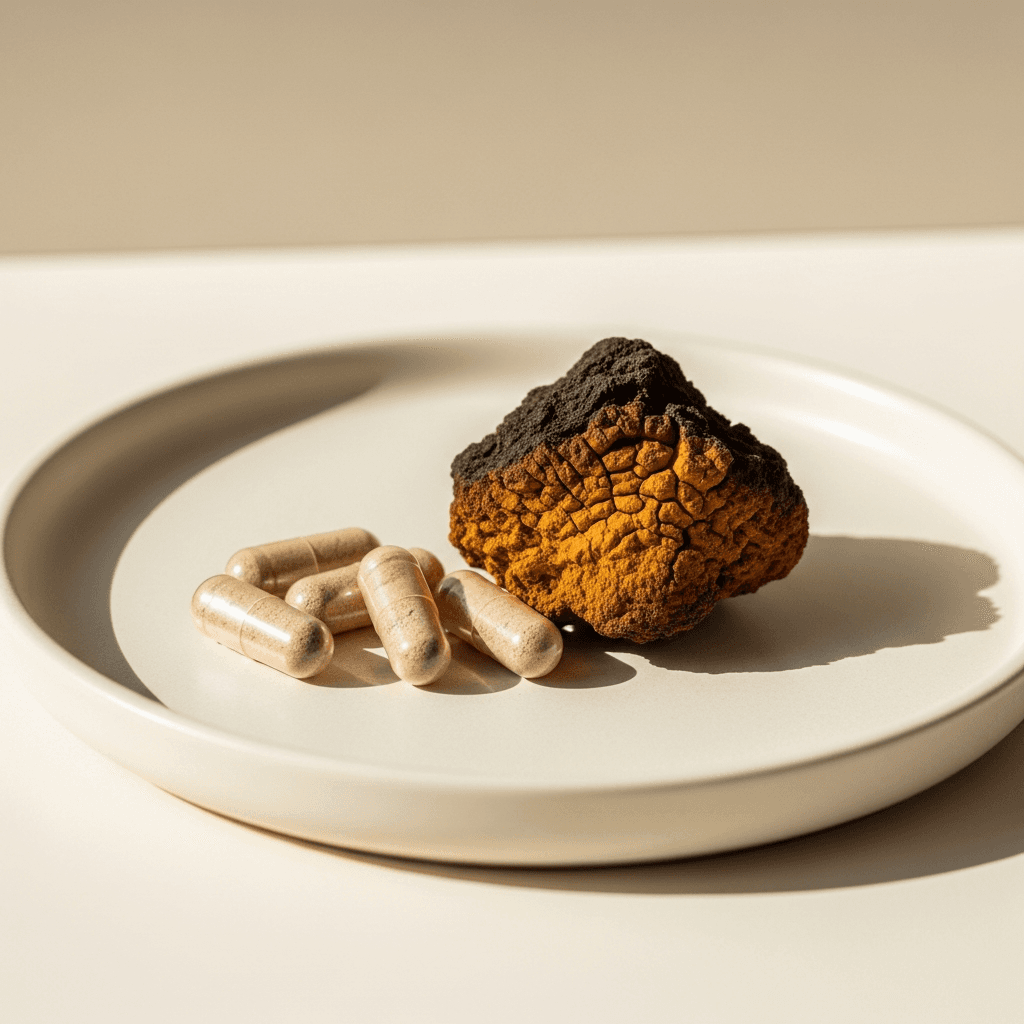 CautionSupplement
Chaga (Inonotus obliquus)
Birch-tree fungus from Northern climates, extensive traditional use in Siberian and Northern European folk medicine; modern clinical evidence is essentially absent.
Why
Chaga (Inonotus obliquus) is a parasitic fungus growing on birch trees in cold-temperate climates (Russia, Scandinavia, Northern North America, Korea). Traditional use in Siberian and Northern European folk medicine for digestive complaints, fatigue, and various inflammatory conditions. Modern clinical-trial evidence in humans is essentially absent, most published work is in vitro or animal studies. Inclusion is for honest reference given growing consumer interest.
How it works
Polysaccharides (β-glucans), triterpenoids (inotodiol, betulinic acid from the birch host), and melanin-pigment content provide antioxidant and immunomodulatory effects in preclinical models. Mechanism of action in humans is not well characterised.
Expected onset · Not characterised in modern clinical literature
How to take
Dosage
Dual-extract powder: 1–4 g/day. Capsules: 500 mg twice daily.
Timing
Once or twice daily
On the label
Dual-extract (hot water + ethanol) from wild-harvested chaga fruiting body. Mycelium-on-grain products are not equivalent. Sustainability is a concern with wild harvest.
Ideal for
Adults exploring functional mushroom options with awareness that human clinical evidence is largely absent.
Safety
Evidence
Preclinical evidence is substantial; human RCT evidence is essentially absent. Kikuchi 2014 case report of oxalate nephropathy raises the principal safety concern for chronic high-dose use. Preliminary, RCTs exist in non-tier-1 journals but are small or short-duration. No Cochrane review, EMA monograph or EFSA-authorised claim covers the indication.
Preliminary, RCTs exist in non-tier-1 journals but are small or short-duration. No Cochrane review, EMA monograph or EFSA-authorised claim covers the indication.
Where to get it
Shop Chaga (Inonotus obliquus) on AmazonSponsored · As an Amazon Associate, Healicus earns from qualifying purchases.
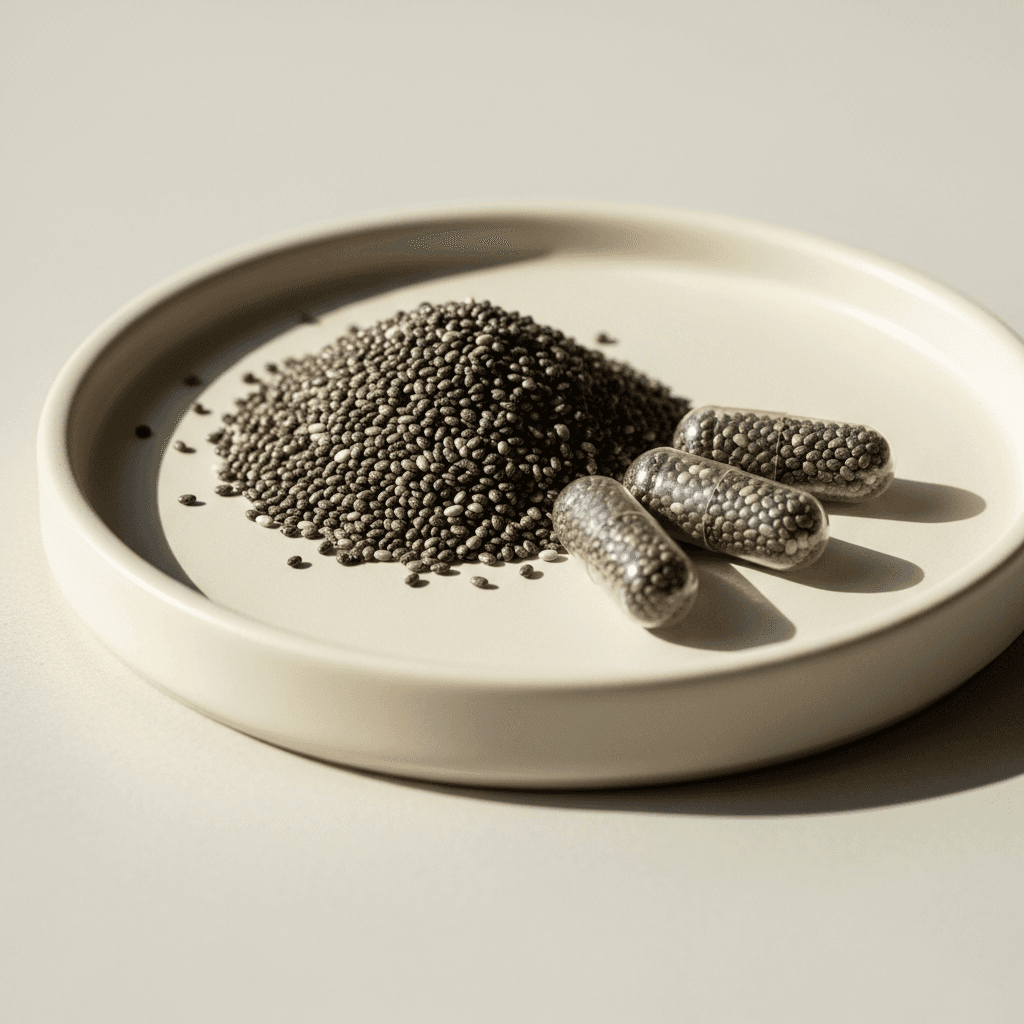 CautionSupplement
Chia seeds (Salvia hispanica)
South American whole-food source of α-linolenic acid, soluble fibre and protein, preliminary RCTs for postprandial glucose and lipids.
Why
Chia seeds (Salvia hispanica) are nutritionally dense, about 30% fat (60% as α-linolenic acid), 33% fibre (mostly soluble), 17% protein, and rich in minerals. Small RCTs report reductions in postprandial glucose, blood pressure and inflammatory markers in type 2 diabetes (Vuksan 2017). Evidence base is smaller than for flaxseed; cardiovascular outcome data not yet available.
How it works
α-Linolenic acid partial conversion to EPA. Soluble fibre forms a viscous gel that slows gastric emptying and reduces postprandial glucose. Combined effect modulates lipid absorption.
Expected onset · Postprandial glucose acute; lipid and BP effects over 8–12 weeks
How to take
Dosage
25–50 g/day whole or ground chia seeds. Trials use up to 50 g/day for metabolic endpoints.
Timing
With meals; soaked in liquid for easier digestion
On the label
Whole seeds (or ground for better absorption). Refrigerate ground seeds (oxidation risk). Look for organic certification if relevant.
Ideal for
Adults seeking plant-source omega-3 alongside fibre; people with mild dyslipidaemia or postprandial glucose elevation; convenient as a yogurt/porridge/smoothie addition.
Safety
Evidence
Vuksan 2017 RCT (n=77 overweight T2DM): Salba-chia 30 g/day for 6 months reduced weight, waist circumference, CRP and adiponectin vs control. Modest effects but consistent direction. Preliminary evidence, no Cochrane review, EMA HMPC monograph or EFSA-authorised health claim covers this indication; cited RCTs are small or in non-tier-1 journals. Useful as honest reference rather than evidence-grade recommendation.
Preliminary evidence, no Cochrane review, EMA HMPC monograph or EFSA-authorised health claim covers this indication; cited RCTs are small or in non-tier-1 journals. Useful as honest reference rather than evidence-grade recommendation.
Where to get it
Shop Chia seeds (Salvia hispanica) on AmazonSponsored · As an Amazon Associate, Healicus earns from qualifying purchases.
 CautionSupplement
Chromium picolinate
Trace mineral with preliminary RCT signal for fasting glucose and HbA1c in type 2 diabetes, EFSA withdrew authorised claim citing insufficient evidence.
Why
Chromium is a trace mineral previously thought to be essential for insulin signalling. The picolinate form has the most published trial data. The Suksomboon 2014 meta-analysis (28 RCTs) found modest reductions in HbA1c (0.55%) and fasting glucose in type 2 diabetes, but EFSA withdrew its authorised macronutrient-metabolism claim in 2014 citing insufficient evidence, and the US FDA classifies it only as a structure-function supplement.
How it works
Chromium proposed to modulate insulin receptor signalling via chromodulin (LMWCr) interaction with the insulin receptor, though whether chromium is essential remains contested. Picolinate form has better intestinal absorption than inorganic chromium salts.
Expected onset · Glycaemic effects over 8–12 weeks
How to take
Dosage
200–1,000 µg/day. Most trials use 200–600 µg/day.
Timing
Once daily with food
On the label
Chromium picolinate (better-absorbed form), stated micrograms of elemental chromium per dose, not picolinate salt weight.
Ideal for
Adults with type 2 diabetes or prediabetes exploring nutrient adjuncts, with realistic expectations given the regulatory withdrawal.
Safety
Evidence
Suksomboon 2014 meta-analysis (28 RCTs, n=1,295): chromium picolinate reduced HbA1c by 0.55% and fasting glucose vs control. EFSA's 2014 withdrawal of the authorised health claim, based on insufficient evidence for macronutrient-metabolism causation, limits the regulator-grade anchor. Preliminary, RCTs exist in non-tier-1 journals but are small or short-duration. No Cochrane review, EMA monograph or EFSA-authorised claim covers the indication.
Preliminary, RCTs exist in non-tier-1 journals but are small or short-duration. No Cochrane review, EMA monograph or EFSA-authorised claim covers the indication.
- Suksomboon et al., J Clin Pharm Ther 2014, systematic review and meta-analysis of the efficacy and safety of chromium supplementation in diabetes
- EFSA NDA Panel, EFSA J 2010, scientific opinion on the substantiation of health claims related to chromium and contribution to normal macronutrient metabolism (withdrawn)
Where to get it
Shop Chromium picolinate on AmazonSponsored · As an Amazon Associate, Healicus earns from qualifying purchases.
 CautionSupplement
D-ribose
Pentose sugar with preliminary RCT signal for chronic fatigue and ischemic heart-failure symptoms, niche but interesting mechanism.
Why
D-ribose is a five-carbon sugar that is the structural backbone of ATP, NAD and FAD. Small RCTs and open trials suggest benefit in chronic fatigue syndrome (Teitelbaum 2006, n=257 open trial) and in ischaemic and diastolic heart failure (Pliml Lancet 1992), distinctly mechanism-driven rather than empirically-driven. Trials are limited in size and many are open-label or industry-funded.
How it works
Provides substrate for the pentose phosphate pathway, bypassing the rate-limiting glucose-6-phosphate dehydrogenase step. Accelerates ATP recovery in ATP-depleted cells (post-exercise, post-ischaemia). Theoretically beneficial in tissues with impaired ATP recycling.
Expected onset · Energy effects within days; chronic fatigue trials run 2–3 weeks
How to take
Dosage
Chronic fatigue: 5 g three times daily. Heart-failure trials: 15 g/day divided.
Timing
Divided 2–3 times daily; can be added to drinks (sweet taste, similar to glucose)
On the label
'D-ribose' pure powder is the most cost-effective. Stated grams per scoop.
Ideal for
Adults with chronic fatigue syndrome or fibromyalgia exploring metabolic-energy approaches; specialist context only in heart failure or ischaemic cardiology.
Safety
Evidence
Teitelbaum 2006 small pilot trial (n=41 CFS/fibromyalgia): D-ribose 5 g three times daily significantly improved energy, sleep, mental clarity, pain and wellbeing scores at 19 days. Pauly 2004 reviewed cardiac-energy rationale. Preliminary evidence, no Cochrane review, EMA HMPC monograph or EFSA-authorised health claim covers this indication; cited RCTs are small or in non-tier-1 journals. Useful as honest reference rather than evidence-grade recommendation.
Preliminary evidence, no Cochrane review, EMA HMPC monograph or EFSA-authorised health claim covers this indication; cited RCTs are small or in non-tier-1 journals. Useful as honest reference rather than evidence-grade recommendation.
Where to get it
Shop D-ribose on AmazonSponsored · As an Amazon Associate, Healicus earns from qualifying purchases.
 CautionSupplement
Dan Shen (Salvia miltiorrhiza)
TCM 'Blood-invigorating' root used in cardiovascular preparations, substantial preclinical literature; preliminary clinical evidence in ischaemic heart disease.
Why
Dan Shen (Salvia miltiorrhiza, Chinese sage) is widely used in TCM and Chinese hospital practice for cardiovascular and cerebrovascular indications. Compound Danshen Dripping Pill is the most-studied combination, with Chinese hospital trials in angina pectoris and ischaemic heart disease. Western RCT evidence remains preliminary; mostly Chinese trials in non-tier-1 journals. No Cochrane review, no EMA monograph.
How it works
Tanshinones and salvianolic acids modulate platelet aggregation, endothelial nitric oxide synthase, and ischaemic-reperfusion injury markers. Significant CYP3A4 and CYP2C9 modulation, drug interaction profile is meaningful.
Expected onset · Cardiovascular endpoints assessed in clinical-context trials over weeks-months
How to take
Dosage
Compound Danshen Dripping Pill: 270 mg three times daily in clinical use. Monoextract dose: 1–4 g dried root daily.
Timing
Divided 2–3 times daily
On the label
Compound Danshen Dripping Pill is the most-studied form. Stated tanshinone IIA and salvianolic acid B content. Quality-tested for heavy metals.
Ideal for
Adults with cardiovascular conditions exploring TCM-rooted options under specialist supervision; cardiovascular self-management is not appropriate.
Safety
Evidence
Wu 2008 meta-analysis of Compound Danshen for angina (mostly Chinese RCTs, n>4,000): reductions in angina frequency and severity vs placebo and nitrate comparators, Western RCT replication remains limited. Preliminary, RCTs exist in non-tier-1 journals but are small or short-duration. No Cochrane review, EMA monograph or EFSA-authorised claim covers the indication.
Preliminary, RCTs exist in non-tier-1 journals but are small or short-duration. No Cochrane review, EMA monograph or EFSA-authorised claim covers the indication.
Where to get it
Shop Dan Shen (Salvia miltiorrhiza) on AmazonSponsored · As an Amazon Associate, Healicus earns from qualifying purchases.
 CautionSupplement
Fisetin (senolytic)
Strawberry-derived flavonol with preclinical senolytic activity, human RCTs are just beginning; popularised by Mayo Clinic researchers.
Why
Fisetin is a flavonol found in strawberries (the richest source), apples, persimmons and onions. Mayo Clinic preclinical work (Yousefzadeh EBioMedicine 2018) identified fisetin as the most potent senolytic among 10 candidate flavonoids, clearing senescent cells in aged mice and extending healthspan. Human RCTs are at very early stages, the AFFIRM-LITE trial in frail elderly is published as a pilot. Outcome evidence is essentially preclinical-dependent at this stage.
How it works
Selectively induces apoptosis in senescent cells (SASP-secreting cells that accumulate with age), proposed senolytic mechanism. Independent antioxidant, anti-inflammatory, and Nrf2-modulating effects.
Expected onset · Outcome endpoints not yet clinically characterised
How to take
Dosage
Mayo Clinic intermittent protocol (preclinically-inspired): 20 mg/kg/day for 2 consecutive days, monthly. Lower daily doses (100–500 mg) used in some products.
Timing
With meals containing fat for absorption
On the label
Stated fisetin content per dose. Micronised, liposomal or novel-vehicle formulations have variable supporting evidence. Strawberries are the dietary source.
Ideal for
Adults exploring early-evidence senolytic approaches; people interested in concentrated flavonol supplementation beyond dietary intake.
Safety
Evidence
Yousefzadeh 2018 EBioMedicine preclinical: fisetin extended lifespan and healthspan in aged mice via senolytic activity. Human RCT data is at very early pilot stage. Preliminary evidence, no Cochrane review, EMA HMPC monograph or EFSA-authorised health claim covers this indication; cited RCTs are small or in non-tier-1 journals. Useful as honest reference rather than evidence-grade recommendation. Senolytic supplementation is a frontier area; current evidence does not yet support routine recommendation.
Outcome evidence is essentially preclinical-dependent. Human RCTs at very early stage. No Cochrane review, no EMA monograph, no EFSA-authorised claim. Bioavailability is poor.
Where to get it
Shop Fisetin (senolytic) on AmazonSponsored · As an Amazon Associate, Healicus earns from qualifying purchases.
 CautionSupplement
Glutathione (liposomal / S-acetyl)
Endogenous antioxidant with poor plain oral bioavailability, liposomal and S-acetyl forms produce measurable systemic elevation in small RCTs.
Why
Glutathione (γ-glutamyl-cysteinyl-glycine, GSH) is the body's principal endogenous antioxidant, depleted in oxidative stress and ageing. Plain oral glutathione is rapidly hydrolysed in the gut and has minimal systemic bioavailability. Liposomal (Richie Eur J Nutr 2015) and S-acetylated forms have small RCTs demonstrating sustained plasma and intracellular glutathione elevation. Whether systemic glutathione elevation translates to clinical-outcome benefits remains an open question, NAC (cysteine donor) has the better outcome-trial base for the same biochemical pathway.
How it works
Direct substrate for glutathione peroxidase (peroxide reduction) and glutathione S-transferase (xenobiotic conjugation). Reduces oxidised vitamins C and E in the antioxidant recycling cycle. Liposomal encapsulation protects against gastric hydrolysis.
Expected onset · Plasma glutathione elevation within days; clinical endpoints not consistently characterised
How to take
Dosage
Liposomal glutathione: 250–1,000 mg/day. S-acetyl glutathione: 100–300 mg/day.
Timing
On empty stomach for liposomal absorption
On the label
Specifically 'liposomal glutathione' (Lypo-Spheric, Setria) or 'S-acetyl-L-glutathione'. Plain oral glutathione capsules are largely degraded in the gut.
Ideal for
Adults exploring antioxidant-pathway supplementation; people with documented low intracellular glutathione (rare); people seeking adjunct to NAC for the same pathway.
Safety
Evidence
Richie 2015 Eur J Nutr RCT (n=54): oral glutathione 250–1,000 mg/day for 6 months raised blood glutathione by 30–35%. Sinha 2018 confirmed liposomal absorption and increased natural killer cell function. Preliminary evidence, no Cochrane review, EMA HMPC monograph or EFSA-authorised health claim covers this indication; cited RCTs are small or in non-tier-1 journals. Useful as honest reference rather than evidence-grade recommendation. NAC (covered separately) supports the same pathway with stronger outcome evidence.
Preliminary evidence, no Cochrane review, EMA HMPC monograph or EFSA-authorised health claim covers this indication; cited RCTs are small or in non-tier-1 journals. Useful as honest reference rather than evidence-grade recommendation.
Where to get it
Shop Glutathione (liposomal / S-acetyl) on AmazonSponsored · As an Amazon Associate, Healicus earns from qualifying purchases.
 CautionSupplement
Glycine (3 g pre-bed)
Inhibitory amino acid with small RCT signal for subjective sleep quality at 3 g pre-bed.
Why
Glycine is a small inhibitory amino acid. Both a neurotransmitter and a collagen substrate. Small Japanese RCTs (Yamadera 2007, Bannai 2012) report improvements in subjective sleep quality and reduced daytime sleepiness with 3 g pre-bed. Mechanism appears to involve mild peripheral vasodilation that drops core body temperature (sleep-onset signal). Also used as collagen-synthesis substrate alongside vitamin C and other amino acids.
How it works
Activates NMDA-receptor glycine-binding site centrally and inhibitory glycine receptors in spinal cord. Peripherally, mild vasodilation drops core body temperature, the documented mechanism for the sleep-onset effect. Glycine is one of the three glycogenic amino acids in collagen (along with proline and hydroxyproline).
Expected onset · Sleep effects often within days (acute pharmacodynamic effect)
How to take
Dosage
Sleep: 3 g 30–60 min before bed. Collagen synthesis support: 5–10 g/day divided.
Timing
Sleep dose at bedtime; collagen dose across the day
On the label
'Glycine' powder is most cost-effective for the 3 g dose. Stated grams per scoop.
Ideal for
Adults with mild sleep-onset difficulty exploring nutrient-based approaches; people supporting collagen synthesis.
Safety
Evidence
Yamadera 2007 Sleep Biol Rhythms RCT: glycine 3 g pre-bed improved subjective sleep quality and PSG sleep-onset markers vs placebo. Bannai 2012 Front Neurol crossover RCT documented reduced daytime sleepiness after partial sleep restriction. Preliminary, RCTs exist in non-tier-1 journals but are small or short-duration. No Cochrane review, EMA monograph or EFSA-authorised claim covers the indication.
Preliminary, RCTs exist in non-tier-1 journals but are small or short-duration. No Cochrane review, EMA monograph or EFSA-authorised claim covers the indication.
- Yamadera et al., Sleep Biol Rhythms 2007, glycine ingestion improves subjective sleep quality in human volunteers, correlating with polysomnographic changes
- Bannai et al., Front Neurol 2012, the effects of glycine on subjective daytime performance in partially sleep-restricted healthy volunteers (RCT)
- Inagawa et al., Adv Neuroimmune Biol 2006, assessment of effect of glycine intake on quality of sleep using PSG
Where to get it
Shop Glycine (3 g pre-bed) on AmazonSponsored · As an Amazon Associate, Healicus earns from qualifying purchases.
 CautionSupplement
Goji berry (Lycium barbarum)
TCM 'Eye Brightening' fruit, small RCT signal for subjective wellbeing and antioxidant markers; broad longevity claims overhyped.
Why
Goji berries (Lycium barbarum, gou qi zi) are widely used in TCM as a yin-tonifying fruit, traditionally for vision, kidney, and liver support. Small modern RCTs (Amagase 2009) report modest improvements in subjective wellbeing, antioxidant biomarkers, and macular pigment density at 13.7–28 g/day standardised juice. Modern marketing has often outstripped the actual evidence base.
How it works
Lycium barbarum polysaccharides (LBP) modulate antioxidant gene expression and immune cell activity. Zeaxanthin content contributes to macular pigment density. Carotenoid and vitamin C content provides general antioxidant capacity.
Expected onset · Subjective effects within 2–4 weeks
How to take
Dosage
Whole dried berries: 6–15 g/day. Standardised juice (GoChi): 120 ml/day.
Timing
Once daily, any time
On the label
Whole dried berries (food source) or standardised juice (GoChi was the trial-grade form). 'Goji' is the marketed name; Chinese pharmacopoeia name is gou qi zi.
Ideal for
Adults exploring TCM-tradition fruits as part of nutrient-dense eating; people who enjoy the food itself.
Safety
Evidence
Amagase 2009 RCT (n=34): GoChi standardised juice 120 ml/day for 14 days improved subjective fatigue, athletic performance and digestion scores. Bucheli 2011 reported increased macular pigment density. Preliminary, RCTs exist in non-tier-1 journals but are small or short-duration. No Cochrane review, EMA monograph or EFSA-authorised claim covers the indication.
Preliminary, RCTs exist in non-tier-1 journals but are small or short-duration. No Cochrane review, EMA monograph or EFSA-authorised claim covers the indication.
Where to get it
Shop Goji berry (Lycium barbarum) on AmazonSponsored · As an Amazon Associate, Healicus earns from qualifying purchases.
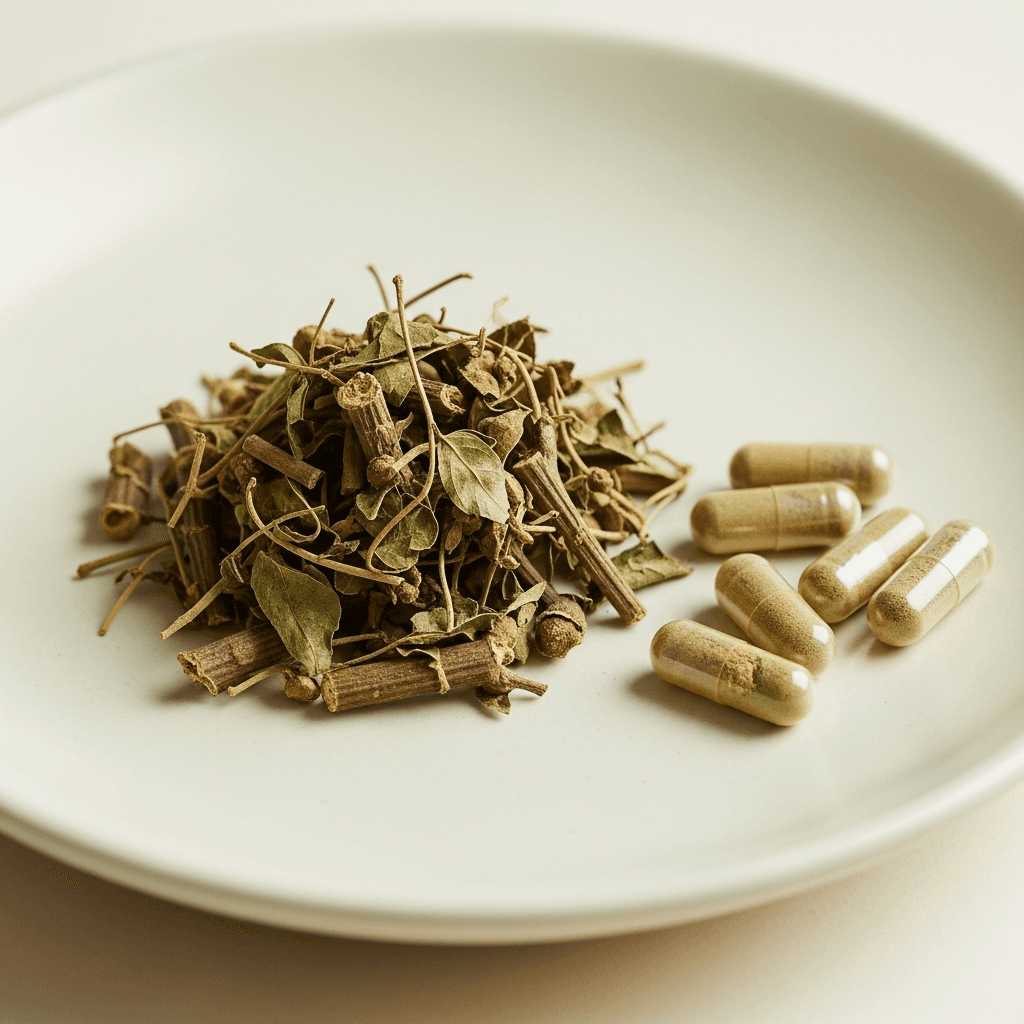 CautionSupplement
Guduchi (Tinospora cordifolia, Giloy)
Ayurvedic rasayana 'amrita' for immune and inflammatory complaints, small RCTs for allergic rhinitis and rheumatoid arthritis adjunct; hepatotoxicity warning during the 2021 COVID era.
Why
Guduchi (Tinospora cordifolia, giloy, also known as amrita, 'nectar of immortality' in Sanskrit) is a foundational Ayurvedic rasayana. Small RCTs report symptom benefit in allergic rhinitis (Badar 2005) and as adjunct in rheumatoid arthritis. Significant caveat: during the 2021 India COVID surge, an unexpected cluster of hepatotoxicity case reports emerged with widespread giloy use, likely related to misidentification (substitution with Tinospora crispa, which is hepatotoxic).
How it works
Alkaloids (berberine, palmatine) and glycosides modulate cytokine signalling, NK cell activity, and lymphocyte function. Antimalarial activity documented historically.
Expected onset · Symptom effects over 4–8 weeks
How to take
Dosage
Standardised extract: 250–500 mg twice daily. Traditional churna: 3–6 g/day.
Timing
Divided 2 times daily with food
On the label
Specifically Tinospora cordifolia, species-verified. Avoid Tinospora crispa (different species, hepatotoxic) which has been substituted in some products.
Ideal for
Adults with allergic rhinitis or chronic inflammatory complaints exploring Ayurvedic adjuncts under supervision; rheumatoid arthritis adjunct under rheumatology coordination.
Safety
Evidence
Badar 2005 J Ethnopharmacol RCT in allergic rhinitis showed symptom improvement vs placebo. Kulkarni 2022 hepatotoxicity series during India COVID surge raised an unresolved question, likely species misidentification as Tinospora crispa. Preliminary, RCTs exist in non-tier-1 journals but are small or short-duration. No Cochrane review, EMA monograph or EFSA-authorised claim covers the indication.
Preliminary, RCTs exist in non-tier-1 journals but are small or short-duration. No Cochrane review, EMA monograph or EFSA-authorised claim covers the indication.
Where to get it
Shop Guduchi (Tinospora cordifolia, Giloy) on AmazonSponsored · As an Amazon Associate, Healicus earns from qualifying purchases.
 CautionSupplement
Guggul (Commiphora mukul)
Ayurvedic resin traditionally for lipid management, early enthusiasm dampened by the Szapary 2003 JAMA RCT in US adults, which was null.
Why
Guggul (Commiphora mukul resin) has been used in Ayurveda for over 2,500 years for lipid and obesity-related complaints. Early Indian RCTs reported substantial cholesterol reductions, but the larger Szapary 2003 JAMA RCT in US adults was null, fasting LDL actually rose modestly in the guggul groups. Likely explanation: differences in baseline diet (Indian vegetarian vs US Western) affecting bile-acid recycling. Used clinically in India; not widely recommended in Western practice as a result.
How it works
Guggulsterones are farnesoid X receptor (FXR) antagonists, reduce hepatic LDL receptor expression in some preclinical models. Mechanism appears dietary-context-dependent, modulation of bile-acid recycling matters.
Expected onset · Lipid effects over 8–12 weeks (when present)
How to take
Dosage
Standardised guggulipid (2.5% guggulsterones): 500 mg three times daily. Traditional resin: 1–2 g/day.
Timing
Divided 2–3 times daily with meals
On the label
Standardised guggulipid (Commiphora mukul resin extract) with stated guggulsterone content (2.5–6%).
Ideal for
Adults exploring Ayurvedic lipid-management options under specialist guidance, with awareness that effect may be diet-context-dependent.
Safety
Evidence
Szapary 2003 JAMA RCT (n=103 US adults with dyslipidaemia): guggulipid 1,000 mg or 2,000 mg three times daily for 8 weeks did not reduce LDL, and LDL actually rose modestly. Earlier Indian trials reported reductions; likely diet-context dependent. Preliminary, RCTs exist in non-tier-1 journals but are small or short-duration. No Cochrane review, EMA monograph or EFSA-authorised claim covers the indication. This is a case where honest framing means acknowledging that Western replication has been disappointing.
Preliminary, RCTs exist in non-tier-1 journals but are small or short-duration. No Cochrane review, EMA monograph or EFSA-authorised claim covers the indication.
Where to get it
Shop Guggul (Commiphora mukul) on AmazonSponsored · As an Amazon Associate, Healicus earns from qualifying purchases.
 CautionSupplement
Gymnema sylvestre
Ayurvedic gurmar ('sugar destroyer'), preliminary RCT signal for postprandial glucose and acute reduction of sweet taste perception.
Why
Gymnema sylvestre (gurmar, literally 'sugar destroyer' in Hindi) has been used in Ayurveda for over 2,000 years as a diabetes treatment. Standardised extracts (GS4) have small RCTs and open trials reporting reductions in fasting glucose, HbA1c, and insulin requirements in type 2 diabetes (Baskaran 1990, Shanmugasundaram 1990). The acute taste-modulation effect, suppression of sweet taste perception when leaf is chewed, is mechanistically interesting but unrelated to the systemic glycaemic effect.
How it works
Gymnemic acids reversibly bind sweet taste receptors (T1R2/T1R3), basis of the acute taste suppression. Systemic glycaemic effect via increased pancreatic insulin secretion and possible β-cell regeneration (preclinical data). Reduces intestinal glucose absorption.
Expected onset · Acute taste effect immediate; systemic glycaemic effects over 6–12 weeks
How to take
Dosage
Standardised extract (GS4, 25% gymnemic acids): 200 mg twice daily. Higher doses up to 500 mg three times daily used in trials.
Timing
Before main meals to blunt postprandial glucose
On the label
Standardised GS4 extract with stated gymnemic-acid content (25%) is the trial-grade form. Crude leaf or low-standardised extract is less consistent.
Ideal for
Adults with prediabetes or mild type 2 diabetes exploring Ayurvedic adjuncts; people seeking sweet-craving reduction.
Safety
Evidence
Baskaran 1990 open trial (n=22 type 2 diabetes): GS4 400 mg/day reduced HbA1c and fasting glucose over 18–20 months, with insulin reduction in some patients. Pothuraju 2014 systematic review noted directionally consistent results but limited modern RCT quality. Preliminary evidence, no Cochrane review, EMA HMPC monograph or EFSA-authorised health claim covers this indication; cited RCTs are small or in non-tier-1 journals. Useful as honest reference rather than evidence-grade recommendation.
Preliminary evidence, no Cochrane review, EMA HMPC monograph or EFSA-authorised health claim covers this indication; cited RCTs are small or in non-tier-1 journals. Useful as honest reference rather than evidence-grade recommendation.
- Baskaran et al., J Ethnopharmacol 1990, antidiabetic effect of a leaf extract from Gymnema sylvestre in non-insulin-dependent diabetes mellitus patients
- Shanmugasundaram et al., J Ethnopharmacol 1990, use of Gymnema sylvestre leaf extract in the control of blood glucose in insulin-dependent diabetes mellitus
- Pothuraju et al., J Sci Food Agric 2014, a systematic review of Gymnema sylvestre in obesity and diabetes management
Where to get it
Shop Gymnema sylvestre on AmazonSponsored · As an Amazon Associate, Healicus earns from qualifying purchases.
 CautionSupplement
Horny goat weed (Epimedium / icariin)
TCM 'yin yang huo' for sexual function, icariin has PDE5-inhibitor activity in vitro; clinical RCTs are small.
Why
Horny goat weed (Epimedium spp., yin yang huo) is a TCM herb for kidney-yang deficiency, traditionally used for male sexual function and bone-strengthening. The active icariin is a phosphodiesterase-5 inhibitor in vitro, same mechanism class as sildenafil, but much weaker potency. Small modern RCTs report modest effects; large outcome trials are absent.
How it works
Icariin is a weak PDE5 inhibitor (similar mechanism class to sildenafil but much weaker affinity). Modulates osteoblast activity in vitro, basis of the traditional bone indication. Mild oestrogenic activity at higher doses.
Expected onset · Acute effects within hours (PDE5 inhibition); chronic effects assessed over weeks
How to take
Dosage
Standardised extract: 500 mg twice daily (5–20% icariin).
Timing
Divided 2 times daily
On the label
Standardised to icariin content. Quality-tested for sildenafil/tadalafil adulteration (a recurring issue in this category).
Ideal for
Adults exploring TCM-rooted options for male sexual function or postmenopausal bone density, with awareness that evidence is preliminary and that PDE5 inhibitor pharmacology may be present.
Safety
Evidence
Shindel 2010 documented PDE5-inhibitor activity for icariin in vitro and animal models. Clinical RCT replication remains small. Preliminary, RCTs exist in non-tier-1 journals but are small or short-duration. No Cochrane review, EMA monograph or EFSA-authorised claim covers the indication.
Preliminary, RCTs exist in non-tier-1 journals but are small or short-duration. No Cochrane review, EMA monograph or EFSA-authorised claim covers the indication.
Where to get it
Shop Horny goat weed (Epimedium / icariin) on AmazonSponsored · As an Amazon Associate, Healicus earns from qualifying purchases.
 CautionSupplement
Huang Qin (Scutellaria baicalensis)
TCM 'Heat-clearing' root, baicalin and wogonin have antiviral activity in vitro; clinical evidence preliminary.
Why
Huang Qin (Scutellaria baicalensis, Chinese skullcap) is a TCM 'Heat-clearing' root used in formulas for respiratory and inflammatory complaints. Distinct from American skullcap (Scutellaria lateriflora, separate card). Active flavonoids baicalin, baicalein and wogonin have substantial preclinical literature for antimicrobial, anti-inflammatory and antiviral activity. Modern clinical trials are mostly Chinese and small.
How it works
Baicalein and wogonin inhibit lipoxygenase and modulate NF-κB. Antiviral activity against influenza, dengue, and other RNA viruses documented in vitro. CYP3A4 inhibition is real and clinically relevant.
Expected onset · Acute use in TCM-prescribed contexts; chronic use not characterised in modern literature
How to take
Dosage
Traditional decoction: 3–10 g/day. Standardised extract: 200–500 mg/day.
Timing
Divided 2–3 times daily
On the label
Scutellaria baicalensis root (Chinese skullcap, huang qin), distinct from American skullcap. Stated baicalin content.
Ideal for
Adults exploring TCM-rooted options under specialist supervision; clinical contexts (allergic, viral, gastrointestinal) where prescribed by a TCM practitioner.
Safety
Evidence
No regulator anchor. Preliminary, RCTs exist in non-tier-1 journals but are small or short-duration. No Cochrane review, EMA monograph or EFSA-authorised claim covers the indication. Preclinical and pharmacological literature is substantial; clinical-trial replication in Western evidence base is limited.
Preliminary, RCTs exist in non-tier-1 journals but are small or short-duration. No Cochrane review, EMA monograph or EFSA-authorised claim covers the indication.
Where to get it
Shop Huang Qin (Scutellaria baicalensis) on AmazonSponsored · As an Amazon Associate, Healicus earns from qualifying purchases.
 CautionSupplement
Huperzine A
Chinese club moss alkaloid that is a reversible acetylcholinesterase inhibitor, preliminary RCT signal in mild cognitive impairment.
Why
Huperzine A is an alkaloid isolated from the Chinese club moss (Huperzia serrata), used historically in Chinese medicine and now produced as a standardised supplement. Pharmacologically it is a reversible acetylcholinesterase inhibitor, the same mechanism as donepezil and rivastigmine, but at much smaller mg-doses. Small Chinese RCTs report cognitive improvement in mild cognitive impairment and Alzheimer's; Cochrane review in 2008 noted methodological limitations but a directional signal. In China, huperzine A is registered as a prescription medication.
How it works
Reversible, selective inhibitor of acetylcholinesterase, increases synaptic acetylcholine. NMDA-receptor antagonism may provide additional neuroprotective effect. Long elimination half-life (~12 hours) supports once-daily dosing.
Expected onset · Cognitive effects assessed over 8–12 weeks in trial protocols
How to take
Dosage
100–400 µg/day divided. Higher doses used in Chinese clinical trials.
Timing
Divided morning and afternoon
On the label
Stated huperzine A content in micrograms (not milligrams). Third-party tested for purity. Synthetic huperzine A is more consistent than crude Huperzia serrata extract.
Ideal for
Adults with mild cognitive impairment exploring cholinergic-pathway support, under clinical supervision given the AChE-inhibitor pharmacology.
Safety
Evidence
Cochrane 2008 SR on huperzine A for Alzheimer's: 6 Chinese RCTs reported cognitive improvement vs placebo at 8–24 weeks, with methodological concerns limiting strength of conclusion. Registered as a prescription medication in China, clinical-grade regulatory standing there, but not yet in Western markets. Preliminary evidence, no Cochrane review, EMA HMPC monograph or EFSA-authorised health claim covers this indication; cited RCTs are small or in non-tier-1 journals. Useful as honest reference rather than evidence-grade recommendation.
Methodological concerns in the existing trial base limited the Cochrane review's confidence in effect size. No Western regulatory approval; pharmacology is real and merits the medication-style precautions captured in the caution field.
Where to get it
Shop Huperzine A on AmazonSponsored · As an Amazon Associate, Healicus earns from qualifying purchases.
 CautionSupplement
L-lysine (recurrent herpes simplex prophylaxis)
Essential amino acid with small RCT signal for reducing recurrence of cold sores at 1–3 g/day.
Why
L-lysine is an essential amino acid that competes with arginine for cellular uptake. Several small RCTs (Griffith 1981, Thein 1984, McCune 1984) report reduced frequency, severity and duration of recurrent herpes simplex labialis at 1–3 g/day daily prophylaxis. The Mailoo 2017 systematic review noted methodological limitations but a directionally consistent signal. Most useful as ongoing prophylaxis rather than acute treatment.
How it works
Competes with arginine, which HSV requires for viral replication, for cellular uptake via the cationic amino acid transporter (CAT-1). Lowering intracellular arginine availability slows viral protein synthesis.
Expected onset · Prophylactic effect over weeks; acute outbreak management at first prodromal symptom
How to take
Dosage
Prophylaxis: 1 g three times daily continuously. Outbreak rescue: 3 g/day at first symptom for 7–10 days.
Timing
Divided throughout the day, away from arginine-rich foods (nuts, chocolate, seeds, gelatin) at the same meal
On the label
'L-lysine HCl' with stated grams per dose. Some users pair with reduced dietary arginine for outbreak prophylaxis.
Ideal for
Adults with recurrent herpes simplex labialis (≥6 episodes per year) seeking nutrient-based prophylaxis as adjunct to or alternative to pharmacological acyclovir.
Safety
Evidence
Griffith 1987 RCT (n=41 recurrent HSV): L-lysine 1,000 mg three times daily significantly reduced outbreak frequency vs placebo over 6 months. Mailoo 2017 review noted directionally positive signal across small trials with limited methodological quality. Preliminary, RCTs exist in non-tier-1 journals but are small or short-duration. No Cochrane review, EMA monograph or EFSA-authorised claim covers the indication.
Preliminary, RCTs exist in non-tier-1 journals but are small or short-duration. No Cochrane review, EMA monograph or EFSA-authorised claim covers the indication.
- Griffith et al., Dermatologica 1987, success of L-lysine therapy in frequently recurrent herpes simplex infection (RCT, n=41)
- Thein & Hurt, Oral Surg Oral Med Oral Pathol 1984, lysine as a prophylactic agent in the treatment of recurrent herpes simplex labialis (RCT)
- Mailoo & Rampes, Integr Med 2017, lysine for herpes simplex prophylaxis: a review of the evidence
Where to get it
Shop L-lysine (recurrent herpes simplex prophylaxis) on AmazonSponsored · As an Amazon Associate, Healicus earns from qualifying purchases.
 Supplement
L-theanine
Amino acid from green tea that promotes calm without sedation.
Why
L-theanine increases alpha brain wave activity associated with relaxed alertness. Often paired with magnesium for sleep, or with caffeine to smooth its anxiogenic effects. A 2020 systematic review on stress and anxiety, plus several small RCTs on sleep, support modest effects at 200-400mg/day.
How it works
Crosses the blood-brain barrier and promotes alpha wave activity; modulates glutamate and GABA balance toward parasympathetic tone.
Expected onset · Acute (30–60 min) effect; cumulative gains by 4 weeks
How to take
Dosage
100–200 mg, can be combined with magnesium glycinate at bedtime.
Timing
Evening, or pair with morning caffeine
On the label
Look for Suntheanine® or 99%+ pure L-theanine.
Safety
Evidence
Williams 2020 Plant Foods Hum Nutr systematic review (9 trials) supports 200–400 mg/day L-theanine for reducing stress and anxiety under stressful conditions; the authors flag that effect sizes are modest and trial quality variable. Hidese 2019 Nutrients (n=30, 4-week crossover): 200 mg/day improved stress-related symptoms and cognition vs placebo.
Where to get it
Shop L-theanine on AmazonSponsored · As an Amazon Associate, Healicus earns from qualifying purchases.
 CautionSupplement
L-tryptophan
Essential amino acid and one-step-upstream serotonin precursor: small RCTs for sleep onset and subjective mood.
Why
L-tryptophan is the essential amino acid from which serotonin and melatonin are synthesised. Older small RCTs from the 1970s and 1980s reported reductions in sleep-onset latency at doses of 1–2 g near bedtime. The Cochrane review of tryptophan and 5-HTP for depression found a similar small-effect pattern. Modern use is constrained by the 1989 contaminated-batch eosinophilia-myalgia incident: quality sourcing is the practical limit.
How it works
Transported across the blood-brain barrier in competition with other large neutral amino acids: the LNAA ratio matters. Hydroxylated to 5-HTP and then decarboxylated to serotonin; further N-acetylated and methylated to melatonin in the pineal gland.
Expected onset · Sleep-onset effects often the same night; subjective mood effects over 1–2 weeks
How to take
Dosage
Sleep: 1–2 g 30–60 min before bed, away from protein meals (which compete for LNAA transport). Mood: 1–3 g/day divided.
Timing
Bedtime, away from protein meals; pair with a small carbohydrate snack to favour transport
On the label
'L-tryptophan' (not 'tryptophan complex'), pharmaceutical-grade, with stated purity. Avoid bulk powder of uncertain provenance.
Ideal for
Adults with mild sleep-onset complaints; people exploring nutrient approaches to mood under clinical guidance.
Safety
Evidence
Cochrane 2002 SR found small antidepressant effect signal for tryptophan + 5-HTP, but low trial quality limited the conclusion. Older sleep-onset RCTs (Hartmann 1982 and others) reported reduced sleep latency at 1–2 g, but evidence base is dated and predominantly from open or small trials. Mechanistic plausibility is high; modern RCT quality is the gap.
Where to get it
Shop L-tryptophan on AmazonSponsored · As an Amazon Associate, Healicus earns from qualifying purchases.
 CautionSupplement
L-tyrosine
Catecholamine precursor with RCT signal for cognitive performance under acute stress (cold, sleep deprivation, high cognitive load).
Why
L-tyrosine is the precursor for dopamine, noradrenaline and adrenaline, produced from phenylalanine. Multiple small military and laboratory RCTs report cognitive-performance preservation under acutely-stressful conditions (cold exposure, sleep deprivation, multitasking) at 100–300 mg/kg single doses. Less effective in non-stressed adults, the effect is most consistent when catecholamine demand is elevated.
How it works
Provides substrate for tyrosine hydroxylase, the rate-limiting enzyme in catecholamine synthesis. Under acute stress, catecholamine release rates can exceed dietary substrate availability, transiently depleting catecholamines, tyrosine supplementation rescues this.
Expected onset · Acute effect within 60–90 minutes
How to take
Dosage
Acute stress: 100–300 mg/kg as single dose 60 min before stressor (~7–22 g for a 75 kg adult). Lower daily-use doses: 500–2,000 mg.
Timing
60 minutes before anticipated stress; on empty stomach for absorption
On the label
'L-tyrosine' or 'N-acetyl-L-tyrosine' (NALT), NALT claims better solubility but has weaker evidence base. Stated grams per dose.
Ideal for
Adults with anticipated acute cognitive stress (high-stakes presentation, exam, military or first-responder scenario, sustained high cognitive load); not for chronic supplementation.
Safety
Evidence
Jongkees 2015 systematic review: tyrosine consistently improved cognitive performance under stress (cold exposure, sleep deprivation, high cognitive load), with minimal effect in non-stressed conditions. Preliminary, RCTs exist in non-tier-1 journals but are small or short-duration. No Cochrane review, EMA monograph or EFSA-authorised claim covers the indication. Acute, situation-specific use is the well-defined niche.
Preliminary, RCTs exist in non-tier-1 journals but are small or short-duration. No Cochrane review, EMA monograph or EFSA-authorised claim covers the indication.
- Mahoney et al., Physiol Behav 2007, tyrosine supplementation mitigates working memory decrements during cold exposure (RCT)
- Magill et al., Mil Psychol 2003, effects of tyrosine, phentermine, caffeine D-amphetamine, and placebo on cognitive and motor performance deficits during sleep deprivation
- Jongkees et al., J Psychiatr Res 2015, effect of tyrosine supplementation on clinical and healthy populations under stress or cognitive demands: review
Where to get it
Shop L-tyrosine on AmazonSponsored · As an Amazon Associate, Healicus earns from qualifying purchases.
 CautionSupplement
Lecithin / phosphatidylcholine
Phospholipid-rich source of choline with EFSA claim for liver function, preliminary signal for cognition and lipid modulation.
Why
Lecithin is a mixture of phospholipids (predominantly phosphatidylcholine) from soy or sunflower. Provides choline, essential for liver function (where EFSA has authorised a health claim at 250 mg/day) and acetylcholine synthesis. Small RCTs report modest effects on cognitive performance and lipid markers. Choline status is widely inadequate in modern diets.
How it works
Provides choline for acetylcholine synthesis (cholinergic neurotransmission), phosphatidylcholine for cell membrane structure, and for VLDL packaging in the liver (the basis of the liver-function claim, choline deficiency causes NAFLD).
Expected onset · Lipid and cognitive effects over 8–12 weeks
How to take
Dosage
Lecithin (granular): 5–10 g/day. Sunflower lecithin or stated phosphatidylcholine: 1–2 g/day delivering ~250 mg choline.
Timing
With meals containing fat
On the label
Sunflower lecithin if avoiding soy. Stated phosphatidylcholine content per dose. Granular form is most cost-effective.
Ideal for
Adults with low dietary choline intake (low egg and meat consumption); people seeking nutrient support for cognitive or hepatic function.
Safety
Evidence
EFSA authorised health claim: choline contributes to normal lipid metabolism, normal homocysteine metabolism, and normal liver function (at 82.5 mg/serving). Cochrane 2003 SR for dementia was inconclusive. Choline-deficiency-induced NAFLD provides the strongest mechanistic anchor. Preliminary, RCTs exist in non-tier-1 journals but are small or short-duration. No Cochrane review, EMA monograph or EFSA-authorised claim covers the indication. for the broader cognitive/lipid framing.
Preliminary, RCTs exist in non-tier-1 journals but are small or short-duration. No Cochrane review, EMA monograph or EFSA-authorised claim covers the indication.
- EFSA Reg 432/2012 authorised claim, choline contributes to normal lipid metabolism, normal homocysteine metabolism, and maintenance of normal liver function
- Higgins & Flicker, Cochrane Database Syst Rev 2003, lecithin for dementia and cognitive impairment
- Zeisel & da Costa, Nutr Rev 2009, choline: an essential nutrient for public health
Where to get it
Shop Lecithin / phosphatidylcholine on AmazonSponsored · As an Amazon Associate, Healicus earns from qualifying purchases.
 CautionSupplement
Lion's mane (Hericium erinaceus)
Edible medicinal mushroom with preliminary RCT signal for mild cognitive complaints and an NGF-promoting mechanism.
Why
Lion's mane (Hericium erinaceus) is an edible mushroom that has attracted attention for its hericenone and erinacine content, compounds that stimulate nerve growth factor (NGF) in vitro and in animal models. A small Japanese RCT in older adults with mild cognitive impairment reported improved cognitive scores at 16 weeks. Other small trials suggest effects on mood and gastric mucosal protection. Evidence is genuinely preliminary: much smaller body than ginkgo or bacopa.
How it works
Hericenones (fruiting body) and erinacines (mycelium) cross the blood-brain barrier in animal models and stimulate NGF synthesis, supporting neuronal differentiation and survival. Independent effects on gastric mucosa and gut microbiota are documented in preclinical work.
Expected onset · Cognitive endpoints assessed over 8–16 weeks; subjective changes may take 4 weeks
How to take
Dosage
Most trials use 1,000–3,000 mg/day of fruiting-body extract divided across the day. Standardised erinacine A-enriched mycelium extracts are dosed differently; follow product label.
Timing
With meals; divided 2–3 times daily
On the label
Specify 'fruiting body' (where hericenones concentrate) or 'erinacine A-enriched mycelium'. Avoid 'mycelium on grain' products which are mostly grain by weight.
Ideal for
Adults exploring early-evidence cognitive-support options; those with mild subjective memory complaints under clinical guidance.
Safety
Evidence
Mori 2009 Phytother Res small RCT (n=30 Japanese adults with MCI): Hericium 1,000 mg three times daily improved cognitive function scores at 8, 12 and 16 weeks vs placebo, with effect lost 4 weeks after cessation. Modern evidence base is still small. Cognitive signal is real but preliminary; mechanism via NGF is well documented preclinically.
- Mori et al., Phytother Res 2009, Hericium erinaceus for mild cognitive impairment (RCT, n=30 older adults)
- Nagano et al., Biomed Res 2010, reduction of depression and anxiety after 4 weeks intake of Hericium erinaceus
- Li et al., Behav Neurol 2018, neurohealth properties of Hericium erinaceus mycelia (review)
Where to get it
Shop Lion's mane (Hericium erinaceus) on AmazonSponsored · As an Amazon Associate, Healicus earns from qualifying purchases.
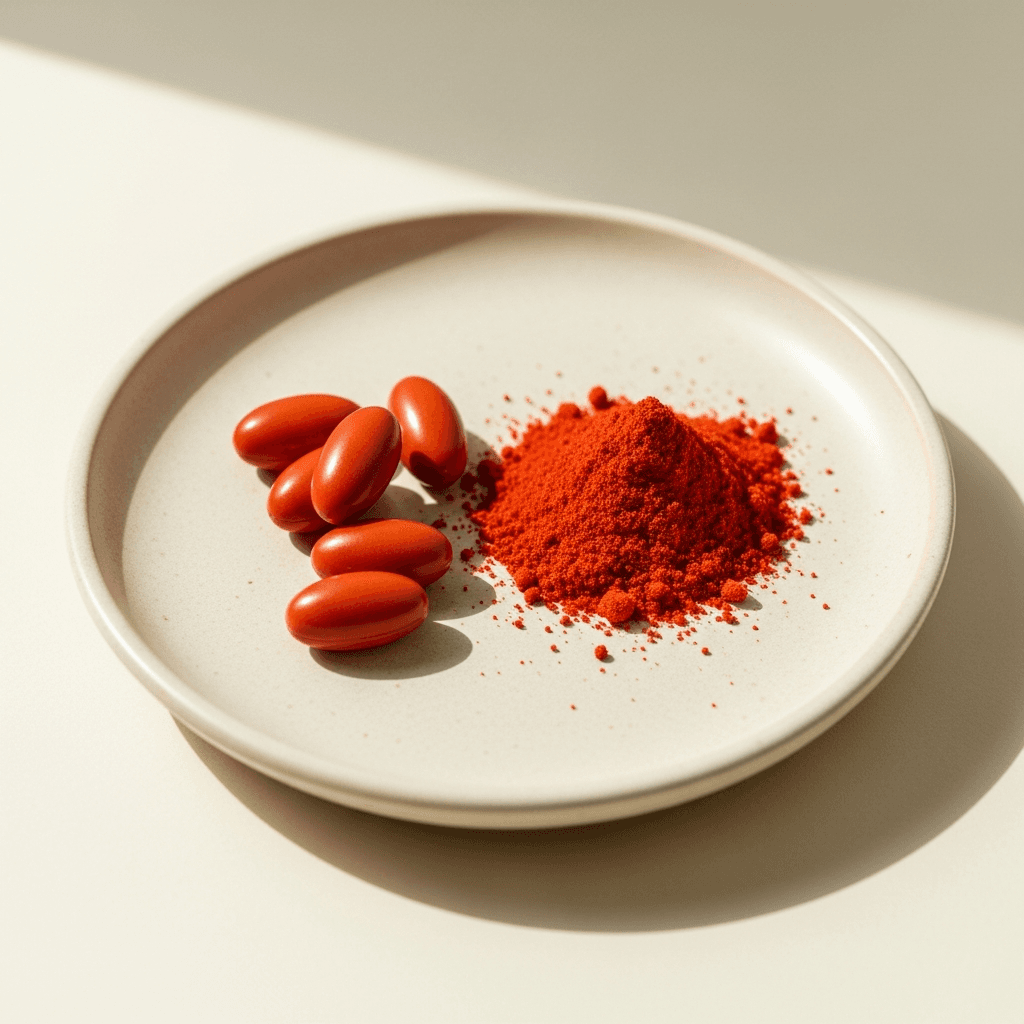 CautionSupplement
Lycopene
Tomato-source carotenoid, strong observational data linking dietary intake to lower prostate cancer risk; supplement-trial evidence smaller and more mixed.
Why
Lycopene is the red carotenoid that gives tomatoes their colour, accumulating to high concentrations in cooked tomato products. Observational cohort studies (Giovannucci 1995 J Natl Cancer Inst onwards) report inverse association between dietary lycopene intake and prostate cancer risk, particularly for aggressive disease. Supplement-trial evidence is smaller and more mixed; the Chen 2014 systematic review concluded the evidence was suggestive but not definitive.
How it works
Most potent singlet-oxygen quencher among carotenoids, relevant to oxidative damage in tissues like prostate. Modulates androgen signalling and IGF-1 axis in preclinical models. Improved bioavailability from cooked tomato (lycopene cis-isomers).
Expected onset · Tissue levels accumulate over weeks; clinical endpoints assessed over years
How to take
Dosage
Dietary: aim for 10–30 mg/day (achievable via cooked tomato products in Mediterranean-pattern eating). Supplements: 10–30 mg/day.
Timing
With meals containing fat for absorption
On the label
Natural lycopene from tomato extract (LycoMato is a studied branded extract). Synthetic lycopene is chemically equivalent. Cooked tomato products are the cleanest food-first approach.
Ideal for
Adults at higher risk of prostate cancer (family history, age) seeking dietary or supplement adjuncts; general antioxidant nutrient framework.
Safety
Evidence
Chen 2015 Medicine meta-analysis: higher lycopene intake was associated with modest reduction in prostate cancer risk in cohort studies. Supplement-trial evidence is smaller and more mixed. Food-source lycopene from cooked tomato remains the cleanest evidence pathway.
- Giovannucci et al., J Natl Cancer Inst 1995, intake of carotenoids and retinol in relation to risk of prostate cancer (Health Professionals Follow-up Study)
- Chen et al., Medicine 2015, lycopene and risk of prostate cancer: a systematic review and meta-analysis
- Story et al., Annu Rev Food Sci Technol 2010, an update on the health effects of tomato lycopene
Where to get it
Shop Lycopene on AmazonSponsored · As an Amazon Associate, Healicus earns from qualifying purchases.
 CautionSupplement
Magnesium L-threonate (Magtein)
Specialty magnesium form developed at MIT for brain-Mg elevation, small RCT signal in cognition; widely popularised but evidence remains preliminary.
Why
Magnesium L-threonate is a magnesium-vitamin C metabolite chelate developed by the Liu/Tonegawa group at MIT specifically to elevate brain magnesium concentrations. Slutsky 2010 Neuron documented improvements in learning and memory in aged rats. Small human RCTs (Liu 2016 J Alzheimers Dis, Hausenblas 2022) report modest cognitive-performance improvements at 1.5–2 g/day. Has been heavily popularised by the Huberman podcast and others; honest framing is preliminary.
How it works
Threonate vehicle improves CNS bioavailability of magnesium across the blood-brain barrier, animal studies show greater CSF and brain-tissue Mg elevation than other oral forms at matched elemental Mg dose. Brain Mg elevation modulates NMDA receptor function and synaptic plasticity.
Expected onset · Cognitive endpoints over 6–12 weeks
How to take
Dosage
1.5–2 g magnesium L-threonate daily (delivering ~144 mg elemental magnesium), often divided 1 g morning + 1 g evening.
Timing
Divided morning and evening with food
On the label
'Magtein' is the trademarked form used in the published trials. Stated mg of magnesium L-threonate (not just elemental Mg) per dose.
Ideal for
Adults with subjective memory complaints or seeking cognition-focused magnesium supplementation, with awareness that evidence is preliminary and the form is far more expensive than other magnesium salts.
Safety
Evidence
Liu 2016 J Alzheimers Dis RCT (n=44 older adults with cognitive impairment): MMFS-01 25 mg/kg/day for 12 weeks improved Trail Making Test and overall cognitive composite scores vs placebo. Preliminary, RCTs exist in non-tier-1 journals but are small or short-duration. No Cochrane review, EMA monograph or EFSA-authorised claim covers the indication. The Huberman-driven popularity has outpaced the published evidence base.
Preliminary, RCTs exist in non-tier-1 journals but are small or short-duration. No Cochrane review, EMA monograph or EFSA-authorised claim covers the indication.
- Slutsky et al., Neuron 2010, enhancement of learning and memory by elevating brain magnesium (preclinical)
- Liu et al., J Alzheimers Dis 2016, efficacy and safety of MMFS-01 (magnesium L-threonate) on cognitive impairment of executive function and memory (RCT)
- Hausenblas et al., Bioactive Compounds in Health and Disease 2022, effect of magnesium L-threonate on cognitive function: pilot RCT
Where to get it
Shop Magnesium L-threonate (Magtein) on AmazonSponsored · As an Amazon Associate, Healicus earns from qualifying purchases.
 CautionSupplement
Magnolia bark (Magnolia officinalis)
TCM bark with preliminary RCT signal for stress, anxiety and sleep, honokiol and magnolol are the principal actives.
Why
Magnolia bark (Magnolia officinalis, hou po in Chinese) has been used in Traditional Chinese Medicine for stress, anxiety and digestive complaints. Small RCTs of standardised extracts (Relora, magnolia + Phellodendron) report reductions in cortisol and self-reported stress and modest improvements in sleep quality at 250 mg three times daily. Evidence is preliminary, RCTs are small and mostly industry-funded.
How it works
Honokiol and magnolol are GABA-A receptor positive allosteric modulators (non-benzodiazepine site), produce anxiolytic effects in animal models, and inhibit cortisol secretion at the adrenal level. Antioxidant effects on hippocampal neurons documented preclinically.
Expected onset · Stress / sleep effects over 4–6 weeks
How to take
Dosage
Standardised magnolia/Phellodendron extract (Relora): 250 mg twice or three times daily. Magnolia monoextract: 200–500 mg/day.
Timing
Divided 2–3 times daily with food
On the label
Standardised extract (Relora is the studied magnolia + Phellodendron blend) or stated honokiol + magnolol content. Avoid bulk-grade powders without third-party testing.
Ideal for
Adults with mild stress-related anxiety, sleep difficulty, or perimenopausal complaints exploring botanical adjuncts.
Safety
Evidence
Talbott 2013 J Int Soc Sports Nutr RCT (n=56 moderately stressed adults): Relora 250 mg twice daily for 4 weeks reduced cortisol by 18% and improved Profile of Mood States vs placebo. Kalman 2008 in premenopausal women reported similar effects. Preliminary evidence, no Cochrane review, EMA HMPC monograph or EFSA-authorised health claim covers this indication; cited RCTs are small or in non-tier-1 journals. Useful as honest reference rather than evidence-grade recommendation.
Preliminary evidence, no Cochrane review, EMA HMPC monograph or EFSA-authorised health claim covers this indication; cited RCTs are small or in non-tier-1 journals. Useful as honest reference rather than evidence-grade recommendation.
Where to get it
Shop Magnolia bark (Magnolia officinalis) on AmazonSponsored · As an Amazon Associate, Healicus earns from qualifying purchases.
 CautionSupplement
Maitake (Grifola frondosa)
Japanese 'dancing mushroom' with preliminary RCT signal for postprandial glucose and immune-cell modulation.
Why
Maitake (Grifola frondosa) is a Japanese culinary and medicinal mushroom. Small RCTs report modest reductions in postprandial glucose and changes in lipid profile (Konno 2002, Manohar 2002). The D-fraction polysaccharide extract has been studied for immune effects in cancer adjunct contexts in Japan, though Western RCT evidence remains preliminary.
How it works
β-1,6-glucan side chains on β-1,3-glucan backbone activate innate immune cells via Dectin-1 and complement receptor 3. Insulin-sensitising effects via PI3K/Akt pathway documented in preclinical models.
Expected onset · Metabolic effects over 4–8 weeks; immune effects within weeks
How to take
Dosage
Standardised D-fraction extract: 1–3 mg/kg/day. Whole mushroom powder: 3–7 g/day.
Timing
Once daily, with meals
On the label
Dual-extract Grifola frondosa with stated β-glucan content. D-fraction is the studied extract for immune indications. Avoid mycelium-on-grain products.
Ideal for
Adults exploring functional mushroom options for immune or metabolic support; people who include mushrooms in their diet.
Safety
Evidence
Konno 2001 small trial in T2DM: maitake powder reduced fasting glucose and HbA1c modestly. Preliminary, RCTs exist in non-tier-1 journals but are small or short-duration. No Cochrane review, EMA monograph or EFSA-authorised claim covers the indication.
Preliminary, RCTs exist in non-tier-1 journals but are small or short-duration. No Cochrane review, EMA monograph or EFSA-authorised claim covers the indication.
Where to get it
Shop Maitake (Grifola frondosa) on AmazonSponsored · As an Amazon Associate, Healicus earns from qualifying purchases.
 CautionSupplement
Mucuna pruriens (velvet bean)
Natural L-DOPA source with preliminary RCT signal in early Parkinson's disease, used in Ayurveda as kapikacchu for nervine support.
Why
Mucuna pruriens seed contains 4–7% L-dopa (levodopa) by weight, the standard pharmaceutical treatment for Parkinson's disease. The Cilia 2017 Neurology RCT (n=18 early PD) compared Mucuna with standard levodopa + carbidopa and found comparable motor-symptom benefit with fewer dyskinesias. Smaller bodies support use for fertility, mood, and sleep in Ayurvedic and modern preliminary research. Use in PD must be under specialist supervision; self-management is not appropriate.
How it works
Direct L-dopa content crosses the blood-brain barrier and is decarboxylated to dopamine, same final pharmacology as pharmaceutical levodopa. Additional bioactives (5-HTP precursors, prenylated flavonoids) modulate serotonin and monoamine systems.
Expected onset · Motor symptom effect within hours (acute, like pharmaceutical L-dopa); long-term outcomes assessed over months
How to take
Dosage
Pharmacological PD doses use 30 g of Mucuna seed powder = ~250 mg L-dopa per dose. Lower 'nervine' doses: 1–5 g/day standardised extract.
Timing
Divided doses for PD use, like pharmaceutical levodopa
On the label
Stated L-dopa content (typically 10–20% for standardised extract; 4–7% in raw seed powder). Pharmaceutical-grade preferred for therapeutic use.
Ideal for
Adults with early Parkinson's disease in close clinical supervision (specialist context); people exploring Ayurvedic nervine support, with awareness that this is pharmacologically active.
Safety
Evidence
Cilia 2017 Neurology crossover RCT (n=18 early PD): single doses of Mucuna seed powder produced motor improvement comparable to levodopa+carbidopa with fewer dyskinesias. Shukla 2009 Fertil Steril RCT (n=60 infertile men) reported improved seminal parameters at 5 g/day for 3 months. Preliminary evidence, no Cochrane review, EMA HMPC monograph or EFSA-authorised health claim covers this indication; cited RCTs are small or in non-tier-1 journals. Useful as honest reference rather than evidence-grade recommendation.
Preliminary evidence, no Cochrane review, EMA HMPC monograph or EFSA-authorised health claim covers this indication; cited RCTs are small or in non-tier-1 journals. Useful as honest reference rather than evidence-grade recommendation.
Where to get it
Shop Mucuna pruriens (velvet bean) on AmazonSponsored · As an Amazon Associate, Healicus earns from qualifying purchases.
 CautionSupplement
Mulberry leaf (Morus alba, DNJ)
Asian leaf containing 1-deoxynojirimycin (DNJ), preliminary RCT signal for postprandial glucose blunting via α-glucosidase inhibition.
Why
White mulberry (Morus alba) leaf has long-standing use in TCM and Japanese folk medicine for diabetes. The active 1-deoxynojirimycin (DNJ), also the basis for the pharmaceutical miglitol, is an α-glucosidase inhibitor that blunts postprandial glucose. Small RCTs (Mudra 2007 Diabetes Care, Asai 2011) confirm postprandial glucose reduction in mild T2DM and healthy adults.
How it works
DNJ competitively inhibits intestinal α-glucosidase, delaying carbohydrate hydrolysis and reducing postprandial glucose spike, same mechanism as pharmaceutical miglitol and acarbose. Independent effects on hepatic glucose output and oxidative stress documented in animal models.
Expected onset · Postprandial glucose effect acute (with the meal)
How to take
Dosage
Standardised mulberry leaf extract: 1,000 mg before each main meal, or stated DNJ content (5–20 mg per dose).
Timing
10–15 minutes before main meals
On the label
Standardised mulberry leaf with stated DNJ (1-deoxynojirimycin) content, most clinical work uses ~12–25 mg DNJ per dose.
Ideal for
Adults with prediabetes, postprandial hyperglycaemia, or metabolic syndrome exploring botanical glucose-blunting.
Safety
Evidence
Mudra 2007 Diabetes Care RCT (n=48 T2DM and controls): mulberry leaf extract significantly reduced postprandial glucose AUC after sucrose challenge in both groups. Asai 2011 confirmed signal at lower DNJ doses. Preliminary evidence, no Cochrane review, EMA HMPC monograph or EFSA-authorised health claim covers this indication; cited RCTs are small or in non-tier-1 journals. Useful as honest reference rather than evidence-grade recommendation.
Preliminary evidence, no Cochrane review, EMA HMPC monograph or EFSA-authorised health claim covers this indication; cited RCTs are small or in non-tier-1 journals. Useful as honest reference rather than evidence-grade recommendation.
- Mudra et al., Diabetes Care 2007, influence of mulberry leaf extract on the blood glucose and breath hydrogen response to ingestion of 75 g sucrose by type 2 diabetic and control subjects
- Asai et al., Eur J Nutr 2011, fortified ironsuit milk drink with mulberry leaf 1-deoxynojirimycin extract suppresses postprandial blood glucose response in adults (RCT)
Where to get it
Shop Mulberry leaf (Morus alba, DNJ) on AmazonSponsored · As an Amazon Associate, Healicus earns from qualifying purchases.
 CautionSupplement
NADH (reduced nicotinamide adenine dinucleotide)
Direct mitochondrial-electron-transport substrate with preliminary RCTs in chronic fatigue syndrome, distinct from NAD+ precursor approaches.
Why
Oral NADH (the reduced form of NAD+) is a direct substrate for mitochondrial electron transport. Small RCTs by Forsyth 1999 and Castro-Marrero 2015 in chronic fatigue syndrome report modest improvements in fatigue severity scores at 5–20 mg/day. Bioavailability of oral NADH is poor, sublingual and enteric-coated forms are intended to improve absorption. Distinct conceptually from NR (precursor) approaches.
How it works
Direct electron donor at complex I of the mitochondrial electron transport chain. Cofactor for hundreds of dehydrogenases. Modulates ATP availability in cells with mitochondrial dysfunction.
Expected onset · Fatigue effects over 4–12 weeks
How to take
Dosage
5–20 mg/day in stabilised sublingual or enteric-coated form, taken in the morning on empty stomach.
Timing
Morning, on empty stomach
On the label
Stabilised NADH in enteric-coated or sublingual form. Avoid unstabilised raw NADH (degrades rapidly).
Ideal for
Adults with chronic fatigue syndrome / myalgic encephalomyelitis exploring mitochondrial approaches.
Safety
Evidence
Castro-Marrero 2015 RCT (n=80 CFS): CoQ10 + NADH combination reduced fatigue (FIS-40) and improved heart-rate response vs placebo at 8 weeks. Forsyth 1999 pilot (n=26 CFS) reported 31% on NADH improved by 8 weeks vs 8% on placebo. Preliminary evidence, no Cochrane review, EMA HMPC monograph or EFSA-authorised health claim covers this indication; cited RCTs are small or in non-tier-1 journals. Useful as honest reference rather than evidence-grade recommendation.
Preliminary evidence, no Cochrane review, EMA HMPC monograph or EFSA-authorised health claim covers this indication; cited RCTs are small or in non-tier-1 journals. Useful as honest reference rather than evidence-grade recommendation.
- Castro-Marrero et al., Antioxid Redox Signal 2015, does oral coenzyme Q10 plus NADH supplementation improve fatigue and biochemical parameters in chronic fatigue syndrome? (RCT)
- Forsyth et al., Ann Allergy Asthma Immunol 1999, therapeutic effects of oral NADH on the symptoms of patients with chronic fatigue syndrome (RCT)
Where to get it
Shop NADH (reduced nicotinamide adenine dinucleotide) on AmazonSponsored · As an Amazon Associate, Healicus earns from qualifying purchases.
 CautionSupplement
Neem (Azadirachta indica)
Ayurvedic bitter for skin and digestive complaints, topical preparations have RCT signal for psoriasis and gingivitis; oral safety profile is the limit.
Why
Neem (Azadirachta indica) is one of the most-used herbs in Ayurveda, leaves, bark, and oil are all used. Topical preparations have small RCTs for plaque psoriasis (Charlsons 2015), gingivitis (Pai 2004), and head lice. Oral use is more constrained: documented hepatotoxicity from oral neem oil ingestion in children, and male reproductive toxicity in animal studies. Topical and dental use are the more defensible modern indications.
How it works
Multiple bioactive triterpenoids (azadirachtin, nimbin, nimbidin) with antimicrobial, anti-inflammatory and insecticidal effects. Topical mucosal effect in gingivitis is well-documented.
Expected onset · Topical effects over 4–8 weeks; dental effects within 2–4 weeks
How to take
Dosage
Topical cream or mouthwash: per product label. Oral powder: 3–6 g/day under specialist guidance only; not for self-administration.
Timing
Topical: twice daily. Mouthwash: after meals.
On the label
Neem topical cream or mouthwash for dental and skin indications. Oral neem powder only under specialist Ayurvedic guidance; oral oil is contraindicated.
Ideal for
Adults with mild plaque psoriasis, gingivitis, or head lice exploring topical options. Oral use only under specialist Ayurvedic guidance.
Safety
Evidence
Pai 2004 RCT (n=36): neem mouthwash reduced plaque and gingivitis indices comparable to chlorhexidine. Topical and dental use have clearer evidence base; oral neem use has documented safety concerns. Preliminary, RCTs exist in non-tier-1 journals but are small or short-duration. No Cochrane review, EMA monograph or EFSA-authorised claim covers the indication.
Preliminary, RCTs exist in non-tier-1 journals but are small or short-duration. No Cochrane review, EMA monograph or EFSA-authorised claim covers the indication.
Where to get it
Shop Neem (Azadirachta indica) on AmazonSponsored · As an Amazon Associate, Healicus earns from qualifying purchases.
 CautionSupplement
NMN (nicotinamide mononucleotide)
NAD+ precursor with rapidly-growing human RCT base, newer than NR, generally comparable mechanism, regulatory ambiguity in some markets.
Why
Nicotinamide mononucleotide (NMN) is a NAD+ precursor that has become widely available as a supplement, particularly after Sinclair's lab publications and David Sinclair's public advocacy. Multiple human RCTs (Yoshino 2021, Yamane 2022, Pencina 2023) confirm dose-dependent NAD+ elevation at 250–1,000 mg/day. Clinical-outcome RCTs are emerging, modest signals on insulin sensitivity, walking endurance, and sleep, but disease-endpoint trials are not yet available. Regulatory status varies: FDA blocked supplement marketing in 2022 (subsequently uncertain); EU and several Asian markets permit.
How it works
Converted to NAD+ via NMNAT (nicotinamide mononucleotide adenylyltransferase). Whether NMN itself is the active or whether it must be converted to nicotinamide riboside extracellularly before cellular uptake is debated (Slc12a8 transporter vs CD73-mediated pathway).
Expected onset · NAD+ elevation within days-weeks; clinical endpoints assessed over months
How to take
Dosage
250–1,000 mg/day. Most current trials use 250–500 mg/day. Higher doses do not appear to add proportional benefit.
Timing
Once daily, morning; with or without food
On the label
Stated NMN content per dose. Third-party tested for purity (NMN supplements have had widely variable actual content per FDA testing). Refrigeration extends shelf life.
Ideal for
Adults exploring NAD+ supplementation as longevity-focused intervention with awareness that long-term outcome data is absent; older adults with measured NAD+ decline.
Safety
Evidence
Yoshino 2021 Science RCT (n=25 prediabetic postmenopausal women): NMN 250 mg/day raised muscle insulin sensitivity. Pencina 2023 confirmed dose-dependent NAD+ elevation. Preliminary evidence, no Cochrane review, EMA HMPC monograph or EFSA-authorised health claim covers this indication; cited RCTs are small or in non-tier-1 journals. Useful as honest reference rather than evidence-grade recommendation. Regulatory status varies, particularly note FDA's 2022 position blocking supplement marketing in the US.
No Cochrane review, no EMA monograph. Clinical-outcome trials remain small and short-duration. NMN supplement quality varies, FDA testing has found widely variable actual NMN content. Long-term safety beyond 1 year is not yet established.
- Yoshino et al., Science 2021, nicotinamide mononucleotide increases muscle insulin sensitivity in prediabetic women
- Pencina et al., GeroScience 2023, MIB-626, an oral formulation of a microcrystalline unique polymorph of β-nicotinamide mononucleotide, increases NAD+ in humans (RCT)
- Yamane et al., npj Aging 2022, long-term oral administration of NMN safely raised blood NMN/NAD+ in middle-aged and older Japanese adults (RCT)
Where to get it
Shop NMN (nicotinamide mononucleotide) on AmazonSponsored · As an Amazon Associate, Healicus earns from qualifying purchases.
 CautionSupplement
Olive leaf
Mediterranean leaf extract with RCT signal for modest blood pressure reduction, head-to-head non-inferiority to captopril.
Why
Olive leaf (Olea europaea) is a traditional Mediterranean remedy whose principal phenolic, oleuropein, has accumulated a clinical evidence base over the last 15 years. The Susalit RCT directly compared olive leaf extract with captopril for stage-1 hypertension and reported non-inferior blood pressure reductions over 8 weeks. Smaller bodies of work support lipid-modulating and antiviral effects, but the BP indication is the most robust.
How it works
Oleuropein is hydrolysed to hydroxytyrosol and elenolic acid in the gut. Hydroxytyrosol increases endothelial nitric oxide synthesis, has direct ACE-inhibitory activity, and modulates calcium channel function in vascular smooth muscle. Antioxidant effect protects LDL from oxidation.
Expected onset · BP effect emerges over 4–8 weeks
How to take
Dosage
Standardised extract: 500 mg twice daily (delivering ~20% oleuropein, ~100 mg/dose).
Timing
Twice daily with food
On the label
Standardised to oleuropein content (typically 16–20%). Named preparations: EFLA 943 (the extract used in the Susalit trial).
Ideal for
Adults with mild hypertension exploring botanical adjuncts; people drawn to Mediterranean-pattern eating.
Safety
Evidence
Susalit 2011 Phytomedicine RCT (n=232 stage-1 hypertension): olive leaf extract 500 mg twice daily was non-inferior to captopril 12.5–25 mg twice daily for systolic BP reduction over 8 weeks (-11.5 vs -13.7 mmHg). EFSA authorised an Article 14 health claim for olive polyphenols and protection of LDL particles from oxidative damage at ≥5 mg hydroxytyrosol per day.
- Susalit et al., Phytomedicine 2011, olive leaf extract (EFLA 943) vs captopril in stage-1 hypertension (RCT, n=232)
- Lockyer et al., Eur J Nutr 2017, impact of phenolic-rich olive leaf extract on BP, plasma lipids and inflammatory markers (RCT)
- EFSA scientific opinion 2011, olive polyphenols and protection of LDL particles from oxidative damage (authorised health claim)
Where to get it
Shop Olive leaf on AmazonSponsored · As an Amazon Associate, Healicus earns from qualifying purchases.
 CautionSupplement
Oregano essential oil (oral, carvacrol)
Strongly antimicrobial in vitro, small clinical signal for SIBO and gastrointestinal parasites; popular but evidence is preliminary.
Why
Oregano essential oil (Origanum vulgare), particularly the high-carvacrol Mediterranean chemotype, has been heavily marketed as a 'natural antibiotic'. In vitro evidence of antibacterial, antifungal and antiparasitic activity is genuinely strong. Clinical evidence is much smaller: Force 2000 open trial in intestinal parasites, Chedid 2014 in SIBO, and several small studies in oral and dental applications. No Cochrane review, no EMA monograph for oral antimicrobial use.
How it works
Carvacrol and thymol (volatile phenols) disrupt microbial cell membranes via interaction with the lipid bilayer, broad-spectrum activity against bacteria, fungi (including Candida) and parasites in vitro. Bioavailability and tissue distribution after oral dosing are not well characterised in humans.
Expected onset · Acute antimicrobial effect within days; SIBO endpoints over 4 weeks
How to take
Dosage
Standardised oil (60–80% carvacrol): 100–600 mg/day divided. Capsules typically deliver 60–180 mg per capsule.
Timing
Divided 2–3 times daily with food (to reduce GI irritation)
On the label
Origanum vulgare essential oil with stated carvacrol content (60–80% for high-potency products). Enteric-coated capsules reduce GI irritation. Distinct from Mediterranean cooking oregano.
Ideal for
Adults with suspected SIBO or intestinal dysbiosis exploring botanical antimicrobials under clinical guidance; topical antimicrobial use.
Safety
Evidence
In vitro and food-microbiology literature on carvacrol is substantial. Force 2000 open trial reported clearance of intestinal Blastocystis, Entamoeba and Endolimax in a small group. Chedid 2014 retrospective SIBO study included oregano-containing protocol with response comparable to rifaximin. Preliminary, RCTs exist in non-tier-1 journals but are small or short-duration. No Cochrane review, EMA monograph or EFSA-authorised claim covers the indication. Marketed claims often outpace human clinical evidence.
Preliminary, RCTs exist in non-tier-1 journals but are small or short-duration. No Cochrane review, EMA monograph or EFSA-authorised claim covers the indication.
- Force et al., Phytother Res 2000, inhibition of enteric parasites by emulsified oil of oregano in vivo (open trial)
- Chedid et al., Glob Adv Health Med 2014, herbal therapy is equivalent to rifaximin for the treatment of small intestinal bacterial overgrowth (retrospective comparison including oregano-containing protocol)
- Burt, Int J Food Microbiol 2004, essential oils: their antibacterial properties and potential applications in foods (review)
Where to get it
Shop Oregano essential oil (oral, carvacrol) on AmazonSponsored · As an Amazon Associate, Healicus earns from qualifying purchases.
 CautionSupplement
Propolis
Bee-product resin with RCT signal for oral mucositis prevention in chemotherapy and recurrent herpes labialis duration reduction.
Why
Propolis is the resinous substance bees collect from tree buds and use to seal their hives. Composition varies by geographic source (Brazilian green vs European poplar-type, etc.). The Yiu 2020 meta-analysis confirmed reduction of oral mucositis severity in chemotherapy patients using topical propolis. Vynograd 2000 reported reduced HSV labialis healing time with topical propolis cream. Smaller signal in dental gingivitis and oral health.
How it works
Flavonoids (chrysin, pinocembrin, galangin) and phenolic acids (CAPE, caffeic acid phenethyl ester) have antimicrobial, anti-inflammatory and antiviral activity. Direct topical effects on oral and skin mucosa.
Expected onset · Mucositis effect over days-weeks during chemotherapy; HSV outbreak shortening within days
How to take
Dosage
Topical: propolis mouthwash 1% three times daily (mucositis); propolis cream 0.5–3% to lesion (HSV labialis). Oral: 250–500 mg standardised extract daily.
Timing
Topical: 3 times daily for mucositis; at first sign of HSV prodrome. Oral: once daily.
On the label
Standardised propolis extract with stated flavonoid content. Brazilian green propolis (Baccharis-source) and European poplar-type propolis have different compositions; some indications use specific types.
Ideal for
Cancer patients with chemotherapy-induced oral mucositis (under oncology coordination); adults with recurrent oral or labial herpes seeking topical adjunct.
Safety
Evidence
Yiu 2020 systematic review (5 RCTs): topical propolis significantly reduced severity of oral mucositis in chemotherapy patients. Vynograd 2000 RCT: propolis cream outperformed acyclovir cream and placebo for HSV labialis healing time. Preliminary, RCTs exist in non-tier-1 journals but are small or short-duration. No Cochrane review, EMA monograph or EFSA-authorised claim covers the indication.
Preliminary, RCTs exist in non-tier-1 journals but are small or short-duration. No Cochrane review, EMA monograph or EFSA-authorised claim covers the indication.
- Yiu et al., Crit Rev Oncol Hematol 2020, propolis for the prevention of oral mucositis in cancer patients: systematic review and meta-analysis
- Vynograd et al., Phytomedicine 2000, comparative multi-centre study of the efficacy of propolis, acyclovir and placebo in the treatment of genital herpes (HSV)
- Sforcin & Bankova, J Ethnopharmacol 2011, propolis: is there a potential for the development of new drugs?
Where to get it
Shop Propolis on AmazonSponsored · As an Amazon Associate, Healicus earns from qualifying purchases.
 CautionSupplement
Pumpkin seed oil
Mediterranean-source oil with EMA-monograph BPH framing and preliminary signal for androgenetic alopecia.
Why
Pumpkin seed (Cucurbita pepo) seeds and oil hold an EMA HMPC monograph at Traditional Use for symptomatic treatment of micturition complaints associated with mild BPH and overactive bladder. The Vahlensieck 2015 RCT reported IPSS improvements at 12 months. A separate small RCT (Cho 2014) supports topical or oral pumpkin seed oil for male androgenetic alopecia, hair-count improvements at 24 weeks.
How it works
Phytosterols (β-sitosterol) and lignans (secoisolariciresinol) modulate androgen metabolism, relevant to both BPH and AGA indications. Zinc content supports prostate function. Cucurbitin and unsaturated fatty acids may contribute additional mechanisms.
Expected onset · BPH symptoms over 3–6 months; AGA over 6 months
How to take
Dosage
BPH: 500 mg pumpkin seed oil twice daily or 5 g of seeds daily. AGA: 400 mg/day pumpkin seed oil orally for 24 weeks (Cho protocol).
Timing
Once or twice daily with food
On the label
Cold-pressed pumpkin seed oil (Cucurbita pepo) or standardised seed extract. Stated mg per serving.
Ideal for
Men with mild-to-moderate BPH symptoms seeking complementary support; men or women with mild-pattern hair thinning exploring nutritional approaches.
Safety
Evidence
EMA classifies pumpkin seed as Traditional Use for mild BPH-related micturition complaints. Vahlensieck 2015 RCT (n=1,431 men): pumpkin seed extract improved IPSS by 6.8 points vs 5.0 on placebo over 12 months. Cho 2014 small AGA RCT (n=76 men): 400 mg/day pumpkin seed oil improved hair count by 40% vs 10% on placebo at 24 weeks.
- EMA HMPC monograph, Cucurbita pepo L., semen (Traditional Use)
- Vahlensieck et al., Urol Int 2015, effects of pumpkin seed in men with lower urinary tract symptoms due to benign prostatic hyperplasia (RCT)
- Cho et al., Evid Based Complement Alternat Med 2014, effect of pumpkin seed oil on hair growth in men with androgenetic alopecia (RCT, n=76)
Where to get it
Shop Pumpkin seed oil on AmazonSponsored · As an Amazon Associate, Healicus earns from qualifying purchases.
 CautionSupplement
Quercetin
Plant flavonoid with meta-analysis signal for modest blood pressure reduction and an emerging signal for allergic rhinitis.
Why
Quercetin is a flavonol found in onions, apples, capers and green tea. Meta-analyses of RCTs report modest systolic blood pressure reductions at ≥500 mg/day, with effect more consistent in metabolic syndrome and hypertensive populations. Smaller bodies of work support use in seasonal allergic rhinitis (via mast cell stabilisation) and as a marker-of-interest in early COVID research, though clinical conclusions there remain preliminary. Bioavailability is poor, phytosome and EMIQ (enzymatically modified isoquercitrin) forms have meaningfully better absorption.
How it works
Mast cell stabiliser (reduces histamine and tryptase release), basis of the allergic rhinitis signal. Inhibits xanthine oxidase, has mild ACE-inhibitory activity, and modulates vascular endothelial function via nitric oxide pathway.
Expected onset · BP effects over 4–8 weeks; allergic rhinitis effects within 1–2 weeks
How to take
Dosage
500–1,000 mg/day, often divided. EMIQ or phytosome forms: 250–500 mg/day with better bioavailability.
Timing
Divided 2–3 times daily with food
On the label
EMIQ (enzymatically modified isoquercitrin) or quercetin phytosome (Quercefit) for better absorption. Plain quercetin aglycone is poorly absorbed.
Ideal for
Adults with mild hypertension or seasonal allergic rhinitis exploring nutrient adjuncts.
Safety
Evidence
Serban 2016 J Am Heart Assoc meta-analysis (7 RCTs): quercetin ≥500 mg/day reduced systolic BP by 3.04 mmHg and diastolic by 2.63 mmHg vs control. Effect modest and most consistent in metabolic syndrome and hypertensive groups. Allergic rhinitis evidence is preclinical-strong but clinical-trial-thin. Practical limit is bioavailability, choose a phytosome or EMIQ form.
Where to get it
Shop Quercetin on AmazonSponsored · As an Amazon Associate, Healicus earns from qualifying purchases.
 CautionSupplement
Resveratrol
Polyphenol from red wine and Japanese knotweed, preclinically prolific, clinically disappointing, but the most commonly-asked-about longevity compound.
Why
Resveratrol (trans-3,5,4'-trihydroxystilbene) is the polyphenol from red wine, grapes and Japanese knotweed that triggered the modern longevity-supplement field after Sinclair's sirtuin-activating publications in the 2000s. Despite extensive preclinical work, human RCTs have largely been disappointing, no consistent effect on lifespan biomarkers, modest and inconsistent effects on glycaemia and endothelial function, and a notable null in heart-failure (Magyar 2012). The Witte 2014 RCT in older adults reported memory improvement. Bioavailability is poor and a fundamental clinical limit.
How it works
Sirtuin-1 activation (originally proposed mechanism, contested). AMPK activation. Endothelial nitric oxide synthase modulation. PDE4 inhibition. The proposed 'caloric restriction mimetic' framing has not been confirmed in clinical trials.
Expected onset · Biomarker changes over weeks; clinical endpoints not consistently demonstrated
How to take
Dosage
150–500 mg/day. Trials use a wide range (75–1,500 mg/day). Higher doses do not consistently improve outcomes.
Timing
With meals containing fat for absorption
On the label
trans-resveratrol (the bioactive isomer) with stated mg per dose. Often from Japanese knotweed (Polygonum cuspidatum) rather than grape, chemically equivalent. Micronised or liposomal forms have marginally better absorption.
Ideal for
Adults exploring longevity-focused interventions with realistic expectations; people who would otherwise drink red wine and want a non-alcohol alternative source of trans-resveratrol.
Safety
Evidence
Witte 2014 J Neurosci RCT (n=46 healthy older adults): resveratrol 200 mg/day for 26 weeks improved memory performance and hippocampal connectivity. Multiple other RCTs in metabolic and cardiovascular endpoints have been null or mixed. Preliminary evidence, no Cochrane review, EMA HMPC monograph or EFSA-authorised health claim covers this indication; cited RCTs are small or in non-tier-1 journals. Useful as honest reference rather than evidence-grade recommendation. Among the most-asked-about longevity compounds; honest framing about gap between preclinical and clinical evidence matters here.
The gap between extensive preclinical promise and disappointing or inconsistent clinical results is the central honest framing for resveratrol. No Cochrane review, no EMA monograph, no EFSA-authorised claim. Bioavailability of oral resveratrol is the fundamental limit.
- Witte et al., J Neurosci 2014, effects of resveratrol on memory performance, hippocampal functional connectivity, and glucose metabolism in healthy older adults (RCT)
- Magyar et al., Clin Hemorheol Microcirc 2012, cardioprotection by resveratrol: A human clinical trial in patients with stable coronary artery disease (RCT)
- Smoliga et al., Nutr Res 2015, challenges of translating basic research into therapeutics: resveratrol as an example
Where to get it
Shop Resveratrol on AmazonSponsored · As an Amazon Associate, Healicus earns from qualifying purchases.
 CautionSupplement
Royal jelly
Bee-secreted glandular product traditionally used for vitality, modern evidence is small and mixed across multiple indications.
Why
Royal jelly is the protein-rich glandular secretion fed exclusively to queen bee larvae. Used in traditional and folk medicine for vitality, fertility and longevity. Modern RCT evidence is small and spread across multiple indications: lipid markers (Salehi 2020 meta-analysis), menopausal symptoms (Asama 2018), wound healing topical. No consistent strong signal in any single indication.
How it works
Major royal jelly proteins (MRJPs), 10-hydroxydecenoic acid (10-HDA, unique to royal jelly), and varied minor bioactives. Mild oestrogenic activity, antioxidant capacity, and proposed effects on insulin sensitivity documented preclinically.
Expected onset · Subjective effects within weeks; biomarker changes over 8–12 weeks
How to take
Dosage
Fresh royal jelly: 500–1,500 mg/day. Lyophilised: 300–1,000 mg/day.
Timing
Once daily, morning
On the label
Stated 10-HDA content as quality marker. Fresh (refrigerated) or lyophilised (room temperature). Bee-allergy patch-test before broad use.
Ideal for
Adults exploring bee-product supplements with realistic expectations; perimenopausal women open to gentle traditional options.
Safety
Evidence
Salehi 2020 meta-analysis: royal jelly modestly reduced total cholesterol and LDL across RCTs. Asama 2018 RCT: royal jelly 800 mg/day for 12 weeks improved menopausal symptom scores vs placebo. Preliminary, RCTs exist in non-tier-1 journals but are small or short-duration. No Cochrane review, EMA monograph or EFSA-authorised claim covers the indication.
Preliminary, RCTs exist in non-tier-1 journals but are small or short-duration. No Cochrane review, EMA monograph or EFSA-authorised claim covers the indication.
Where to get it
Shop Royal jelly on AmazonSponsored · As an Amazon Associate, Healicus earns from qualifying purchases.
 CautionSupplement
Schisandra chinensis (Wu Wei Zi)
TCM adaptogenic berry with EMA Traditional Use registration and preliminary RCTs for stress, hepatic enzymes and exercise endurance.
Why
Schisandra chinensis berries ('five-flavour fruit', wu wei zi) hold an EMA HMPC Traditional Use monograph for symptoms of asthenia. Used in TCM as a Qi-tonifying, liver-protecting, and astringent herb. Small modern RCTs and an active mechanistic-research program (Panossian group) support adaptogenic effects on cortisol and exercise capacity. Hepatoprotective evidence is mostly preclinical and Chinese.
How it works
Schisandrins are CYP3A4 inducers and Pgp inhibitors, relevant drug-interaction profile. Modulate the HPA axis and salivary cortisol response to stress in adaptogen models. Hepatic cytochrome induction underlies the proposed hepatoprotective effect.
Expected onset · Fatigue and stress effects over 4–8 weeks
How to take
Dosage
Standardised extract: 500–1,000 mg/day. Dried berry: 1.5–6 g/day. Tincture: 2–4 ml three times daily.
Timing
Morning and early afternoon; can be activating
On the label
EMA-registered traditional herbal medicinal products available in some EU markets. Standardised extract with stated schisandrin content. Avoid bulk-grade berry powder without third-party testing.
Ideal for
Adults with stress-related fatigue exploring TCM-rooted adaptogens; people with mild liver function elevations seeking complementary support under clinical guidance.
Safety
Evidence
EMA classifies Schisandra fruit at Traditional Use for symptoms of asthenia, based on >30 years of consistent traditional use. Panossian 2008 J Ethnopharmacol summarises the mechanistic adaptogen literature. Modern clinical-trial evidence is sparse; the regulatory anchor is the traditional-use registration. Preliminary evidence, no Cochrane review, EMA HMPC monograph or EFSA-authorised health claim covers this indication; cited RCTs are small or in non-tier-1 journals. Useful as honest reference rather than evidence-grade recommendation.
Clinical-trial evidence is largely from small Chinese RCTs in non-tier-1 journals. Mechanistic evidence is stronger than clinical-outcome evidence at the moment.
Where to get it
Shop Schisandra chinensis (Wu Wei Zi) on AmazonSponsored · As an Amazon Associate, Healicus earns from qualifying purchases.
 CautionSupplement
Shatavari (Asparagus racemosus)
Ayurvedic women's tonic, small RCT signal for lactation support and menopausal symptoms; broader claims tradition-only.
Why
Shatavari (Asparagus racemosus) is the principal Ayurvedic 'women's tonic', historically used across the female lifespan for fertility, lactation, menopause and general vitality. Small modern RCTs report improvements in lactation (Sharma 1996) and menopausal symptoms (Pandey 2018). Broader healthy-ageing and immunomodulatory claims rest on traditional use and preclinical work; modern evidence remains preliminary.
How it works
Steroidal saponins (shatavarins) have weak phytoestrogenic activity at high concentrations. Polysaccharides have galactagogue effect in animal models, basis of the lactation use. Antioxidant effects on hippocampal and reproductive tissues documented preclinically.
Expected onset · Lactation effects within 2–3 weeks; menopausal effects over 4–8 weeks
How to take
Dosage
Traditional powder (churna): 3–6 g/day with warm milk or water. Standardised extract: 500 mg twice daily.
Timing
Divided 2 times daily with food
On the label
Quality-tested Asparagus racemosus root extract or churna. Look for heavy-metal-tested certification given Ayurvedic product concerns.
Ideal for
Breastfeeding women with low perceived milk supply exploring traditional galactagogues; perimenopausal women exploring Ayurvedic options; adults exploring Ayurvedic tonics under guidance.
Safety
Evidence
Sharma 1996 RCT: shatavari produced significantly higher prolactin and milk yield vs placebo in lactating women. Pandey 2018 small RCT in menopausal women reported reduced vasomotor symptoms. Preliminary, RCTs exist in non-tier-1 journals but are small or short-duration. No Cochrane review, EMA monograph or EFSA-authorised claim covers the indication.
Preliminary, RCTs exist in non-tier-1 journals but are small or short-duration. No Cochrane review, EMA monograph or EFSA-authorised claim covers the indication.
- Sharma et al., Indian J Med Res 1996, Shatavari (Asparagus racemosus) in postpartum lactation insufficiency
- Pandey et al., J Midlife Health 2018, clinical effects of Asparagus racemosus on menopausal symptoms (RCT)
- Singh et al., Phytother Res 2018, review of Asparagus racemosus phytochemistry and pharmacology
Where to get it
Shop Shatavari (Asparagus racemosus) on AmazonSponsored · As an Amazon Associate, Healicus earns from qualifying purchases.
 CautionSupplement
Shiitake (Lentinula edodes, LEM)
Japanese culinary and medicinal mushroom, Lentinan polysaccharide is approved in Japan as an oncology adjuvant; consumer-supplement evidence is preliminary.
Why
Shiitake (Lentinula edodes) is one of the most-consumed culinary mushrooms globally. The polysaccharide Lentinan, isolated from shiitake, is approved in Japan as an injectable oncology adjuvant for gastric cancer. Oral consumer-supplement evidence (Lentinula edodes mycelium, LEM) is more preliminary, with small trials in lipid modulation, immune markers, and oral health. Distinct from the IV Lentinan use.
How it works
β-1,3-glucan polysaccharide (lentinan) activates innate immune cells via Dectin-1 and complement pathways, basis of the Japanese oncology approval. Eritadenine modestly lowers serum cholesterol via methionine metabolism modulation.
Expected onset · Immune markers within weeks; lipid effects over 4–8 weeks
How to take
Dosage
Whole mushroom: ~5–10 g dried daily. LEM extract: 1–3 g/day.
Timing
Once daily
On the label
Dual-extract whole shiitake fruiting body or LEM (Lentinula edodes mycelium). Avoid mycelium-on-grain products.
Ideal for
Adults including shiitake in their diet; those exploring polysaccharide-mushroom options for immune or lipid support. Oncology-adjuvant use of Lentinan is clinical-context only.
Safety
Evidence
Dai 2015 RCT in young adults: daily shiitake consumption increased γδT and NK cell number/activity and reduced CRP at 4 weeks. Preliminary, RCTs exist in non-tier-1 journals but are small or short-duration. No Cochrane review, EMA monograph or EFSA-authorised claim covers the indication. Lentinan IV is approved in Japan for gastric cancer adjuvant use, distinct clinical context.
Preliminary, RCTs exist in non-tier-1 journals but are small or short-duration. No Cochrane review, EMA monograph or EFSA-authorised claim covers the indication.
Where to get it
Shop Shiitake (Lentinula edodes, LEM) on AmazonSponsored · As an Amazon Associate, Healicus earns from qualifying purchases.
 CautionSupplement
Shilajit (mumijo)
Mineral-pitch resinous Ayurvedic and Central Asian remedy with preliminary RCT signal for T modulation and exercise tolerance.
Why
Shilajit (mumijo in Russian/Central Asian medicine) is a tarry resinous material seeping from Himalayan, Caucasian and Altai rocks, used in Ayurvedic and Russian medicine for energy and longevity. Modern RCT evidence is small but increasing, the Pandit 2016 RCT reported T elevation in healthy adult men over 90 days, and the Keller 2019 RCT supported retention of muscle strength after exercise. Quality varies widely; heavy-metal and contamination concerns require third-party tested purified shilajit.
How it works
Fulvic and humic acid content modulates mitochondrial function via electron-transport-chain support, with antioxidant effects on muscle and CNS. Dibenzo-α-pyrones may modulate androgen synthesis. Multiple trace minerals contribute.
Expected onset · T markers over 8–12 weeks; energy and exercise effects within 4–8 weeks
How to take
Dosage
Purified shilajit extract: 250 mg twice daily (Pandit dose). Some products go up to 500 mg twice daily.
Timing
Divided morning and evening with food
On the label
Third-party tested purified shilajit (Primavie is a studied branded extract); stated fulvic acid content. Avoid bulk crude shilajit.
Ideal for
Adults exploring Ayurvedic energy support; men with subclinical low testosterone seeking nutritional adjuncts under specialist guidance; active adults seeking exercise-recovery aids.
Safety
Evidence
Pandit 2016 Andrologia RCT (n=75 healthy men): purified Shilajit 250 mg twice daily for 90 days raised free testosterone by 17.4% and total testosterone by 23.5% vs placebo. Keller 2019 supported retention of strength after eccentric exercise. Preliminary evidence, no Cochrane review, EMA HMPC monograph or EFSA-authorised health claim covers this indication; cited RCTs are small or in non-tier-1 journals. Useful as honest reference rather than evidence-grade recommendation.
Preliminary evidence, no Cochrane review, EMA HMPC monograph or EFSA-authorised health claim covers this indication; cited RCTs are small or in non-tier-1 journals. Useful as honest reference rather than evidence-grade recommendation.
Where to get it
Shop Shilajit (mumijo) on AmazonSponsored · As an Amazon Associate, Healicus earns from qualifying purchases.
 CautionSupplement
Spermidine
Polyamine autophagy inducer with preliminary RCT signal for cognitive performance and observational signal for longevity in dietary cohort studies.
Why
Spermidine is a polyamine present in wheat germ, soybeans, mushrooms and aged cheeses. Observational cohort studies (Kiechl JAMA Intern Med 2018, ATTICA cohort) report inverse association between dietary spermidine intake and all-cause mortality. Small interventional RCTs (SmartAge 2022, Wirth 2018) report modest cognitive performance improvements in older adults at 0.9–1.2 mg/day of wheat-germ-derived spermidine. The autophagy-inducing mechanism is well-documented preclinically.
How it works
Inhibits acetyl-coenzyme A carboxylase 1 and induces autophagy via eIF5A hypusination and TFEB activation. Modulates immune function via T-cell autophagy effects. Plasma spermidine declines with age and is inversely correlated with mortality in observational studies.
Expected onset · Cognitive endpoints over 3 months; observational longevity associations over years
How to take
Dosage
Wheat-germ-derived: 1–2 mg spermidine/day (1.2 g of wheat germ extract). Dietary increase via aged cheese, soybeans, mushrooms is the food-first approach.
Timing
Once daily, any time
On the label
Spermidine from wheat germ extract (the trial-grade source) with stated milligrams of spermidine per dose. Aged cheese, soybeans, and certain mushrooms are dietary sources.
Ideal for
Adults exploring longevity-focused dietary interventions; older adults with subjective cognitive complaints; people seeking autophagy-promoting nutritional approaches.
Safety
Evidence
Kiechl 2018 Am J Clin Nutr (n=829 prospective cohort): higher dietary spermidine intake associated with significantly lower all-cause mortality at 20-year follow-up. Schwarz 2022 SmartAge RCT (n=85 older adults): wheat germ spermidine 1.2 mg/day for 3 months produced no significant difference vs placebo on primary memory endpoint, modest secondary signals. Preliminary evidence, no Cochrane review, EMA HMPC monograph or EFSA-authorised health claim covers this indication; cited RCTs are small or in non-tier-1 journals. Useful as honest reference rather than evidence-grade recommendation.
Strong observational data; interventional RCT results have been smaller than the observational signal would predict. No Cochrane review, no EMA monograph. Food-source spermidine (aged cheese, soybeans, mushrooms) is the cleanest route given current evidence.
- Kiechl et al., Am J Clin Nutr 2018, higher spermidine intake is linked to lower mortality: a prospective population-based study
- Schwarz et al., Cortex 2022, SmartAge, effects of spermidine supplementation on memory performance and biomarkers in cognitively impaired older adults (RCT)
- Madeo et al., Science 2018, spermidine in health and disease (review)
Where to get it
Shop Spermidine on AmazonSponsored · As an Amazon Associate, Healicus earns from qualifying purchases.
 CautionSupplement
Stinging nettle leaf (Urtica dioica folium)
Small RCT signal for allergic rhinitis, distinct from nettle root (which is for BPH).
Why
Stinging nettle leaf (Urtica dioica, folium) is distinct from the root preparation used for BPH. Two small RCTs report symptom reduction in seasonal allergic rhinitis (Mittman 1990, Roschek 2009). The EMA HMPC monograph for nettle leaf covers traditional use for joint pain (rheumatic complaints) rather than allergic rhinitis specifically.
How it works
Histamine and serotonin content (from the fresh plant) may produce paradoxical desensitisation. Carvacrol and tetrahydropalmatine have documented mast-cell-stabilising effects. Lectins modulate inflammatory cytokines.
Expected onset · Acute symptom relief within hours; sustained-use effects over 1–2 weeks
How to take
Dosage
Standardised freeze-dried extract: 300 mg two or three times daily during allergy season. Dried herb tea: 2–4 g as infusion three times daily.
Timing
Throughout the day during symptomatic phase
On the label
'Urtica dioica leaf' or 'nettle leaf', distinct from 'nettle root' for BPH. Freeze-dried preparation preserves the fresh-leaf bioactives better than air-dried.
Ideal for
Adults with seasonal allergic rhinitis exploring botanical adjuncts; people with rheumatic joint pain (the EMA-monograph indication).
Safety
Evidence
Mittman 1990 Planta Med RCT (n=98 allergic rhinitis): 57% of nettle-treated patients rated symptoms moderately or highly effective vs 37% on placebo at 1 week. Single trial; evidence base remains small. EMA monograph covers traditional use for rheumatic complaints rather than allergic rhinitis specifically.
- Mittman, Planta Med 1990, randomized double-blind study of freeze-dried Urtica dioica in the treatment of allergic rhinitis
- Roschek et al., Phytother Res 2009, nettle extract (Urtica dioica) affects key receptors and enzymes associated with allergic rhinitis
- EMA HMPC monograph, Urtica dioica L., U. urens L., folium (Traditional Use)
Where to get it
Shop Stinging nettle leaf (Urtica dioica folium) on AmazonSponsored · As an Amazon Associate, Healicus earns from qualifying purchases.
 CautionSupplement
Suan Zao Ren (Ziziphus jujuba var. spinosa)
TCM 'sour jujube' seed for sleep and nervousness, the classical TCM hypnotic, with small modern RCTs in insomnia.
Why
Suan Zao Ren (Ziziphus jujuba var. spinosa seed) is the principal TCM herb for sleep, prescribed in formulas like Suan Zao Ren Tang for several centuries. Small modern Chinese RCTs report sleep-onset and sleep-quality improvements vs placebo. Botanically and clinically distinct from common jujube (Ziziphus jujuba, the date-like fruit used as a Qi tonic, separate framing).
How it works
Jujuboside A and B modulate GABA-A receptors and reduce hippocampal excitability in animal models. Spinosin (a flavonoid) enhances serotonin-induced sleep in preclinical studies.
Expected onset · Sleep-onset effects within 1–2 weeks
How to take
Dosage
Traditional decoction: 9–15 g/day of crushed seeds. Standardised extract: 200–500 mg/day.
Timing
Evening, 30–60 min before bed
On the label
Ziziphus jujuba var. spinosa seed (suan zao ren), not the fruit. Crushed or extracted form.
Ideal for
Adults with sleep-onset insomnia or nervous restlessness exploring TCM-rooted options.
Safety
Evidence
Yeung 2012 systematic review of herbal hypnotics: Suan Zao Ren signal across multiple small Chinese RCTs vs placebo and diazepam comparators. Preliminary, RCTs exist in non-tier-1 journals but are small or short-duration. No Cochrane review, EMA monograph or EFSA-authorised claim covers the indication.
Preliminary, RCTs exist in non-tier-1 journals but are small or short-duration. No Cochrane review, EMA monograph or EFSA-authorised claim covers the indication.
Where to get it
Shop Suan Zao Ren (Ziziphus jujuba var. spinosa) on AmazonSponsored · As an Amazon Associate, Healicus earns from qualifying purchases.
 CautionSupplement
Sulforaphane (broccoli sprouts)
Cruciferous-vegetable isothiocyanate with Nrf2 activation, preliminary RCT signal for autism spectrum behaviour markers and helminth infection-marker reduction.
Why
Sulforaphane is the principal bioactive isothiocyanate generated from glucoraphanin in broccoli and broccoli sprouts via the myrosinase enzyme. Broccoli sprouts are the richest dietary source (10–100× more than mature broccoli). The Singh 2014 PNAS RCT in young men with autism reported behavioural improvements at 18 weeks. Other small studies support reduced aflatoxin markers, reduced helminth infection markers, and modulation of inflammatory pathways. Mechanism (Nrf2 activation) is well-documented preclinically; clinical evidence is preliminary.
How it works
Most potent dietary Nrf2 activator known, Nrf2 upregulates phase-2 conjugation enzymes (NQO1, glutathione S-transferase, HO-1) and antioxidant defences. Activates AhR signalling in immune cells. Inhibits NF-κB-mediated inflammation.
Expected onset · Biomarker changes within days; clinical endpoints over weeks-months
How to take
Dosage
Broccoli sprouts: 50–100 g/day fresh, or equivalent extract delivering ~30–100 µmol sulforaphane. Supplement form: stated sulforaphane yield is more reliable than glucoraphanin alone (need myrosinase or active conversion).
Timing
Once daily, ideally chewed (releases myrosinase from disrupted plant cells)
On the label
Look for stated sulforaphane content (or glucoraphanin + active myrosinase). Avoltra and Prostaphane are studied branded extracts. Fresh sprouts are an alternative.
Ideal for
Adults exploring food-source phytochemical approaches; people with families of autism-spectrum interested in evidence-emerging approaches under supervision; people seeking cruciferous-vegetable concentrate.
Safety
Evidence
Singh 2014 PNAS RCT (n=44 young men with autism): sulforaphane 50–150 µmol/day for 18 weeks improved Aberrant Behavior Checklist and Social Responsiveness Scale scores vs placebo, preliminary but unusually high-quality result for autism. Egner 2014 demonstrated rapid increase in urinary excretion of conjugated airborne pollutants. Mechanism is one of the best-documented in dietary phytochemistry; clinical translation is still emerging.
- Singh et al., PNAS 2014, sulforaphane treatment of autism spectrum disorder (RCT, n=44)
- Egner et al., Cancer Prev Res 2014, rapid and sustainable detoxication of airborne pollutants by broccoli sprout beverage: RCT in Qidong, China
- Houghton et al., Oxid Med Cell Longev 2016, sulforaphane and other nutrigenomic Nrf2 activators (review)
Where to get it
Shop Sulforaphane (broccoli sprouts) on AmazonSponsored · As an Amazon Associate, Healicus earns from qualifying purchases.
 CautionSupplement
Taurine
Conditionally essential amino sulfonic acid, RCT signal for blood pressure, exercise capacity in heart failure, and emerging interest in longevity.
Why
Taurine is a conditionally-essential sulphur-containing amino acid concentrated in heart, skeletal muscle, brain and retina. Meta-analyses (Sun 2016 Hypertension, Waldron 2018) report modest blood-pressure reductions at 1–6 g/day and exercise-performance improvements. Singh 2023 Science generated substantial interest with the observation that taurine levels decline with age and that taurine supplementation extended lifespan in mice, clinical translation remains preliminary in humans.
How it works
Osmoregulation in cardiac and skeletal muscle. Calcium handling in cardiac myocytes, basis of the heart-failure signal. Modulates GABA and glycine inhibitory neurotransmission. Bile acid conjugation (substrate for taurocholic acid). Antioxidant via hypotaurine production.
Expected onset · BP effects over 4–8 weeks; exercise effects acute
How to take
Dosage
BP / cardiovascular: 1.5–6 g/day. Exercise: 1–6 g/day. Heart failure (specialist context): 3–6 g/day.
Timing
Divided 2–3 times daily; pre-exercise for athletic indication
On the label
'L-taurine' or 'taurine' powder is most cost-effective. Stated grams per dose.
Ideal for
Adults with mild hypertension; active people seeking exercise-recovery adjuncts; older adults exploring longevity-focused nutrient approaches.
Safety
Evidence
Sun 2016 Hypertension RCT and meta-analysis: taurine 1.6 g/day for 12 weeks reduced systolic BP by 7.2 mmHg in prehypertensives. Beyranvand 2011 RCT in NYHA II–III heart failure: taurine 500 mg three times daily improved exercise capacity vs placebo. Singh 2023 Science triggered renewed interest with preclinical longevity data; clinical translation remains preliminary. Preliminary, RCTs exist in non-tier-1 journals but are small or short-duration. No Cochrane review, EMA monograph or EFSA-authorised claim covers the indication.
Preliminary, RCTs exist in non-tier-1 journals but are small or short-duration. No Cochrane review, EMA monograph or EFSA-authorised claim covers the indication.
- Sun et al., Hypertension 2016, taurine supplementation lowers blood pressure and improves vascular function in prehypertension (RCT and meta-analysis)
- Singh et al., Science 2023, taurine deficiency as a driver of aging (mouse and primate study; preclinical)
- Beyranvand et al., J Cardiol 2011, effect of taurine supplementation on exercise capacity of patients with heart failure (RCT)
Where to get it
Shop Taurine on AmazonSponsored · As an Amazon Associate, Healicus earns from qualifying purchases.
 CautionSupplement
Tribulus terrestris
Bulgarian-extract bodybuilding-tradition herb, modern RCTs largely null for testosterone elevation in men, mixed signal for libido.
Why
Tribulus terrestris (gokshura in Ayurveda, puncture vine) has been heavily marketed for male testosterone and athletic performance since the 1990s. Multiple modern RCTs in healthy and hypogonadal men have largely been null for testosterone elevation (Neychev 2005, Antonio 2000, Pokrywka 2014). Signal for female sexual function is modestly positive (Akhtari 2014). Despite the marketing, the testosterone-elevation claim is poorly supported.
How it works
Steroidal saponins (protodioscin) have weak androgen-receptor activity in vitro but minimal effect on circulating testosterone in humans. Some nitric oxide effects on endothelial function. Female sexual-function signal possibly via central monoaminergic pathways.
Expected onset · Effects (if any) over 4–8 weeks
How to take
Dosage
Standardised extract: 250–500 mg three times daily (40–60% saponin content).
Timing
Divided 2–3 times daily with food
On the label
Standardised to saponin content (40–60%). Quality-tested. Bulgarian-source extract has historical association but botanical source is not the limiting factor.
Ideal for
Adults considering Tribulus should understand the testosterone-elevation claim is poorly supported; female sexual function signal is preliminary.
Safety
Evidence
Neychev 2005 RCT in young men: Tribulus did not influence testosterone, LH or androstenedione vs placebo. Akhtari 2014 RCT in women with HSDD reported some sexual-function improvement. Preliminary, RCTs exist in non-tier-1 journals but are small or short-duration. No Cochrane review, EMA monograph or EFSA-authorised claim covers the indication. Marketed claims often outpace the evidence, honest framing matters here.
Preliminary, RCTs exist in non-tier-1 journals but are small or short-duration. No Cochrane review, EMA monograph or EFSA-authorised claim covers the indication.
- Neychev & Mitev, J Ethnopharmacol 2005, the aphrodisiac herb Tribulus terrestris does not influence the androgen production in young men (RCT, null)
- Akhtari et al., Daru 2014, Tribulus terrestris for treatment of sexual dysfunction in women: randomized double-blind placebo-controlled study
- Pokrywka et al., Biomed Res Int 2014, testosterone and prohormones in sport (review including Tribulus)
Where to get it
Shop Tribulus terrestris on AmazonSponsored · As an Amazon Associate, Healicus earns from qualifying purchases.
 CautionSupplement
TUDCA (tauroursodeoxycholic acid)
Endogenous taurine-conjugated bile acid, preliminary RCT signal in cholestatic and metabolic-liver conditions; commonly stacked for liver support.
Why
Tauroursodeoxycholic acid (TUDCA) is the taurine-conjugated form of ursodeoxycholic acid (UDCA, ursodiol, a prescription medication). Used clinically in China for decades; small Western RCTs (Pan 2013 Hepatol Res, Vang 2014 Glob Adv Health Med) report improvements in cholestatic and metabolic-liver markers. TUDCA is also studied for ER stress in retinal degeneration, neurodegeneration, and pancreatic β-cell preservation.
How it works
More hydrophilic and less cytotoxic than other bile acids, protects hepatocytes from hydrophobic-bile-acid-mediated apoptosis. Reduces endoplasmic reticulum (ER) stress via inhibition of the unfolded protein response. Chemical chaperone activity on protein folding.
Expected onset · Hepatic biomarker changes over 8–12 weeks
How to take
Dosage
Liver support: 250–500 mg twice daily. Higher doses (1,000–1,750 mg/day) in published RCTs of metabolic liver disease.
Timing
Divided 2–3 times daily with food
On the label
'TUDCA' or 'tauroursodeoxycholic acid' with stated mg per dose. Distinct from UDCA (prescription ursodiol) and from generic bile salts.
Ideal for
Adults with cholestatic liver complaints or NAFLD/NASH seeking adjunctive support under specialist guidance; people exploring liver-support stacks.
Safety
Evidence
Pan 2013 Hepatol Res small RCT in NAFLD: TUDCA reduced ALT and steatosis markers vs placebo. Vang 2014 review summarised emerging non-liver evidence (retinal, neurodegenerative, β-cell). Preliminary, RCTs exist in non-tier-1 journals but are small or short-duration. No Cochrane review, EMA monograph or EFSA-authorised claim covers the indication.
Preliminary, RCTs exist in non-tier-1 journals but are small or short-duration. No Cochrane review, EMA monograph or EFSA-authorised claim covers the indication.
- Pan et al., Hepatol Res 2013, TUDCA for nonalcoholic fatty liver disease (RCT)
- Vang et al., Glob Adv Health Med 2014, the unexpected uses of urso- and tauroursodeoxycholic acid in the treatment of non-liver diseases (review)
- Kusaczuk, Cells 2019, tauroursodeoxycholate, bile acid with chaperoning activity: molecular and cellular effects and therapeutic perspectives
Where to get it
Shop TUDCA (tauroursodeoxycholic acid) on AmazonSponsored · As an Amazon Associate, Healicus earns from qualifying purchases.
 CautionSupplement
Urolithin A (Mitopure)
Gut-microbiota-derived ellagitannin metabolite with preliminary RCT signal for muscle endurance and mitophagy markers, first 'mitophagy-inducer' supplement to reach clinical trials.
Why
Urolithin A is produced by gut microbiota from dietary ellagitannins in pomegranate, walnuts and berries. About 40% of people have the gut bacteria to produce it endogenously, non-producers must consume it directly. The first human RCTs (Andreux Nat Metab 2019, Singh JAMA Netw Open 2022) confirmed mitophagy marker improvements and modest muscle endurance gains in older sedentary adults at 500–1,000 mg/day. Disease-endpoint outcome data is not yet available.
How it works
Selective mitophagy inducer, promotes clearance of damaged mitochondria via PINK1/Parkin pathway. Effect documented in skeletal muscle, brain and intestinal stem cells in animal models. The first compound-class supplement to be positioned around 'mitophagy'.
Expected onset · Muscle endurance effects over 4 months in published trial; mitophagy markers within weeks
How to take
Dosage
500–1,000 mg/day, single dose. Trials use 500 mg/day for endurance endpoints.
Timing
Once daily with food
On the label
Mitopure (the Amazentis-trademarked form) is the trial-grade urolithin A. Dietary precursors (pomegranate, walnuts, berries) produce urolithin A only in the ~40% of people with the right gut microbiota.
Ideal for
Older sedentary adults exploring muscle and mitochondrial-focused interventions; people with low natural urolithin A production (non-producer phenotype).
Safety
Evidence
Andreux 2019 Nat Metab RCT (n=60 older adults): urolithin A 500–1,000 mg/day for 4 weeks induced mitophagy gene-expression signature in muscle. Singh 2022 JAMA Netw Open RCT (n=88) confirmed sustained plasma elevation and skeletal muscle mitochondrial improvements at 4 months. Preliminary evidence, no Cochrane review, EMA HMPC monograph or EFSA-authorised health claim covers this indication; cited RCTs are small or in non-tier-1 journals. Useful as honest reference rather than evidence-grade recommendation.
First-in-class mitophagy supplement, long-term outcome data not yet available. No Cochrane review, no EMA monograph. Cost is high relative to other longevity supplements.
- Andreux et al., Nat Metab 2019, the mitophagy activator urolithin A is safe and induces a molecular signature of improved mitochondrial and cellular health in humans (RCT)
- Singh et al., JAMA Netw Open 2022, direct supplementation with urolithin A overcomes limitations of dietary exposure and gut microbiome variability in healthy adults to achieve consistent levels across the population (RCT)
- Ryu et al., Nat Med 2016, urolithin A induces mitophagy and prolongs lifespan in C. elegans and increases muscle function in rodents (preclinical)
Where to get it
Shop Urolithin A (Mitopure) on AmazonSponsored · As an Amazon Associate, Healicus earns from qualifying purchases.
 Supplement
Valerian root
Sleep herb with EMA HMPC registration for sleep difficulty; modern trial evidence is mixed.
Why
Valerian (Valeriana officinalis) has been used in Europe for sleep difficulty since at least the medieval era. The European Medicines Agency lists it as a registered Traditional Herbal Medicinal Product. Clinical trials show inconsistent results: some find subjective improvements, others find no effect, likely because valerenic acid content varies widely between extracts.
How it works
Valerenic acid binds GABA-A receptors and inhibits GABA breakdown; net effect is mild sedation similar to benzodiazepines but much weaker.
Expected onset · If no benefit by 2 weeks, unlikely to help further
How to take
Dosage
300–600 mg of standardized extract 30–60 minutes before bed.
Timing
Evening, 30–60 min before bed
On the label
Look for standardization to 0.8% valerenic acid.
Safety
Markers this may influence
Evidence
EMA HMPC lists Valeriana officinalis as a Traditional Herbal Medicinal Product for sleep difficulty (traditional-use registration, not full clinical authorisation). Modern RCT evidence is mixed, likely due to wide variation in valerenic acid content between extracts; choose products standardised to 0.8% valerenic acid.
Where to get it
Shop Valerian root on AmazonSponsored · As an Amazon Associate, Healicus earns from qualifying purchases.
 CautionSupplement
α-GPC (alpha-glycerophosphocholine)
Bioavailable choline source with preliminary RCT signal for cognitive function in mild dementia and acute power-output benefit.
Why
Alpha-glycerophosphocholine (α-GPC) is a bioavailable form of choline. The De Jesus Moreno 2003 RCT in Alzheimer-type mild dementia reported significant improvement on the ADAS-Cog at 180 days. A separate small body of work in healthy young adults supports acute power-output gains in athletic contexts (Bellar 2015). Larger and longer-duration trials in dementia have not yet been conducted.
How it works
Direct precursor to acetylcholine in cholinergic neurons, bypasses the rate-limiting choline-uptake step. Also provides glycerophosphate for membrane phospholipid synthesis. Crosses the blood-brain barrier efficiently relative to other choline sources.
Expected onset · Cognitive effects over 3–6 months in dementia trials; acute athletic effects within hours
How to take
Dosage
Cognition: 400 mg three times daily (De Jesus Moreno protocol). Power-output / athletic: 600 mg pre-exercise. Maintenance: 300–600 mg/day.
Timing
With meals; divided 2–3 times daily for cognitive use
On the label
Stated α-GPC content per dose (often labelled by total weight; 50% α-GPC is common). Distinct from CDP-choline (citicoline), different molecule.
Ideal for
Older adults with mild cognitive complaints exploring choline-pathway support; athletes interested in acute performance adjuncts.
Safety
Evidence
De Jesus Moreno 2003 RCT (n=261 mild-moderate Alzheimer dementia): α-GPC 400 mg three times daily for 180 days significantly improved ADAS-Cog and Mini Mental State scores vs placebo. Preliminary evidence, no Cochrane review, EMA HMPC monograph or EFSA-authorised health claim covers this indication; cited RCTs are small or in non-tier-1 journals. Useful as honest reference rather than evidence-grade recommendation.
Preliminary evidence, no Cochrane review, EMA HMPC monograph or EFSA-authorised health claim covers this indication; cited RCTs are small or in non-tier-1 journals. Useful as honest reference rather than evidence-grade recommendation.
- De Jesus Moreno, Clin Ther 2003, cognitive improvement in mild to moderate Alzheimer dementia after treatment with the acetylcholine precursor choline alfoscerate (RCT, n=261)
- Bellar et al., J Int Soc Sports Nutr 2015, the effect of 6 days of alpha glycerylphosphorylcholine on isometric strength (RCT)
Where to get it
Shop α-GPC (alpha-glycerophosphocholine) on AmazonSponsored · As an Amazon Associate, Healicus earns from qualifying purchases.
 CautionSupplement
Angelica root (Angelica archangelica)
EMA-monograph European bitter, distinct from TCM's Dong Quai (Angelica sinensis) which has separate uses.
Why
Angelica root (Angelica archangelica) holds an EMA HMPC Traditional Use monograph for relief of mild dyspeptic complaints and temporary loss of appetite. Botanically and clinically distinct from Dong Quai (Angelica sinensis) used in TCM for women's health, same genus, different species, different traditional uses.
How it works
Bitter principles and essential oil components stimulate gastric and biliary secretion. Furanocoumarins (angelicin) cause photosensitisation at higher doses, practical limit.
Expected onset · Acute effect on appetite within minutes
How to take
Dosage
Dried root: 1–2 g as infusion or 0.5–2 ml tincture, three times daily before meals.
Timing
Before main meals
On the label
Angelica archangelica (European garden angelica) root, distinct from Angelica sinensis (Chinese Dong Quai). EU-grown sources for European pharmacopoeia quality.
Ideal for
Adults with mild dyspepsia or appetite loss seeking traditional European bitter preparations.
Safety
Evidence
EMA classifies European angelica root at Traditional Use for mild dyspeptic complaints. Traditional-use registration only, no Cochrane review, no Well-Established Use monograph, no EFSA-authorised claim, and no major-journal RCT supports a specific therapeutic effect. Inclusion here reflects the documented tradition; modern clinical evidence is limited.
Traditional-use registration only, no Cochrane review, no Well-Established Use monograph, no EFSA-authorised claim, and no major-journal RCT supports a specific therapeutic effect. Inclusion here reflects the documented tradition; modern clinical evidence is limited.
Where to get it
Shop Angelica root (Angelica archangelica) on AmazonSponsored · As an Amazon Associate, Healicus earns from qualifying purchases.
 CautionSupplement
Anise (Pimpinella anisum)
EMA-monograph traditional European seed for cough and dyspepsia, also EMA-monograph essential oil.
Why
Anise (Pimpinella anisum) seed holds two EMA HMPC Traditional Use monographs: one for symptoms of mild dyspepsia such as bloating and flatulence, and one for relief of cough associated with cold. Both seed and essential oil have separate monographs. Distinct from star anise (Illicium verum), which is a different botanical family but with similar trans-anethole content.
How it works
Trans-anethole (the principal essential oil component) has spasmolytic effects on gastrointestinal and respiratory smooth muscle, plus mild expectorant action. Estrogenic activity at higher doses documented mechanistically.
Expected onset · Symptomatic relief within hours
How to take
Dosage
Dried seeds: 1–3 g as infusion (crush before brewing), three times daily.
Timing
After meals (dyspepsia) or during symptomatic phase (cough)
On the label
Pimpinella anisum (European anise), distinct from star anise (Illicium verum), pernod-flavour anise. Crushed or ground seeds release more essential oil in infusion.
Ideal for
Adults with mild dyspepsia, flatulence, or productive cough exploring European-tradition seeds and infusions.
Safety
Evidence
EMA classifies both anise seed and anise essential oil at Traditional Use for cough and dyspepsia. Traditional-use registration only, no Cochrane review, no Well-Established Use monograph, no EFSA-authorised claim, and no major-journal RCT supports a specific therapeutic effect. Inclusion here reflects the documented tradition; modern clinical evidence is limited.
Traditional-use registration only, no Cochrane review, no Well-Established Use monograph, no EFSA-authorised claim, and no major-journal RCT supports a specific therapeutic effect. Inclusion here reflects the documented tradition; modern clinical evidence is limited.
Where to get it
Shop Anise (Pimpinella anisum) on AmazonSponsored · As an Amazon Associate, Healicus earns from qualifying purchases.
 CautionSupplement
Bibhitaki (Terminalia bellirica)
Ayurvedic herb, the third constituent of Triphala, preliminary signal for lipid markers and uric acid; tradition-only as monoextract.
Why
Bibhitaki (Terminalia bellirica) completes the three Terminalia / Phyllanthus fruits of Triphala alongside Haritaki (T. chebula) and Amla (Phyllanthus emblica). As a monoextract, preliminary small RCTs report uric acid lowering and lipid effects, but most evidence emerges through the Triphala combination.
How it works
Gallic acid, ellagic acid, and tannins provide antioxidant capacity. Xanthine oxidase inhibition underlies the uric-acid signal.
Expected onset · Mild effects within weeks
How to take
Dosage
Powder: 3–6 g/day. As part of Triphala: per Triphala dosing.
Timing
Once or twice daily
On the label
Terminalia bellirica fruit powder. Quality-tested for heavy metals.
Ideal for
Adults using Triphala or interested in the constituent herbs of that formulation.
Safety
Evidence
No regulator anchor as monoextract. Tradition-only, no Cochrane review, no EMA HMPC monograph, no EFSA-authorised claim, no major-journal RCT supports a specific therapeutic effect. Inclusion reflects documented historical use in the tradition; modern clinical evidence is limited. Modern signal mostly via Triphala combination.
Tradition-only, no Cochrane review, no EMA HMPC monograph, no EFSA-authorised claim, no major-journal RCT supports a specific therapeutic effect. Inclusion reflects documented historical use in the tradition; modern clinical evidence is limited.
Where to get it
Shop Bibhitaki (Terminalia bellirica) on AmazonSponsored · As an Amazon Associate, Healicus earns from qualifying purchases.
 CautionSupplement
Burdock root (Arctium lappa)
Traditional European and Japanese depurative root, used in folk herbalism for skin and lymphatic support; no modern evidence anchor.
Why
Burdock root (Arctium lappa) is a classic 'depurative' (blood-cleansing) herb in European folk traditions, also used as a food in Japan (gobō). Modern clinical evidence is essentially absent. No Cochrane review, no EMA monograph, no significant RCT. Inclusion is for honest reference, given consumer recognition.
How it works
Inulin content supports gut microbiota; sesquiterpene lactones provide bitter effect. The mechanism for the traditional 'depurative' indication is not clinically characterised.
Expected onset · Not characterised in clinical literature
How to take
Dosage
Dried root: 2–6 g as decoction daily. Tincture: 2–8 ml three times daily.
Timing
Two or three times daily
On the label
Arctium lappa root. Fresh root is gobō in Japanese cuisine. Dried root for tinctures and decoctions.
Ideal for
Adults exploring European or Japanese traditional herbal options for general skin or digestive support, with awareness that modern evidence does not yet support specific therapeutic claims.
Safety
Evidence
No regulator anchor available. Traditional-use registration only, no Cochrane review, no Well-Established Use monograph, no EFSA-authorised claim, and no major-journal RCT supports a specific therapeutic effect. Inclusion here reflects the documented tradition; modern clinical evidence is limited.
Traditional-use registration only, no Cochrane review, no Well-Established Use monograph, no EFSA-authorised claim, and no major-journal RCT supports a specific therapeutic effect. Inclusion here reflects the documented tradition; modern clinical evidence is limited.
Where to get it
Shop Burdock root (Arctium lappa) on AmazonSponsored · As an Amazon Associate, Healicus earns from qualifying purchases.
 CautionSupplement
California poppy (Eschscholzia californica)
EMA-monograph European herbal sedative, mild non-opioid alkaloids, traditionally used for mild anxiety and sleep complaints.
Why
California poppy (Eschscholzia californica) holds an EMA HMPC Traditional Use monograph for temporary relief of mild symptoms of mental stress and to aid sleep. Despite its name and despite being a poppy, it does not contain opium alkaloids. Its profile is californidine and eschscholtzine, with mild GABAergic action. Modern clinical evidence is limited; the regulatory anchor is the traditional-use registration.
How it works
Aporphine alkaloids (californidine, eschscholtzine) and pavinanes show GABA-A receptor modulation in preclinical models. No opioid receptor activity, distinct from Papaver somniferum despite the family relationship.
Expected onset · Acute calming effect within hours; sleep-onset effect typically over 1–2 weeks
How to take
Dosage
Dried herb infusion: 1–2 g in 150 ml water, up to three times daily. Standardised extract per product label.
Timing
Evening for sleep; daytime doses spread for restlessness
On the label
Eschscholzia californica, distinct from opium poppy (Papaver somniferum). EMA-registered traditional herbal medicinal products available in some EU markets.
Ideal for
Adults with mild sleep-onset difficulty or daytime restlessness who prefer European-tradition herbal options.
Safety
Evidence
EMA classifies California poppy at Traditional Use for mild stress and sleep aid. Traditional-use registration only, no Cochrane review, no Well-Established Use monograph, no EFSA-authorised claim, and no major-journal RCT supports a specific therapeutic effect. Inclusion here reflects the documented tradition; modern clinical evidence is limited.
Traditional-use registration only, no Cochrane review, no Well-Established Use monograph, no EFSA-authorised claim, and no major-journal RCT supports a specific therapeutic effect. Inclusion here reflects the documented tradition; modern clinical evidence is limited.
Where to get it
Shop California poppy (Eschscholzia californica) on AmazonSponsored · As an Amazon Associate, Healicus earns from qualifying purchases.
 CautionSupplement
Catnip (Nepeta cataria)
Garden-mint family herb used in traditional Western herbalism for mild restlessness, sleep, and digestive complaints, no modern RCT base.
Why
Catnip (Nepeta cataria) is best known for its effect on cats (nepetalactone-mediated). In human traditional use, it has been employed as a mild sedative infusion for restlessness, sleep, and digestive complaints. No modern peer-reviewed RCT supports a specific therapeutic effect; inclusion is for honest reference.
How it works
Nepetalactone is the dominant essential oil component. Mild sedative effect in animal models is documented; human-specific mechanism not clinically characterised.
Expected onset · Acute calming within hours; sustained-use effects not characterised
How to take
Dosage
Dried herb: 1–2 g as infusion, twice or three times daily.
Timing
Evening for sleep; otherwise as needed
On the label
Nepeta cataria, dried aerial parts or tincture. Garden-grown catnip varies in essential oil content.
Ideal for
Adults exploring traditional herbal options for mild restlessness or sleep, with awareness that modern evidence does not yet support specific therapeutic claims.
Safety
Evidence
No regulator anchor. Traditional-use registration only, no Cochrane review, no Well-Established Use monograph, no EFSA-authorised claim, and no major-journal RCT supports a specific therapeutic effect. Inclusion here reflects the documented tradition; modern clinical evidence is limited. Traditional use predominantly in North American and European folk herbalism.
Traditional-use registration only, no Cochrane review, no Well-Established Use monograph, no EFSA-authorised claim, and no major-journal RCT supports a specific therapeutic effect. Inclusion here reflects the documented tradition; modern clinical evidence is limited.
Where to get it
Shop Catnip (Nepeta cataria) on AmazonSponsored · As an Amazon Associate, Healicus earns from qualifying purchases.
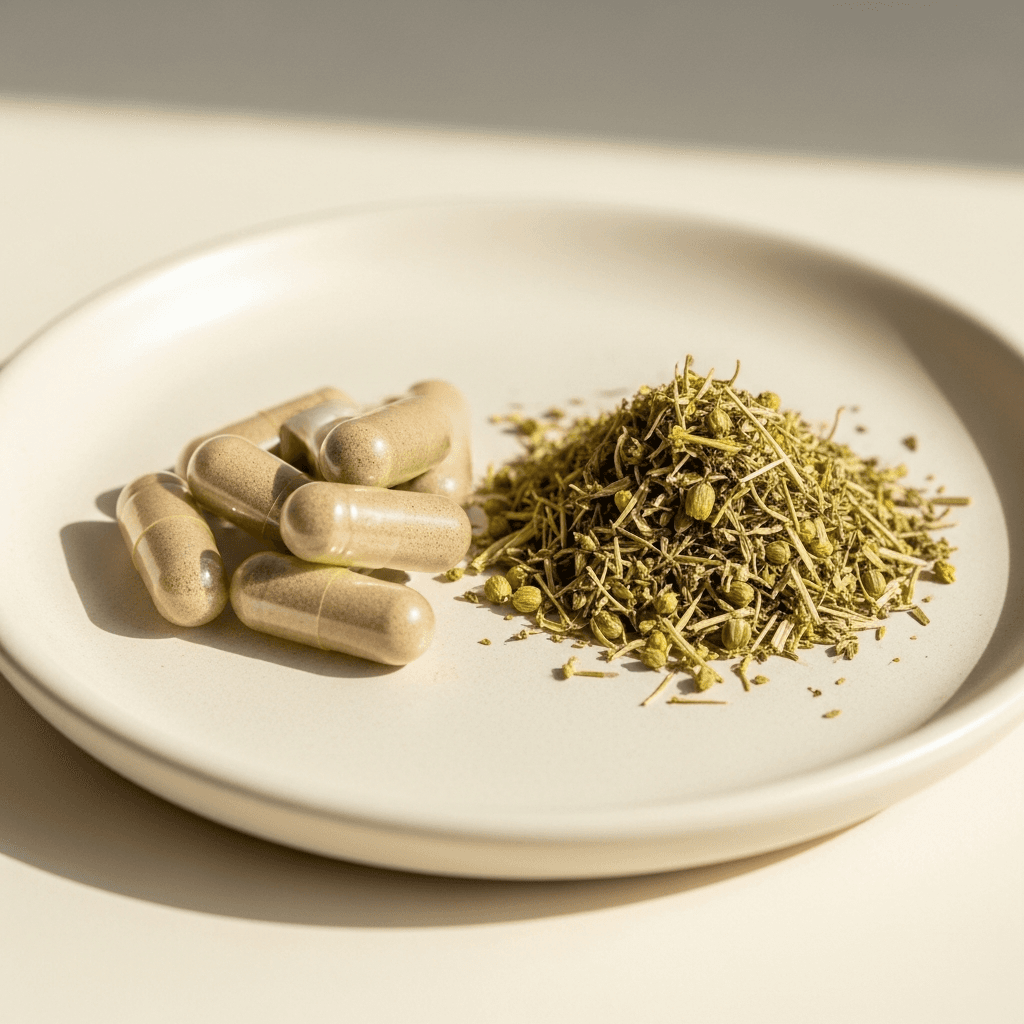 CautionSupplement
Centaury (Centaurium erythraea)
EMA-monograph traditional European bitter, milder than gentian and wormwood, suitable for gentler appetite and digestive support.
Why
Centaury (Centaurium erythraea) holds an EMA HMPC Traditional Use monograph for relief of symptoms in mild dyspeptic/gastrointestinal disorders and for temporary loss of appetite. Used in European phytotherapy as a milder bitter than gentian, often combined in traditional formulations.
How it works
Secoiridoid bitter principles (gentiopicroside, centaurin) stimulate gastric and salivary secretion via taste-receptor reflexes, same mechanism class as gentian but milder potency.
Expected onset · Acute effect on appetite within minutes
How to take
Dosage
Dried herb: 1–2 g as infusion, three times daily before meals.
Timing
10–20 minutes before main meals
On the label
Centaurium erythraea aerial parts. Often combined with gentian or other bitters in commercial digestive blends.
Ideal for
Adults with mild appetite loss or sluggish digestion exploring gentler traditional bitters.
Safety
Evidence
EMA classifies centaury at Traditional Use for mild dyspeptic complaints. Traditional-use registration only, no Cochrane review, no Well-Established Use monograph, no EFSA-authorised claim, and no major-journal RCT supports a specific therapeutic effect. Inclusion here reflects the documented tradition; modern clinical evidence is limited.
Traditional-use registration only, no Cochrane review, no Well-Established Use monograph, no EFSA-authorised claim, and no major-journal RCT supports a specific therapeutic effect. Inclusion here reflects the documented tradition; modern clinical evidence is limited.
Where to get it
Shop Centaury (Centaurium erythraea) on AmazonSponsored · As an Amazon Associate, Healicus earns from qualifying purchases.
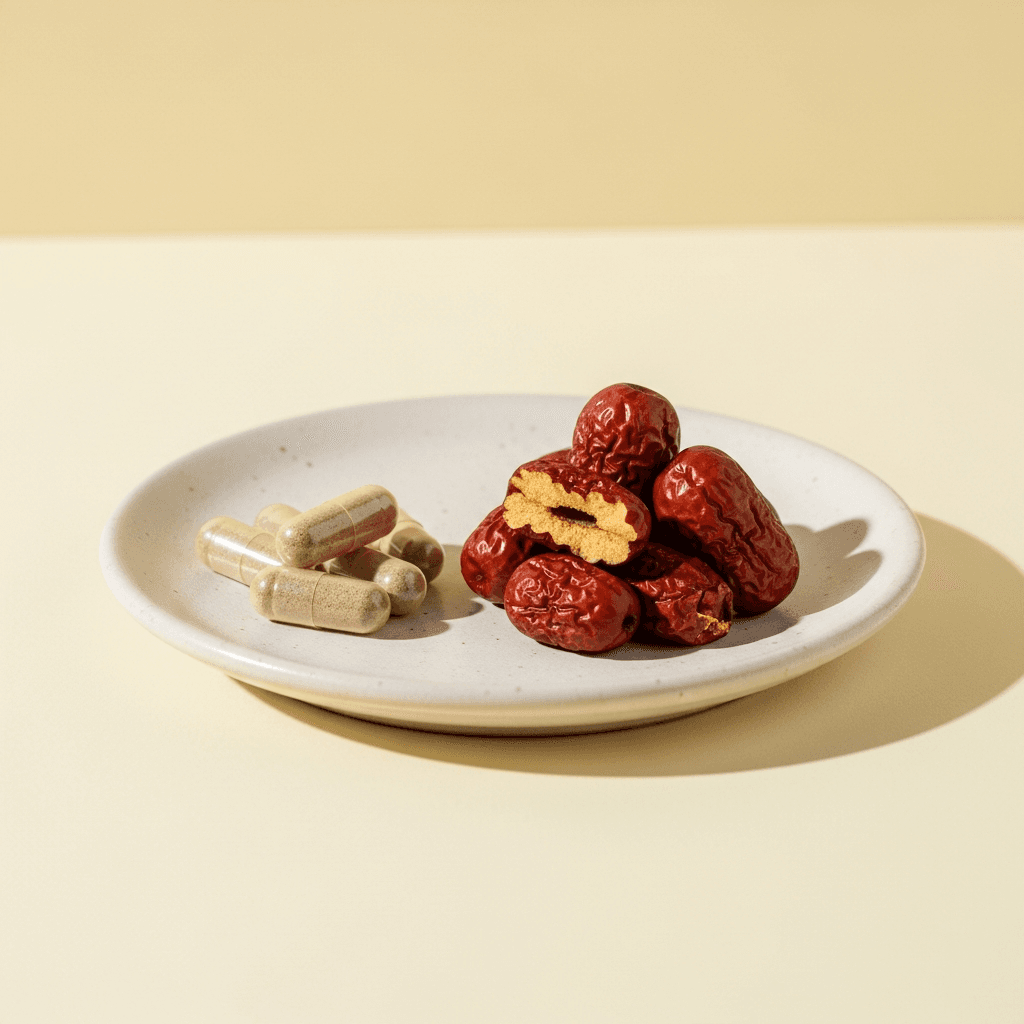 CautionSupplement
Chinese jujube / Red date (Ziziphus jujuba, Da Zao)
TCM Qi-tonifying fruit used in many decoctions and as a food, small RCT signal for subjective wellbeing.
Why
Chinese jujube (Ziziphus jujuba, da zao, red date) is the dried fruit used in TCM as a Qi-tonifying ingredient, frequently added to decoctions to 'harmonise' formulas and as a daily food. Distinct from Suan Zao Ren (the seed of a related Ziziphus species used for sleep). Modern clinical evidence is small.
How it works
TCM framework: tonifies the Spleen and Stomach Qi, nourishes Blood, calms the Spirit. Polysaccharides and saponins have antioxidant and mild immunomodulatory effects. Cyclic AMP and saponins have weak central sedative effects.
Expected onset · Not characterised in modern clinical literature
How to take
Dosage
Traditional decoction: 6–15 g (3–5 dates), once or twice daily. Food use: as added ingredient.
Timing
Any time
On the label
Dried whole Chinese jujube (red date). Different from common date palm fruit (Phoenix dactylifera).
Ideal for
Adults exploring TCM-tradition foods; people enjoying as a dietary ingredient (porridges, soups, teas).
Safety
Evidence
No regulator anchor. Tradition-only, no Cochrane review, no EMA HMPC monograph, no EFSA-authorised claim, no major-journal RCT supports a specific therapeutic effect. Inclusion reflects documented historical use in the tradition; modern clinical evidence is limited.
Tradition-only, no Cochrane review, no EMA HMPC monograph, no EFSA-authorised claim, no major-journal RCT supports a specific therapeutic effect. Inclusion reflects documented historical use in the tradition; modern clinical evidence is limited.
Where to get it
Shop Chinese jujube / Red date (Ziziphus jujuba, Da Zao) on AmazonSponsored · As an Amazon Associate, Healicus earns from qualifying purchases.
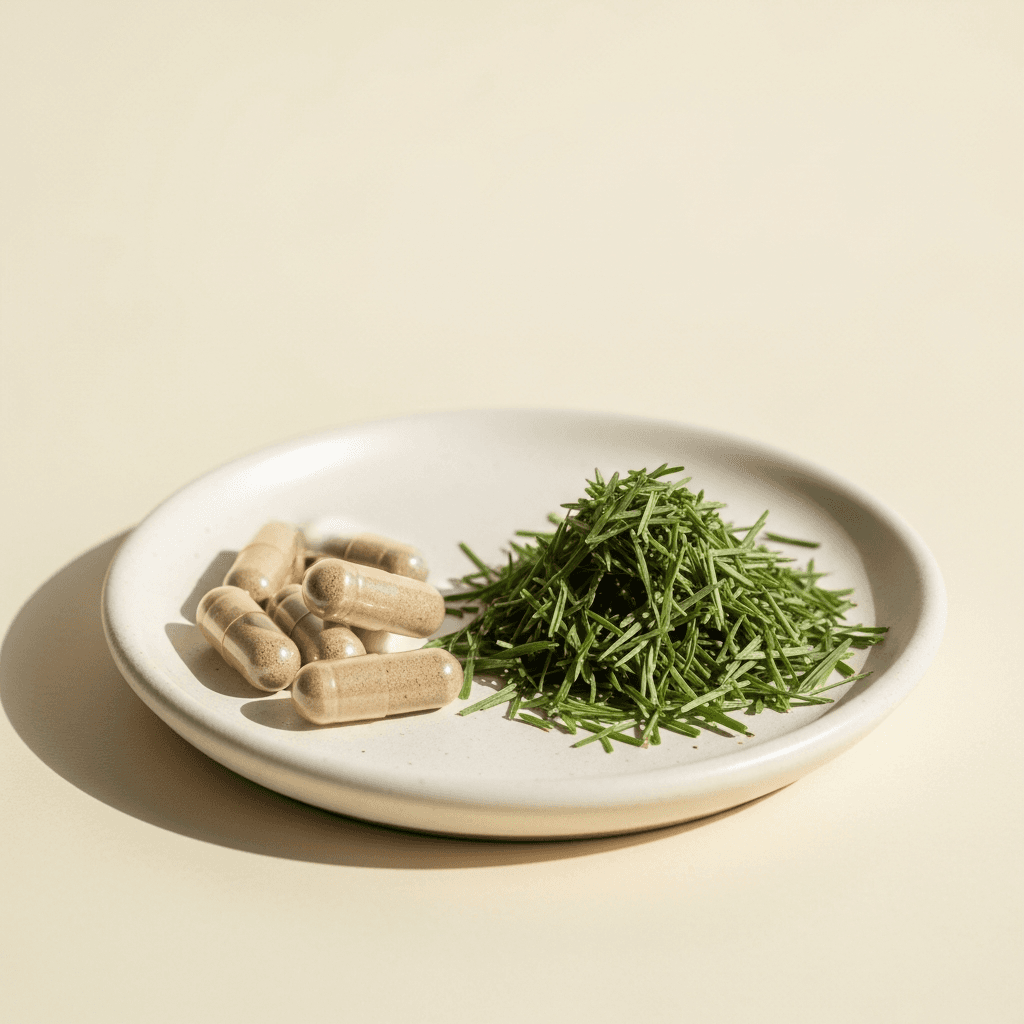 CautionSupplement
Couch grass (Elymus repens / Agropyron repens)
EMA-monograph European traditional aquaretic for urinary tract irrigation, among the gentler options in the urinary-herbal lineup.
Why
Couch grass rhizome (Elymus repens, also called Agropyron repens) holds an EMA HMPC Traditional Use monograph for the increased amount of urine to achieve flushing of the urinary tract, as adjuvant in minor urinary complaints. A common European garden 'weed' with longstanding traditional use as a gentle aquaretic. Often combined with stronger urinary herbs in proprietary preparations.
How it works
Polysaccharides (triticin), saponins and minor essential oil components produce mild aquaretic effect via increased renal tubular flow. Mucilage provides demulcent action on urinary mucosa.
Expected onset · Diuretic effect within hours
How to take
Dosage
Dried rhizome: 6–12 g/day as decoction, three times daily. With substantial additional water (2+ litres/day).
Timing
Throughout the day with adequate water
On the label
Elymus repens (= Agropyron repens) rhizome.
Ideal for
Adults with mild urinary tract irritation seeking the gentler end of the European traditional aquaretic spectrum.
Safety
Evidence
EMA classifies couch grass rhizome at Traditional Use for urinary-tract irrigation. Traditional-use registration only, no Cochrane review, no Well-Established Use monograph, no EFSA-authorised claim, and no major-journal RCT supports a specific therapeutic effect. Inclusion here reflects the documented tradition; modern clinical evidence is limited.
Traditional-use registration only, no Cochrane review, no Well-Established Use monograph, no EFSA-authorised claim, and no major-journal RCT supports a specific therapeutic effect. Inclusion here reflects the documented tradition; modern clinical evidence is limited.
Where to get it
Shop Couch grass (Elymus repens / Agropyron repens) on AmazonSponsored · As an Amazon Associate, Healicus earns from qualifying purchases.
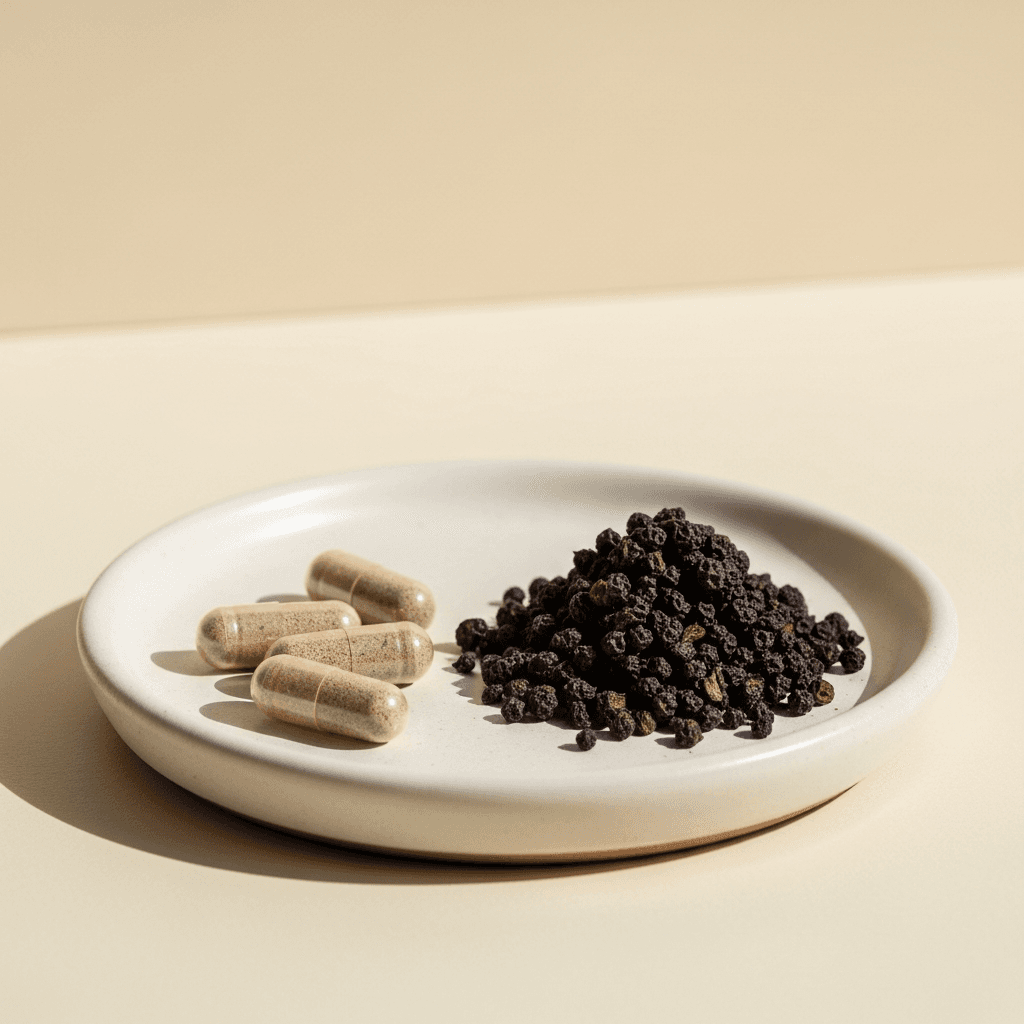 CautionSupplement
Cramp bark / Black haw (Viburnum)
Native American and European traditional herb for dysmenorrhoea and uterine cramping, no modern RCT base.
Why
Cramp bark (Viburnum opulus) and black haw (Viburnum prunifolium) have been used traditionally in Native American and 19th-century Western Eclectic medicine for menstrual cramps and uterine spasm. Modern clinical evidence is essentially absent, no Cochrane review, no EMA monograph, no significant RCT. Inclusion is for honest reference.
How it works
Scopoletin (a coumarin) and viburnine have antispasmodic effects in animal smooth-muscle preparations. Salicin content provides mild anti-inflammatory effect. Clinical translation to human dysmenorrhoea is not characterised.
Expected onset · Acute effect during symptomatic phase
How to take
Dosage
Dried bark: 2–4 g decoction or 4–8 ml tincture, three times daily during symptomatic phase.
Timing
Three times daily during menstrual cramps; preventive dosing in days preceding menstruation in traditional practice
On the label
Viburnum opulus (cramp bark) or V. prunifolium (black haw). Both used similarly in tradition. Aged bark preferred.
Ideal for
Adults with dysmenorrhoea exploring Western-herbalist traditional options with awareness that modern evidence is limited.
Safety
Evidence
No regulator anchor. Traditional-use registration only, no Cochrane review, no Well-Established Use monograph, no EFSA-authorised claim, and no major-journal RCT supports a specific therapeutic effect. Inclusion here reflects the documented tradition; modern clinical evidence is limited.
Traditional-use registration only, no Cochrane review, no Well-Established Use monograph, no EFSA-authorised claim, and no major-journal RCT supports a specific therapeutic effect. Inclusion here reflects the documented tradition; modern clinical evidence is limited.
Where to get it
Shop Cramp bark / Black haw (Viburnum) on AmazonSponsored · As an Amazon Associate, Healicus earns from qualifying purchases.
 CautionSupplement
Damiana (Turnera diffusa)
Central American traditional herb used for mood and as a mild aphrodisiac, no modern evidence anchor for specific therapeutic effect.
Why
Damiana (Turnera diffusa) is a Central American and West Indies aromatic shrub used historically for mood support, libido, and digestion. Modern clinical evidence is essentially absent, no Cochrane review, no EMA monograph, no significant peer-reviewed RCT. Inclusion is for honest reference, given common consumer questions.
How it works
Flavonoids and essential oil constituents; arbutin content gives weak antibacterial activity. Mechanism for the proposed mood and libido effects has not been clinically characterised.
Expected onset · Acute effect (if any) within hours; sustained-use effects not characterised in clinical literature
How to take
Dosage
Traditional infusion: 2–4 g dried leaves in 150 ml water, twice daily.
Timing
Twice daily
On the label
Turnera diffusa leaf, dried herb or tincture. Often appears in herbal blends for mood or libido.
Ideal for
Adults exploring traditional herbal options for mood support with awareness that modern evidence does not yet support specific therapeutic claims.
Safety
Evidence
No regulator anchor available. Used in traditional Central American and Caribbean herbalism for mood and libido. Traditional-use registration only, no Cochrane review, no Well-Established Use monograph, no EFSA-authorised claim, and no major-journal RCT supports a specific therapeutic effect. Inclusion here reflects the documented tradition; modern clinical evidence is limited.
Traditional-use registration only, no Cochrane review, no Well-Established Use monograph, no EFSA-authorised claim, and no major-journal RCT supports a specific therapeutic effect. Inclusion here reflects the documented tradition; modern clinical evidence is limited.
Where to get it
Shop Damiana (Turnera diffusa) on AmazonSponsored · As an Amazon Associate, Healicus earns from qualifying purchases.
 CautionSupplement
Dandelion root (Taraxacum officinale)
EMA-monograph traditional European herb for mild dyspeptic complaints and as a mild diuretic, broad traditional use, limited modern RCT evidence.
Why
Dandelion root (Taraxacum officinale) holds an EMA HMPC Traditional Use monograph for relief of mild dyspeptic complaints and to support liver function. Dandelion leaf has a separate monograph for mild diuretic use. Modern clinical evidence is limited; the regulatory anchor is the traditional-use registration.
How it works
Sesquiterpene lactones provide bitter effect and stimulate bile secretion (choleretic). Inulin content supports gut microbiota. Potassium content contributes to the mild diuretic effect of leaf preparations.
Expected onset · Bitter / choleretic effect acute; diuretic effect within hours
How to take
Dosage
Dried root: 3–4 g as decoction, three times daily. Leaf: 4–10 g daily as infusion.
Timing
Before meals (root) or throughout day (leaf)
On the label
Dandelion root (Taraxaci radix) for digestive use; leaf (folium) for diuretic use. Different monographs for each.
Ideal for
Adults with mild dyspepsia, fluid retention, or seeking gentle hepatic-tonic traditional support.
Safety
Evidence
EMA classifies dandelion root at Traditional Use for mild dyspeptic complaints and liver support. Traditional-use registration only, no Cochrane review, no Well-Established Use monograph, no EFSA-authorised claim, and no major-journal RCT supports a specific therapeutic effect. Inclusion here reflects the documented tradition; modern clinical evidence is limited.
Traditional-use registration only, no Cochrane review, no Well-Established Use monograph, no EFSA-authorised claim, and no major-journal RCT supports a specific therapeutic effect. Inclusion here reflects the documented tradition; modern clinical evidence is limited.
Where to get it
Shop Dandelion root (Taraxacum officinale) on AmazonSponsored · As an Amazon Associate, Healicus earns from qualifying purchases.
 CautionSupplement
Dong Quai (Angelica sinensis)
Centrepiece TCM women's-health herb, modern clinical evidence is thin and the most-cited menopausal-symptom RCT was null.
Why
Dong Quai (Angelica sinensis, dang gui) is one of the most-used herbs in Traditional Chinese Medicine, where it is classified as a 'blood-nourishing and -moving' herb and prescribed for menstrual irregularity, post-partum recovery and menopausal complaints. Modern clinical evidence is limited and mostly negative: the Hirata 1997 Fertil Steril RCT in postmenopausal vasomotor symptoms was null. No Cochrane review, no EMA monograph supports the menopausal indication.
How it works
Traditional TCM framework: nourishes Blood (Xue), invigorates circulation, regulates the menstrual cycle. Ferulic acid and ligustilide have documented phytoestrogenic and antispasmodic effects preclinically, clinical translation has not been established.
Expected onset · Not characterised in modern clinical literature
How to take
Dosage
Traditional decoction: 4.5–9 g dried root in water. Standardised extract: per product label. In TCM tradition itself, generally used as part of multi-herb formulas rather than monotherapy.
Timing
Divided 2–3 times daily
On the label
Angelica sinensis (Chinese Dong Quai), distinct from Angelica archangelica (European angelica, separate digestive bitter card). GMP-certified TCM dispensary or supplier with heavy-metal testing.
Ideal for
Adults exploring TCM framework approaches, used as a women's tonic by Chinese-medicine practitioners, with awareness that modern clinical evidence does not support specific therapeutic claims.
Safety
Evidence
Hirata 1997 Fertil Steril RCT (n=71 postmenopausal women): Dong Quai 4.5 g/day for 24 weeks produced no significant difference from placebo on menopausal symptoms or oestrogenic markers. Tradition-only, no Cochrane review, no EMA HMPC monograph, no EFSA-authorised claim, no major-journal RCT supports a specific therapeutic effect. Inclusion reflects documented historical use in the tradition; modern clinical evidence is limited.
Tradition-only, no Cochrane review, no EMA HMPC monograph, no EFSA-authorised claim, no major-journal RCT supports a specific therapeutic effect. Inclusion reflects documented historical use in the tradition; modern clinical evidence is limited.
Where to get it
Shop Dong Quai (Angelica sinensis) on AmazonSponsored · As an Amazon Associate, Healicus earns from qualifying purchases.
 CautionSupplement
Fennel essential oil
EMA-monograph distilled essential oil for cough and dyspepsia, distinct from fennel seed (already in catalogue) used for the same indications.
Why
Fennel (Foeniculum vulgare) essential oil, distinct from the fennel seed already in the catalogue, holds EMA HMPC Traditional Use monographs for relief of cough associated with cold and for mild dyspeptic complaints. Bitter fennel (var. amara) and sweet fennel (var. dulce) have separate monographs. The essential oil provides more concentrated essential-oil components (anethole, fenchone) than the whole seed.
How it works
Trans-anethole produces spasmolytic effects on intestinal and bronchial smooth muscle. Fenchone contributes mild antimicrobial activity. Mild oestrogenic activity at higher doses.
Expected onset · Acute symptomatic relief within hours
How to take
Dosage
Bitter fennel oil: 0.1–0.6 ml/day (often as sweetened drops). Sweet fennel oil: similar.
Timing
After meals or during symptomatic phase
On the label
Foeniculum vulgare essential oil, bitter (var. amara) or sweet (var. dulce). EMA-registered traditional herbal medicinal products comply.
Ideal for
Adults with mild dyspepsia, infant colic (under paediatric guidance, dilute preparations), or productive cough.
Safety
Evidence
EMA classifies fennel essential oil (bitter and sweet) at Traditional Use for cough and dyspepsia. Traditional-use registration only, no Cochrane review, no Well-Established Use monograph, no EFSA-authorised claim, and no major-journal RCT supports a specific therapeutic effect. Inclusion here reflects the documented tradition; modern clinical evidence is limited.
Traditional-use registration only, no Cochrane review, no Well-Established Use monograph, no EFSA-authorised claim, and no major-journal RCT supports a specific therapeutic effect. Inclusion here reflects the documented tradition; modern clinical evidence is limited.
Where to get it
Shop Fennel essential oil on AmazonSponsored · As an Amazon Associate, Healicus earns from qualifying purchases.
 CautionSupplement
Haritaki (Terminalia chebula)
Ayurvedic 'king of medicines' (the Buddhist amrita), constituent of Triphala, preliminary modern evidence; broad traditional use.
Why
Haritaki (Terminalia chebula) is one of the three constituents of Triphala (already in catalogue) and revered in both Ayurveda and Tibetan Buddhist medicine. Modern clinical evidence as a monoextract is limited; most signal is from Triphala combination work. Inclusion is for honest reference to the named herb.
How it works
Tannin and gallic acid content provides astringent and antioxidant effects. Mild laxative effect at higher doses via stimulation of gastric motility. Antibacterial activity documented in vitro.
Expected onset · Mild laxative effect within 24 hours; chronic effects not well-characterised
How to take
Dosage
Powder: 3–6 g/day. As part of Triphala: per Triphala dosing.
Timing
Once daily, evening typically
On the label
Terminalia chebula fruit powder, quality-tested. The fruit ripens through multiple colour stages; preparation tradition varies by intended use.
Ideal for
Adults using Triphala or interested in the constituent herbs of that formulation.
Safety
Evidence
No regulator anchor as monoextract. Tradition-only, no Cochrane review, no EMA HMPC monograph, no EFSA-authorised claim, no major-journal RCT supports a specific therapeutic effect. Inclusion reflects documented historical use in the tradition; modern clinical evidence is limited. Modern evidence emerges via the Triphala combination.
Tradition-only, no Cochrane review, no EMA HMPC monograph, no EFSA-authorised claim, no major-journal RCT supports a specific therapeutic effect. Inclusion reflects documented historical use in the tradition; modern clinical evidence is limited.
Where to get it
Shop Haritaki (Terminalia chebula) on AmazonSponsored · As an Amazon Associate, Healicus earns from qualifying purchases.
 CautionSupplement
He Shou Wu (Polygonum multiflorum, Fo-Ti)
TCM longevity root with traditional reputation for hair pigmentation, significant hepatotoxicity case reports limit modern use.
Why
He Shou Wu (Polygonum multiflorum, also called Fo-Ti) is a TCM root with longstanding reputation for kidney/liver tonification, hair pigmentation, and longevity. The crucial modern caveat: a substantial cluster of hepatotoxicity case reports (including liver failure cases) has led to regulatory restrictions in several countries. Singapore and Australia have issued warnings; the UK MHRA flagged the herb for hepatic risk. Inclusion here is for honest reference including the safety signal.
How it works
TCM framework: tonifies Liver and Kidney essence, nourishes Blood. Stilbene glucosides (TSG) and anthraquinones have multiple preclinical effects. Hepatotoxicity mechanism is incompletely characterised, appears related to processing (raw vs prepared) and to chronic high doses.
Expected onset · Traditional indications assessed over months; safety considerations are the more immediate concern
How to take
Dosage
TCM traditional: 9–15 g/day of prepared (zhi) He Shou Wu, decocted. Raw (sheng) preparation is laxative and not for chronic use.
Timing
Divided 2–3 times daily
On the label
If used at all, only prepared (zhi shou wu) form from a quality-certified TCM dispensary with documented stilbene/anthraquinone content. Many practitioners now substitute alternatives given the safety profile.
Ideal for
Educational reference, including safety considerations. Modern use should be under close clinical supervision and with attention to liver function monitoring.
Safety
Evidence
Hepatotoxicity case reports cluster, including liver failure, leading to regulatory warnings in Singapore (HSA), Australia (TGA), UK (MHRA). Lei 2015 Front Pharmacol systematic review summarises the safety signal. Tradition-only, no Cochrane review, no EMA HMPC monograph, no EFSA-authorised claim, no major-journal RCT supports a specific therapeutic effect. Inclusion reflects documented historical use in the tradition; modern clinical evidence is limited. This is a case where 'honest framing' means leading with the safety signal.
Hepatotoxicity case reports are the dominant modern signal. No regulator anchor supports use; multiple national regulators have issued warnings. Documented use in TCM tradition remains, with increasing practitioner-side substitution.
Where to get it
Shop He Shou Wu (Polygonum multiflorum, Fo-Ti) on AmazonSponsored · As an Amazon Associate, Healicus earns from qualifying purchases.
 CautionSupplement
Horsetail (Equisetum arvense)
EMA-monograph traditional aquaretic herb, also used for silica and bone tradition; one of the highest silicon contents in the plant kingdom.
Why
Horsetail (Equisetum arvense) holds an EMA HMPC Traditional Use monograph for the increased amount of urine to achieve flushing of the urinary tract, as adjuvant in minor urinary complaints. Beyond the urinary indication, horsetail is rich in silicon (about 25% of dry weight in some forms) and is used traditionally for bone, hair and nail support. Modern clinical evidence remains limited to the EMA traditional-use registration plus small studies on silicon bioavailability.
How it works
Saponins and flavonoids produce mild aquaretic effect (increased urine flow). Silicic acid content provides bioavailable silicon, proposed role in collagen and bone matrix though clinical-outcome data is limited.
Expected onset · Diuretic effect within hours; bone and silicon effects over months (if any)
How to take
Dosage
Dried herb: 2–4 g as infusion, three times daily. Standardised extract: per product label. With substantial additional water (2+ litres/day).
Timing
Throughout the day with adequate water
On the label
Equisetum arvense, species-verified. Quality-tested for absence of E. palustre adulteration (toxic).
Ideal for
Adults with mild urinary irritation seeking gentle European traditional aquaretic; people interested in food-source silicon supplementation.
Safety
Evidence
EMA classifies horsetail at Traditional Use for urinary-tract irrigation. Traditional-use registration only, no Cochrane review, no Well-Established Use monograph, no EFSA-authorised claim, and no major-journal RCT supports a specific therapeutic effect. Inclusion here reflects the documented tradition; modern clinical evidence is limited.
Traditional-use registration only, no Cochrane review, no Well-Established Use monograph, no EFSA-authorised claim, and no major-journal RCT supports a specific therapeutic effect. Inclusion here reflects the documented tradition; modern clinical evidence is limited.
Where to get it
Shop Horsetail (Equisetum arvense) on AmazonSponsored · As an Amazon Associate, Healicus earns from qualifying purchases.
 Supplement
Linden flower (Tilia)
EMA-monograph traditional European bedtime tea, mild diaphoretic and nervine, widely used as a children's-age-appropriate calming infusion.
Why
Linden flower (Tilia cordata and T. platyphyllos) holds an EMA HMPC Traditional Use monograph for relief of symptoms of common cold and as relief of mild symptoms of mental stress. Widely used across Europe as a bedtime infusion. Modern clinical evidence is limited; the regulatory anchor is the traditional-use registration, supported by >30 years of consistent traditional use.
How it works
Flavonoid glycosides and mucilage produce mild diaphoretic and demulcent effect. Mild GABA-A modulation proposed but not well characterised. The classical use as a children's calming infusion reflects the favourable safety profile rather than potent pharmacology.
Expected onset · Calming effect within hours; symptomatic relief acute
How to take
Dosage
1.5 g dried flowers in 150 ml hot water, 2–4 times daily as an infusion.
Timing
Evening for sleep; throughout the day for cold symptoms
On the label
Tilia cordata or T. platyphyllos flowering tops. Tea bags or loose dried flowers.
Ideal for
Adults and children with mild sleep-onset complaints or stress-related restlessness; symptomatic adjunct in cold and fever.
Safety
Evidence
EMA classifies linden flower at Traditional Use for mild stress, sleep aid, and common cold symptoms. Traditional-use registration only, no Cochrane review, no Well-Established Use monograph, no EFSA-authorised claim, and no major-journal RCT supports a specific therapeutic effect. Inclusion here reflects the documented tradition; modern clinical evidence is limited.
Traditional-use registration only, no Cochrane review, no Well-Established Use monograph, no EFSA-authorised claim, and no major-journal RCT supports a specific therapeutic effect. Inclusion here reflects the documented tradition; modern clinical evidence is limited.
Where to get it
Shop Linden flower (Tilia) on AmazonSponsored · As an Amazon Associate, Healicus earns from qualifying purchases.
 CautionSupplement
Marshmallow leaf (Althaea officinalis folium)
EMA-monograph traditional European demulcent leaf. Separate monograph from marshmallow root (already in catalogue); for cough and mild oral mucosa irritation.
Why
Marshmallow leaf (Althaea officinalis folium) holds an EMA HMPC Traditional Use monograph distinct from the marshmallow root monograph (already in catalogue). Leaf preparations are used for symptomatic treatment of oral or pharyngeal irritation and associated dry cough. Both leaf and root contain mucilage, with similar demulcent action.
How it works
Mucilage polysaccharides form a protective film on oral, pharyngeal and oesophageal mucosa, physical demulcent effect distinct from antibacterial or expectorant mechanisms. Mild iridoid content contributes anti-inflammatory effect.
Expected onset · Soothing effect within hours
How to take
Dosage
Dried leaf: 1–4 g as cold-water macerate (soaked 30 min), up to 4 times daily.
Timing
3–4 times daily as needed
On the label
Althaea officinalis folium (leaf), distinct monograph from root (radix, already in catalogue).
Ideal for
Adults and children with dry irritated cough, sore throat, or mild oesophageal irritation. Useful complement to mucolytic and antimicrobial respiratory herbs.
Safety
Evidence
EMA classifies marshmallow leaf at Traditional Use for oral/pharyngeal irritation and dry cough. Traditional-use registration only, no Cochrane review, no Well-Established Use monograph, no EFSA-authorised claim, and no major-journal RCT supports a specific therapeutic effect. Inclusion here reflects the documented tradition; modern clinical evidence is limited.
Traditional-use registration only, no Cochrane review, no Well-Established Use monograph, no EFSA-authorised claim, and no major-journal RCT supports a specific therapeutic effect. Inclusion here reflects the documented tradition; modern clinical evidence is limited.
Where to get it
Shop Marshmallow leaf (Althaea officinalis folium) on AmazonSponsored · As an Amazon Associate, Healicus earns from qualifying purchases.
 CautionSupplement
Mullein (Verbascum)
EMA-monograph traditional European herb for productive cough, also used topically for ear discomfort.
Why
Mullein (Verbascum thapsus and related species) holds an EMA HMPC Traditional Use monograph for productive cough associated with cold. The mucilage content (similar to marshmallow) provides demulcent action; saponins contribute expectorant effect. Modern clinical evidence is limited; the regulatory anchor is the traditional-use registration. Mullein-infused oil is also used traditionally for ear discomfort.
How it works
Mucilage forms a demulcent coating on irritated respiratory mucosa. Iridoid glycosides (aucubin, catalpol) contribute mild anti-inflammatory effect. Saponins (verbascosaponin) thin mucus.
Expected onset · Symptomatic relief within hours; cough improvement over days
How to take
Dosage
Dried flower or leaf: 1.5–4 g as infusion, three times daily. Strain through fine cloth to remove plant hairs (irritant if ingested).
Timing
Three times daily during symptomatic phase
On the label
Verbascum thapsus flowers (gentler) or leaves. Strain prepared tea through fine cloth.
Ideal for
Adults with productive cough or dry respiratory irritation exploring European-tradition herbal options.
Safety
Evidence
EMA classifies mullein flower at Traditional Use for productive cough. Traditional-use registration only, no Cochrane review, no Well-Established Use monograph, no EFSA-authorised claim, and no major-journal RCT supports a specific therapeutic effect. Inclusion here reflects the documented tradition; modern clinical evidence is limited.
Traditional-use registration only, no Cochrane review, no Well-Established Use monograph, no EFSA-authorised claim, and no major-journal RCT supports a specific therapeutic effect. Inclusion here reflects the documented tradition; modern clinical evidence is limited.
Where to get it
Shop Mullein (Verbascum) on AmazonSponsored · As an Amazon Associate, Healicus earns from qualifying purchases.
 CautionSupplement
Plantain leaf (Plantago lanceolata)
EMA-monograph traditional European herb for cough and oral mucosa irritation, distinct from psyllium (which is Plantago seed).
Why
Ribwort plantain leaf (Plantago lanceolata) holds an EMA HMPC Traditional Use monograph for symptoms of cough associated with cold and temporary oral or pharyngeal mucosa irritation. Distinct from the psyllium / ispaghula husk seed of related Plantago species. Used widely in Central and Eastern European phytotherapy.
How it works
Mucilage demulcent effect on mucous membranes. Iridoid glycosides (aucubin, catalpol) with mild antibacterial activity. Mild astringent effect from tannins.
Expected onset · Symptomatic relief within hours; cough improvement over days
How to take
Dosage
Dried leaf: 3–6 g as infusion or 2–4 ml fluid extract three times daily.
Timing
Three times daily during symptomatic phase
On the label
Plantago lanceolata (ribwort plantain, narrow leaves) or P. major (broadleaf plantain). Distinct from psyllium husk seed.
Ideal for
Adults and children (typically 6+) with productive cough or sore-throat irritation exploring European-tradition options.
Safety
Evidence
EMA classifies ribwort plantain leaf at Traditional Use for cough and oral mucosa irritation. Traditional-use registration only, no Cochrane review, no Well-Established Use monograph, no EFSA-authorised claim, and no major-journal RCT supports a specific therapeutic effect. Inclusion here reflects the documented tradition; modern clinical evidence is limited.
Traditional-use registration only, no Cochrane review, no Well-Established Use monograph, no EFSA-authorised claim, and no major-journal RCT supports a specific therapeutic effect. Inclusion here reflects the documented tradition; modern clinical evidence is limited.
Where to get it
Shop Plantain leaf (Plantago lanceolata) on AmazonSponsored · As an Amazon Associate, Healicus earns from qualifying purchases.
 CautionSupplement
Skullcap (Scutellaria lateriflora)
North American mint-family herb used in Eclectic and modern Western herbalism as a mild nervine, no regulator anchor.
Why
Scutellaria lateriflora (American skullcap, distinct from the TCM Scutellaria baicalensis) was used in 19th-century Eclectic medicine for nervous tension, insomnia and anxiety. Wolfson 2003 small RCT found acute anxiolytic-like effect in healthy adults; otherwise modern clinical evidence is sparse. Historical concern about adulteration with hepatotoxic Teucrium species is the principal quality concern.
How it works
Flavonoid baicalin (also in Scutellaria baicalensis) shows GABA-A receptor binding in vitro. Acute anxiolytic effect documented mechanistically; clinical translation is limited.
Expected onset · Acute calming within hours; sustained-use effects not well characterised
How to take
Dosage
Dried herb: 1–2 g three times daily as infusion. Tincture: 2–4 ml three times daily.
Timing
Throughout the day; evening dose for sleep support
On the label
Specifically 'Scutellaria lateriflora' (American skullcap), distinct from S. baicalensis (Chinese huang qin) which is for different uses. Verify species identity given historical Teucrium adulteration.
Ideal for
Adults with mild stress-related restlessness exploring Western-herbalist tradition; quality-sourced product is essential.
Safety
Evidence
Two small RCTs (Wolfson 2003, Brock 2014) reported acute anxiolytic-like effects on POMS and BAI scores. No regulator anchor available. Traditional-use registration only, no Cochrane review, no Well-Established Use monograph, no EFSA-authorised claim, and no major-journal RCT supports a specific therapeutic effect. Inclusion here reflects the documented tradition; modern clinical evidence is limited.
Traditional-use registration only, no Cochrane review, no Well-Established Use monograph, no EFSA-authorised claim, and no major-journal RCT supports a specific therapeutic effect. Inclusion here reflects the documented tradition; modern clinical evidence is limited.
Where to get it
Shop Skullcap (Scutellaria lateriflora) on AmazonSponsored · As an Amazon Associate, Healicus earns from qualifying purchases.
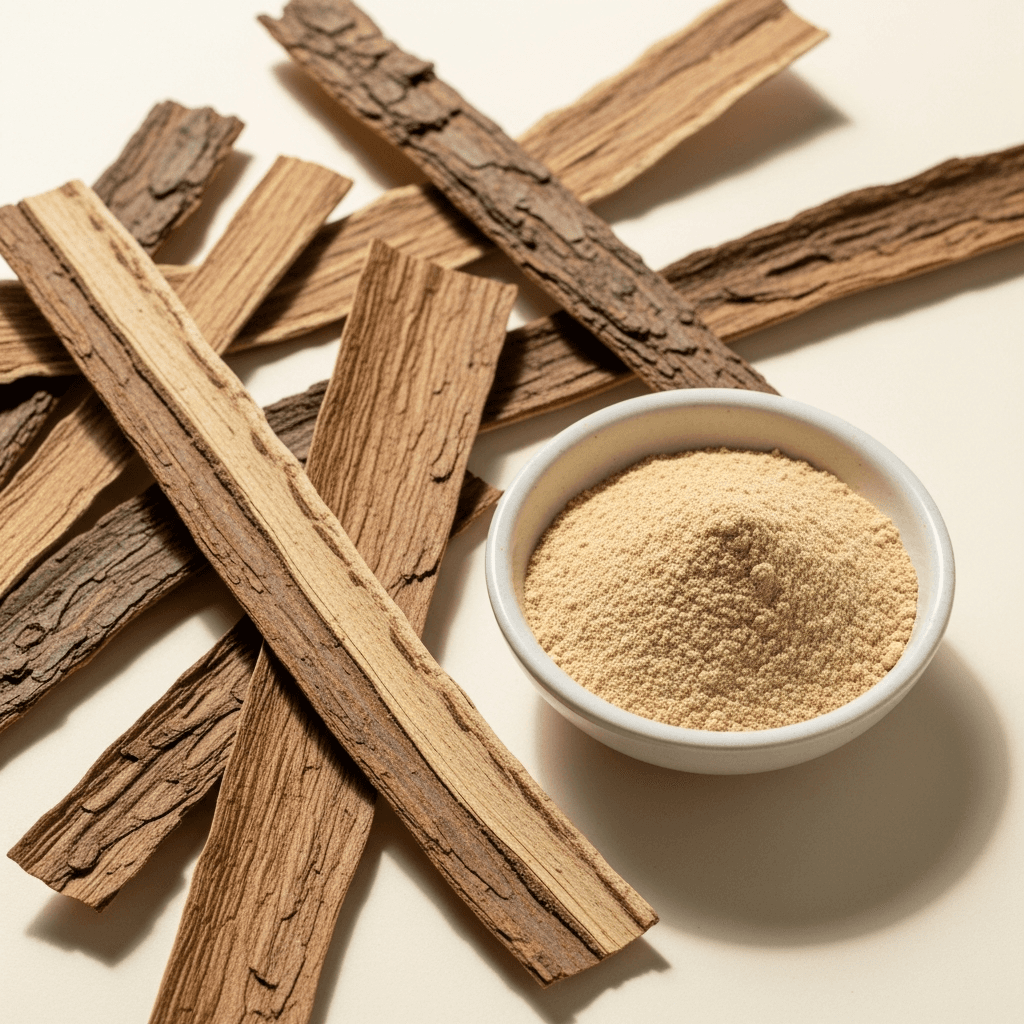 CautionSupplement
Slippery elm
Traditional mucilage herb.
Why
Traditional mucilage herb. Coats the gut lining, useful for reflux, IBS-D, and inflammatory irritation. Limited RCT data but strong traditional use record.
How it works
Mucilage polysaccharides form a viscous coating on mucous membranes when hydrated, providing a mechanical barrier for irritated gastrointestinal tissue.
Safety
Evidence
Hawrelak & Myers 2010 J Altern Complement Med pilot trial: two slippery-elm-containing natural-medicine formulations improved bowel-habit measures in small samples of IBS-C and IBS-D patients. Trial base is thin and uncontrolled by modern standards; tradition-of-use record is strong but modern RCT evidence is limited.
Evidence base is genuinely thin: one small pilot trial (Hawrelak & Myers 2010, IBS) and the NIH LiverTox safety monograph. No dosage or onset timeline carries clinical consensus. Traditional use only.
Where to get it
Shop Slippery elm on AmazonSponsored · As an Amazon Associate, Healicus earns from qualifying purchases.
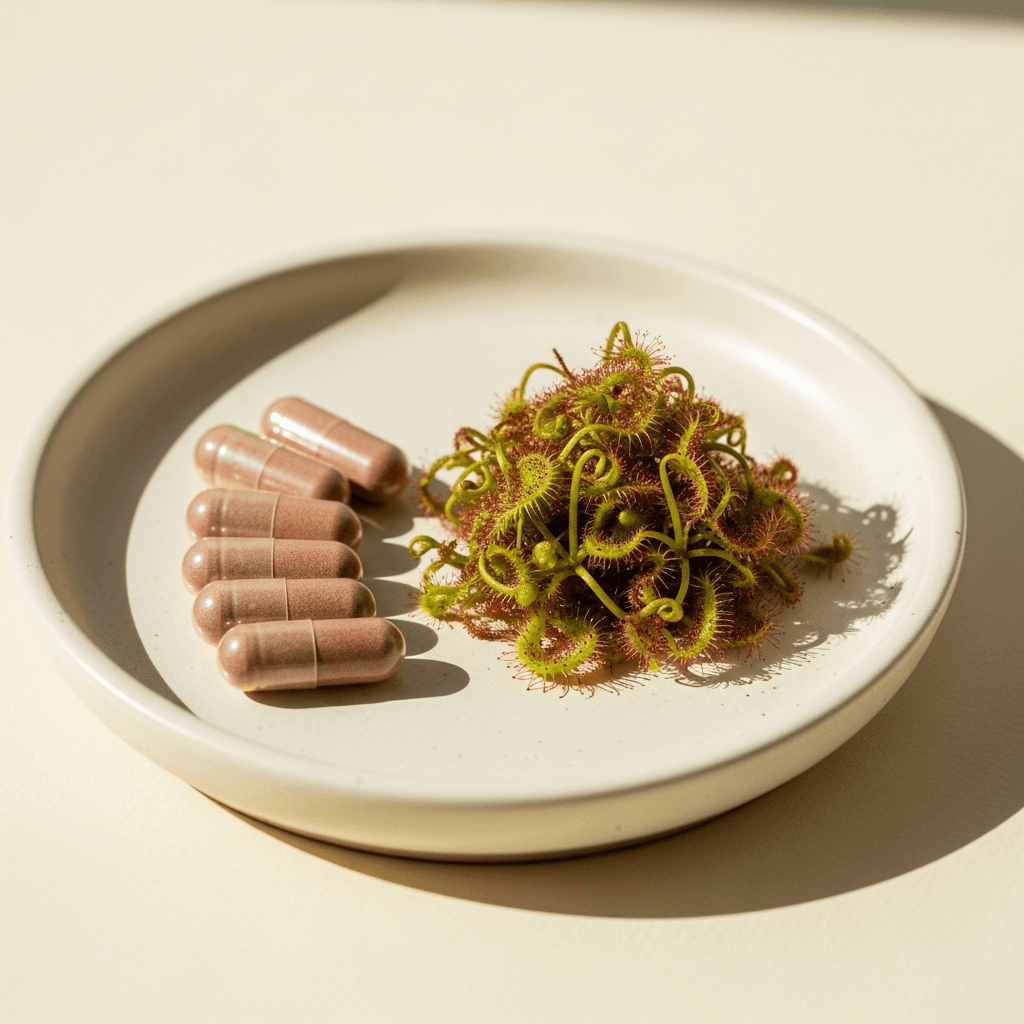 CautionSupplement
Sundew (Drosera)
EMA-monograph traditional European herb for productive cough, central in old-tradition whooping cough management.
Why
Sundew (Drosera rotundifolia and related species) holds an EMA HMPC Traditional Use monograph for relief of cough associated with cold. A carnivorous bog plant traditionally used in European phytotherapy for productive cough, historical place in whooping cough management before vaccination. Wild-collected supply has been a sustainability concern; cultivated material is increasingly used.
How it works
Naphthoquinones (plumbagin, droserone) have antispasmodic and antibacterial effects in vitro. Mucilage provides demulcent action on inflamed mucosa. Clinical translation to human cough endpoints is documented mostly via traditional use.
Expected onset · Symptomatic relief within days
How to take
Dosage
Dried herb: 1–2 g as infusion, three times daily. Tincture: 1–2 ml three times daily.
Timing
Three times daily during symptomatic phase
On the label
Drosera rotundifolia or related species, sustainably sourced (cultivated rather than wild-collected where possible).
Ideal for
Adults and children (typically 4+ years) with productive cough associated with cold seeking European-tradition options.
Safety
Evidence
EMA classifies sundew herb at Traditional Use for cough associated with cold. Traditional-use registration only, no Cochrane review, no Well-Established Use monograph, no EFSA-authorised claim, and no major-journal RCT supports a specific therapeutic effect. Inclusion here reflects the documented tradition; modern clinical evidence is limited.
Traditional-use registration only, no Cochrane review, no Well-Established Use monograph, no EFSA-authorised claim, and no major-journal RCT supports a specific therapeutic effect. Inclusion here reflects the documented tradition; modern clinical evidence is limited.
Where to get it
Shop Sundew (Drosera) on AmazonSponsored · As an Amazon Associate, Healicus earns from qualifying purchases.
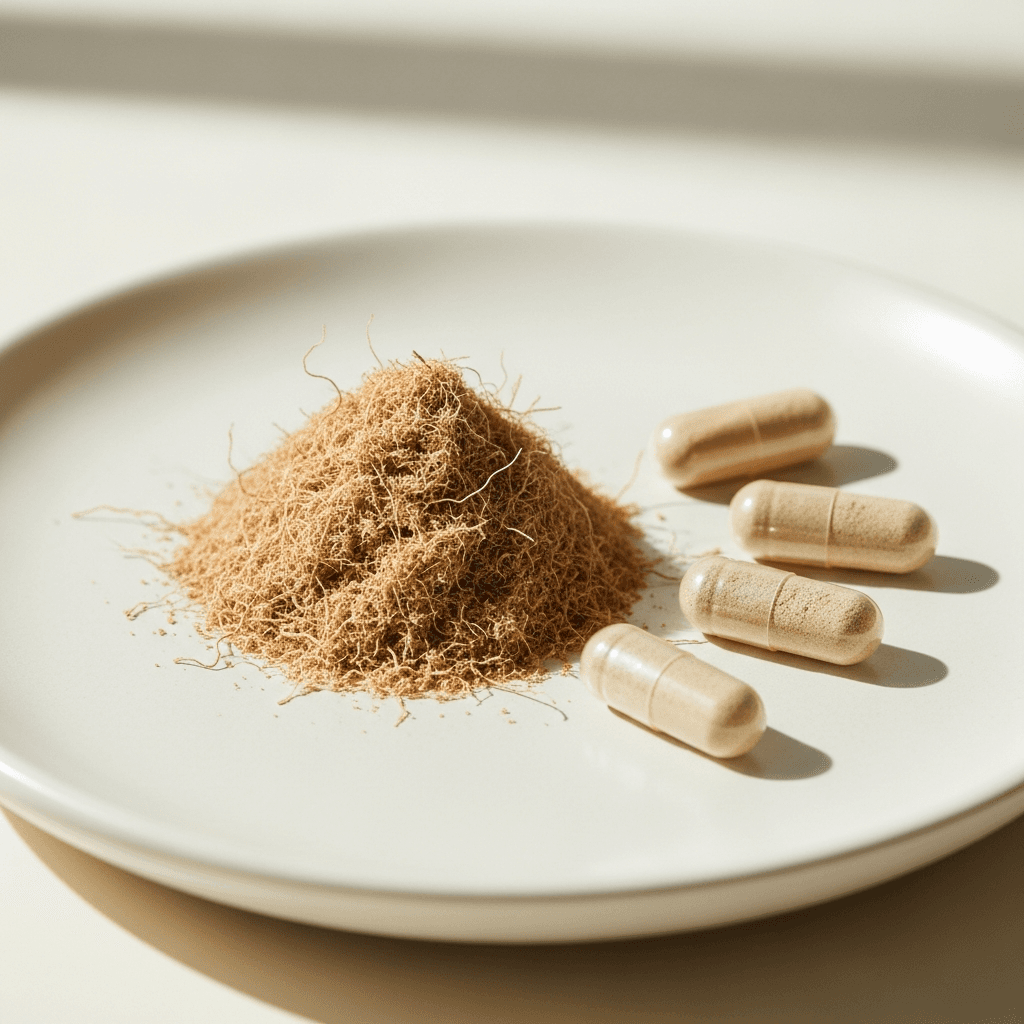 CautionSupplement
Wild yam (Dioscorea villosa)
Persistently misrepresented as a 'natural progesterone source', wild yam diosgenin is not converted to progesterone in the body. Honest framing matters here.
Why
Wild yam (Dioscorea villosa) is one of the most-misrepresented herbs in the supplement industry. The popular claim, that wild yam provides natural progesterone, is biochemically false. Diosgenin from wild yam is the laboratory starting material for industrial synthesis of progesterone, but humans do not have the enzymes to convert diosgenin to progesterone in vivo. The Komesaroff 2001 RCT confirmed no effect on menopausal symptoms. Inclusion here is for honest reference and myth-correction.
How it works
Diosgenin is a plant steroid saponin used industrially as a starting material for steroid drug synthesis (via multi-step chemical processes). In vivo, humans do not convert diosgenin to progesterone, DHEA, or any other steroid hormone. Some traditional use for muscle cramps and mild antispasmodic effect is documented.
Expected onset · Not applicable, the proposed mechanism is not biochemically valid
How to take
Dosage
If used traditionally: dried root 1–3 g as decoction. As a hormone substitute: there is no biologically valid dosage, the conversion does not occur.
Timing
Not relevant for the misrepresented hormone-substitute use
On the label
Wild yam does not produce progesterone in the human body. For perimenopausal hormonal support, see physician-supervised options or evidence-anchored botanicals like black cohosh and vitex.
Ideal for
Educational reference, addressing the persistent 'natural progesterone' myth. Not recommended as a hormone-substitute.
Safety
Evidence
Komesaroff 2001 Climacteric placebo-controlled RCT (n=23): wild yam extract had no effect on menopausal symptoms, lipid profile, or sex hormone levels. The popular 'natural progesterone' claim is biochemically invalid, humans do not synthesise progesterone from diosgenin.
The marketed indication (natural progesterone source) is biochemically invalid, human enzymatic machinery does not convert diosgenin to progesterone in vivo. This is the rare entry where honest framing means active myth-correction.
Where to get it
Shop Wild yam (Dioscorea villosa) on AmazonSponsored · As an Amazon Associate, Healicus earns from qualifying purchases.
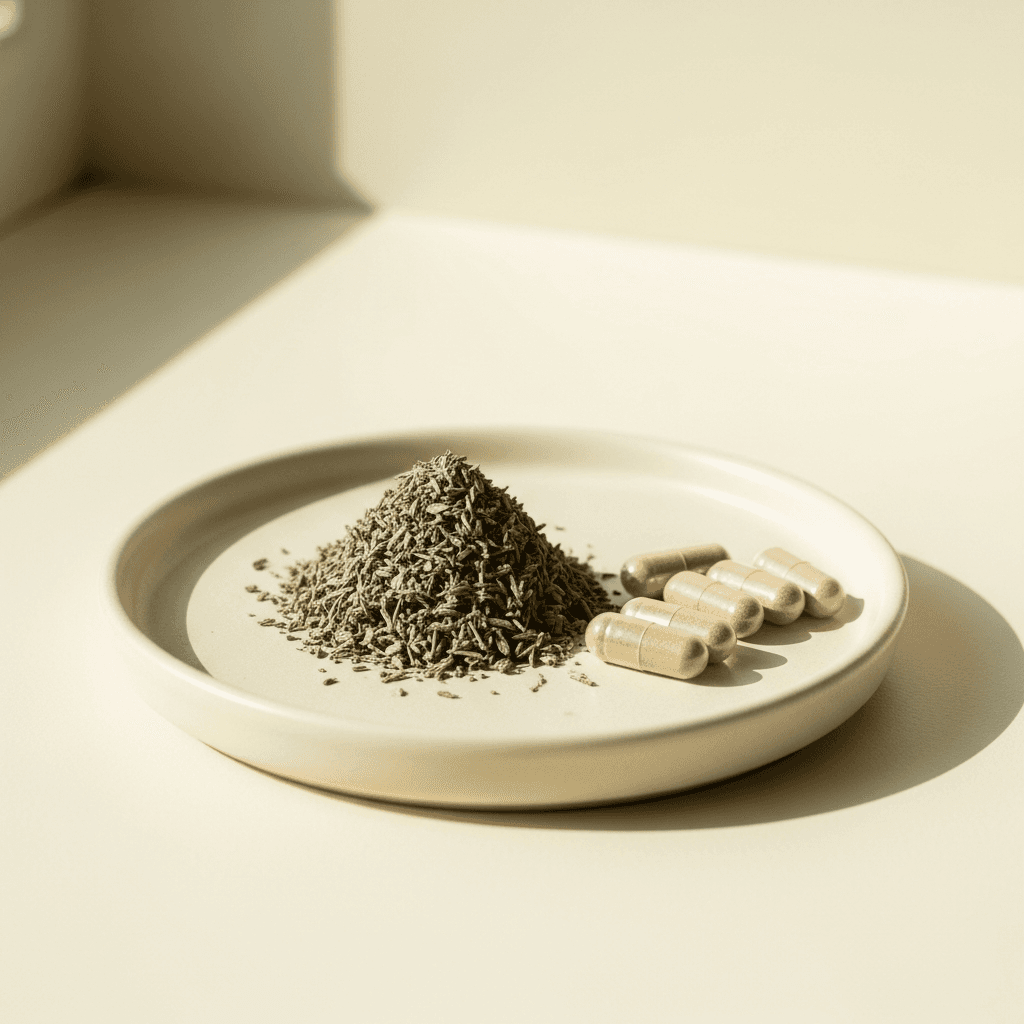 CautionSupplement
Wormwood (Artemisia absinthium)
EMA-monograph classical European bitter for dyspepsia and mild appetite loss, thujone content limits chronic use.
Why
Wormwood (Artemisia absinthium) holds an EMA HMPC Traditional Use monograph for relief of symptoms in mild dyspeptic/gastrointestinal disorders and for temporary loss of appetite. The thujone content (a GABA-A antagonist neurotoxin at high doses) is the practical limit, limit to short courses, and the essential oil should never be ingested undiluted. The traditional French absinthe beverage was banned for nearly a century in Europe over thujone concerns.
How it works
Sesquiterpene lactone bitter principles (absinthin, anabsinthin) stimulate gastric and bile secretion via taste-receptor reflexes. Thujone is a GABA-A receptor antagonist (the basis of the historical absinthe concern).
Expected onset · Appetite and dyspepsia effects within days
How to take
Dosage
Dried herb: 0.5–1 g as infusion before meals, up to three times daily. Limit course to 2–3 weeks.
Timing
10–20 minutes before main meals
On the label
Standardised dried herb. Avoid essential oil products for internal use. Pre-mixed in some commercial digestive bitter blends.
Ideal for
Adults with appetite loss, mild dyspepsia or sluggish digestion seeking traditional European bitter preparations.
Safety
Evidence
EMA classifies wormwood at Traditional Use for mild dyspeptic complaints and temporary loss of appetite. Traditional-use registration only, no Cochrane review, no Well-Established Use monograph, no EFSA-authorised claim, and no major-journal RCT supports a specific therapeutic effect. Inclusion here reflects the documented tradition; modern clinical evidence is limited.
Traditional-use registration only, no Cochrane review, no Well-Established Use monograph, no EFSA-authorised claim, and no major-journal RCT supports a specific therapeutic effect. Inclusion here reflects the documented tradition; modern clinical evidence is limited.
Where to get it
Shop Wormwood (Artemisia absinthium) on AmazonSponsored · As an Amazon Associate, Healicus earns from qualifying purchases.
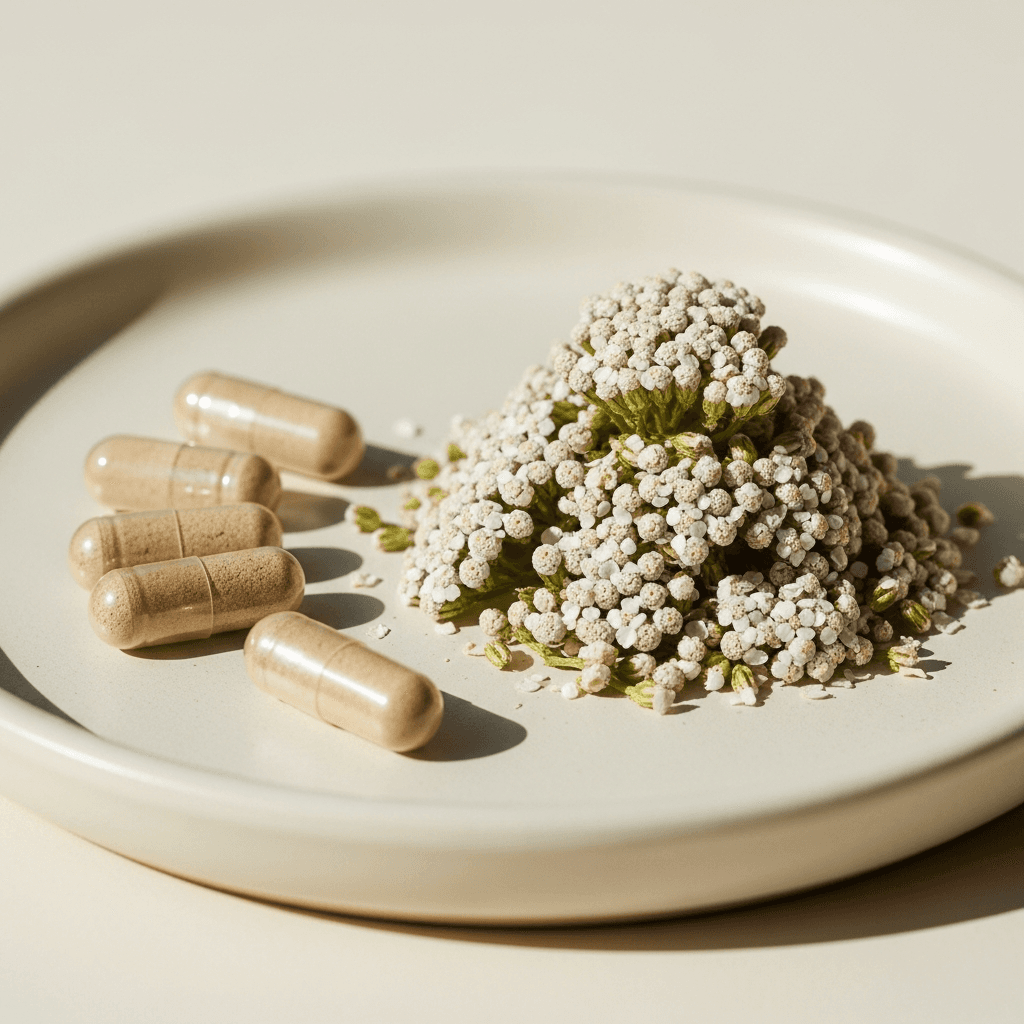 CautionSupplement
Yarrow (Achillea millefolium)
EMA-monograph traditional European herb, internal bitter for digestion, topical for minor wounds and skin inflammation.
Why
Yarrow (Achillea millefolium) holds an EMA HMPC Traditional Use monograph for temporary loss of appetite and mild dyspeptic complaints (oral use), and for relief of minor skin inflammation and wounds (topical use). One of the most widely-used herbs in European folk medicine.
How it works
Bitter sesquiterpene lactones stimulate gastric secretion. Essential oil components (chamazulene, 1,8-cineole) provide mild antimicrobial and anti-inflammatory effects on skin. Tannins provide astringent effect.
Expected onset · Bitter effect acute; topical wound healing over days
How to take
Dosage
Internal: dried herb 4.5 g/day as infusion. Topical: 100 g herb per 20 L bath water; or compresses with infusion.
Timing
Internal: before meals. Topical: as needed.
On the label
Achillea millefolium flowering tops or herb. EMA-registered traditional herbal medicinal products available in some EU markets.
Ideal for
Adults with mild appetite loss or dyspepsia (internal); minor wounds and skin inflammation (topical).
Safety
Evidence
EMA classifies yarrow at Traditional Use for mild dyspeptic complaints (oral) and minor skin inflammation (topical). Traditional-use registration only, no Cochrane review, no Well-Established Use monograph, no EFSA-authorised claim, and no major-journal RCT supports a specific therapeutic effect. Inclusion here reflects the documented tradition; modern clinical evidence is limited.
Traditional-use registration only, no Cochrane review, no Well-Established Use monograph, no EFSA-authorised claim, and no major-journal RCT supports a specific therapeutic effect. Inclusion here reflects the documented tradition; modern clinical evidence is limited.
Where to get it
Shop Yarrow (Achillea millefolium) on AmazonSponsored · As an Amazon Associate, Healicus earns from qualifying purchases.
Where this fits in your routine
Browse by what you're trying to improve: