
Reference · 2026
The numbers worth knowing.
A reference for the biomarkers, imaging, functional tests, and wearable signals that have actually been studied for healthspan, with the guideline targets, the citations, and where to test. The same page for every reader; the application is yours and your doctor's.
68 markers · 216 cited sources

ApoB
Apolipoprotein B
The single most informative blood marker for cardiovascular risk, counts every atherogenic particle, not just the cholesterol they carry.
hsCRP
high-sensitivity C-reactive protein
A sensitive readout of low-grade systemic inflammation, an independent predictor of cardiovascular events.
HbA1c
Glycated haemoglobin
A two-to-three-month moving average of blood glucose. The most stable single marker of glycaemic regulation.
Lipoprotein(a)
Lp(a)
A heritable, near-unmodifiable atherogenic particle. Most people should know their level once; the result almost never changes.

eGFR
Estimated glomerular filtration rate
The standard estimate of kidney filtration, a quiet marker that drifts down with age and many longevity-relevant interventions.

LDL-C
LDL cholesterol
The historically dominant cardiovascular marker: informative, but ApoB captures the same risk signal more precisely.
Fasting glucose
FPG
The base of every metabolic panel, a snapshot of glycaemia after an 8–12 hour fast.

PSA
Prostate-specific antigen
Men's most-discussed and most-controversial tumour marker, useful but only in the context of informed shared decision-making.

uACR
Urine albumin-to-creatinine ratio
The other half of CKD staging: KDIGO weighs urinary albumin co-equally with eGFR, and most adults never have it tested.
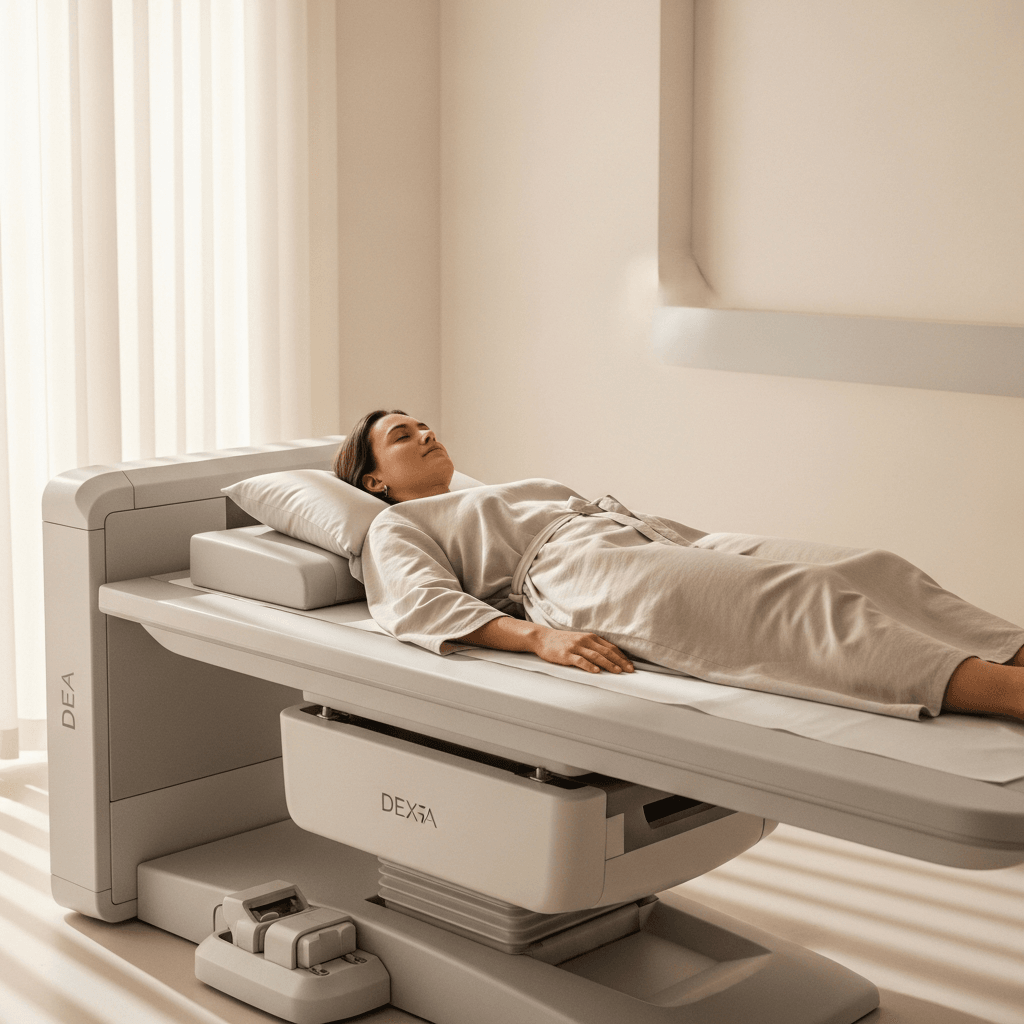
DEXA scan
Dual-energy X-ray absorptiometry
The reference standard for bone density and a precise measure of regional body composition.
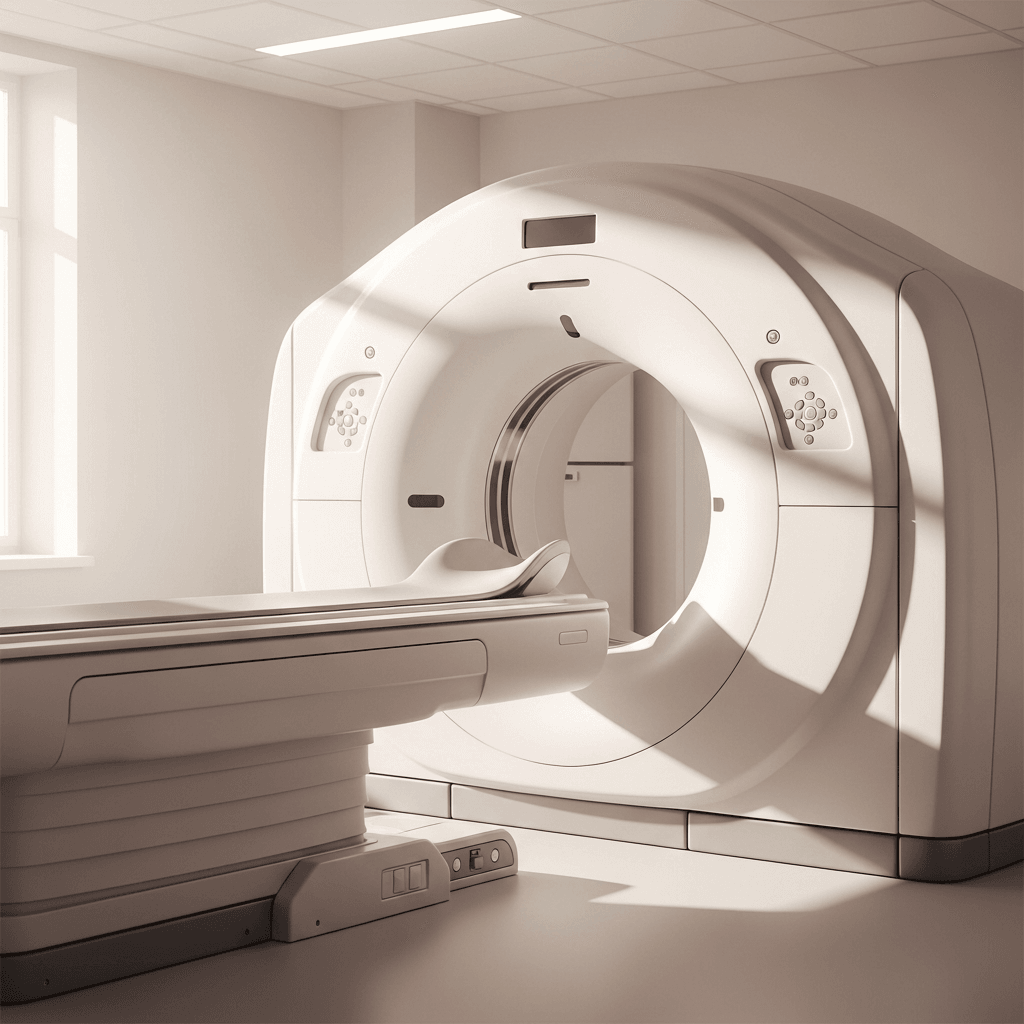
Coronary CT calcium score
CAC
A direct visualisation of coronary atherosclerosis that refines cardiovascular risk far more sharply than any single blood marker.

Mammography
Screening mammogram
The standard screening tool for breast cancer in women. Cadence is the most-debated detail in screening medicine.

Colonoscopy
Lower endoscopy
The most thorough screening tool for colorectal cancer. FIT is the simpler alternative. Both are reasonable for average-risk adults.
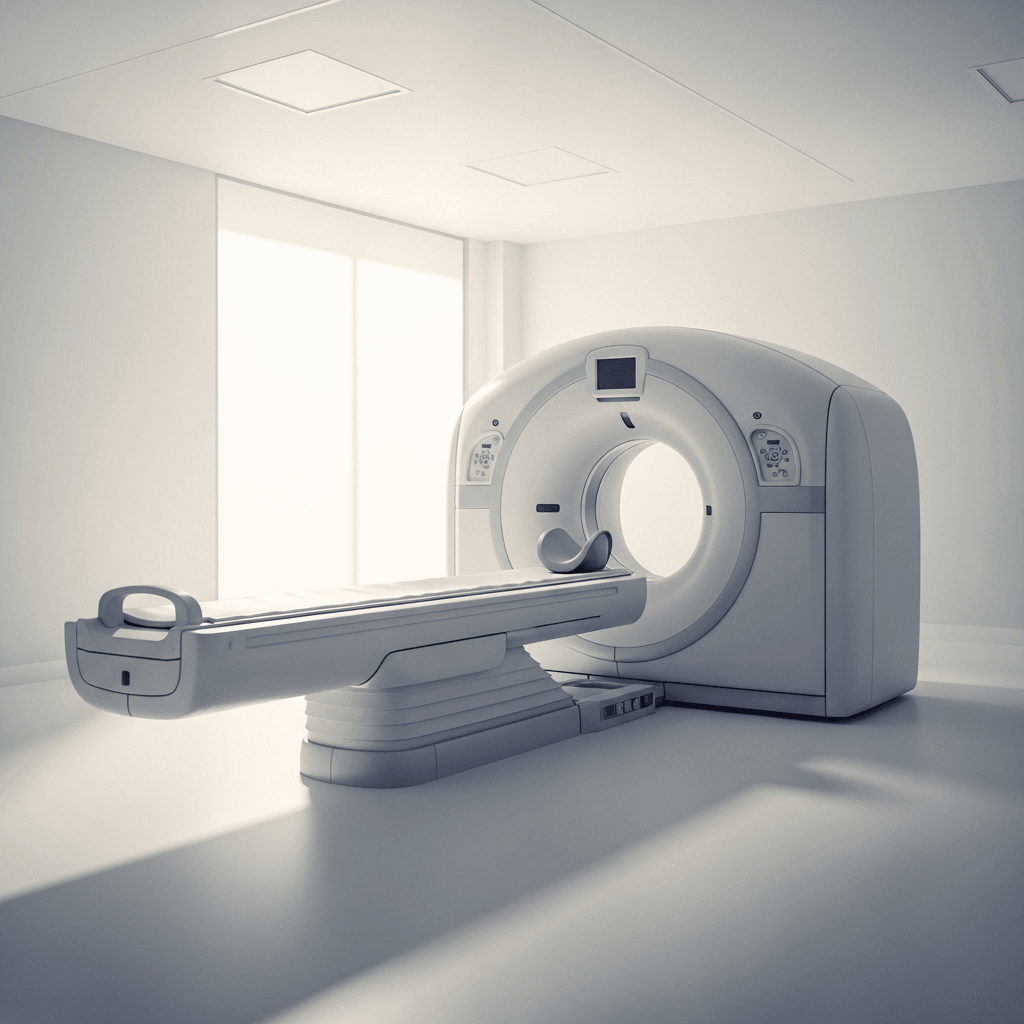
Low-dose CT (lung)
LDCT
The only screening test demonstrated to reduce lung cancer mortality in high-risk adults.

AAA ultrasound
Abdominal aortic aneurysm screening
One-time screen for older men who ever smoked. Detects a usually-silent condition with high mortality if it ruptures.

Home sleep apnea test
HSAT
An at-home recording device that captures airflow, oximetry, and effort overnight, the workhorse confirmation for uncomplicated suspected OSA.

Polysomnography
PSG
The gold-standard sleep study: full electroencephalography, breathing, oxygen, leg movement, and video over one night in a sleep lab.

Grip strength
Handgrip strength
Five seconds and a dynamometer, one of the strongest single predictors of all-cause mortality independent of age and BMI.

Sit-to-stand test
Chair stand test
A composite test of lower-body strength, power, and balance that predicts falls, disability, and mortality.

Gait speed
Walking speed
How fast you walk over four metres, a stronger mortality predictor than chronological age past 65.

VO₂max
Maximal oxygen uptake
The single best-validated predictor of all-cause mortality in healthy adults. Moving from low to even average fitness halves your risk.

Blood pressure
BP
The single most modifiable cardiovascular risk factor. Home monitoring is more informative than the occasional office reading.

Waist circumference
WC
A tape measure beats the BMI scale for cardiometabolic risk: central fat is the part that matters.

STOP-Bang
STOP-BANG questionnaire
Eight yes/no items, the most-validated screening questionnaire for obstructive sleep apnea.

UCLA Loneliness Scale (Version 3)
UCLA-LS
20 short items measuring how often you feel disconnected, the most-validated subjective loneliness instrument.
Sleep apnea workup
OSA diagnostic pathway
From STOP-Bang at the kitchen table to in-lab polysomnography, the standard diagnostic chain.
Vitamin D (25-OH)
25-hydroxyvitamin D
The storage form of vitamin D, the best indicator of overall vitamin D status.

Ferritin
Serum ferritin
The best single marker of body iron stores: low values precede anaemia by months.

Homocysteine
Hcy
An amino acid that accumulates when B12/folate methylation pathways slow. Modestly informative for cardiovascular and cognitive risk.

Fasting insulin
Fasting plasma insulin
An early marker of insulin resistance, often elevated for years before HbA1c moves.

HOMA-IR
Homeostatic Model Assessment for Insulin Resistance
A simple ratio of fasting insulin and glucose, the most widely used surrogate for insulin resistance outside of research settings.

Triglycerides
TG
The lipid most responsive to recent carbohydrate intake, an indirect marker of metabolic flexibility.
Omega-3 Index
O3I
EPA + DHA as a percentage of red-cell fatty acids, the most validated marker of long-term omega-3 status.

Cystatin C
Cys C
An alternative kidney-function marker independent of muscle mass, more accurate than creatinine in many adults.

TSH
Thyroid-stimulating hormone
The most sensitive single marker of thyroid function, the pituitary's signal to the thyroid, and the first to move when thyroid output drifts.
Free T4
Free thyroxine
The unbound circulating form of thyroxine, the actionable readout when TSH is abnormal.

Testosterone (total)
Total testosterone
The principal androgen, modestly informative for libido, energy, body composition, and bone health in men.

HDL-C
HDL cholesterol
Inversely associated with cardiovascular risk in cohort data, but raising it pharmacologically does not reduce events.
Non-HDL-C
Non-HDL cholesterol
Cholesterol in all atherogenic particles, a closer cousin of ApoB than LDL-C, calculated for free from the lipid panel.

ALT
Alanine aminotransferase
The most informative liver enzyme, sensitive to hepatocellular injury, often the first marker to move in MASLD.

GGT
Gamma-glutamyl transferase
Sensitive to liver injury and alcohol use, and independently predicts all-cause and cardiovascular mortality.

Albumin
Serum albumin
The body's most abundant blood protein, a quiet marker of nutritional status, hepatic synthesis, and inflammatory state. Lower values predict mortality across populations.
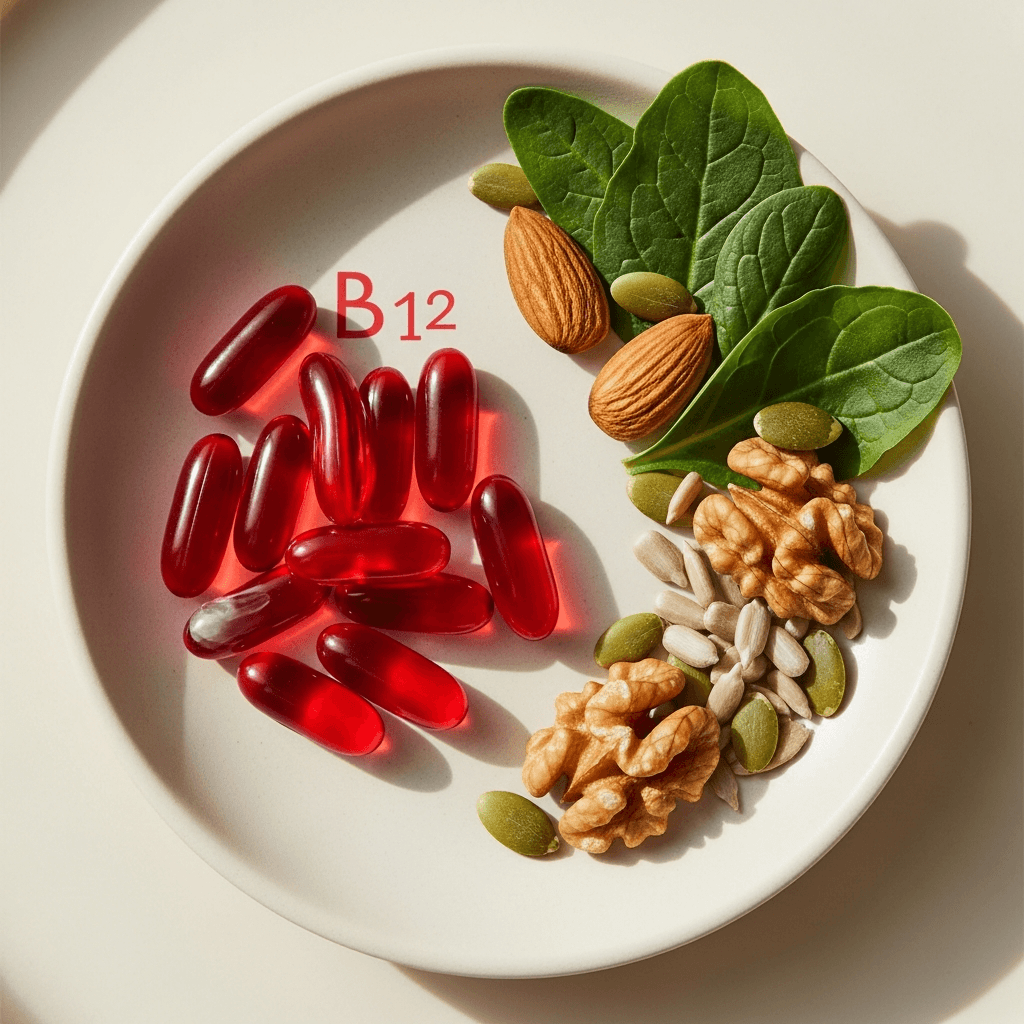
Vitamin B12
Cobalamin
Essential cofactor for DNA synthesis and methylation; deficiency is common, often subtle, and slowly reversible.

Folate
Vitamin B9
Essential for DNA synthesis and methylation, almost universally repleted in fortified-food countries but still measured in unexplained anaemia or pregnancy planning.

Iron studies
Transferrin saturation (TSAT)
The four-marker panel that resolves ferritin's ambiguity, distinguishing true iron status from inflammation-driven readings.

Haemoglobin & CBC
Hb
The most-ordered blood test in medicine: anaemia, white-cell pattern, and platelets in a single panel.

IGF-1
Insulin-like growth factor 1
A growth-hormone-axis proxy with a U-shaped mortality relationship: both very high and very low values associate with elevated risk.

Faecal calprotectin
Stool calprotectin
A stool test that flags inflammation in the gut wall, the cleanest way to separate inflammatory bowel disease from irritable bowel syndrome without a scope.

Dermatological skin check
Skin cancer screening
Annual full-body skin check by a dermatologist, with dermatoscopy where lesions warrant, the standard for melanoma and non-melanoma skin cancer detection.

Carotid intima-media thickness
CIMT
A non-invasive ultrasound measurement of arterial wall thickness that captures pre-clinical atherosclerosis years before events.

Single-leg balance
One-leg stand
How long you can stand on one leg with eyes open, a 30-second cliff-edge in cohort data.

6-minute walk test
6MWT
Distance walked in six minutes, a submaximal exercise tolerance measure useful when full VO₂max testing isn't feasible.

Push-up capacity
Push-up test
How many push-ups you can do without resting, a free 60-second test with a strong prospective cardiovascular signal.
Heart rate variability (HRV)
HRV
The natural variation in interval between heartbeats, a window into autonomic nervous-system balance, recovery, and stress.

Resting heart rate
RHR
The simplest cardiovascular signal you carry: lower trends generally reflect better cardiac autonomic tone and aerobic fitness.

Sleep efficiency
SE
The fraction of time in bed actually spent asleep, the single most actionable wearable sleep metric.

Sleep regularity index
SRI
How consistent your sleep–wake timing is from day to day. In a 60,000-person UK Biobank study it predicted mortality better than how long you slept.

Sleep-onset latency
SOL
How long it takes you to fall asleep. Consistently over 30 minutes is a defining feature of insomnia, and the endpoint most sleep trials measure.

Epworth Sleepiness Scale
ESS
Eight everyday situations rated for dozing likelihood, the most widely used measure of subjective daytime sleepiness.

PHQ-9
Patient Health Questionnaire-9
Nine items mapped to DSM depression criteria, the most-used depression severity instrument in primary care.

GAD-7
Generalized Anxiety Disorder 7-item scale
Seven items, the brief anxiety severity counterpart to PHQ-9, used widely in primary care.

MoCA
Montreal Cognitive Assessment
A 10-minute screening tool for mild cognitive impairment, more sensitive than MMSE in early disease.

PSQI
Pittsburgh Sleep Quality Index
The most-used measure of subjective sleep quality over the past month: 19 items, 7 component scores.

AUDIT-C
Alcohol Use Disorders Identification Test, Consumption
Three short questions about alcohol consumption, the most-used primary-care screen for unhealthy drinking.

RBC magnesium
Red blood cell magnesium
Magnesium measured inside red cells rather than in serum, pitched as a more sensitive read on body stores, though the evidence that it beats serum is thin.
Zinc (RBC)
Erythrocyte zinc
Zinc measured inside red cells, pitched as a steadier read on status than plasma, which swings with meals and inflammation.

Morning cortisol
8 AM serum cortisol
The body's master stress hormone, read at its daily peak. A precise clinical tool for adrenal disease, and a contested research window onto chronic stress.
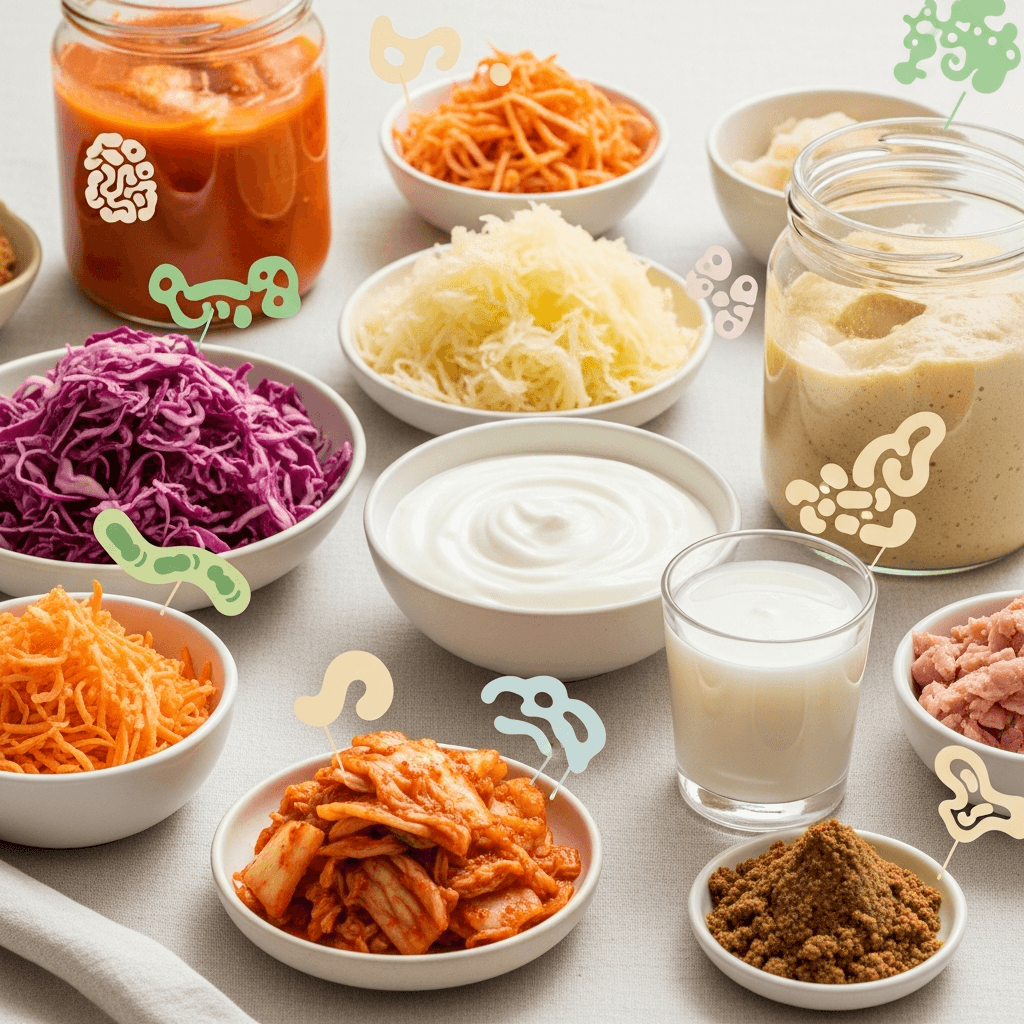
Comprehensive stool microbiome
Gut microbiome test
Sequencing the bacteria in a stool sample to profile your gut ecosystem. Fascinating science, but not yet a validated clinical test, and commercial reports often overreach.