Whathelpswithimmunity.
Natural ways to shorten colds and keep your immune system strong. Every option here is backed by published research.
Most adult immune support boils down to: be nutrient-sufficient, sleep enough, move regularly, manage stress. Where supplementation helps most is in the seasonally stressed or deficient. During acute colds and flu, a small set of herbs and nutrients have reproducible effects on duration. Below is the curated stack.
On prescription medication? Check interactions first.
What Cochrane found
00daysdays
shorter common-cold duration when zinc lozenges are started within 24 hours of first symptom. The acute window matters; daily dosing outside an infection does not.
Singh & Das 2013, Cochrane Database
Ask about this study
Try this now
Cold-day timing chart
Which remedy still helps on day 4?
Each bar marks the days that remedy is worth taking. The shaded column is the critical acute window — start within 24 h or you miss the effect. Tap any bar for the dose and the citation.
Zinc lozenges
75–100 mg/day in divided lozenges. Must be started within 24 h of first symptom for the cold-duration benefit to show.
Source · Singh & Das 2013, Cochrane
What works.
Tap any card for the full evidence.
Look for the ⚠ Pregnancy chip on individual cards.
Not only supplements.
Habits, programs and techniques that have moved the same outcomes in trials — often with the strongest evidence base of all.
Post-meal walking
10–15 minute walk after meals blunts the post-prandial glucose spike.
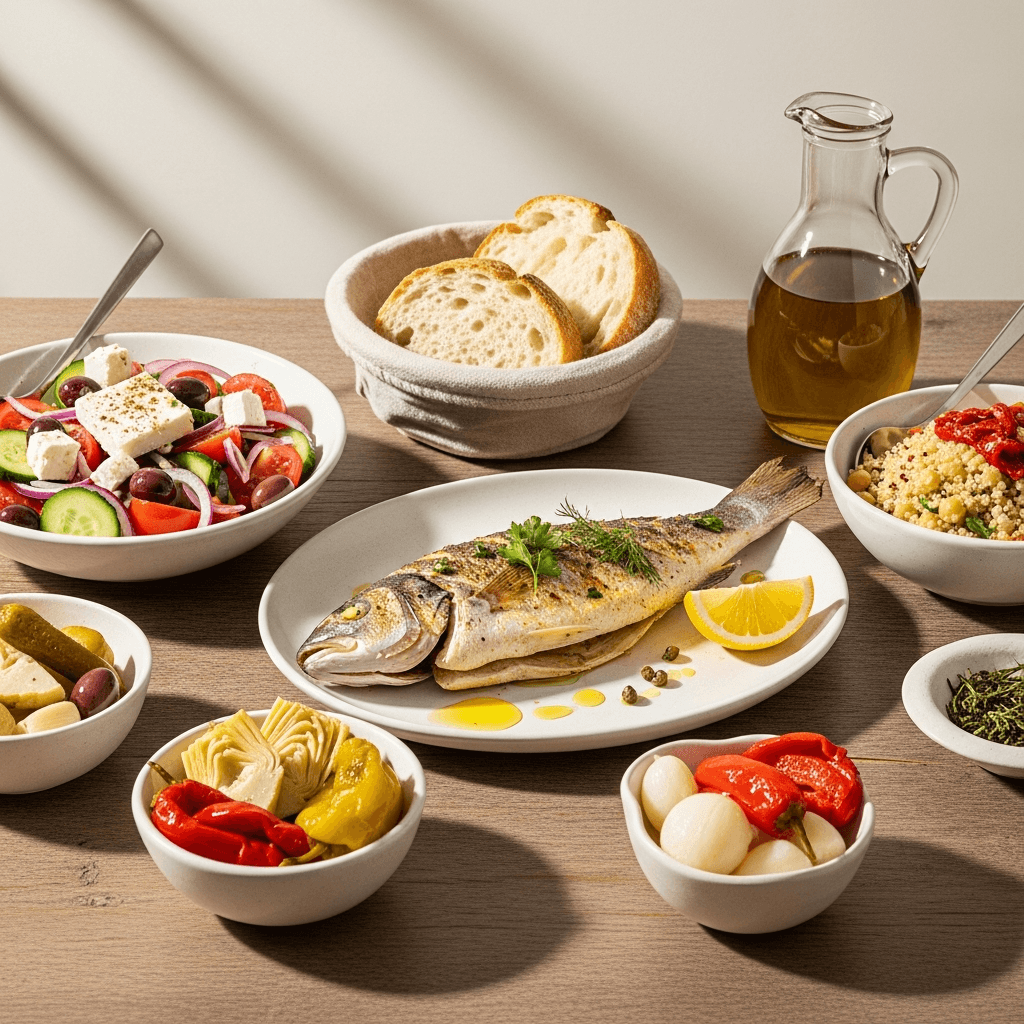
How it worksMediterranean dietary pattern
Olive oil, fish, nuts, legumes, plants. The most-studied diet for cardiovascular and cognitive longevity.
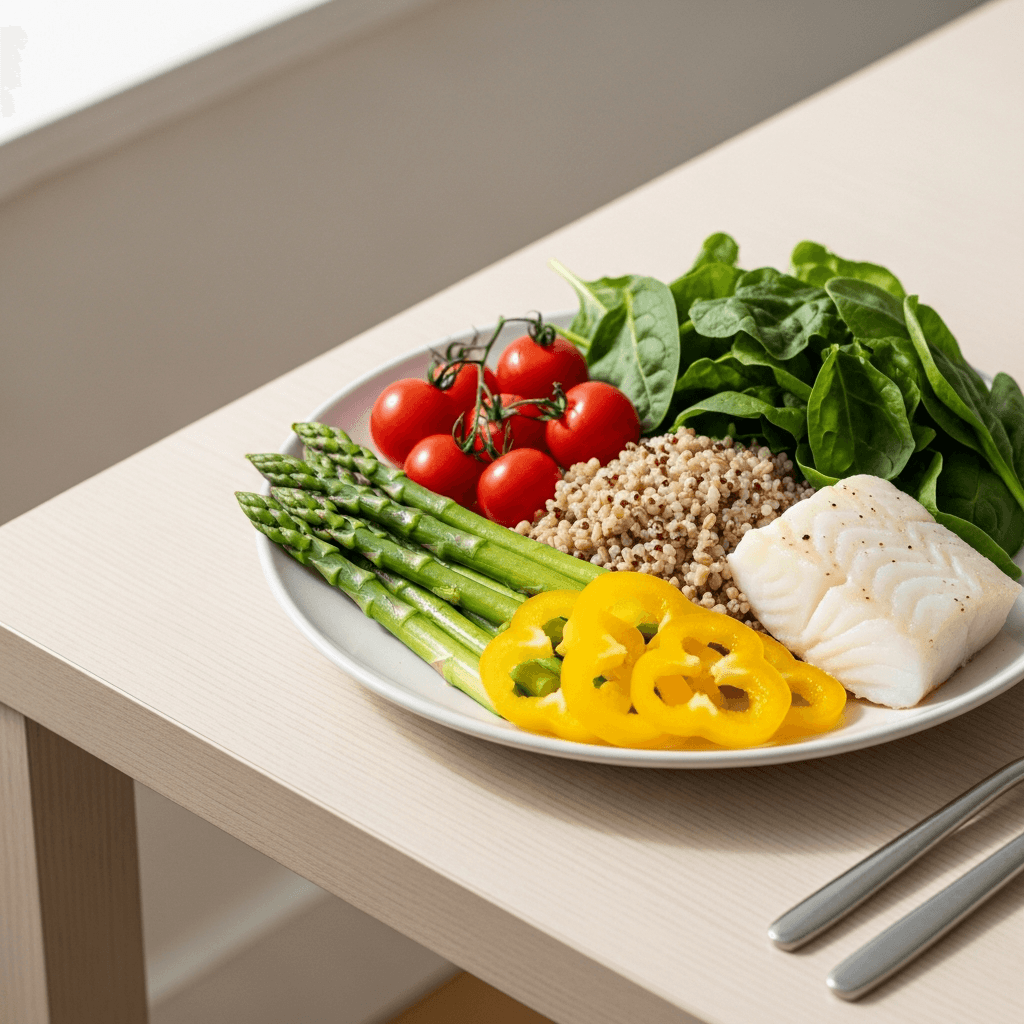
How it worksDASH dietary pattern
Dietary Approaches to Stop Hypertension. Strongest dietary RCT evidence for blood pressure reduction.
How it worksMarkers worth tracking
A short list of the bloodwork and daily signals most likely to move when something is actually working. Tap any card for the full rationale and where to test.
Vitamin D 25(OH)D
>75 nmol/L
The single immune marker with the strongest acute-respiratory-infection evidence (Martineau 2017). Most northern-hemisphere adults are deficient by mid-winter — test before supplementing.
Read full markerZinc (RBC)
180–220 µmol/L
Intracellular zinc reflects status better than serum. Borderline deficiency is common; chronic high-dose zinc supplementation can depress copper and impair function.
Ask about this markerhs-CRP
<1.0 mg/L
Chronic low-grade inflammation. Elevated baseline correlates with impaired innate immune response — high blood sugar and unmanaged stress are the most common drivers.
Read full marker25
studies show vitamin D cuts respiratory infection risk, especially when low.
Martineau 2017, BMJ
−2.4 days
shorter flu duration with elderberry syrup at 15 mL four times daily, vs placebo.
Zakay-Rones 2004, J Int Med Res
4
key immune nutrients with official approval: vitamin D, vitamin C, zinc, selenium.
European food safety authority
Frequently asked
Practical answers to the questions readers most often arrive with.
When should I start elderberry for a cold?
As early as possible — ideally within the first 24–48 hours of symptoms. The two main positive trials (Zakay-Rones 2004, Tiralongo 2016) started supplementation at first symptom and continued for the duration of illness, with 15 mL syrup four times daily as the typical regimen.Is daily zinc supplementation safe?
Acute zinc lozenges (75–100 mg/day during illness) are short-term safe. Long-term high-dose zinc can deplete copper and impair immune function. Long-term low-dose (10–15 mg/day) as part of a multivitamin is fine for most adults.What vitamin D level should I target?
Most labs flag <50 nmol/L (20 ng/mL) as deficient. A reasonable target for general health is 75–125 nmol/L (30–50 ng/mL). Test before supplementing — don't dose blind. Cochrane evidence is strongest in those starting deficient.Are echinacea side effects real?
Mostly mild — GI upset and allergic reactions (especially in those with composite-family allergies like ragweed). Echinacea is contraindicated in autoimmune disease due to immunostimulant activity. The EMA monograph cautions against continuous use longer than 8–10 weeks.Probiotics — does the strain matter?
Yes, significantly. Most generic 'probiotic' claims rely on data from specific strains (Lactobacillus rhamnosus GG, Bifidobacterium infantis 35624, etc.). Look for strain-specific evidence matching your goal rather than a vague CFU count.
Read about the science behind it
The science of immunity
How the immune system actually works. Why vitamin D, zinc, sleep, and stress sit at the foundation of resilience.
Open the science section