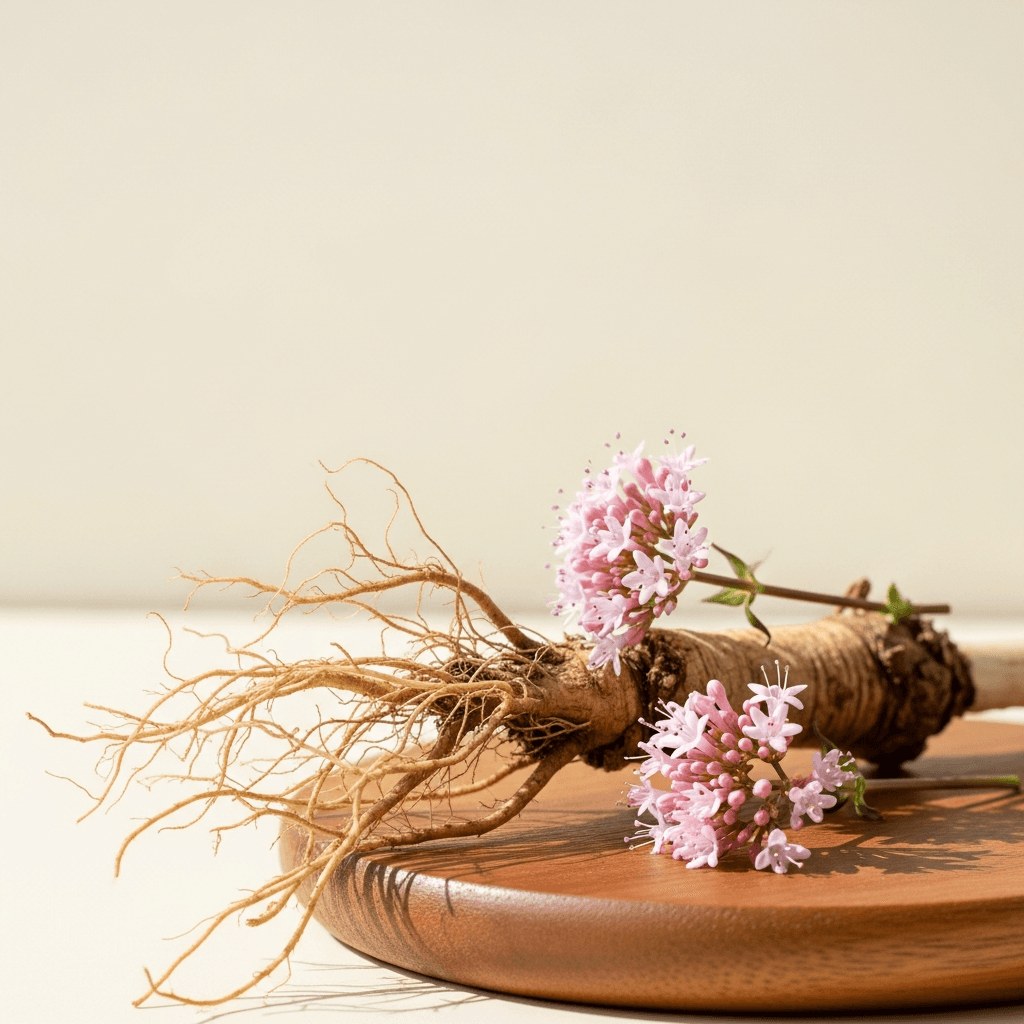
What helps with sleep. — natural remedies imagery
Natural remedies · Sleep7 evidence-anchored options

Whathelpswithsleep.

Natural ways to fall asleep faster and stay asleep through the night. Every option here is backed by published research.

Cochrane reviewsEMA HMPC monographsEFSA authorised claimsMajor-journal RCTs~100 evidence-anchored entriesDrug-supplement interaction checkerNo paywalls · no account neededEditorial review · Dr. Carmen Pöhl, GP

Insomnia and disturbed sleep affect a third of adults at any given time. Sleeping pills work, but they carry dependence risk, hangover effects, and rebound insomnia when you stop. The natural-medicine literature offers herbs, nutrients, and habits with strong evidence for falling asleep faster and staying asleep, often without the side effects. Below is the curated set.

On prescription medication? Check interactions first.

Free interaction check →

The scale of the problem

1 in 3US adults

regularly sleeps less than the recommended seven hours. Insomnia symptoms reach 30% of adults in any given year; about 10% meet clinical criteria.

CDC BRFSS 2022 · Morin & Jarrin 2022, Sleep Med Clin

Ask about this study

Try this now

Four. Seven. Eight.

Drop into sleep mode in nineteen seconds. The long exhale settles the nervous system. Tap the orb and follow along.

Evidence

What works.

Tap any card for the full evidence.

Look for the ⚠ Pregnancy chip on individual cards.

Other ways

Not only supplements.

Habits, programs and techniques that have moved the same outcomes in trials — often with the strongest evidence base of all.

Markers worth tracking

Markers worth tracking

A short list of the bloodwork and daily signals most likely to move when something is actually working. Tap any card for the full rationale and where to test.

By the numbers
FAQ

Frequently asked

Practical answers to the questions readers most often arrive with.

  • Which natural sleep aid has the strongest evidence?
    Valerian root has the longest regulatory record — the EMA HMPC monograph covers traditional use for restlessness and sleep. Melatonin at 0.3–1 mg taken close to bedtime carries an EFSA-authorised claim for reducing sleep latency. For chronic insomnia, Cochrane's review finds CBT for insomnia (CBT-I) more durable than any drug or herb — most herbal aids work best as adjuncts to good sleep hygiene.
  • How long does it take valerian to work?
    Valerian's effect on sleep latency is modest and typically takes 2–4 weeks of consistent nightly use to plateau. It is not a sleeping pill — readers expecting a benzodiazepine-like switch will be disappointed. It works best as part of a wind-down ritual rather than a single-night fix.
  • Is melatonin safe for long-term use?
    Available data suggests melatonin at low doses (0.3–3 mg) is well tolerated for at least 12 months in adults. The bigger issue is dose: most commercial products contain 5–10 mg, which is 10–30× higher than physiological levels and may suppress endogenous production. EFSA's authorised claim is at 1 mg, taken 30 minutes before bedtime.
  • What is the best magnesium form for sleep?
    Magnesium glycinate or bisglycinate. The glycine carrier itself has mild calming activity, and the form is gentler on the gut than magnesium oxide or citrate. 200–400 mg elemental magnesium in the evening is the typical range; effect is cumulative over days to weeks.
  • Can I take valerian with antidepressants?
    Discuss with your prescriber. Valerian has additive sedative effects with benzodiazepines and possibly with sedating antidepressants (trazodone, mirtazapine). Most SSRIs don't have a direct interaction signal, but the combination has not been formally studied. Check the free interaction reference for your specific drug.

Read about the science behind it

The science of sleep

How sleep actually restores the body, why regularity matters more than duration, and what the literature shows about the architecture of a good night.

Open the science section
Keep going