Whathelpswithstress.
Natural ways to calm the stress response and recover faster. Every option here is backed by published research.
Chronic stress is the modifiable health risk hidden in plain sight. The lab pattern is consistent: elevated cortisol, blunted HRV, poor sleep, and downstream cardiovascular and inflammatory consequences. Natural medicine offers two angles: adaptogens that recalibrate the stress axis, and recovery practices (sauna, breathwork, cold) that train resilience. Below: the curated set with the strongest evidence base.
On prescription medication? Check interactions first.
The recovery dose-response
00% lower% lower
all-cause mortality in adults using sauna 4–7×/week compared with 1×/week, in a prospective Finnish cohort of 2,315 men followed for two decades.
Laukkanen 2015, JAMA Internal Medicine (KIHD cohort)
Ask about this study
Try this now
Box breathing
Slow your heart in sixteen seconds. Inhale four. Hold four. Exhale four. Hold four. Tap the orb and follow along.
What works.
Tap any card for the full evidence.
Look for the ⚠ Pregnancy chip on individual cards.
Not only supplements.
Habits, programs and techniques that have moved the same outcomes in trials — often with the strongest evidence base of all.
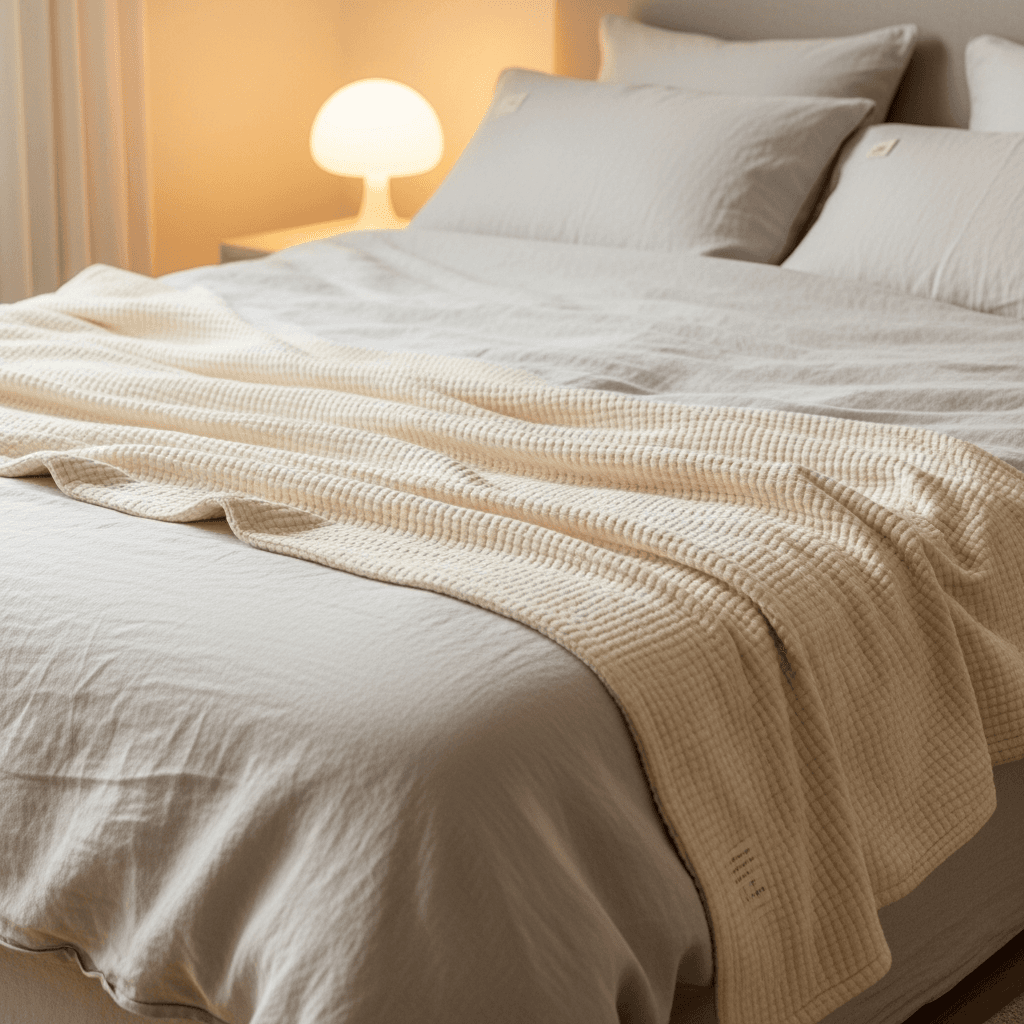
Weighted blanket
Deep-pressure stimulation. RCT: nearly 26× more likely to halve insomnia severity vs. control blanket.
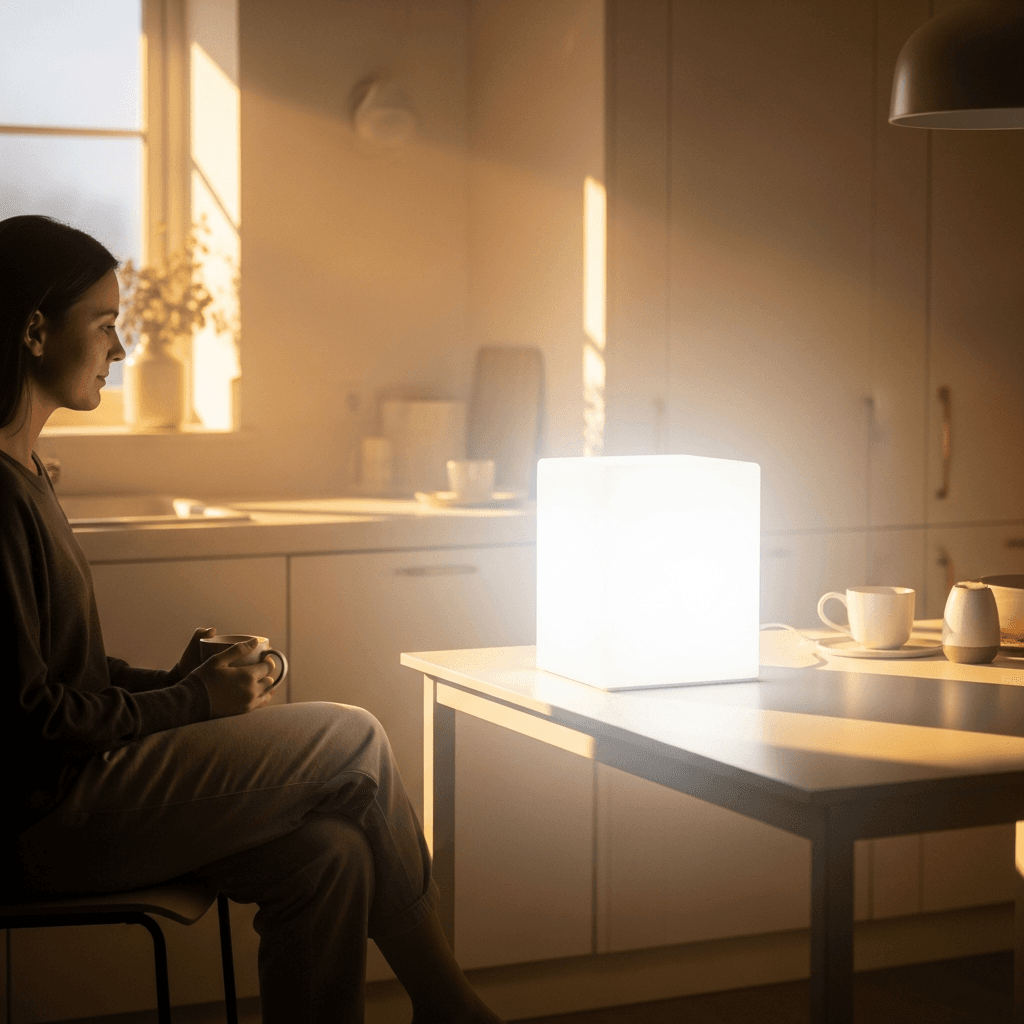
How it worksBright light therapy
10,000 lux for 30 minutes after waking. Cochrane-supported for seasonal affective disorder and circadian shifting.
How it worksMorning sunlight
10 minutes outdoors within an hour of waking anchors the circadian rhythm.
How it worksMarkers worth tracking
A short list of the bloodwork and daily signals most likely to move when something is actually working. Tap any card for the full rationale and where to test.
Resting HRV
Personal trend
Heart-rate variability at rest. Higher than your baseline = parasympathetic / recovery dominance. Trending down across weeks signals accumulated stress.
Read full markerMorning cortisol
10–20 µg/dL
Diurnal cortisol peaks 30–45 min after waking. Flat or inverted curves correlate with chronic stress and burnout patterns.
Ask about this markerResting heart rate
<70 bpm
Sustained elevation above your baseline (≥5 bpm for >7 days) is one of the cleanest signals of accumulated stress load.
Read full markerFrequently asked
Practical answers to the questions readers most often arrive with.
How fast does ashwagandha work for stress?
Most RCTs report measurable decreases in perceived stress and cortisol at 4–8 weeks of daily 300–600 mg. Some people notice a softer baseline within 1–2 weeks; the cortisol effect lags subjective relief.Which adaptogen for chronic vs acute stress?
For chronic, run-down stress: ashwagandha or holy basil, built up over 4–8 weeks. For acute or anticipatory stress (stage-fright pattern): L-theanine 200 mg or box breathing — both work within 30–60 minutes. Rhodiola sits between, useful for the 'drained' presentations.Can I take ashwagandha with antidepressants?
There is no documented major interaction, but ashwagandha's mild thyroid-stimulating effect and CNS activity warrant a conversation with your prescriber, especially on SSRIs or MAOIs. Check the free interaction reference for your specific medication.Sauna — how often and how hot for stress?
The Laukkanen 2015 cohort data showed a dose-response: 4–7 sessions per week of 15–20 minutes at 80–95 °C were associated with the largest mortality and cardiovascular benefits. One session per week did less. Most people do best starting at three per week and building up.Are adaptogens safe long-term?
Most adaptogens used in clinical trials for 8–12 weeks show good safety profiles. Long-term (multi-year) data is limited. A conservative pattern: 8-week cycles with 2-week breaks, or 5-on / 2-off weekly. Avoid in pregnancy.
Read about the science behind it
The science of stress
How the stress response works in the body, why recovery is the real lever, and what trained resilience actually looks like at a physiological level.
Open the science section