Lab marker
Morning cortisol
8 AM serum cortisol · Cortisol awakening response · CAR
The body's master stress hormone, read at its daily peak. A precise clinical tool for adrenal disease, and a contested research window onto chronic stress.
What it measures
Cortisol follows a steep daily rhythm: it surges 30–45 minutes after waking (the cortisol awakening response, CAR) and falls across the day to a near-nadir around midnight. A morning blood draw captures the peak; salivary sampling at waking and +30 min captures the CAR. Flattened or blunted curves have been linked in cohort studies to chronic stress, burnout, depression and shift work, but the overlap with healthy variation is wide.
Reference context
1 guideline source
Typical 8–9 AM serum reference ranges run roughly 140–700 nmol/L (5–25 µg/dL), but those boundaries define adrenal disease, not an optimal stress level. There is no validated cortisol cut-off that means 'too stressed.' Oestrogen, including the combined pill and pregnancy, raises total cortisol via binding globulin; acute illness, draw timing and waking time all move the number.
Population context: consult guideline targets below
Mechanism
Why moving this marker matters
Cortisol is the end-product of the hypothalamic-pituitary-adrenal (HPA) axis. Acute stress sharpens the rhythm; sustained stress is thought to dysregulate it, blunting the awakening response and raising evening levels. Whether a single reading reflects an individual's chronic stress load, as opposed to last night's sleep, the exact timing of the draw, or the assay used, remains unsettled.
Guideline targets
What major guidelines recommend
Endocrine Society 2016 (adrenal insufficiency screen)
8 AM serum <140 nmol/L (5 µg/dL) suggests insufficiency; >415 nmol/L (15 µg/dL) makes it unlikely
How to measure
The test, where to get it, when to repeat
Method
Serum cortisol drawn 8–9 AM for clinical questions; an overnight dexamethasone-suppression variant screens for excess. The cortisol awakening response uses salivary samples at waking and +30/+45 min across 2+ days. Timing is everything: a draw an hour late reads very differently.
Where
Serum via GP or private lab; salivary CAR kits via specialist or functional-medicine labs.
Typical cost
€15–40 serum; €60–120 for a multi-point salivary panel.
Fasting
Not required
When to test
Endocrine Society 2016
Morning serum cortisol is a first-line screen for adrenal insufficiency (low) or, via dexamethasone suppression, Cushing's (high), ordered for suspected disease, not routine longevity screening.
CAR expert consensus 2016
If assessing the awakening response, strict adherence to waking-time sampling and verified compliance is essential, or the result is uninterpretable.
Where to test
Independent labs offering this test
No direct-to-consumer lab currently in our directory for this marker. Your GP can request it on a standard panel.
Context
Reading the numbers
Typical 8–9 AM serum reference ranges run roughly 140–700 nmol/L (5–25 µg/dL), but those boundaries define adrenal disease, not an optimal stress level. There is no validated cortisol cut-off that means 'too stressed.' Oestrogen, including the combined pill and pregnancy, raises total cortisol via binding globulin; acute illness, draw timing and waking time all move the number.
Caveats
A single cortisol is a snapshot of a fast-moving rhythm. Direct-to-consumer 'adrenal fatigue' panels are not endorsed by any endocrine society; the diagnosis itself is not recognised. Treat an abnormal result as a prompt to see a doctor, not a number to self-manage.
Practices
What's been shown to influence this marker
 Technique
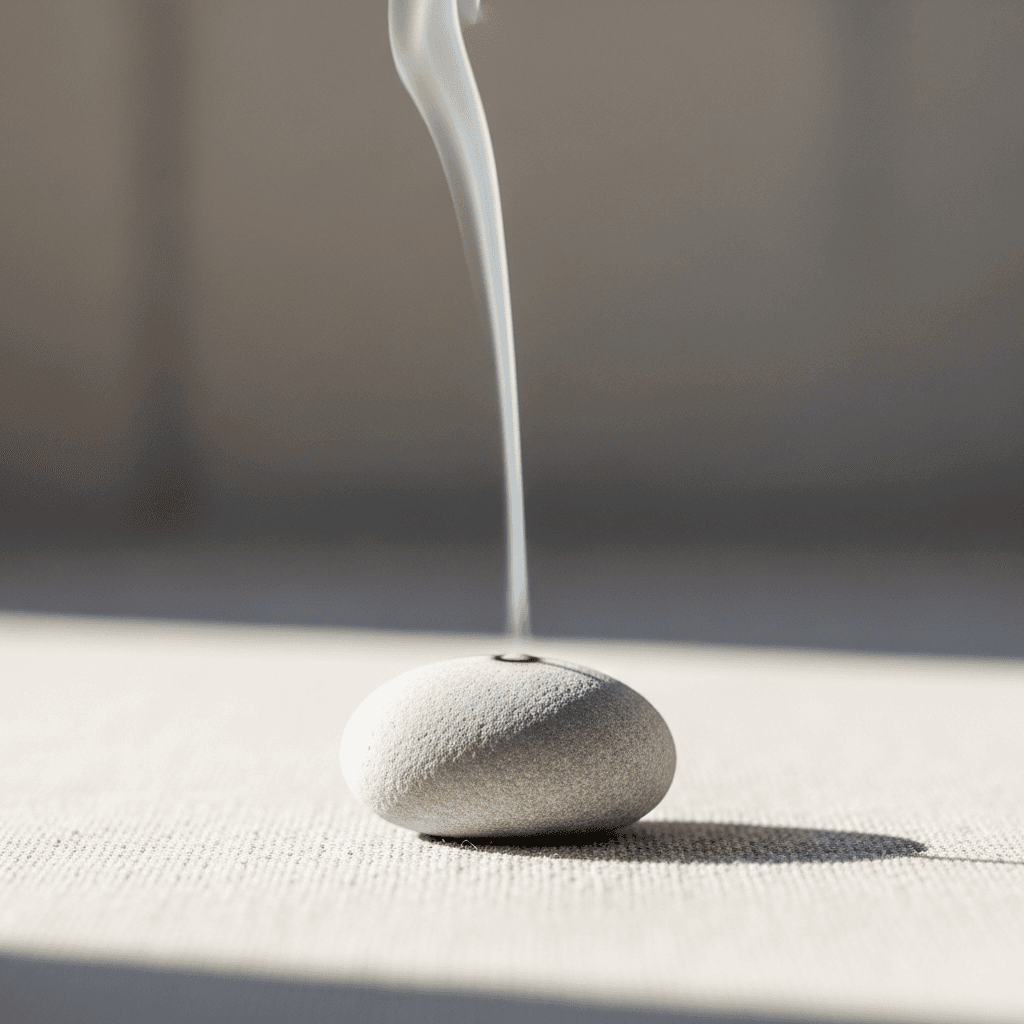
Slow-exhale breathing
4-second inhale, 6-second exhale. Activates parasympathetic recovery in 2 minutes.
Why
Long exhales activate the vagus nerve and shift autonomic balance toward parasympathetic dominance. The technique is shared by Stoic philosophy, pranayama, and modern resonance breathing protocols. Effects are immediate and accumulate with regular practice.
The technique
- 1
Sit upright, shoulders relaxed.
- 2
Inhale through the nose for 4 counts.
- 3
Exhale through pursed lips for 6 counts.
- 4
Continue for 2 minutes for an acute effect, 5-10 minutes daily for baseline tone.
When to use it
Pre-meeting nerves, post-conflict, sleep wind-down, or whenever the body feels keyed up.
Ideal for
In-the-moment stress regulation, pre-sleep wind-down, post-conflict recovery.
Markers this may influence
Evidence
Laborde 2022 Neurosci Biobehav Rev meta-analysis (223 studies) confirms voluntary slow breathing reliably raises vagally-mediated HRV both during and immediately after practice. Lehrer 2020 Front Neurosci synthesises the resonance-breathing literature: ~6 breaths/min consistently peaks HRV amplitude.
 Technique
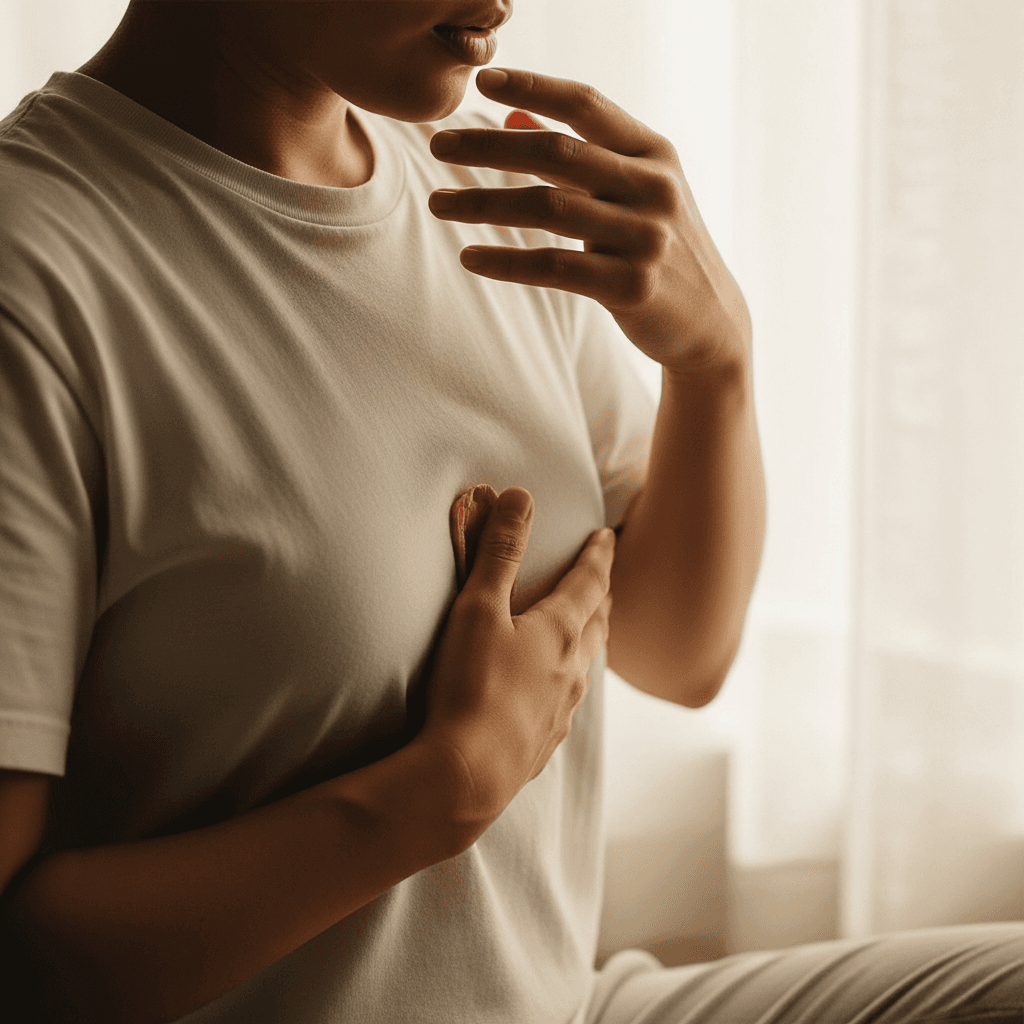
4-7-8 breathing
Inhale 4, hold 7, exhale 8: extends the exhale to activate parasympathetic recovery.
Why
A breathing pattern derived from pranayama and popularised by Dr. Andrew Weil. Long exhales relative to inhales bias the autonomic nervous system toward parasympathetic dominance. RCT evidence shows acute effects on heart-rate variability and blood pressure, plus improved post-surgical anxiety scores in a 2023 trial.
The technique
- 1
Sit or lie comfortably. Tongue tip lightly behind the upper teeth.
- 2
Exhale fully through the mouth.
- 3
Inhale through the nose for a count of 4.
- 4
Hold the breath for a count of 7.
- 5
Exhale through the mouth for a count of 8.
- 6
Repeat the cycle 4 times. That's one round.
When to use it
Lying in bed when sleep won't come, or in any acute-stress moment.
Markers this may influence
Evidence
Laborde 2022 Neurosci Biobehav Rev meta-analysis (223 studies) confirms slow-paced breathing reliably raises vagally-mediated HRV during and immediately after practice. The 4-7-8 protocol specifically has only small acute trials (Vierra 2022 Physiol Rep), so the effect on sleep is mechanistically plausible but not anchored to a large RCT.
 Technique
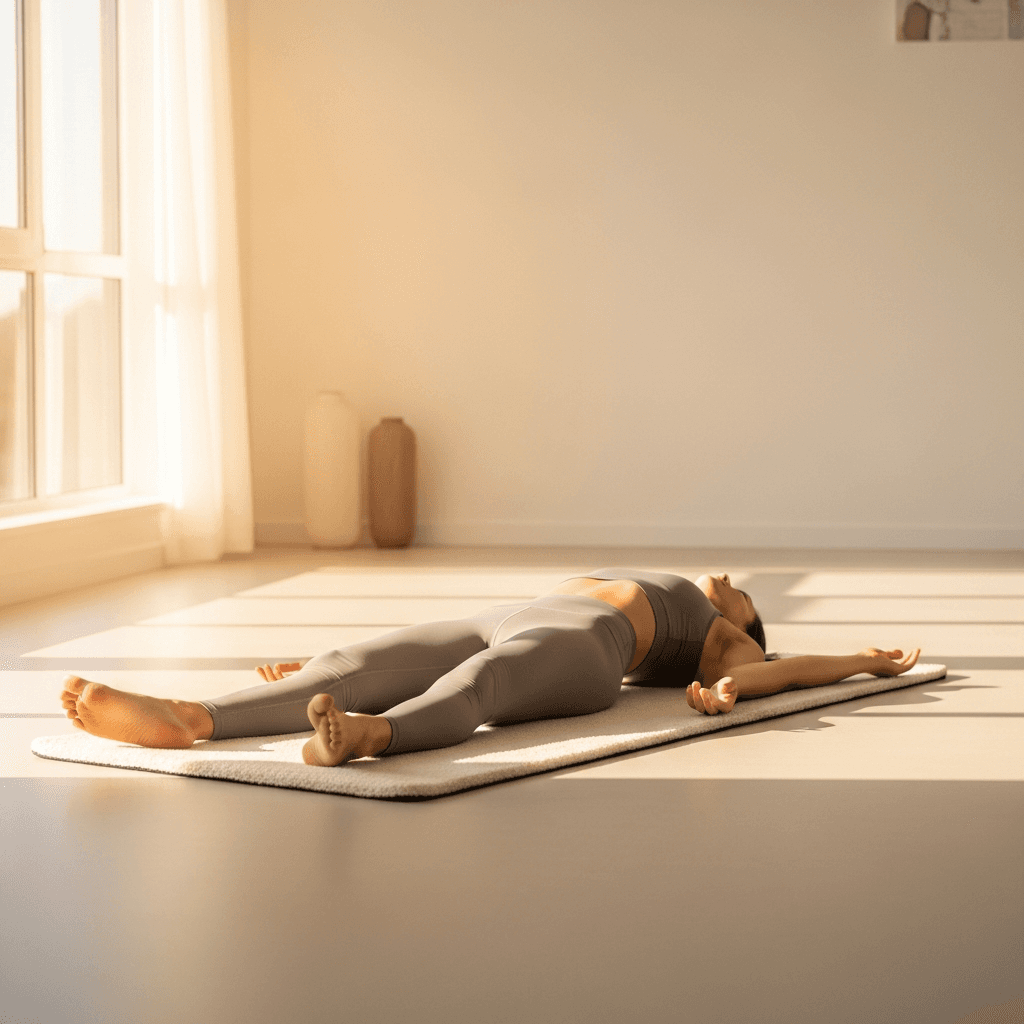
Yoga nidra (NSDR)
Guided non-sleep deep rest; 20 minutes can substitute for missed sleep on tough nights.
Why
Yoga nidra is a guided body-scan practice that produces a state physiologically similar to early-stage sleep. Research from Andrew Huberman's lab and others shows it increases dopamine in striatum and reduces sympathetic tone. Useful for sleep-onset difficulty, recovery on short-sleep days, and as a midday reset.
The technique
- 1
Lie flat on your back, arms slightly away from body, eyes closed.
- 2
Start a guided 20-minute audio (search 'NSDR' or 'yoga nidra').
- 3
Follow the body-scan instructions: attention moves through each body part.
- 4
Don't try to stay awake. Drifting is part of it.
- 5
End: take a slow breath, wiggle fingers and toes before sitting up.
When to use it
Use mid-afternoon for an energy reset, or in bed when sleep won't come.
Ideal for
People who lie in bed unable to switch off; shift workers needing a daytime reset.
Markers this may influence
Evidence
Kjaer 2002 Cognitive Brain Res PET study (experienced practitioners): yoga nidra was associated with a 65% increase in endogenous striatal dopamine release during the practice, a mechanistic signal for the reported parasympathetic shift. Trial evidence in unselected adults is preliminary; safe and acutely calming, but chronic-outcome data are limited.
See also
Related markers
Take to your physician
Worth discussing
- Whether your symptoms warrant formal HPA-axis testing (a short Synacthen test, not a single level).
- If a morning cortisol is low or high, what confirmatory test comes next.
- Whether medications or hormonal contraception are affecting the reading.
Sources
Cited literature
- [1]Bornstein et al., Diagnosis and Treatment of Primary Adrenal Insufficiency, An Endocrine Society Clinical Practice Guideline (JCEM)(2016)
- [2]Stalder et al., Assessment of the cortisol awakening response, Expert consensus guidelines (Psychoneuroendocrinology)(2016)
- [3]Stalder et al., Cortisol awakening response, expert consensus update (Psychoneuroendocrinology)(2022)
Last reviewed May 2026
Keep reading
← Previous
Lab marker
IGF-1
A growth-hormone-axis proxy with a U-shaped mortality relationship: both very high and very low values associate with elevated risk.
Next →
Lab marker
RBC magnesium
Magnesium measured inside red cells rather than in serum, pitched as a more sensitive read on body stores, though the evidence that it beats serum is thin.